





























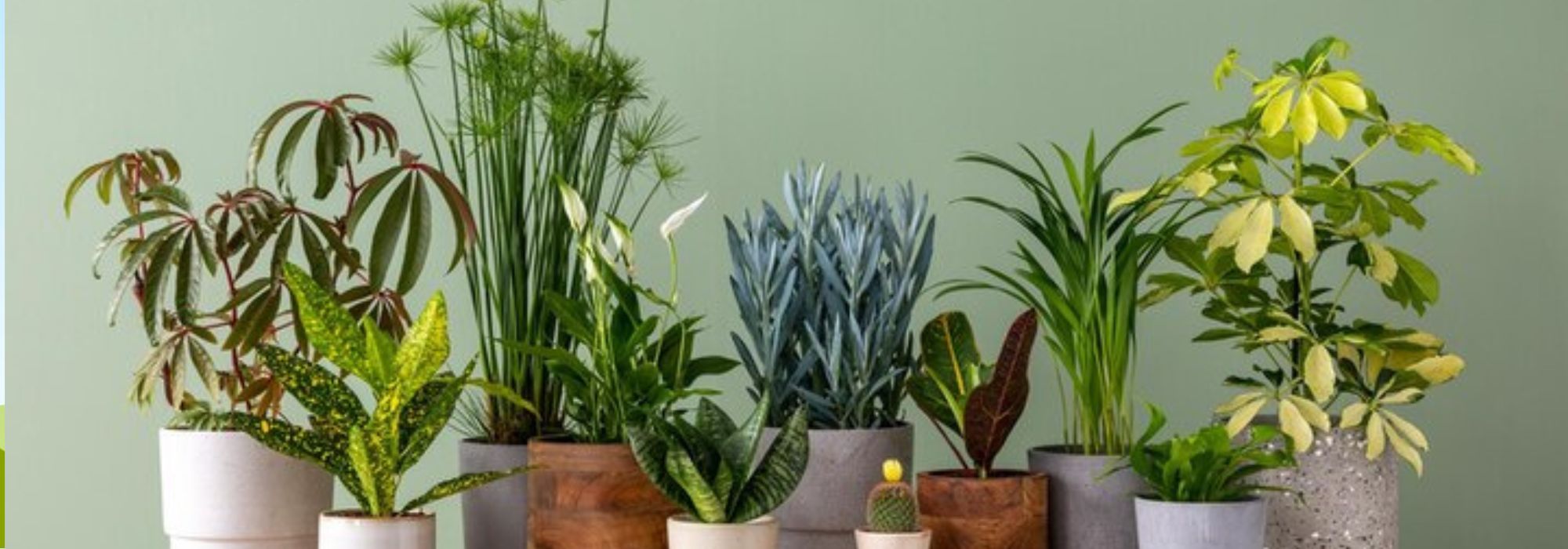
How to care for indoor plants according to the seasons?
The needs of indoor plants vary with the seasons
Contents
Indoor plants are much more than just decorative elements in our living spaces. They bring a soothing touch of greenery and contribute to the well-being of a place. Caring for them enhances personal well-being. Moreover, it is rewarding to see your plants thrive. To fully enjoy their beauty, it is essential to care for them throughout the year. Environmental conditions vary with the seasons, even indoors, so it is important to adapt our maintenance habits accordingly. In this article, we present practical tips for maintaining your indoor plants, taking into account the different seasons and the changes to implement four times a year to properly adapt to the rhythm of our beautiful companions and become an expert in indoor plant care.

Why differentiating the seasons indoors?
To ensure your indoor plants thrive, it is important to understand how the seasons influence their growth. Each season presents specific environmental conditions that affect plant development. Heating in winter dries out the atmosphere, and the light through your windows is not the same throughout the year. Plants have growth and rest cycles. By adjusting watering, light, temperature, fertilisation, and repotting according to these seasonal variations, you help your plants flourish all year round and limit the proliferation of harmful insects. Whether you have drought-resistant succulents, light-demanding tropical plants, or lush foliage plants that crave ambient humidity, this guide provides tailored advice for the specific needs of indoor plants according to the seasons.
Read also
How to repot a houseplant?Spring: a new beginning for your indoor plants
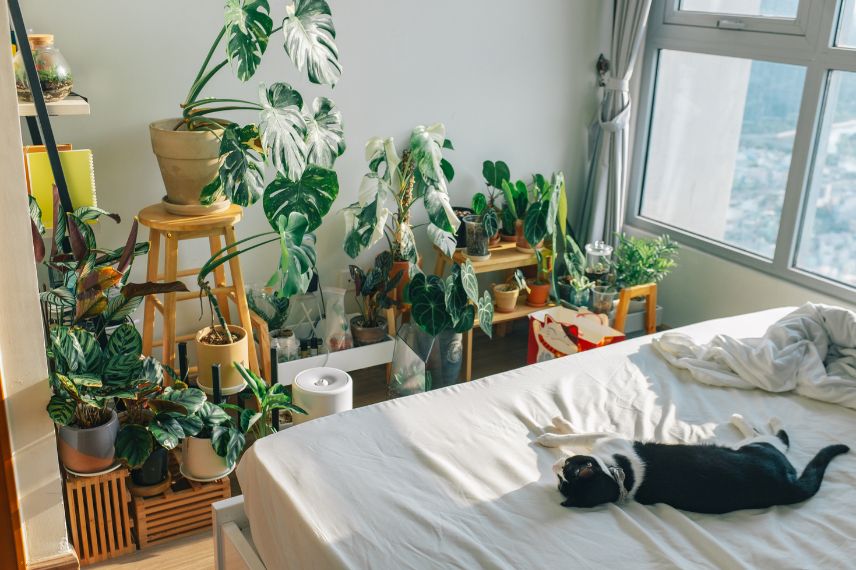
In spring, the light intensifies, temperatures rise, and plants awaken: it’s not the time to lounge around
Spring is a time of renewal and growth for indoor plants. Days lengthen, light becomes more intense, and mild temperatures promote plant development. Here are some tips for caring for your indoor plants during this growth-friendly season.
- Watering: Adjust the frequency of watering according to the individual needs of your plants. Regularly check the soil moisture before watering and avoid excess water that could lead to root rot.
- Light: Place your plants near windows to benefit from the abundant natural light of spring. Regularly rotate the pots for balanced growth.
- Temperature: Ensure a moderate ambient temperature to encourage healthy growth. Avoid cold drafts that could damage the plants.
- Fertilisation: Use a balanced fertiliser to support the growth and flowering of your plants. Apply it according to the specific recommendations for each species.
- Repotting: If necessary, take advantage of spring to repot your plants that need extra space for their roots.
Cuttings and more: spring is the most active period for the indoor gardener. Not only is it the best season for repotting plants, which can be quite a task once you catch the collection fever, but it is also the ideal time to start your cuttings, multiplying your plants in water, soil, or mineral substrate.
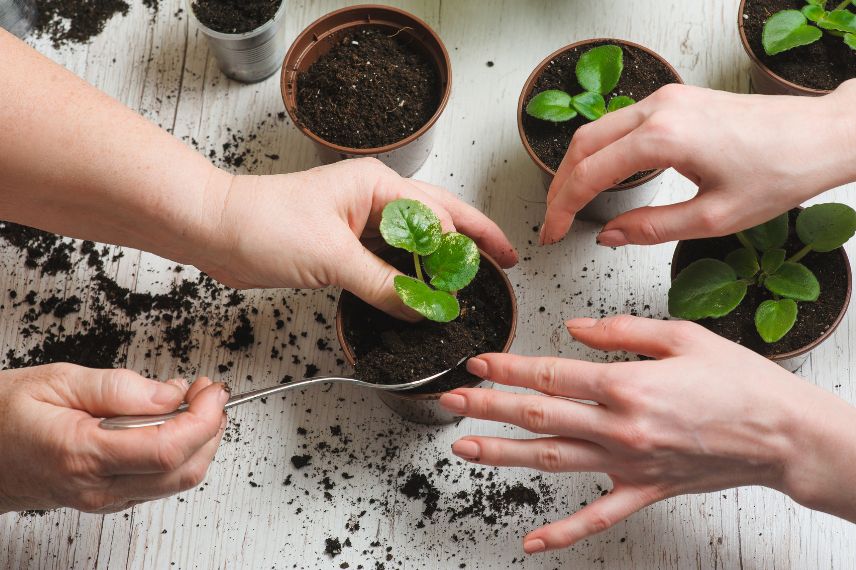
Spring is the ideal time for repotting and cuttings
Summer: Protecting Your Plants from Heat
Summer brings its own set of challenges for indoor plants, as temperatures can rise significantly and sunlight through windows can be harsh on your plants. Here are some tips to keep your plants healthy despite the summer heat.
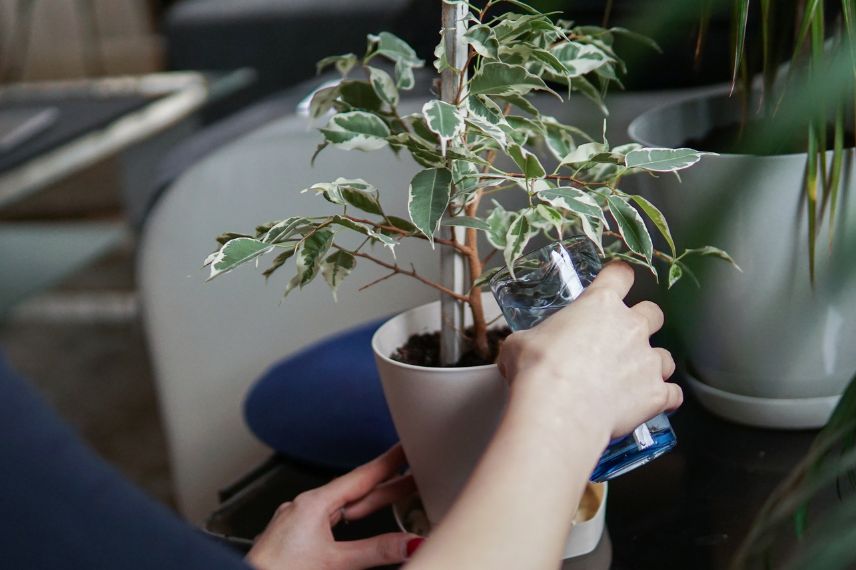
In summer, we increase watering
- Watering: If the heat persists, increase the frequency of watering to prevent the soil of your plants from drying out too quickly. Also, watch for signs of overwatering such as wilting or yellowing leaves (which can also be a sign of underwatering, but you should be able to determine the cause based on your watering habits).
- Light: Protect your plants from direct sunlight by using light curtains or by moving them slightly into the shade. South-facing windows can be particularly problematic. Only succulents can tolerate these conditions, but not necessarily in summer.
- Fertilisation: Slightly reduce the frequency of fertilisation during this period, as overfeeding can cause root burn. Opt for slow-release fertilisers for continuous nutrition.
- Repotting: Avoid repotting your indoor plants during the summer months, especially if it is very hot; this period is sensitive for them, so unnecessary disturbance should be avoided.
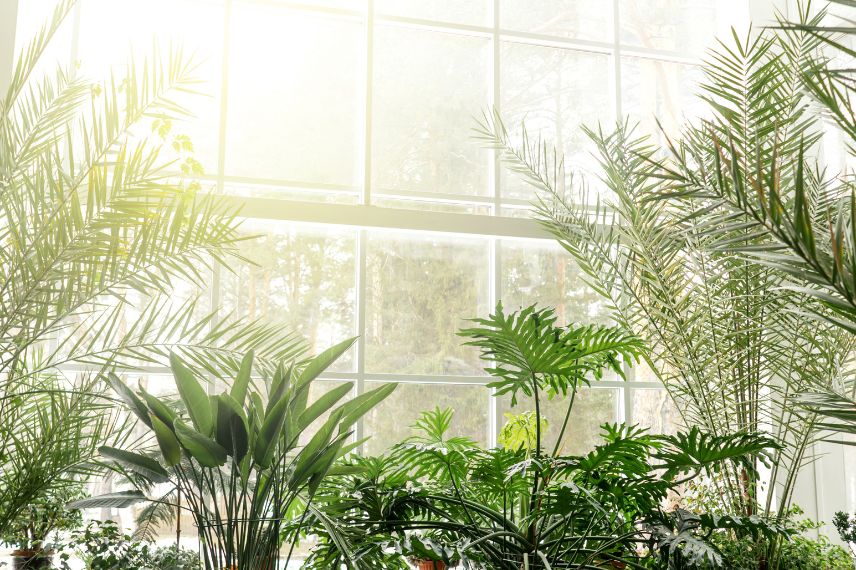
Such a glass surface increases the watering needs of plants, and there is no doubt that they also need protection from the sun by filtering sunlight
Read also
Outdoor plants that also thrive indoorsAutumn: Preparing Your Plants for the Cold Season
Autumn is a transitional period when days shorten and temperatures begin to drop. Prepare your indoor plants to face winter with these tailored tips.
- Watering: Gradually reduce the frequency of watering as the days shorten. Allow the soil to dry between waterings to avoid rot issues.
- Light: Move your plants closer to windows to maximise exposure to natural light before the days become darker. Consider using grow lights to supplement natural light if necessary.
- Temperature: If possible, maintain a moderate room temperature during the day and lower it at night. Many plants appreciate a day/night temperature difference.
- Fertilisation: Use a low-nitrogen fertiliser to promote healthy root growth before winter arrives. Gradually reduce fertilisation as plants slow their growth.
- Repotting: If you have plants to repot, do so before winter arrives to allow them to settle into their new pots before the dormancy period.
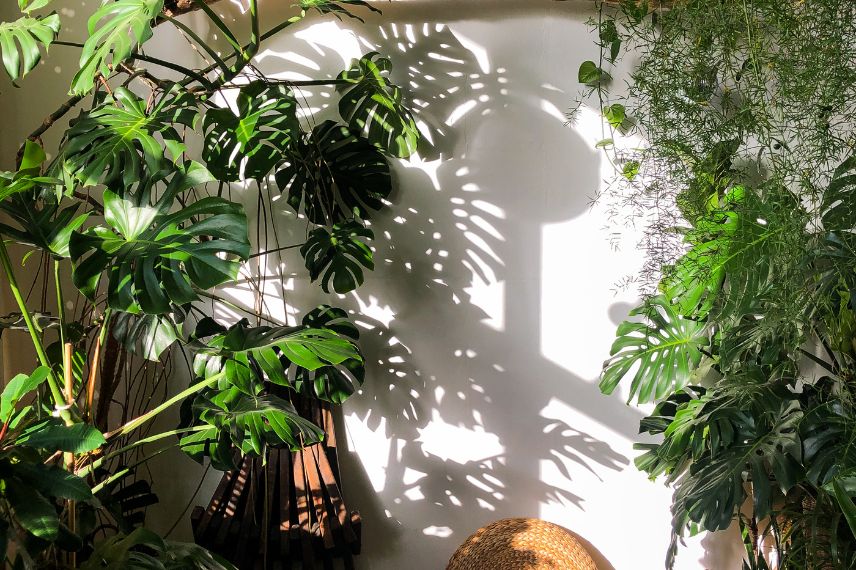
The autumn light is softer; we slow down compared to the habits formed during summer
Winter: Creating a Favourable Environment Indoors
Winter presents particular challenges for indoor plants due to cold temperatures, especially near windows, drier indoor atmospheres from heating, and low light levels. Here are some tips to help them get through this period successfully.
- Watering: Significantly reduce the frequency of watering, as plants need less water during their dormancy period. Check that the substrate is dry before watering again.
- Light: Move your plants closer to windows to maximise exposure to natural light. Avoid cold drafts that could damage the plants.
- Temperature: If possible, maintain a constant room temperature and avoid sudden fluctuations that could stress the plants. Keep them away from direct heat sources such as radiators. A day/night temperature difference is always welcome.
- Fertilisation: Suspend fertilisation during winter; there is no need for growth assistance during the plants’ rest period.
- Repotting: Do not repot your plants in winter, as this could disrupt their dormancy period.
Pests:
It is often at the end of winter that indoor plant pests become noticeable. For example, small black soil flies, sciarids, proliferate when the substrate remains moist. If you have overwatered your plants during winter, not taking into account the dormancy period, and not realising that your substrate does not dry out as quickly in winter, this is typically when you start to observe them.
Similarly, for the opposite reason, thrips proliferate when the atmosphere is too dry, which is generally the case with heating during winter.
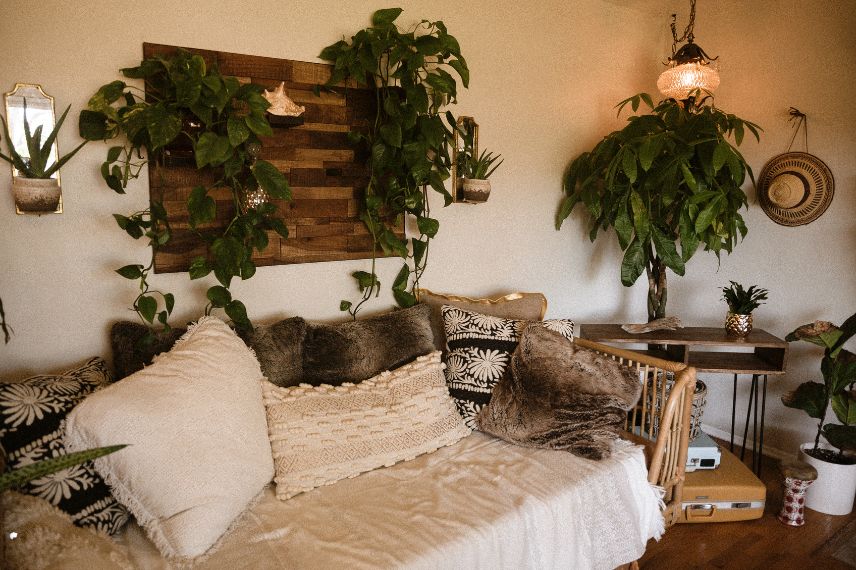
In winter, ambient light is at its lowest and plants enter dormancy
General tips for all seasons and a few examples
- Choose plants suitable for your indoor environment, taking into account the light, temperature, and humidity of your space.
- Regularly monitor the health of your plants by checking the leaves, stems, and roots. React quickly to signs of disease or pests.
- Learn the specific needs of each species of plant and adjust your care practices accordingly. Some plants require more watering and humidity, while others prefer well-drained soil and moderate to very moderate watering.
A few examples to give you an idea about watering:
- Succulents: these are the least water-hungry plants. To establish an average, you probably won’t need to water them more than once a month in winter and once a week at most in summer.
- All-purpose green plants, the resilient ones: they likely need about two waterings per week in summer (three in hot regions) and once a week or every ten days in winter in heated interiors.
- Greener plants that are thirstier: either you know this when you buy them, or you realise it by seeing how quickly the soil dries after watering. These may require up to one watering every two days during hot weather and one watering every five to seven days in winter in heated interiors.
This guideline should be adapted according to your atmosphere and ambient light, the size of the pot, its location in your home, and the quality or type of potting soil. Many factors influence this, which is why it is difficult to give precise advice. Touch the soil a few centimetres deep and trust your instincts.
By following these practical tips and tricks, you will be able to care for your indoor plants throughout the year and enjoy their beauty and calming presence in your indoor environment. Caring for your indoor plants is a rewarding commitment that will be rewarded with flourishing growth and a harmonious atmosphere in your home or flat.
- Subscribe!
- Contents
Comments