





























How to combat water lilies?
Tiny plants that love rich waters
Contents
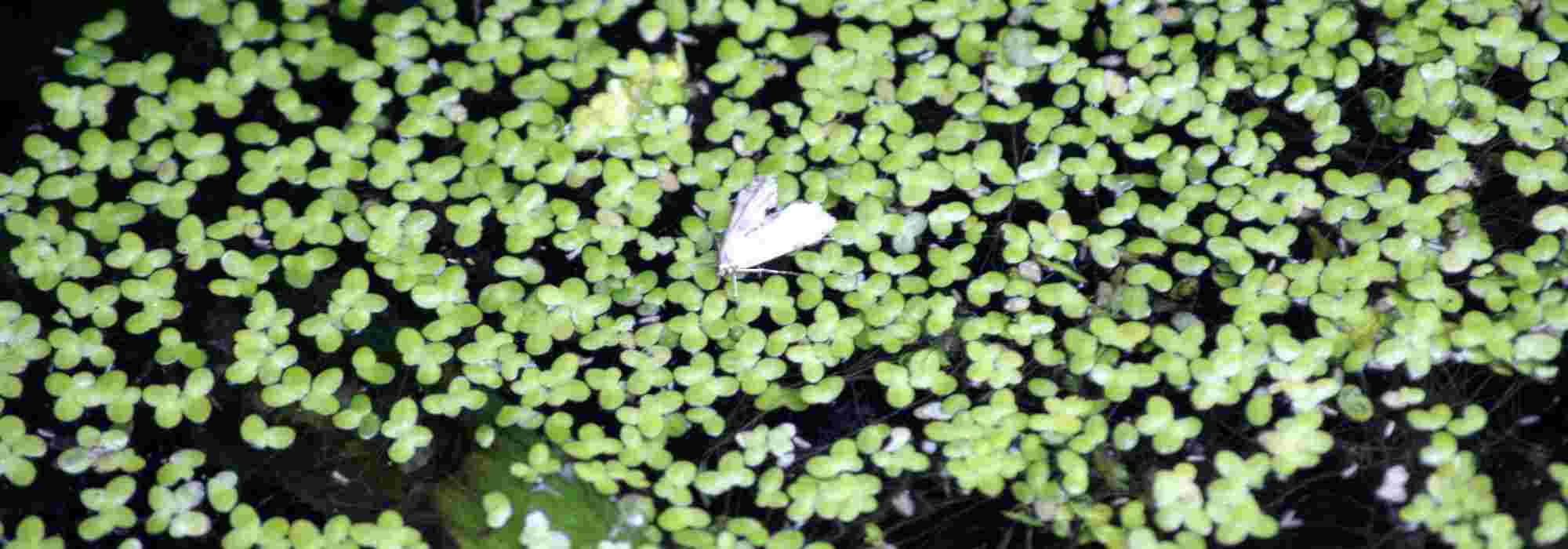
Water lily or duckweed, from the genus Lemna, is a small floating plant that develops on the surface of water, sometimes in a very invasive manner. Water lilies form an impenetrable layer in nutrient-rich waters that prevents sunlight from reaching oxygenating plants. Furthermore, a proliferation of water lilies is an indication of potential eutrophication of the pond or basin. In short, it’s not ideal!
What are the solutions to eradicate all or part of the water lilies? We’ll explore that in our advice sheet.

What is a water lens?
One should rather say water lentils or lenticules, as there are several species. The term “water lentil” is somewhat ambiguous, but we will limit ourselves to plants of the genus Lemna. The most well-known being Lemna minor or Lesser Water Lentil.
Each leaf contains an internal air reserve that allows it to float. The small roots develop vertically in the water. Water lentils thrive in light and quickly form a dense layer of seedlings on the surface. Water lentils deprive other plants, particularly oxygenating plants, of light beneath the surface.
Water lentils multiply very rapidly vegetatively. Each lenticule will produce a new leaf, which grows and then detaches to become a new water lentil. And so on… This is the most common mode of reproduction.
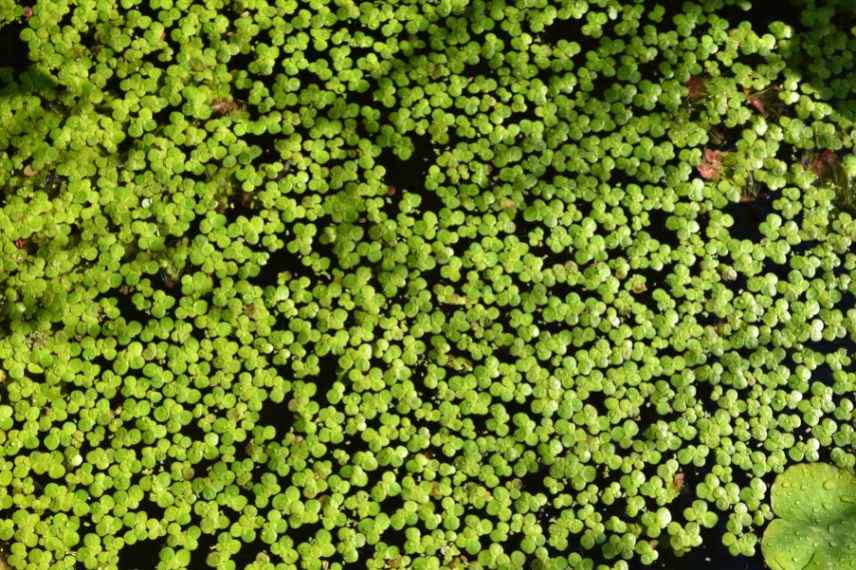
Water lentils
Why do lentils grow in a pond or a basin?
Water lentils or lenticules are found on all continents. They thrive in light and prefer waters rich in nitrogen and phosphorus, thus abundant in nutrients. Water lentils favour stagnant or slow-moving waters.
An excessive proliferation of these mini-plants is a sign of eutrophication in a body of water. This means a significant decomposition of aquatic plants, leading to two outcomes: an excess of nutrients due to the decomposition of these plants (which, in turn, accelerates the proliferation of water lentils) and a depletion of oxygen in the water involved in the decomposition of the plants. This oxygen will be lacking for the living beings in the pond or basin: fish, insects, amphibians, molluscs… All this little world will perish.
In other words, while water lentils are quite lovely, if they become too numerous, action will be required.
Please note: Water lentils can arrive in a body of water through the addition of aquatic plants, but also via birds, as the lentils cling to their feet.
What to do to get rid of water lilies?
In the first instance, a water analysis is useful to check the levels of nitrites and nitrates, the pH (ideally, the pH of the water should be close to neutral, around 7), as well as parameters related to organic matter.
- Easy solution (but tiring…), yet not sustainable: collect surface water lentils using a fine mesh net;
- You can also equip yourself with a skimmer, a type of surface vacuum that sucks up floating debris;
- Installing an air pump increases the oxygenation of the water, which reduces the proliferation of lentils and limits potential eutrophication;
- More sustainable solution: limit the input of nutrient-rich water (surface water, runoff…) by installing a vegetated settling basin upstream with large submerged plants (reed, bulrush, Marsh Iris…);
- You can also use a filter that will have a similar function to the settling basin, but in a less natural way;
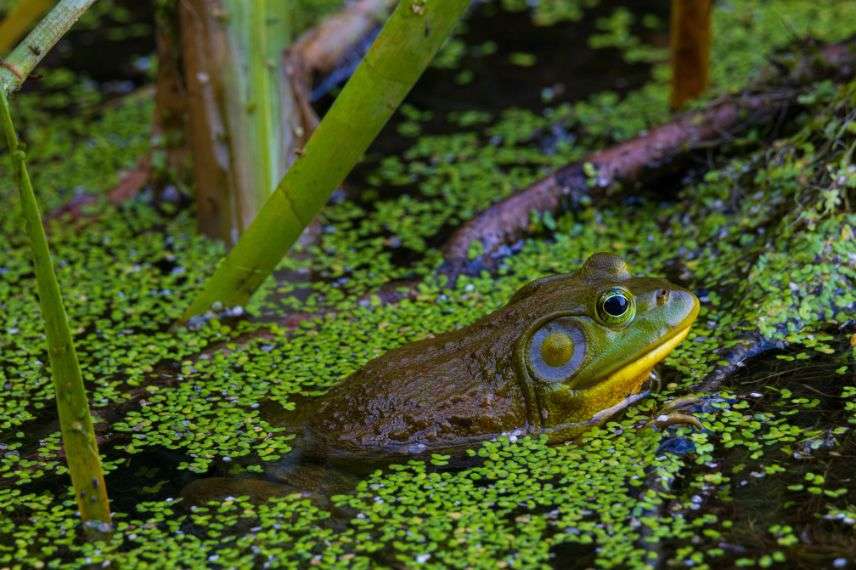
- For good measure, it’s worth mentioning that ducks and carp love water lentils.
A little tip: placing a bundle of willow or floating bulrush would prevent the proliferation of water lentils. It doesn’t hurt to try!
- Subscribe!
- Contents

Comments