





























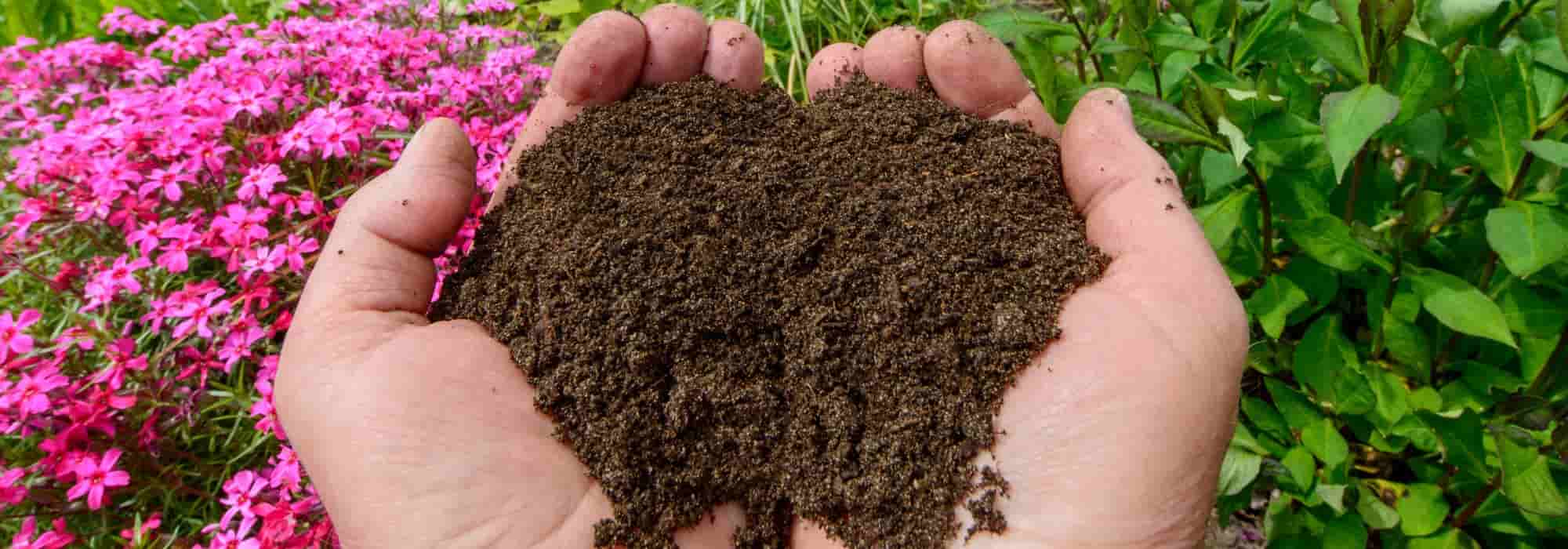
How to enrich poor soil?
Discover simple, natural methods to boost your garden's health
Contents
Whether in the allotment or the kitchen garden, to achieve an abundance of flowers or vegetables, there is no secret: soil fertility is crucial! Nutrient-rich soil is the key to vigorous growth and abundant yields. However, faced with poor soil, lacking essential elements, gardeners can feel at a loss. Fortunately, there are solutions to render your soil fertile and enrich it. From adding organic matter to crop rotation, discover proven strategies to revitalise your poor soil and ensure the prosperity of your garden.
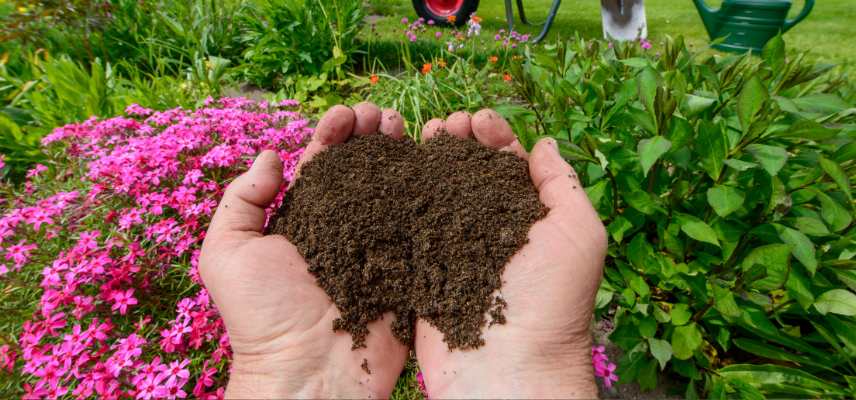
Nutrient-rich soil helps produce healthy plants

The importance of nutrient-rich soil
For most plants, rich soil enhances their growth. In an ornamental garden, well-nourished soil results in brighter flowers and denser foliage. In the vegetable garden, it promises more flavoursome vegetables and larger harvests. But why is nutrient-rich soil so crucial?
Firstly, nutrient-rich soil provides an ideal environment for root development. Healthy roots are essential for the uptake of water and nutrients, which is directly linked to the vigour of the plant. Furthermore, well-balanced nutrient levels help prevent diseases and pest infestations.
A nutrient-rich soil is also a living soil. It harbours a multitude of micro-organisms that play a crucial role in transforming organic matter into nutrients that plants can assimilate. This soil biodiversity is the engine of a healthy garden ecosystem.
Finally, nutrient-rich soil contributes to the sustainability of your garden. It retains water better, reducing the need for frequent watering and helping plants withstand drought. It will also be less prone to erosion and degradation over time. It is a long-term investment for the health and beauty of your garden.

With hard work, love and patience, after a few years, a poor garden can become lush.
Identifying poor soil: signs and symptoms
Recognising poor soil is the first step towards improving it. Several signs may indicate that your soil needs a helping hand. Here are a few symptoms to watch for:
- Slow or stagnant growth of plants: If your plants do not grow as expected, despite proper care (especially watering).
- Pale, yellowing or diseased leaves: A deficiency in essential nutrients (such as nitrogen, iron, etc.) can cause discolouration of the leaves. Pests and diseases can also be prevalent.
- Weak flowering or fruiting: If your plants flower poorly or do not bear fruit, despite watering and good care.
- Compacted or hard soil: Soil that seems hard or does not drain water well may be deficient in organic matter, making root growth difficult. This is often the case with very clay soils.
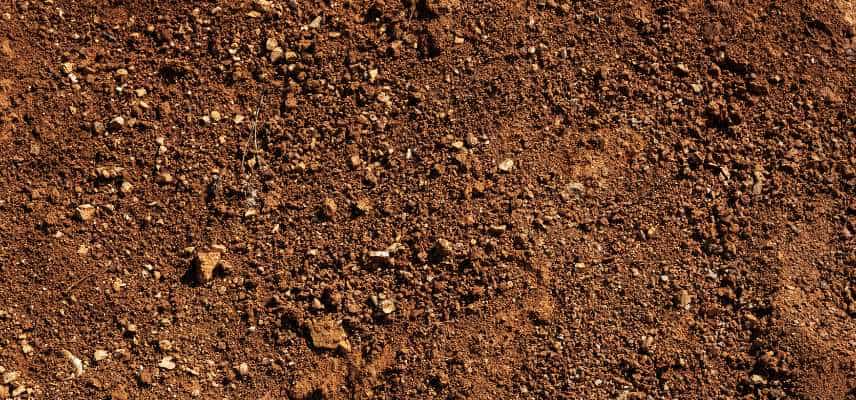
- Rocky or sandy soil: Rocky or sandy soils (usually shallow soils) are quickly leached, do not retain water or nutrients, making efficient uptake by plants difficult.
If you are unsure about your soil fertility, you can perform a test with hydrogen peroxide or an analysis to obtain detailed information about the nutrients present in your soil. To learn more on the subject and the details for testing your soil, read our article: “Soil fertility: rich or poor, how to tell?
Methods to enrich poor soil
Fortunately, there are several effective methods to improve soil quality. Here are a few key strategies:
Adding organic matter
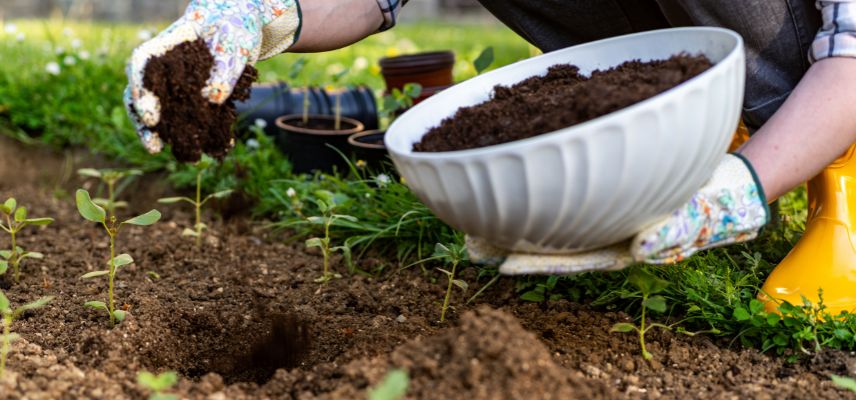
Adding organic matter is one of the most effective methods for enriching soil; it helps restore humus. Well-rotted compost, well-decomposed manure, or fallen leaves improve soil structure, increase its water- and nutrient-retention capacity, and stimulate microbial activity.
We recommend incorporating organic matter at least once a year (ideally twice), in autumn or early spring. Autumn is an optimal time, as organic matter decomposes over winter, enriching the soil for the coming growing season. In spring, adding organic matter prepares the soil for planting and provides immediate nourishment to growing plants.
Spread the amendment directly on the soil, at the base of plants or over the vegetable area, then incorporate it by digging in with a hand fork or a rake. For fallen leaves, simply use them as thick mulch.
→ For more information, read our article: How to enrich your soil naturally with organic amendments?
Mulch the soil
It cannot be said enough: mulch, mulch and more mulch! Mulching is an effective technique for enriching the soil while protecting it. By covering the soil with organic materials such as straw, fallen leaves or the RCW (ramial chipped wood) and others, mulching helps retain moisture, reduces the growth of unwanted weeds and protects against extreme temperatures (frosts and droughts). Over time, the mulch decomposes, adding organic matter to the soil and thereby improving its structure and fertility.
→ For more information, read our articles: “What mulch for the vegetable garden? and “The different organic mulches” to help you choose.
Sow green manures
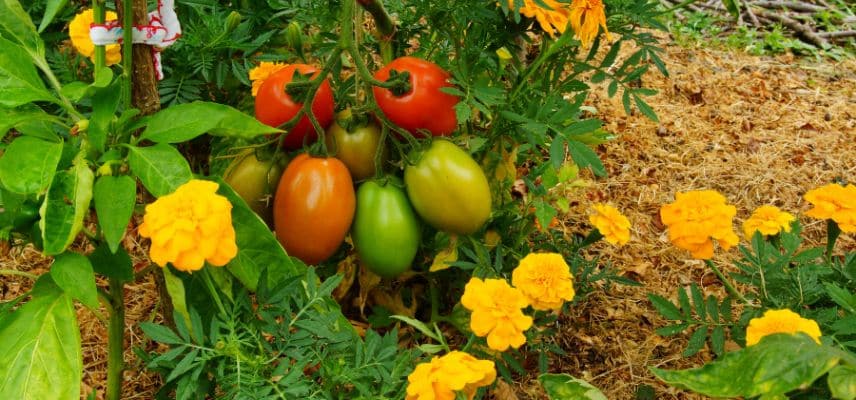
In the vegetable garden, in rotation with crops, sow green manures, such as mustard, clover, phacelia and the rye. At maturity, mow these crops and bury them in the soil or use them as mulch. When they decompose, they will provide organic matter and nutrients. These plants are especially beneficial for poor soils, as they also help fix nitrogen.
→ For more information, read our article: “Green manures: why, how?”

White mustard
Plant groundcover perennials
As with green manures and legumes (white clover, lupin, vetch), groundcover perennials can help protect the soil from erosion, retain moisture and add organic matter as they decompose. They enrich and protect the soil; among them you will find, for example, Vinca minor, creeping bugle, Sedums, Red Fescue (Festuca rubra), etc.

Vinca minor groundcover
Practice crop rotation
Crop rotation in the vegetable garden involves alternating the plant families grown on the same site, from year to year. Indeed, each family (Solanaceae, legumes, Apiaceae, etc.) has its nutrient preferences and rotating them helps prevent exhausting soil resources. This practice promotes rich, healthy soil, by preventing nutrient depletion and reducing the risks of diseases and pests.
→ For more information, read our article “Kitchen garden: crop rotation in autumn”.
Improve soil pH
A strongly alkaline soil (pH above 8) or very acidic soil (pH below 5.5) is not conducive to the growth of all plant types (even if some adapt to it perfectly). In extreme cases, it is advisable, in addition to the organic amendments mentioned above, to provide your soil with amendments to correct its pH. For example, lime to reduce acidity or sulphur to reduce alkalinity can help balance soil pH. Other amendments, such as rock phosphate or potash, can provide essential missing nutrients.
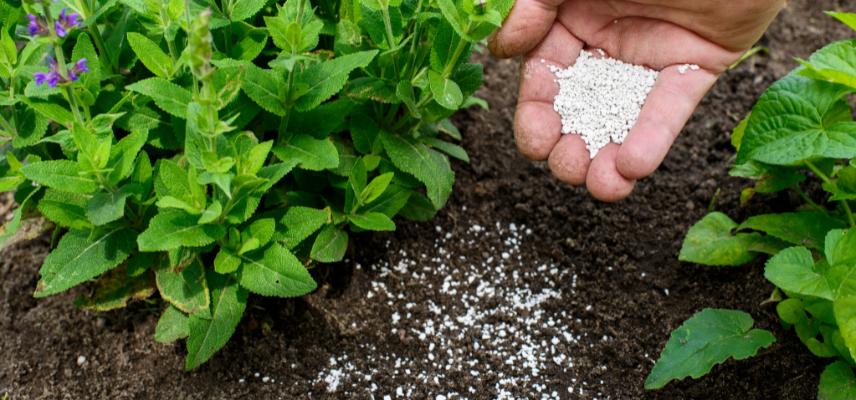
Lime to reduce acidity in the garden
Each of these methods can contribute significantly to improving your soil quality. By combining them wisely, you can transform poor soil into fertile soil, conducive to a flourishing garden.
- Subscribe!
- Contents
Comments