


How to successfully create a container of perennials?
Our secrets for easy DIY container gardening
Contents
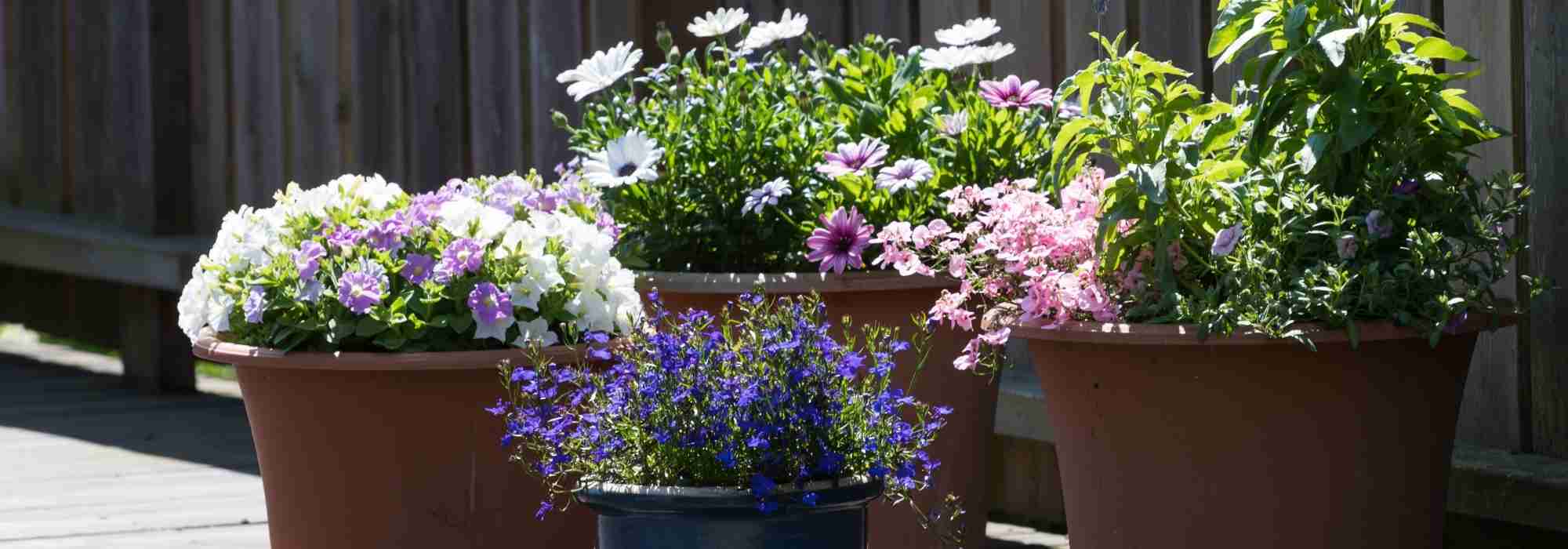
Summer flower pots, flowering pots for full sun or foliage to brighten a shady corner, pots enliven balconies, window sills, and terraces throughout the seasons. Whether they bloom in summer, spring, or winter, thrive in shade or crave sunlight, have a trailing or upright habit, and feature deciduous or evergreen foliage, the perennial plants for pots are ideal candidates for creating durable and easy-to-maintain displays all year round. They can be endlessly varied according to your desires and compositions!
Discover our tips for successfully creating your perennial pots and enjoying them for as long as possible!

Choosing the right plants for a container
This may seem obvious, but be sure to choose perennial plants that can be grown in pots, containers, or window boxes. Their habit should be compact, and their root system should be underdeveloped. Choose plants that are both hardy and long-lived.
For your container, select plants with the same requirements in terms of exposure, substrate, and watering, or you may find some wilting while others thrive. They can be placed in sun or shade, depending on the species. The exposure and climate of your region are the primary criteria to consider when choosing the perennial plants you will grow in pots. Select plants that will withstand your climate. You will avoid mistakes by planting together those that are drought-resistant or cold-hardy, those that require a lot of water, or those that prefer acidic soil. Since perennial plants take longer to establish than annuals with immediate effects, you will need to wait 1 to 2 years to achieve the desired result.
The list of plants that adapt perfectly to container growing is long, and you will find in our online nursery many varieties of perennial plants specially selected for this use and suited to your region.
→ To help you in your choice of plants, don’t forget that you can download our Plantfit app!
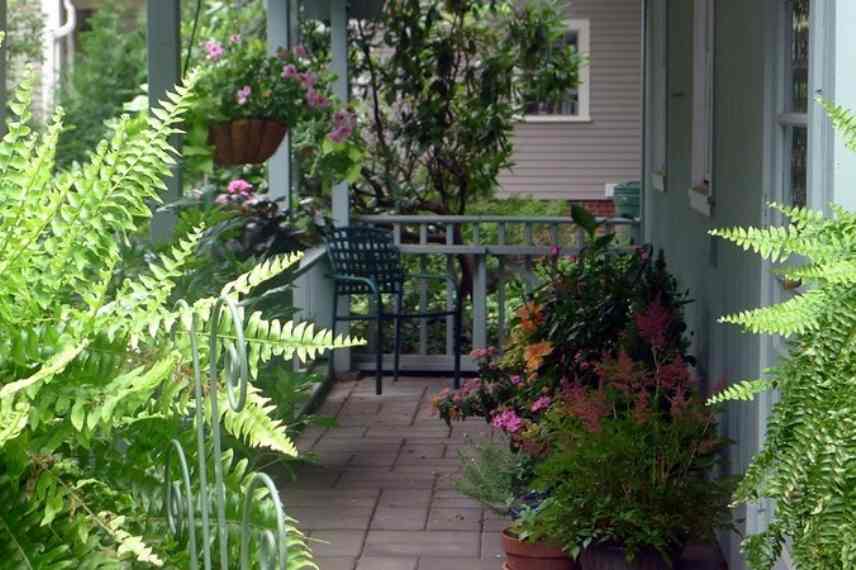
Nothing beats generous containers to enhance a small corner of a terrace or balcony
Mix shapes, colours, and heights!
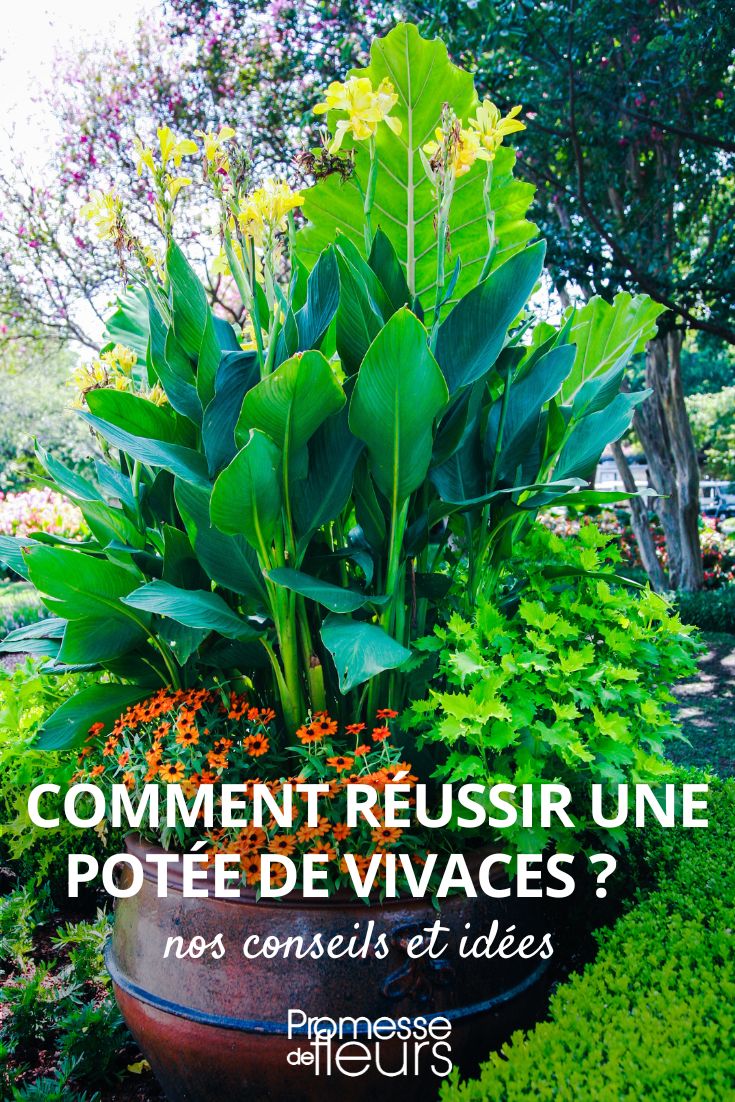
With perennials, you are investing in the long term as you can maintain your display from one year to the next. It’s therefore essential to get it right! Start by thinking and selecting your plants based on a dominant colour (pastel or bright) or an atmosphere (romantic, sunny, natural, chic, or graphic) and the seasonality (spring, summer, autumn, or winter display). To add depth and character to your arrangement, it’s important to vary the shapes (spikes, balls, trailing…), the colours, and to play with different heights (always place the tallest plants in the centre or at the back).
You can choose to create a monochromatic scheme by selecting similar shades or, conversely, opt for contrasts by pairing two complementary tones (yellow and blue / green and red…). For a chic effect, you can also create a completely monochrome display.
To compose your perennial arrangement:
- Browse our wide range of container perennials: be sure to stagger the flowering, so you will keep a beautiful display in every season!
- Give pride of place to ornamental grasses, evergreen perennials, and decorative foliage such as Heucheras or variegated ivy, Acorus, Carex, and Ophiopogon; they help to harmonise the overall look or break the monotony and give a neat and lasting appearance to your arrangement.
Discover other Container perennials
View all →
Available in 0 sizes
Available in 1 sizes
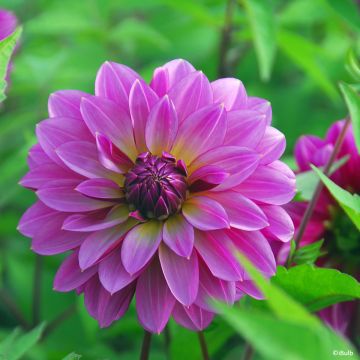
Available in 1 sizes
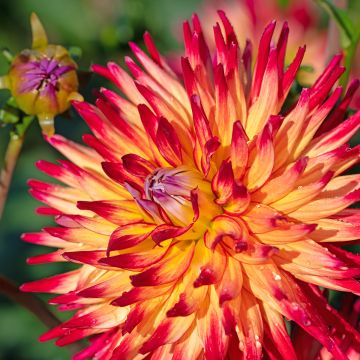
Available in 1 sizes
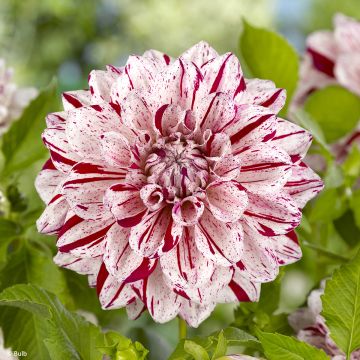
Available in 1 sizes

Available in 1 sizes
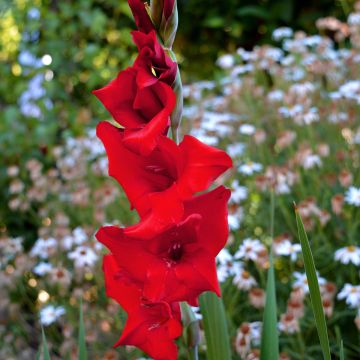
Available in 1 sizes
Available in 1 sizes
Available in 1 sizes
Available in 1 sizes
When to create this pot?
Two periods are possible:
- Either in spring (from March to May),
- Or in autumn (from September to November).
In both cases, proceed when frosts are no longer a concern, to ensure it does not suffer from the cold. Be sure to take into account the hardiness of the chosen perennial plants.
Read also
How to succeed with your window boxes?Choosing the pot.
It is important to choose a container that is large and deep enough (at least 30 cm in all directions) for the young plants to develop, otherwise your plants may suffer. Adjust the pot size according to the number of young plants you wish to install and the size at ripeness of your perennial plants, or plan for regular repotting. Containers less than 15 cm deep are clearly not recommended, as the substrate would dry out too quickly.
Whether it is made of terracotta, plastic, or resin, it depends on your personal preferences. A plastic container will have the advantage of being lightweight and economical. A terracotta pot will be heavier but will allow air and water to circulate naturally.
Finally, consider the style of your outdoor space (colourful, bohemian, recycled, contemporary…) to choose the right pot for your display.
→ “Plastic, biodegradable, or terracotta pot”… Discover the different types of pots, their advantages and disadvantages.
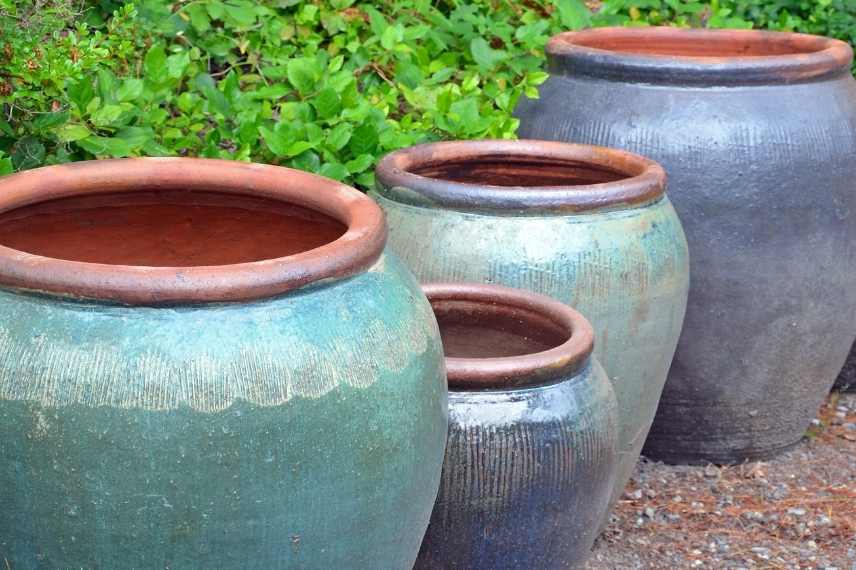
Try to keep a similar pot style in shape, material, or colour
Drain the pot.
Potted plants struggle to tolerate excess moisture. The substrate must be very well-draining to prevent root rot. To ensure that the roots do not come into contact with stagnant water and rot, before planting perennial plants, make sure the bottom of the pot is pierced to facilitate the drainage of rainwater or watering. If there are no holes, you can drill your pot yourself, for example, with a drill.
Having holes in the bottom of the container is not enough to guarantee the elimination of stagnant water. Also ensure that you systematically spread a layer of drainage material at the bottom of the pot, such as gravel, pumice, pebbles, clay balls, or pottery shards a few centimetres high to facilitate drainage.
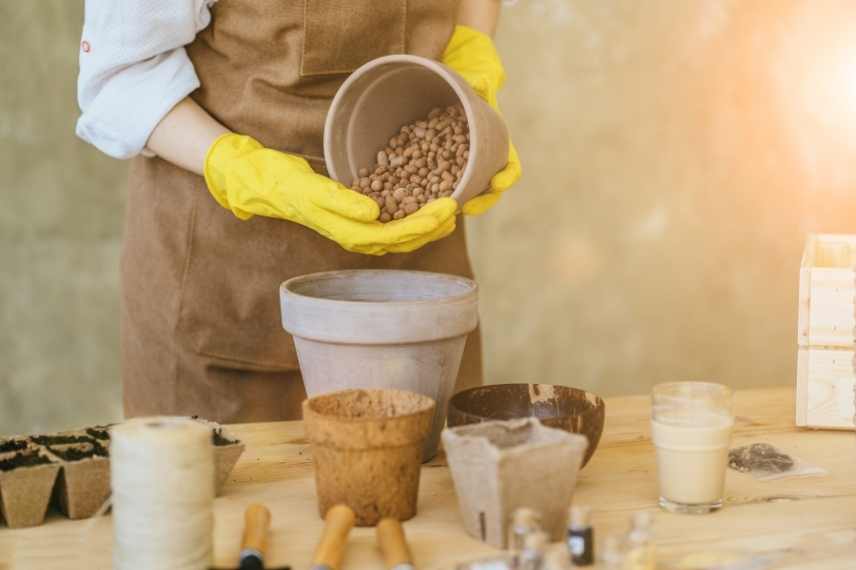
Your pots should be drained with gravel or clay balls
Fill the pot.
Choosing the right compost is essential. Choose a compost specifically designed for containers and pots or a compost for geraniums and flowering plants. This type of compost promotes growth and flowering. It retains water better than standard compost, which helps hydrate the roots while encouraging their development, and it will dry out less quickly. Remember that the smaller the container, the faster the compost will dry out. It is suitable for all potted plants, particularly those that are heavy feeders and require regular watering. Optionally, you can mix a bit of garden soil with your compost. For acidophilous plants, use heather soil.
Fill your pot to about halfway, around two-thirds, to make it easier to install the plants.
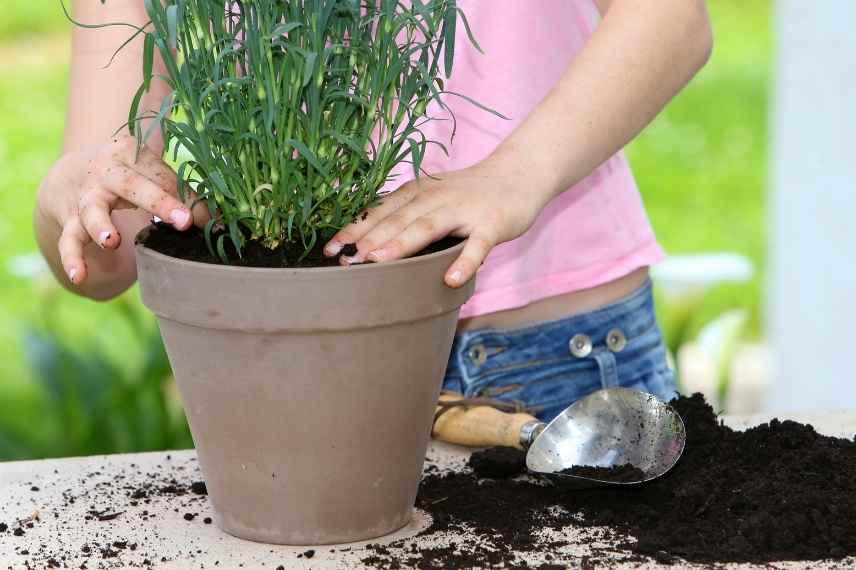
Pay special attention to the quality of the compost for your perennial pots
Install perennials
Remove the young plants from the pots and check that the root balls are well-moistened. If not, ensure to moisten them beforehand by simply submerging them in a basin of water for a few minutes. Never plant a dry root ball!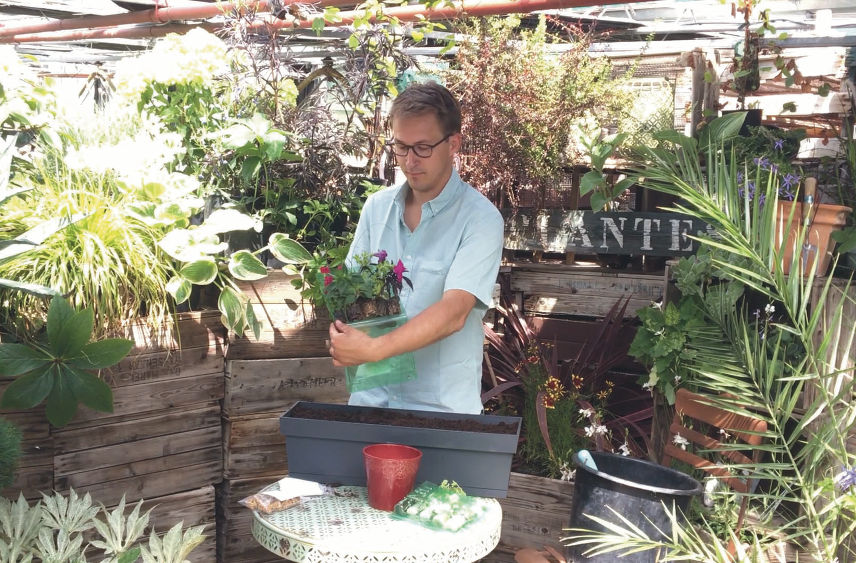
Then, untangle the roots by hand if they form a knot.
Using a trowel or dibber, make holes in the soil and position the perennial plants: place the tallest ones in the centre, and the trailing ones at the edges. Plant the root balls without pushing them too deep, a few centimetres below the edge. Maintain a sufficient distance between the plants so they can develop comfortably. Fill the gaps with potting soil and press down firmly with your hands to ensure the roots are well in contact with the soil.
Water generously with a fine spray to avoid damaging the young plants, until the water drains out through the drainage holes. Spread a mulch with a thin layer of flax shives, cocoa shells, or buckwheat; in addition to the decorative touch, this will reduce the need for watering!
Exposure and Location
Place your display outdoors on the terrace, balcony, near a pathway, or at the entrance of the garden, in full sun, partial shade, or shade, depending on your choice of plants and your climate. In warm regions, some prefer partial shade, fearing the scorching sun, while others will perfectly tolerate heat, wind, and the specific conditions of coastal areas.
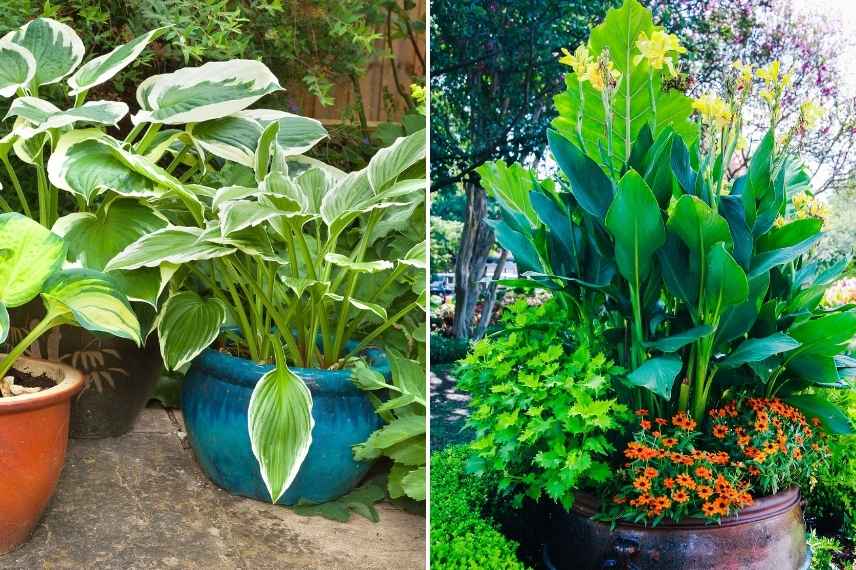
Be mindful of the right exposure for your perennials. Here, hostas in partial shade and cannas in full sun
Caring for the potted plant
Ensure you water them regularly, as the substrate dries out faster than in open ground. After planting, watering should be regular to keep the soil sufficiently moist, but not waterlogged: avoid stagnant water, which can cause the roots to rot. Some perennial plants, even in pots, will be able to withstand short periods of drought. Insert a finger into the substrate and never let it dry out completely. Be sure to water directly at the base of the plants and avoid wetting the foliage to prevent the onset of diseases.
To reduce watering, evaporation, and maintain sufficient moisture at the base, you can apply a plant mulch or a mineral mulch on the surface, depending on the nature of the plants.
If necessary, provide fertiliser regularly to adequately nourish your perennial plants, unless your potting mix already contains it. Flowering plants are generally hungry, so provide them with liquid fertiliser for flowering plants during the flowering period.
In winter, hardy pots can remain outside, either sheltered against a wall throughout the winter or protected by a fleece. A thick mulch can also be useful to protect them from the cold. In regions where their hardiness may be severely tested, store them in a cold greenhouse or an unheated conservatory to bring them out when frosts are no longer a concern. This type of pot can thus be kept for several years.
In spring, every two years or so, repot to provide your perennial plants with a new, more nourishing substrate.
Also, consider pruning them if necessary to limit their growth.
For further reading
- Subscribe!
- Contents
Comments