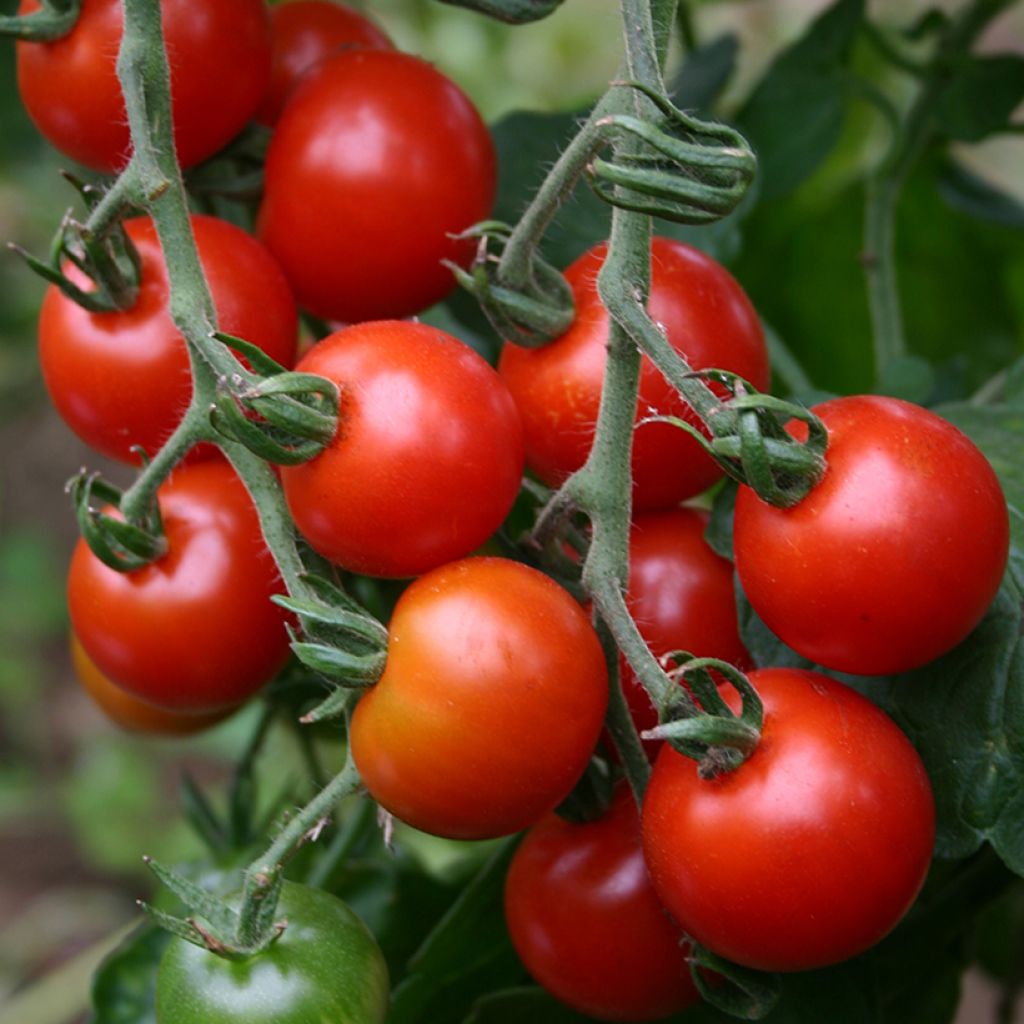
Tomato Zuckertraube - Cherry Tomato organic seeds
Tomato Zuckertraube - Cherry Tomato organic seeds
Solanum lycopersicum Zuckertraube
Cherry Tomato
Back-to-school special offer!
Get €10 off for every €50 you spend! And get up to €40 off on a single order.
How does it work?
1. Shop your favourites
Add your favourite plants to your basket. For every €50 you spend (excluding delivery charges, store credit and the plastic-free option), you’ll receive a €10 voucher.
€50 spent = €10 voucher
€100 spent = €20 voucher
€150 spent = €30 voucher
€200 spent = €40 voucher
2. Place your order
Once your basket reaches one of the spending thresholds, place your order. You can even choose your delivery date!
3. Receive your voucher
As soon as your order has been shipped, you’ll receive an email containing your personal voucher code and its value.
4. Use it on your next order
Your voucher is valid for 90 days from the date you receive it. It can be used once only, on a new order worth at least the value of the voucher, excluding delivery charges.
Please note: Vouchers can be combined with other offers, but cannot be split or refunded.
Home or relay delivery (depending on size and destination)
Important: You may be charged customs duties by your country’s customs authorities upon delivery.
Schedule delivery date
and select date in basket
This plant carries a 6 months recovery warranty
More information
We guarantee the quality of our plants for a full growing cycle, and will replace at our expense any plant that fails to recover under normal climatic and planting conditions.
Description
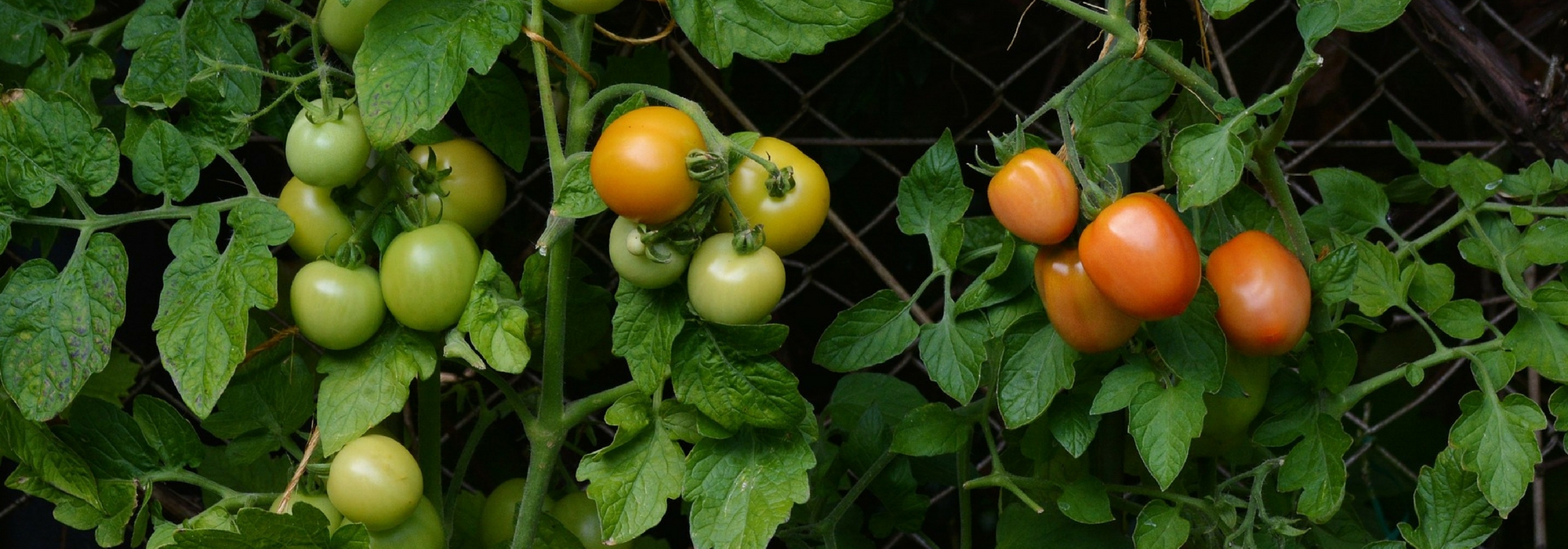
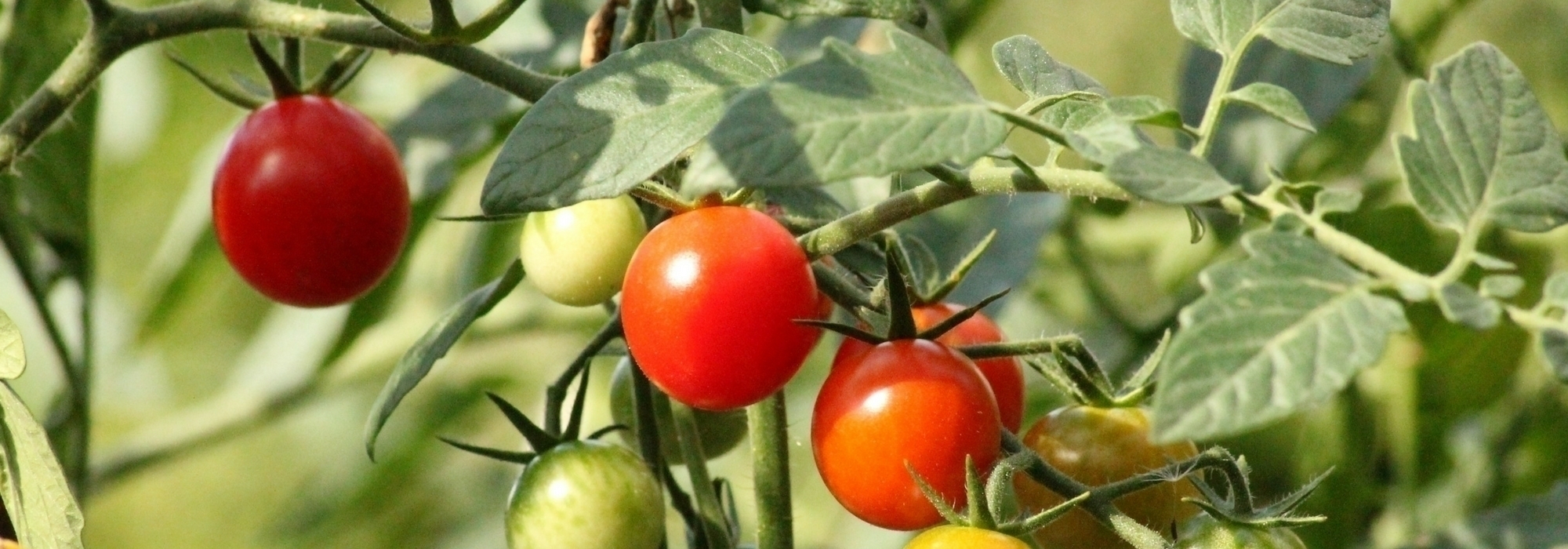
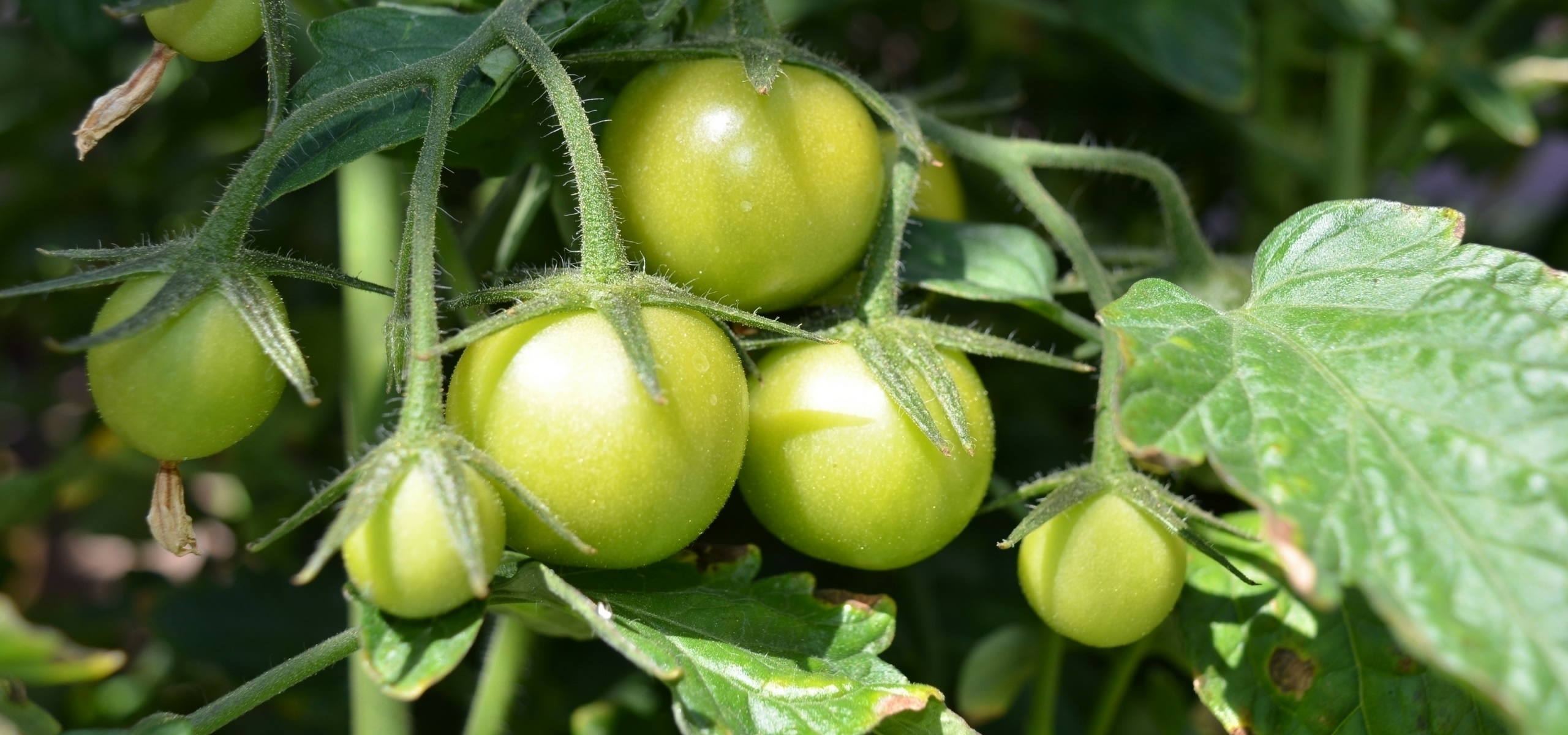
The 'Zuckertraube' Cherry Tomato is a German red cherry tomato variety that is very productive, prized for its long clusters of red fruits and its particularly sweet flavour. This variety, whose name means "sugar cluster" in German, combines the deliciousness of a cocktail tomato with the robustness sought in organic cultivation. The organic seeds of the 'Zuckertraube' tomato allow you to obtain numerous young plants, to be harvested from July to October.
This indeterminate growth variety requires staking or trellising from transplanting into open ground to support its long stems. It is an heirloom, non-hybrid variety, with reproducible seeds, which can be harvested and resown from one year to the next. However, avoid growing other tomato varieties nearby to preserve its true-to-type characteristics.
Each young plant reaches 1.80 to 2 m in height with a spread of 50 to 60 cm in open ground; in a large pot, it remains around 1.50 m tall and 40 cm wide, depending on cultivation method. This tomato produces many side shoots in the leaf axils, which can be pinched out or left according to the chosen cultivation method.
The tomato belongs to the Solanaceae family. The cultivated species is Solanum lycopersicum, it originates from the Andean region (present-day Peru) and was later domesticated in Mexico; it is now cultivated worldwide. Botanically a short-lived perennial in frost-free climates, the tomato is grown as an annual in our latitudes.
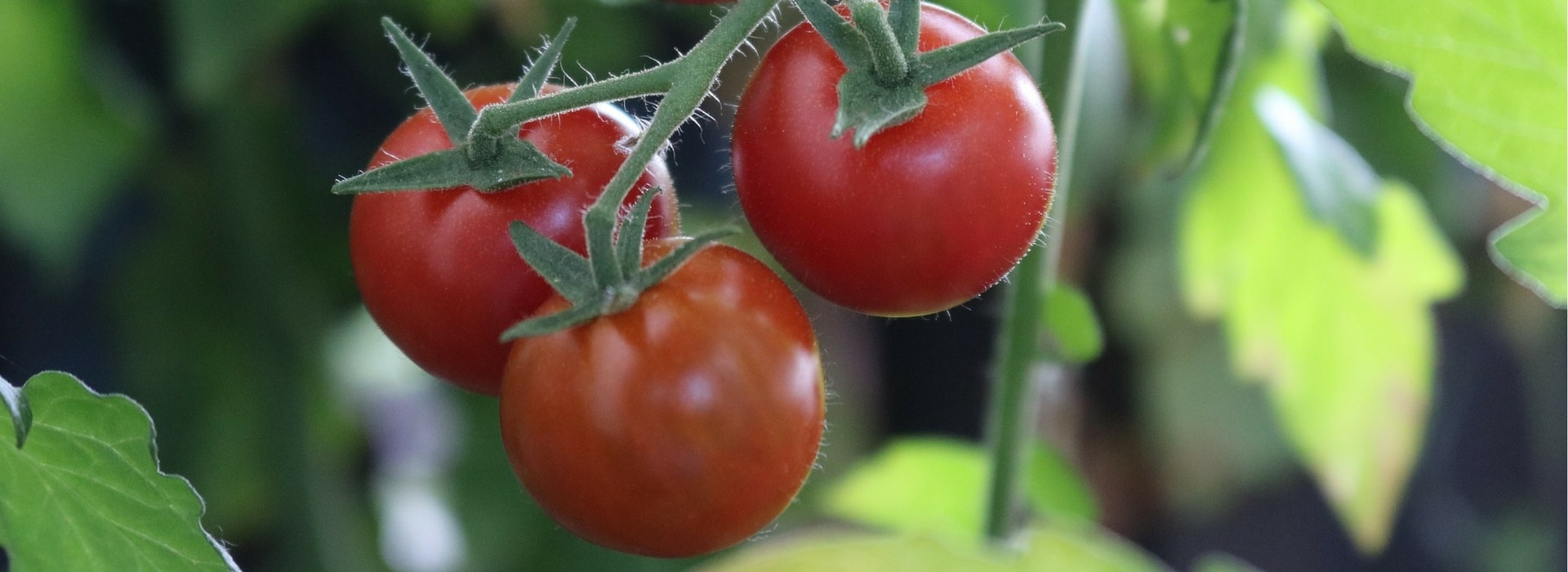
The cultivar 'Zuckertraube', resulting from a German selection distributed since the 1970s, is sometimes sold under the names "Zucker Traube" or, in French, "Grappe sucrée". It produces long clusters bearing 10 to 15 fruits, sometimes more. The fruits are spherical berries, 2 to 3 cm in diameter, weighing 15 to 25 g, a bright, shiny red at ripeness, with thin skin that is resistant to splitting. Their flesh is juicy, well-balanced, with a dominant sweetness and a marked fruity aroma; the seeds are numerous, small, and lodged in abundant pulp.
Fruiting continues all summer, with a particularly generous production in the latter part of the season, until the first frosts.
In Germany, the 'Zuckertraube' is often offered as a "cocktail" tomato for snacking, as its fruits are eaten like sweets. It must be admitted that its fruit is very pretty and pleasantly colours the vegetable garden. It also has many nutritional assets. Low in calories like most vegetables, rich in water, it contains a particularly interesting molecule: lycopene, a powerful antioxidant. The longer the tomato cooks, the more it makes available. It is also distinguished by its richness in vitamin C, pro-vitamin A, and trace elements.
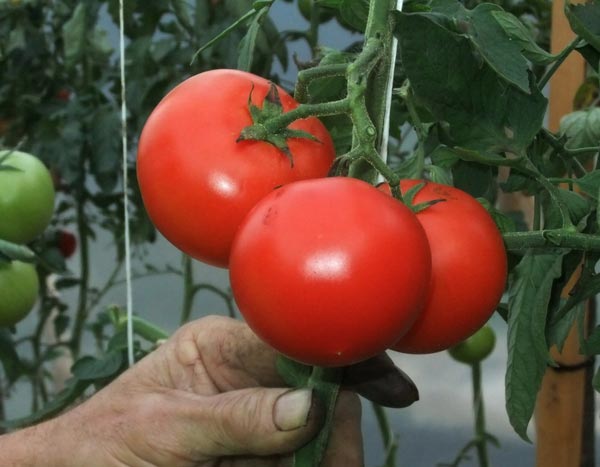
The Harvest: There is no sure trick to tell a priori that a tomato has reached its full ripeness. Picking should be done when, at a minimum, it is fully adorned with the colour it was announced with and when its texture, while remaining firm, shows a slight softening. For better storage, take care to pick the fruit with its peduncle attached.
Storage: tomatoes keep for less time if their water content is high. They keep well for a few days in the vegetable drawer of your refrigerator or spread out in the open air. To enjoy them, make tomato confit, sun-dried tomatoes, sauces, frozen fruits, preserves. We love making confit, as it's very simple and so tasty: cut your tomatoes in half, collect their juice. Position your tomato halves cut side up on a baking tray. Salt, pepper, sugar, then bake at a very low temperature for at least an hour. Remove your tomatoes and consume immediately, otherwise, store them in a glass jar and top up with olive oil.
The Gardener's Tip: Winning combinations in the garden are often the same on the plate. It's a good mnemonic device to remember that tomatoes and basil go well together. You can also surround them with French marigolds, nasturtiums, which attract many beneficial insects to the vegetable garden, or simply with salads.
The AB seeds are seeds from organic farming. They come from mother plants cultivated without pesticides or synthetic chemical fertilisers, without chemical seed treatments, in compliance with an official specification. Their traceability is controlled by independent certification bodies.

Harvest
Plant habit
Foliage
Botanical data
Solanum
lycopersicum
Zuckertraube
Solanaceae
Cherry Tomato
Solanum lycopersicum 'Zucker Traube', Solanum lycopersicum 'Grappe sucrée'
Cultivar or hybrid
Annual
Planting and care
Sowing Organic Zuckertraube Tomato:
Soil Preparation: Tomato young plants are extremely easy to grow. Sun and heat play a decisive role in the success of this crop. However, they are content with any soil, even though they prefer rich and well-draining ones. You can enrich the medium with a bit of sand if it is too compact.
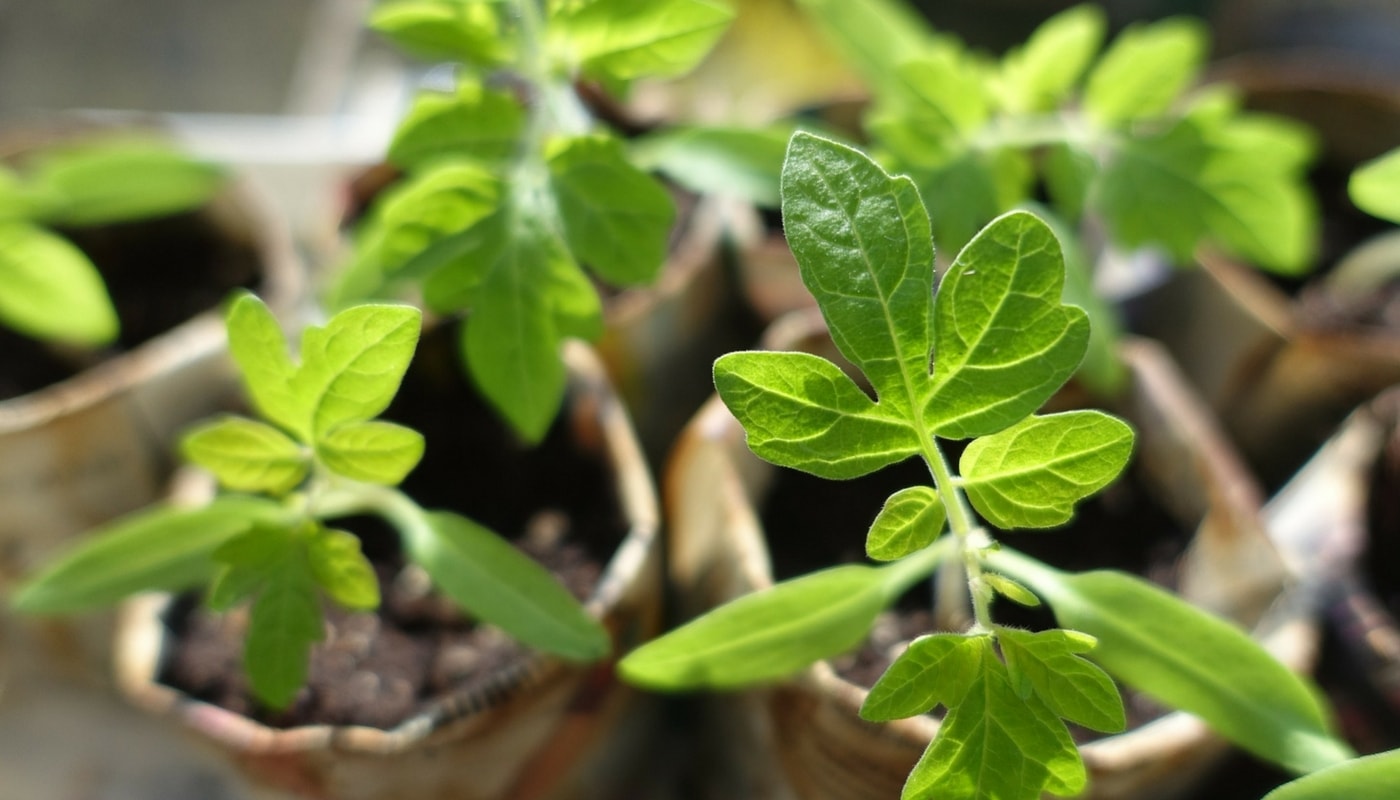
Sowing under a cold frame: From mid-February until May, carry out your sowing indoors or in heated greenhouses in trays at around 20°C. Bury the seeds under 5 to 7 mm of special sowing compost as they need darkness to germinate. Do not use compost during this first stage, as you risk burning the future roots. The growth of tomato plants is very rapid: tomato seeds germinate on average in two weeks. Do not discard a tray where germination has not occurred within this timeframe, thinking they are unrecoverable. Some varieties are slow and take their time. When the young plants have reached a good fifteen cm, consider transplanting.
Transplanting into open ground: Once frosts are no longer a concern, generally after the Ice Saints in mid-May, transplant your various young plants into open ground. Choose the sunniest and warmest spots in the garden. At the foot of a south-facing wall is an ideal position. Loosen the soil then dig a hole at least 3 to 4 times the volume of your young plant's root system. Amend the bottom with a bit of well-rotted compost. Place your young plant, which can be buried up to the first leaves, then backfill. Firm down, form a basin around the base, then water copiously. Be careful not to wet the leaves to protect your young plants from fungal diseases.
Maintenance: Installing a mulch at the base of your young plants helps retain some moisture and avoids the need for weeding. Tomato young plants do not need much watering; their root system draws deeply to find available resources. Only water copiously in case of prolonged drought.
Seedlings
Care
Intended location
Planting & care advice
-
-
-
-
-
-
-
-
This item has not been reviewed yet - be the first to leave a review about it.
Recently viewed products
Haven't found what you were looking for?
Hardiness is the lowest winter temperature a plant can endure without suffering serious damage or even dying. However, hardiness is affected by location (a sheltered area, such as a patio), protection (winter cover) and soil type (hardiness is improved by well-drained soil).

The flowering period indicated on our website applies to countries and regions located in USDA zone 8 (France, the United Kingdom, Ireland, the Netherlands, etc.)
It will vary according to where you live:- In zones 9 to 10 (Italy, Spain, Greece, etc.), flowering will occur about 2 to 4 weeks earlier.
- In zones 6 to 7 (Germany, Poland, Slovenia, and lower mountainous regions), flowering will be delayed by 2 to 3 weeks.
- In zone 5 (Central Europe, Scandinavia), blooming will be delayed by 3 to 5 weeks.
In temperate climates, pruning of spring-flowering shrubs (forsythia, spireas, etc.) should be done just after flowering.
Pruning of summer-flowering shrubs (Indian Lilac, Perovskia, etc.) can be done in winter or spring.
In cold regions as well as with frost-sensitive plants, avoid pruning too early when severe frosts may still occur.
The planting period indicated on our website applies to countries and regions located in USDA zone 8 (France, United Kingdom, Ireland, Netherlands).
It will vary according to where you live:
- In Mediterranean zones (Marseille, Madrid, Milan, etc.), autumn and winter are the best planting periods.
- In continental zones (Strasbourg, Munich, Vienna, etc.), delay planting by 2 to 3 weeks in spring and bring it forward by 2 to 4 weeks in autumn.
- In mountainous regions (the Alps, Pyrenees, Carpathians, etc.), it is best to plant in late spring (May-June) or late summer (August-September).
The harvesting period indicated on our website applies to countries and regions in USDA zone 8 (France, England, Ireland, the Netherlands).
In colder areas (Scandinavia, Poland, Austria...) fruit and vegetable harvests are likely to be delayed by 3-4 weeks.
In warmer areas (Italy, Spain, Greece, etc.), harvesting will probably take place earlier, depending on weather conditions.
The sowing periods indicated on our website apply to countries and regions within USDA Zone 8 (France, UK, Ireland, Netherlands).
In colder areas (Scandinavia, Poland, Austria...), delay any outdoor sowing by 3-4 weeks, or sow under glass.
In warmer climes (Italy, Spain, Greece, etc.), bring outdoor sowing forward by a few weeks.
Shipping country and language
Your country of residence may be:
Your country of residence is:
For a better user experience on our website, you can select:
Your shipping country:
-
 Austria
-
 Belgium
-
 Bosnia & Herzegovina
-
 Bulgaria
-
 Croatia
-
 Cyprus
-
 Czechia
-
 Denmark
-
 Estonia
-
 Finland
-
 France
-
 Germany
-
 Greece
-
 Hungary
-
 Iceland
-
 Ireland
-
 Italy
Italy
-
 Latvia
-
 Liechtenstein
-
 Lithuania
-
 Luxembourg
-
 Malta
Malta
-
 Netherlands
-
 Poland
-
 Portugal
-
 Romania
-
 Serbia
-
 Slovakia
-
 Slovenia
-
 Spain
Spain
-
 Sweden
-
 Switzerland
Language:
-
French
-
 English
-
Spanish
-
Italian
-
German
-
Portuguese
-
Dutch
-
Finnish
My Account
Hello
My wish lists
My cart
Log in / Register
Existing customer?
This form is protected by reCAPTCHA - the Google Privacy Policy and Terms of Service apply.
New customer?
Create an account to track your orders, access our customer service and, if you wish, make the most of our upcoming offers.