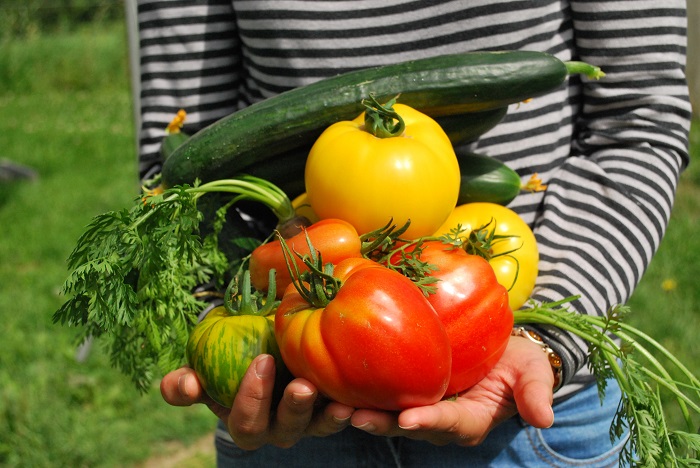
For days I’ve been tingling with impatience. Days are lengthening, leaving winter darkness behind: I can almost smell tomato season! In less than a month we’ll start the first sowings. It’s therefore urgent to stock up on seeds. But the excitement is tinged with a little disappointment: vegetable-garden space isn’t unlimited, so you’ll have to choose among countless varieties, each more tempting than the last. If you find yourself undecided too, here are some criteria to help you make the best choice:
1) Size, taste and colour of tomatoes
Tomato is polymorphous: flattened, spherical, heart-shaped, pear-shaped or horn-shaped... You’ll find every shape and size, from tiny cherry tomatoes to the huge "Beefsteak". As for colour, it’s almost a rainbow: red, of course, but also nearly black or almost white, green until ripe and even blue! On the palate, flavours range from tart to mildly sweet.
But are there better tomatoes? That’s so subjective it’s hard to answer. One tip: grow diversity (wonderful in salads) and test and note which varieties suit your taste best.
2) Earliness of the variety
This criterion is important to harvest over a long period. Very early tomatoes can be picked 55 days after transplanting, while late varieties may take over 85 days. Combining at least three – ideally six, or even twelve – varieties with staggered maturity will ensure picking from early summer to early autumn.
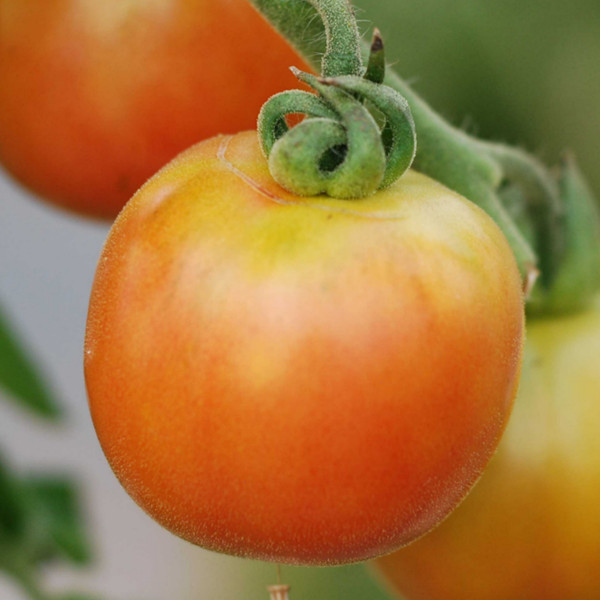
Among early varieties, you will find, for example:
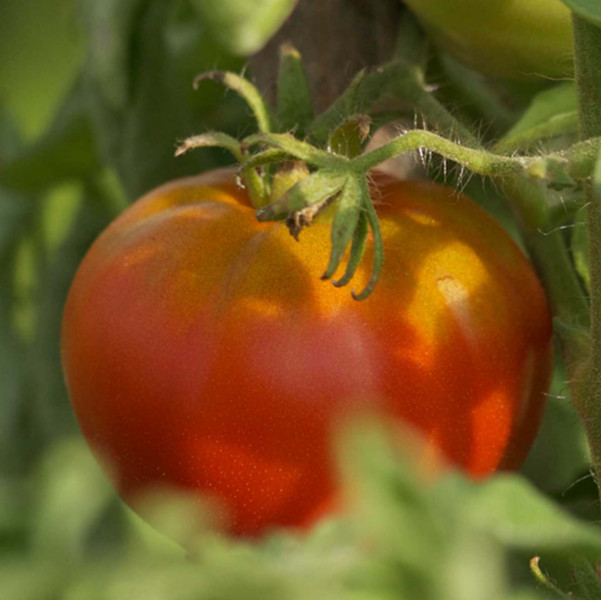
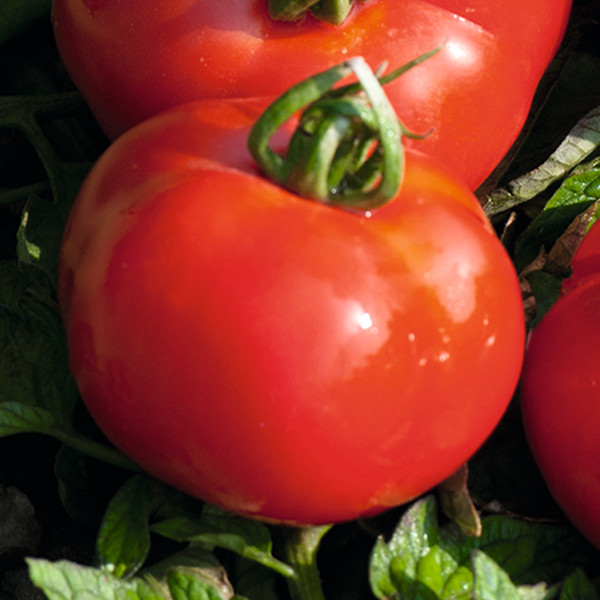
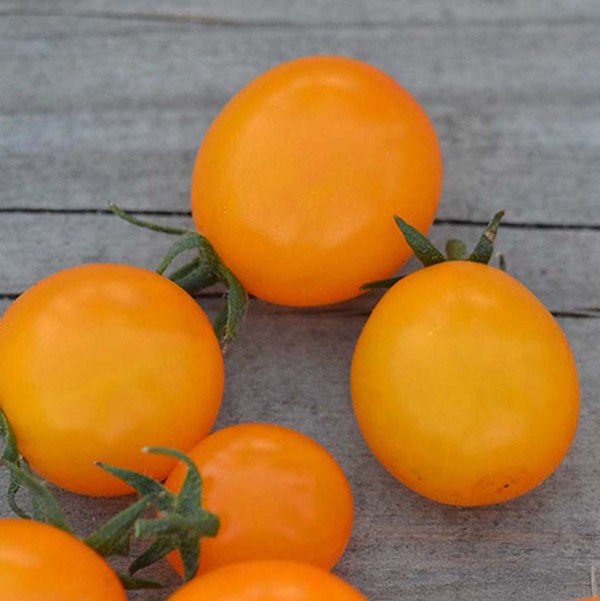
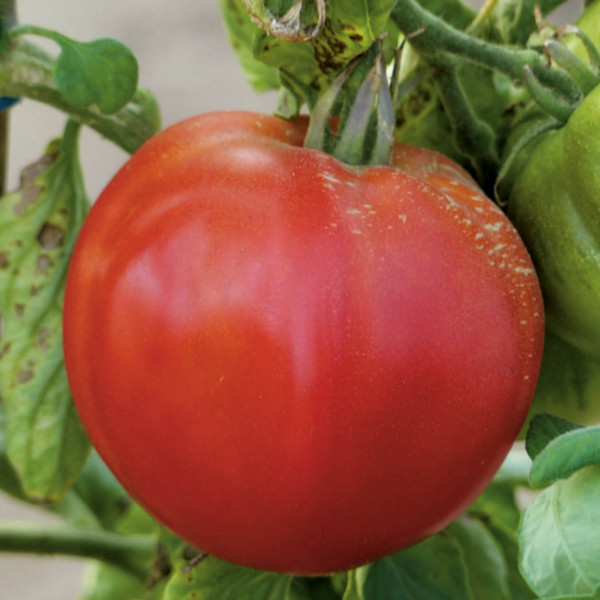
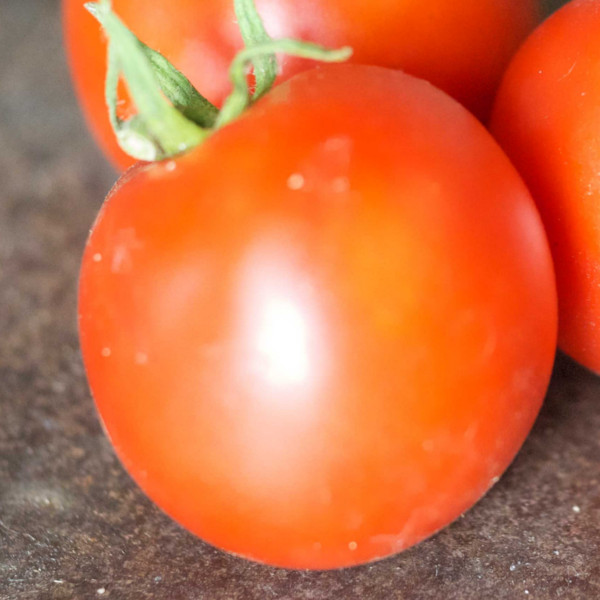
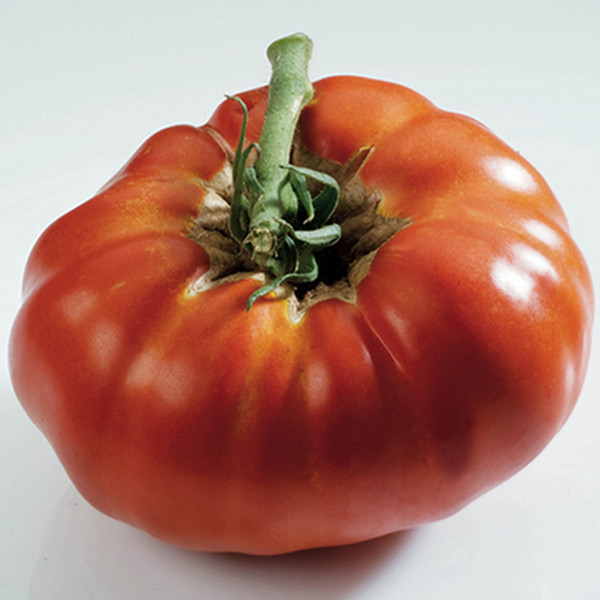
For main-season cropping:
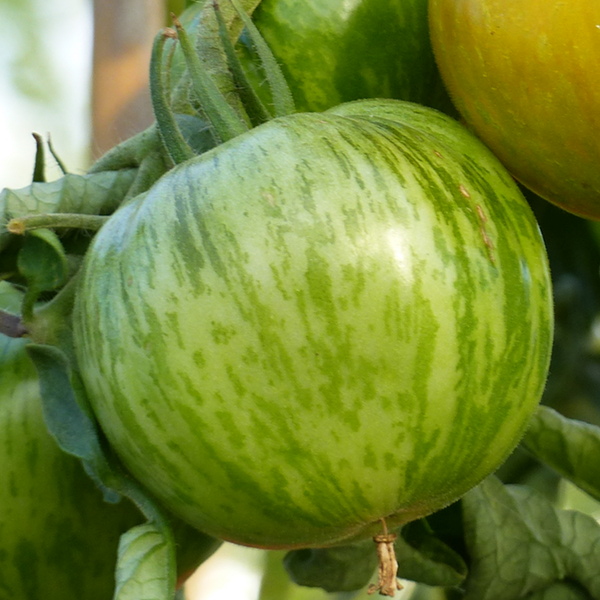
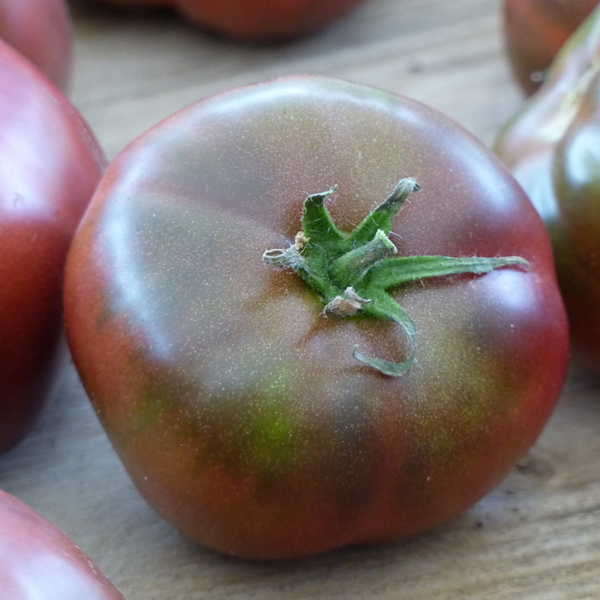
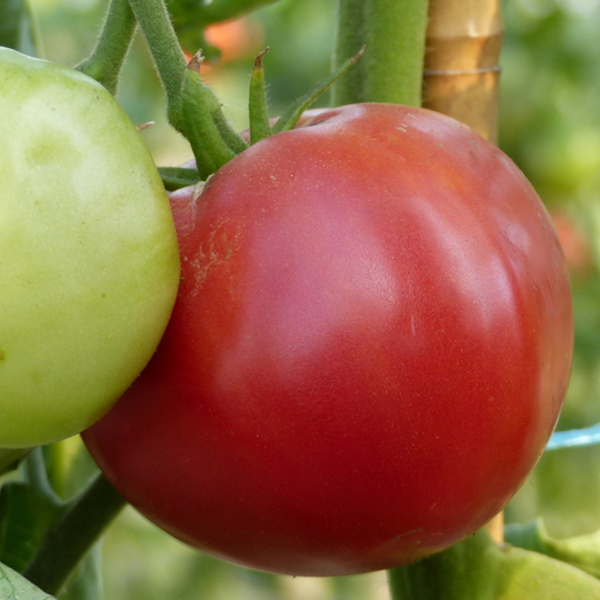
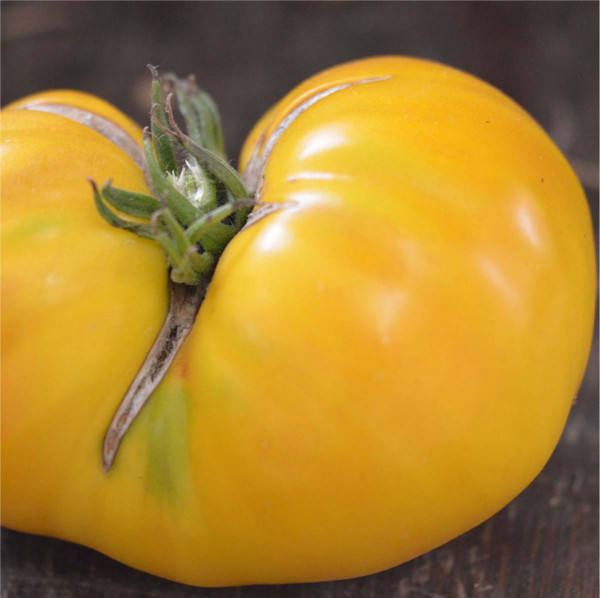
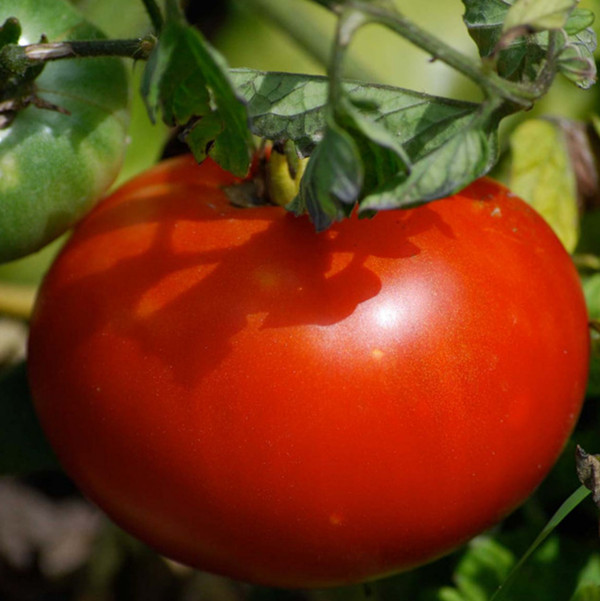
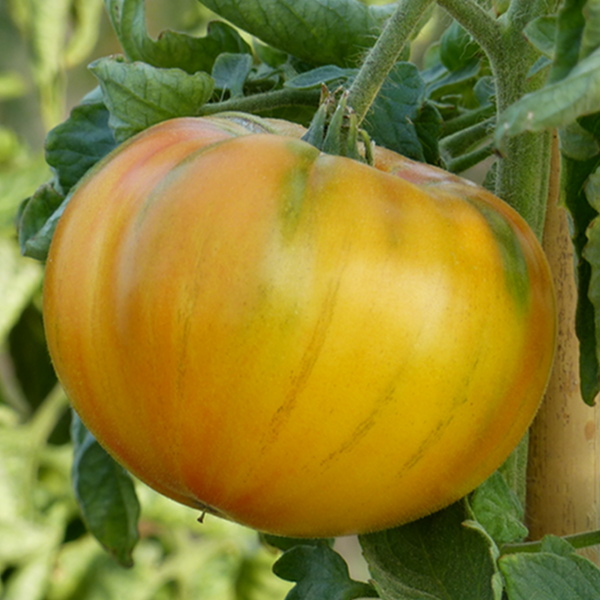
And among the late varieties, which take their time (until early October here last year!):
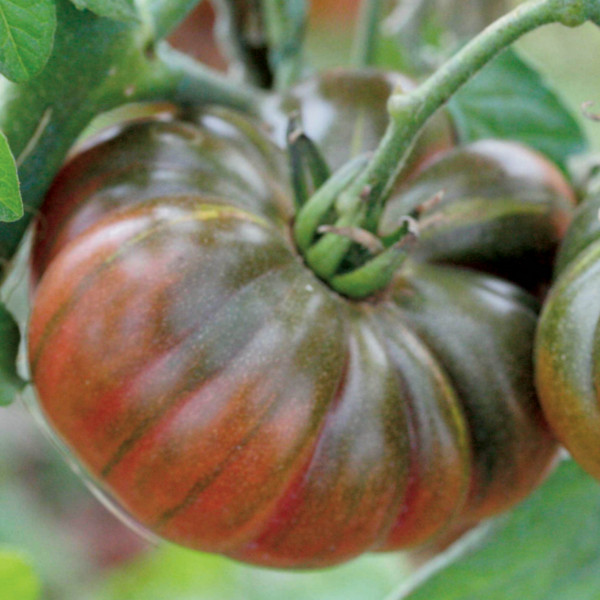
3) Climate and growing method: under cover or outdoors
Tomato needs sun and heat. That can be problematic in regions with short, often rainy summers, so it’s sensible to include in your selection some tomatoes that set fruit despite cool conditions, such as Moneymaker and Siberian.
Moreover, tomato susceptibility to late blight is well known. And it’s never pleasant to treat vegetables, even with organic products. If you grow tomatoes outdoors and without protection, especially in a rainy area, opt for F1 hybrid varieties, like Previa F1; they are reliable and more resistant than most varieties. Purchasing grafted plants is also a good option: they yield abundantly and often cope admirably with diseases and adverse weather.
4) Culinary use of the fruits
Size, firmness of flesh and presence or absence of seeds are matters of taste but also of culinary use. For aperitifs and salt-sprinkled snacks, cherry or cocktail tomatoes are perfect. In salads you’ll enjoy the flavour of Rose de Berne, and for stuffing, Australian Yellow Stuffer and German Striped Stuffer are remarkable. For purées and sauces, Chile Verde is ideal.
Here, under cover, we always have success with a few reliable varieties such as classic Saint Pierre, the attractive Tigerella, flavourful Brandywine, together with some small tomatoes for snacking. We also grow several colourful varieties: Ananas, Noire de Crimée and Green Zebra. On the other hand, we gave up Cornue des Andes: it usually does well but, in our acidic soil and with irregular watering, it develops blossom end rot. This year we’ll probably try Burpee Delicious (said to hold record for largest tomato: 3.1 kg), the much-sought Osu blue and Costoluto Genovese.
And you, which will you choose?
If you’re still undecided, trust us — Pierre has put together some useful assortments of 5, 6 or 8 plants: heirloom and collector, colourful, snacking, organic, grafted... and don’t forget French marigolds (Tagetes) to keep them company!
Further reading:
- “My tomatoes are delicious!” by Blaise Leclerc, Terre Vivante Editions
- Tomodori, a site about heirloom tomato varieties
- F1 tomatoes: what are they really?


































Comments