





























How to successfully grow epiphytic plants?
Indoors or outdoors in summer
Contents
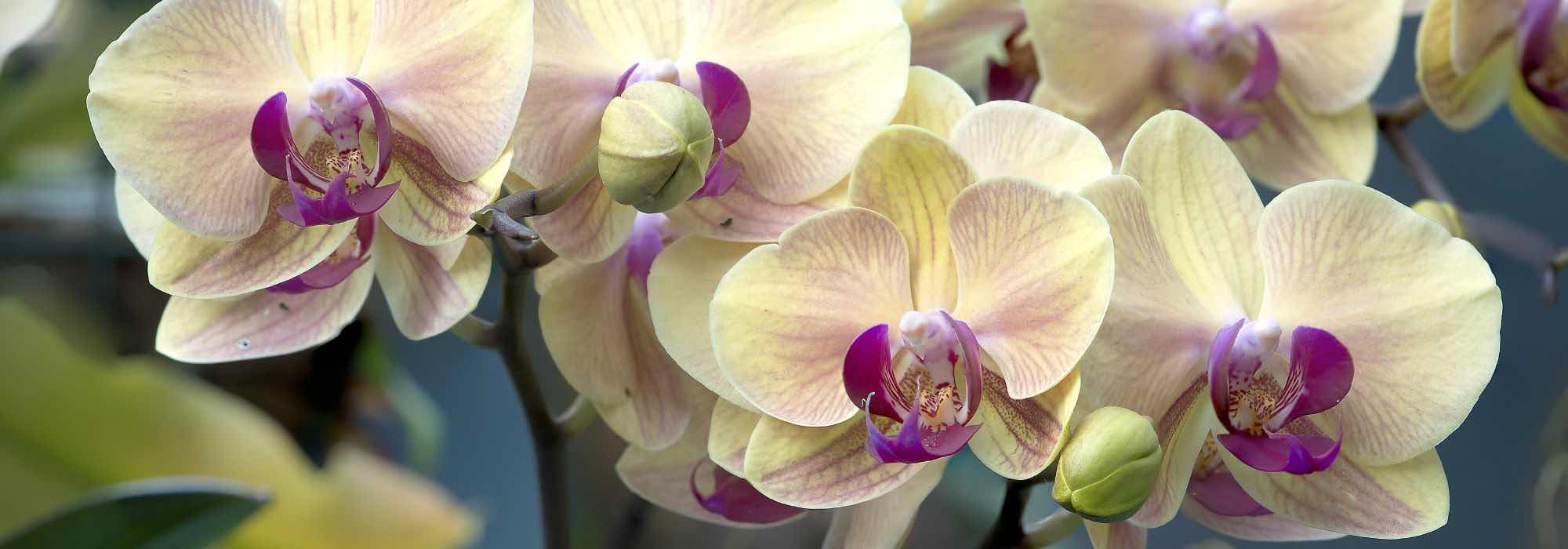
Epiphytic plants, often called “air plants”, possess the remarkable ability to grow on other plants, rocks or similar structures, without being parasitic. They mainly derive moisture from the air and particles in their surroundings, which sets them apart from typical terrestrial plants. Among the best-known examples are some orchids, bromeliads and mosses, which spark particular fascination among plant enthusiasts due to their ornamental qualities and their unique lifestyle.
Growing epiphytic plants indoors or in a garden during the growing season can be a rewarding and aesthetically pleasing experience. However, for these plants to thrive, it is essential to understand and reproduce, as far as possible, their natural environment. This guide aims to detail the specific needs of epiphytes, exploring the best care practices, from selecting the placement to the watering specifics, including light and temperature management.
Note: aside from terrestrial garden orchids, these are epiphytic species that, in some cases, grow in the ground in our climate.

Understanding the natural habitat of epiphytes
Originating mainly from tropical and subtropical regions, epiphytes grow in an environment where competition for light and resources is intense. Many attach themselves to tree branches or rocks, often at impressive heights.
Epiphytes adapt to these conditions by developing reduced root systems that are not used for absorbing nutrients from the soil, but rather to anchor the plant to its host. They capture moisture and the nutrients necessary for their growth directly from the air, thanks to their leaves. This ability to derive sustenance from the air and the organic debris accumulating around their bases sets them apart from other plants.
These unique adaptations allow epiphytes to thrive in environments where few other plants can survive. To grow them successfully, it is imperative to recreate similar conditions, taking into account key aspects such as moisture, indirect light and air circulation. Understanding and respecting these natural needs is the first step towards successful cultivation of epiphytes.
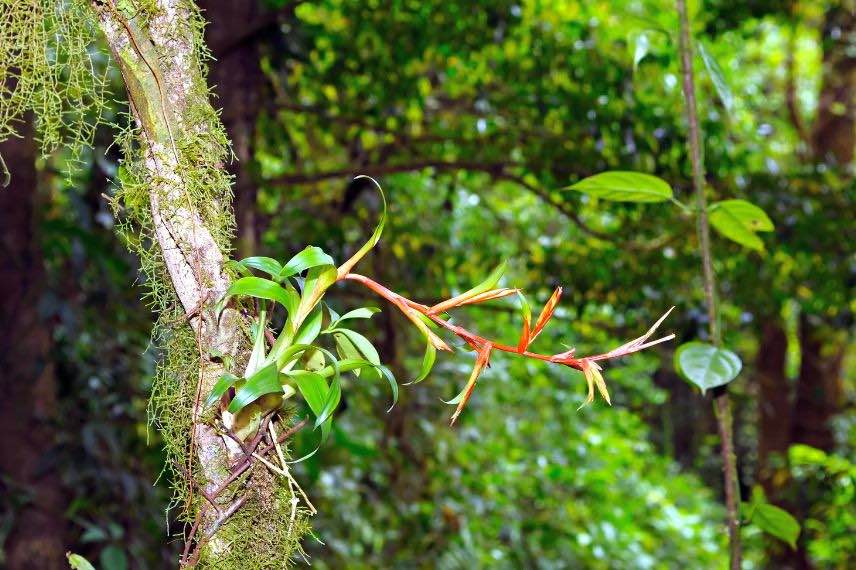
A bromeliad in its natural tropical habitat
Choosing the right location for epiphytes
The placement should, as far as possible, mimic the epiphytes’ natural environment to allow them to thrive.
Indoor
Epiphytes prefer bright spots, but sheltered from direct sunlight. Proximity to east- or north-facing windows is ideal, offering soft, diffuse light that mimics the light filtered through the canopies in their natural habitat, without exposing the plant to the burning noonday sun. Otherwise, the use of light-filtering curtains or grow lights can be an effective alternative.
In addition to light, air circulation is also important, with good ventilation, without cold draughts. For example, avoid confined spaces or proximity to direct heat sources such as radiators, which is important to maintain a stable, well-ventilated environment.
Outdoor
In temperate climates, only during the warm season, placement under an overhang or a pergola can provide the necessary shade, such as when hung from the trunks of trees. It is important to provide protection against strong winds and excessive rainfall that can damage the plants.
Suitable substrate and support for epiphytes
Epiphytes do not grow in traditional soil, so it is important to select materials that provide good drainage while retaining enough moisture to mimic their natural medium.
The substrates recommended for epiphytes often include pine bark, coconut fibre, charcoal, and special orchid mixes which provide an airy structure and prevent excessive water retention. These materials allow water to flow freely while maintaining the necessary moisture around the roots.
Regarding supports, epiphytes can be fixed to blocks of wood, branches, cork boards or even suspended in nets. These supports should not only provide a stable base for the plant, but also allow good air circulation. It is important to ensure that the chosen support does not retain water, to prevent root rot.
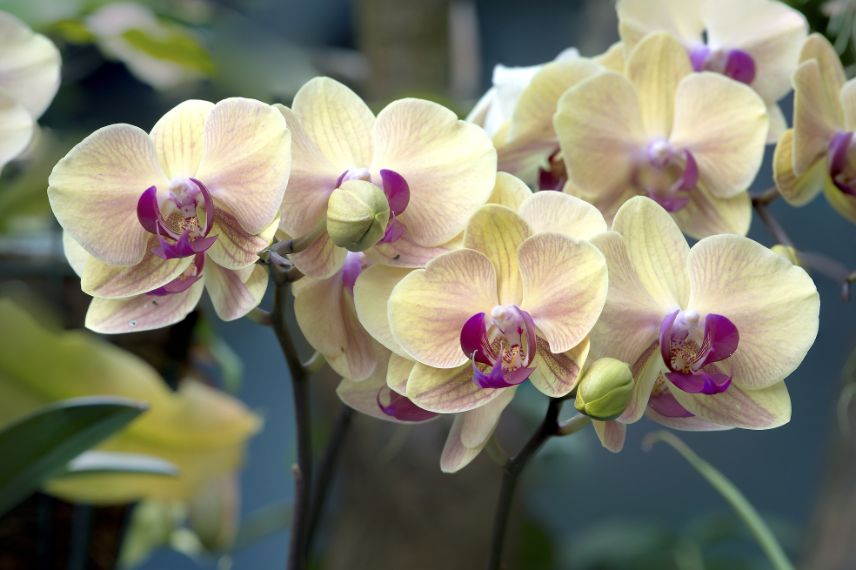
The choice of substrate and support should be tailored to each type of epiphyte, as some species may have slightly different needs in terms of ventilation and humidity. For example, in the case of Phalaenopsis apartment orchids, the specific substrate is still placed in a pot with holes.
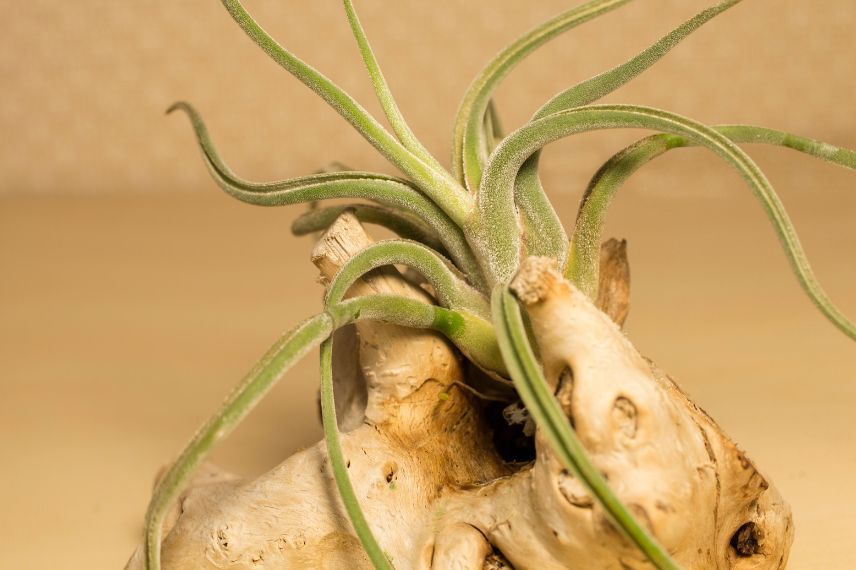
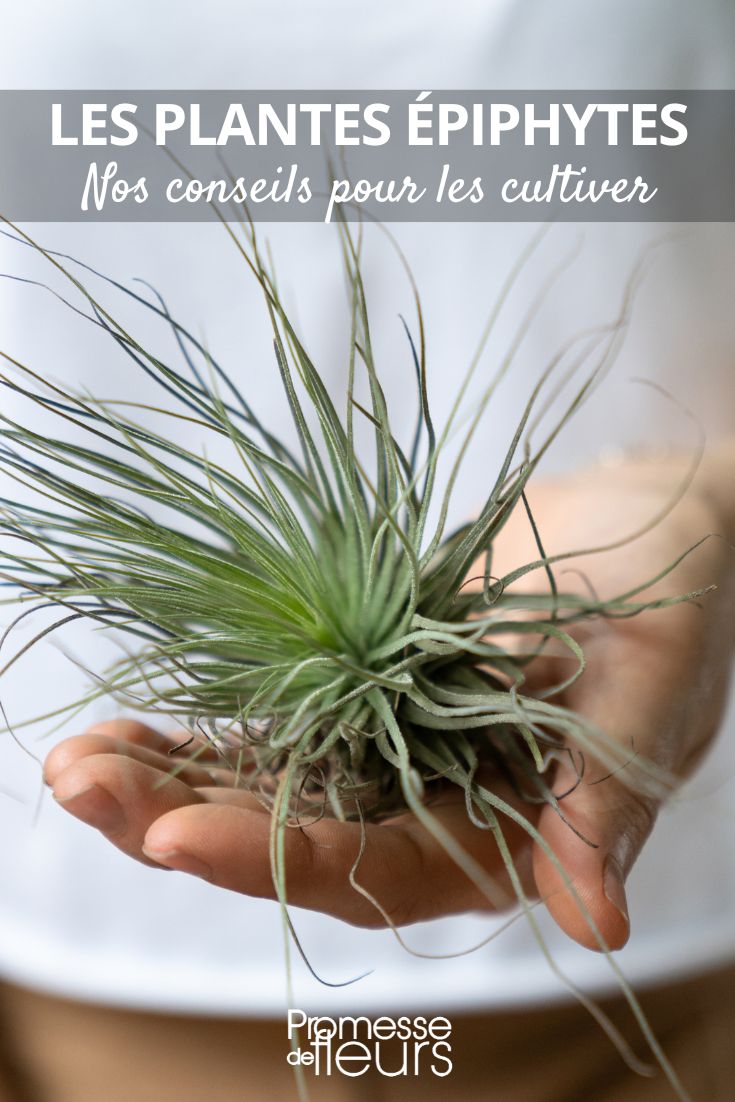
For Tillandsias: no substrate required, just a support to place them on or a net to suspend them
Water needs and humidity
Fertilisation and ongoing care
Although these plants draw much of their nutrients from the natural environment, adequate fertilisation can improve their vigour and encourage more abundant flowering.
Epiphytes require less fertilisation than terrestrial plants due to their unique mode of nutrition. Using a balanced fertiliser, diluted to a quarter of the concentration recommended for ordinary plants, can provide essential nutrients without the risk of over-fertilisation, which could damage sensitive roots and leaves. It is preferable to apply this diluted fertiliser once a month during the growing season, preferably during watering to facilitate uptake.
It is also important to consider the type of fertiliser. Epiphytes benefit from formulations containing balanced levels of nitrogen, phosphorus and potassium, as well as micronutrients such as magnesium and calcium, which are crucial to plant growth. Some gardeners prefer organic fertilisers, such as compost tea or seaweed extracts, which are less likely to cause an accumulation of harmful salts.
Detection and treatment of common problems
Epiphytes can sometimes be prone to specific problems caused by their unique growth environment. Symptoms such as leaf yellowing, wilting, and foliar spots may indicate various deficiencies or unsuitable environmental conditions. Leaf yellowing can often be a sign of insufficient watering or excessive exposure to direct sunlight.
Fungal diseases are also common in epiphytes, especially if air circulation is inadequate or if leaves stay wet for too long. Remove the infected parts of the plant and use appropriate fungicides. It is preferable to choose environmentally friendly fungicides or copper-based ones, which are less harmful to plants and to surrounding pollinators.
Parasite infestations such as scale insects, red spider mites and aphids can also weaken epiphytes. Regular cleaning of the leaves with a damp cloth or a light spray can prevent many problems. In case of infestation, natural insecticides such as neem oil or black soap can be used effectively without harming the plant.
Encourage the flourishing of epiphytes
A key technique for encouraging flowering in epiphytes is to increase the difference between day and night temperatures, as this mimics the temperature fluctuations of their natural habitat and stimulates flowering in some species, such as orchids. It is also essential to maintain adequate humidity and provide balanced nutrition during periods of active growth to support the development of flower buds.
Regular pruning of the old or dead parts of the plant can help promote more vigorous growth and more abundant flowering. This practice not only helps maintain the plant’s aesthetic appearance, but it also helps prevent diseases by improving air circulation around the plant.
Finally, regular observation and adjustments of care in response to changing environmental conditions play a crucial role. For example, adjusting the plant’s location to optimise light during the darkest months, or increasing the frequency of watering during periods of intense heat, can make a big difference to the plant’s overall health.
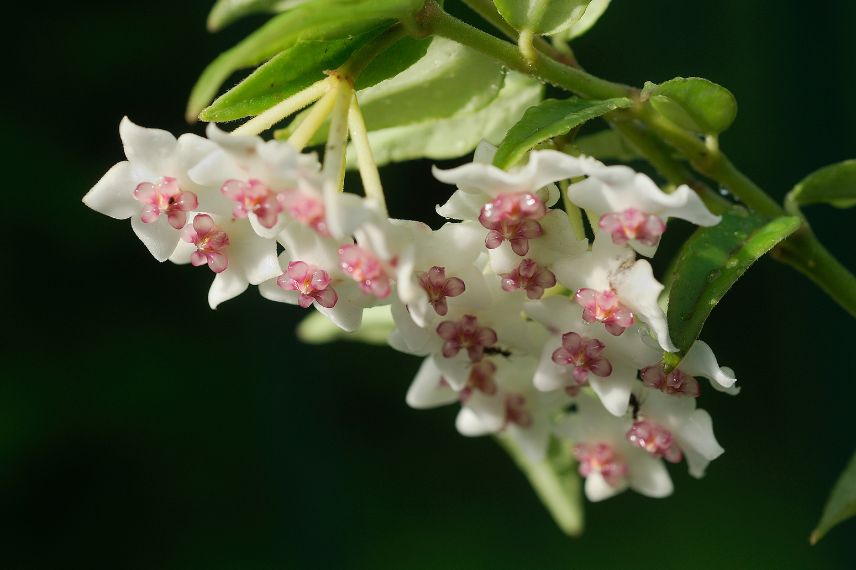
Hoyas, here Hoya bella, appreciate day-night temperature differences to increase their flowering
- Subscribe!
- Contents
Comments