





























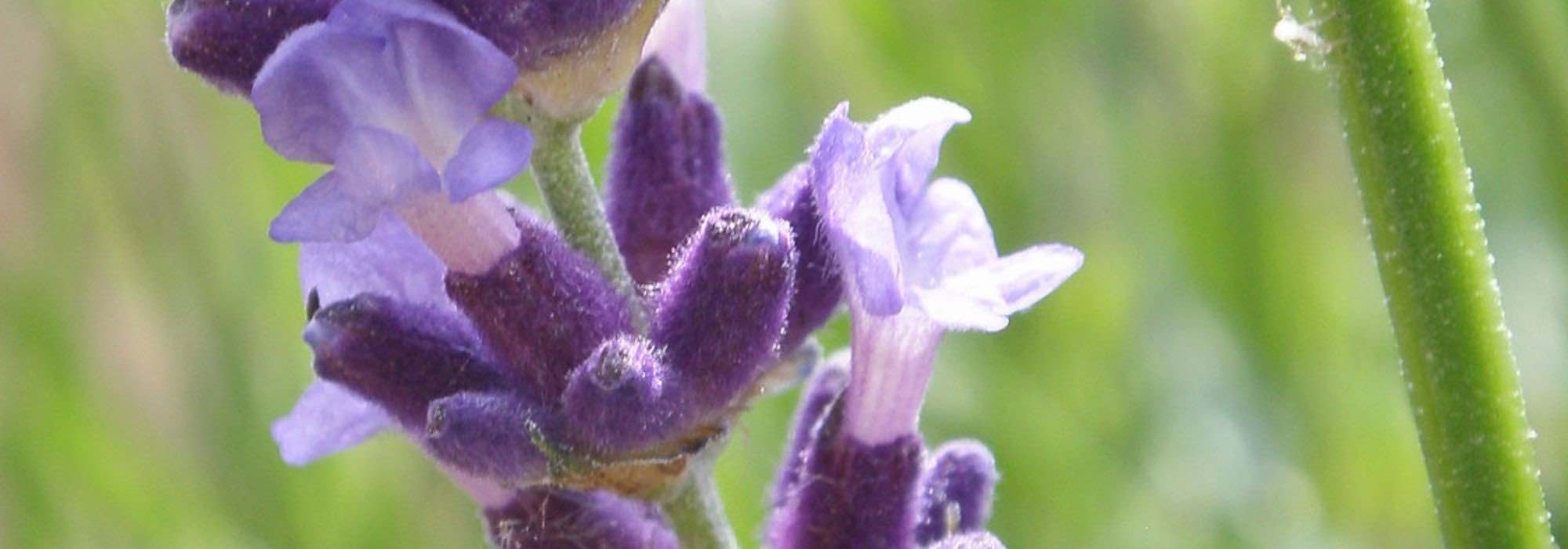
Lavender: the most beautiful varieties with purple flowers
Choose your favourites from the purple-flowered Lavenders
Contents
Iconic plant of the Mediterranean, Lavender comes in multiple varieties. The most well-known and numerous are blue or purple or blue-purple! Discover our favourite varieties among the purple-flowered Lavenders. All Lavenders require sunlight and well-drained soil to thrive. However, some are more resistant to the cold, damp winters of northern Loire in France. With varying habits, sizes, and shades of colour, choose the one that appeals to you the most based on your criteria.

Lavandula angustifolia 'Hidcote'
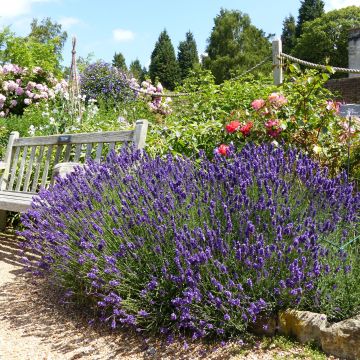
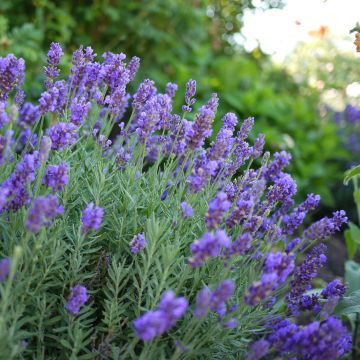
Let’s start with a safe bet: the essential Lavandula angustifolia ‘Hidcote’. Why this reputation? ‘Hidcote’ has proven itself because it withstands winter humidity quite well (in well-drained soil), because it maintains a compact habit as it grows, and because the colour of its flowering is intense. Its dark blue-violet spikes vibrate all summer in the garden. Sturdy and upright, it reaches 60 cm at ripeness in all directions. Its silver-green leaves are fairly broad and highly aromatic. Its powerfully coloured flowers are very fragrant, attracting both the eye and pollinators.
Take advantage of its compact habit to plant it at the edge, alongside Mediterranean plants such as Cistus, certain Euphorbias, and Bush Sage. Also consider Artemisias, Nepetas, and Ceratostigma.
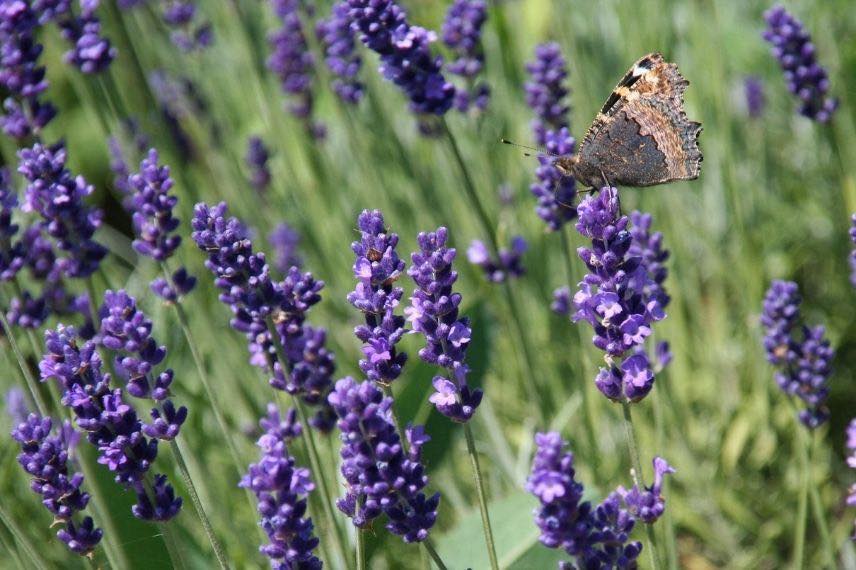
Lavandula ‘Hidcote’, also appreciated by butterflies
Read also
Lavender: planting, growing, pruningLavandula angustifolia 'Essence Purple'
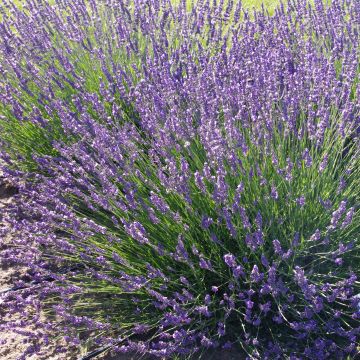
‘Essence Purple’… What can we expect from this evocative name? A long-lasting flowering, rich in colour and a powerful, yet remarkably fine fragrance. A beautiful programme! Dense and rounded habit, measuring 50 cm in all directions, Lavender ‘Essence Purple’ is adorned throughout the summer with a multitude of blue-purple flowers from June to August. It features light green foliage, which is also highly fragrant.
Its naturally compact habit allows it to be planted in hard-to-reach areas of the garden, creating lovely hedges or neat borders. It also makes a beautiful lavender in a pot. Plant it alongside modest-sized blonde grasses like Stipas, which shine, like it, in the sun. Consider Crown Vetch, a legume with characteristic flowers in shades of pink, and the beautiful Evening Primroses.
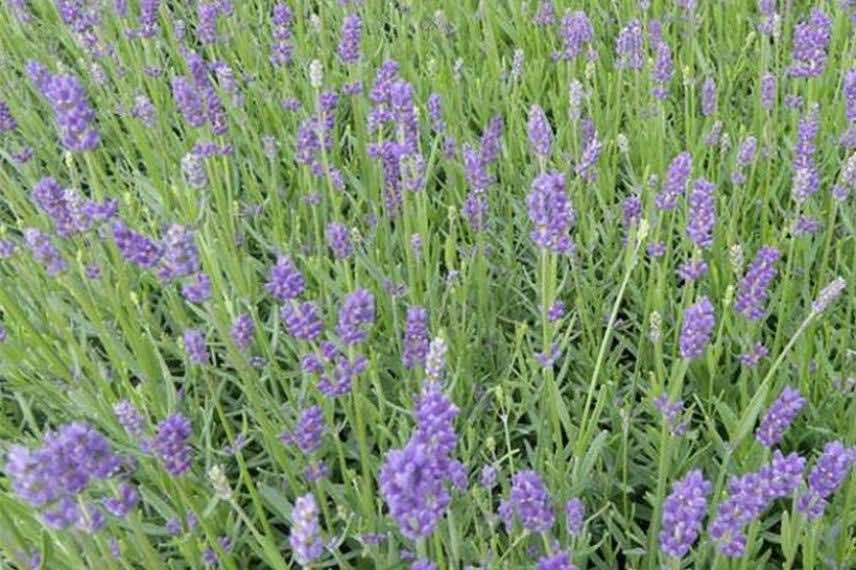
Lavandula angustifolia ‘Essence Purple’
Discover other Lavendula - Lavender
View all →
Available in 2 sizes
Available in 6 sizes
Available in 4 sizes
Available in 2 sizes
Available in 2 sizes
Available in 0 sizes
Available in 0 sizes
Available in 3 sizes
Available in 3 sizes
Available in 3 sizes
Lavandula stoechas 'Magical Posy purple'
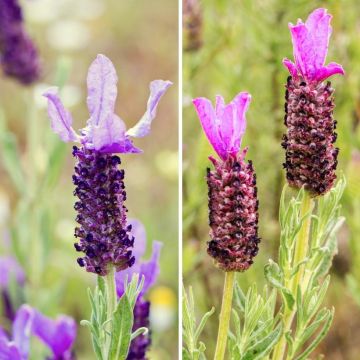
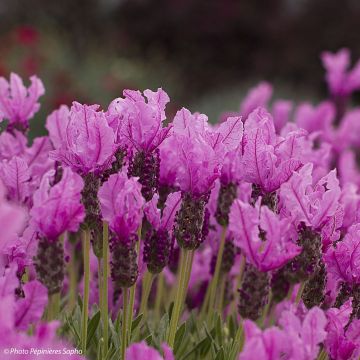
The Lavandula stoechas ‘Magical Posy purple’ is a variety of Butterfly Lavender, characterised by its dense spikes of tiny purple flowers, topped with violet petaloid bracts. It is these bracts that charmingly resemble butterfly wings. Butterfly Lavenders, unlike other Lavenders, thrive in acidic soil and are frost-sensitive: this one is classified in USDA zone 9a and can withstand brief frosts down to -10° C. It forms a compact bush of 50 cm in all directions. It flowers remarkably long, from May to September.
Butterfly Lavender can sometimes be tricky to cultivate; winter moisture combined with significant frost or humidity paired with heat can encourage fungal development. This variety addresses the latter issue, being more resistant to humid heat.
Plant it, for example, in a pot on the terrace or balcony. If your region experiences winter frosts stronger than this lavender can tolerate, or if your soil is alkaline, you can still enjoy this lovely poetic plant with butterfly bracts.
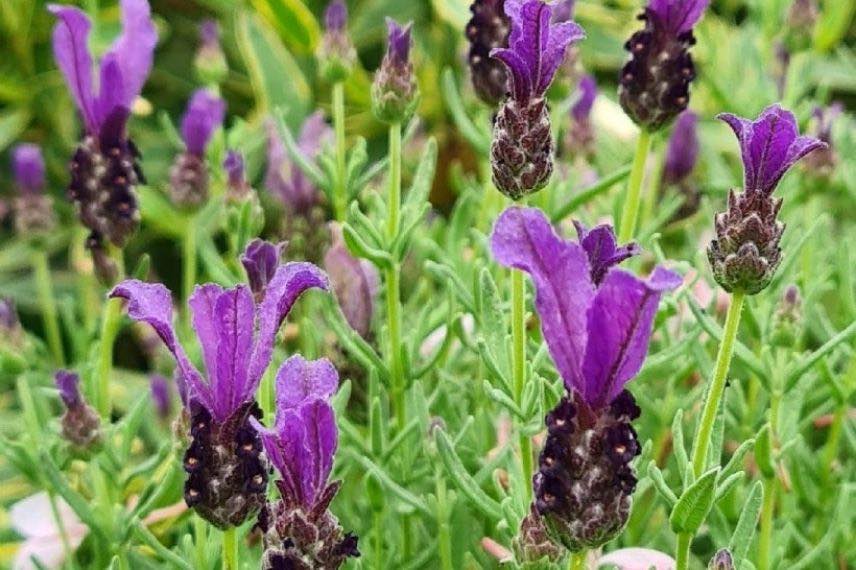
Lavandula stoechas ‘Magical Posy purple’
Read also
Lavenders: the safe betsLavandula angustifolia 'Siesta'
In a dense and regular cushion of 50 cm in all directions, Lavender ‘Siesta’ produces stems 80 cm tall, topped with short spikes of deep blue-violet flowers. It belongs to the large lavenders in the category of dark flowers. Its aromatic foliage is silvery grey, well-lit. With an upright habit, on a rounded bushy tuft, it is covered in June and July with well-scented flowers.
Plant this large Lavender ‘Siesta’ in a border alongside a Hesperaloe parvifolia ‘Rose des Sables’, an exotic plant from the agave family, with red flowering. Add some grasses for their natural look and flexibility. Also plant a red or salmon Shrubby Sage and a few Gaillardias, in red and yellow, which are slightly shorter.
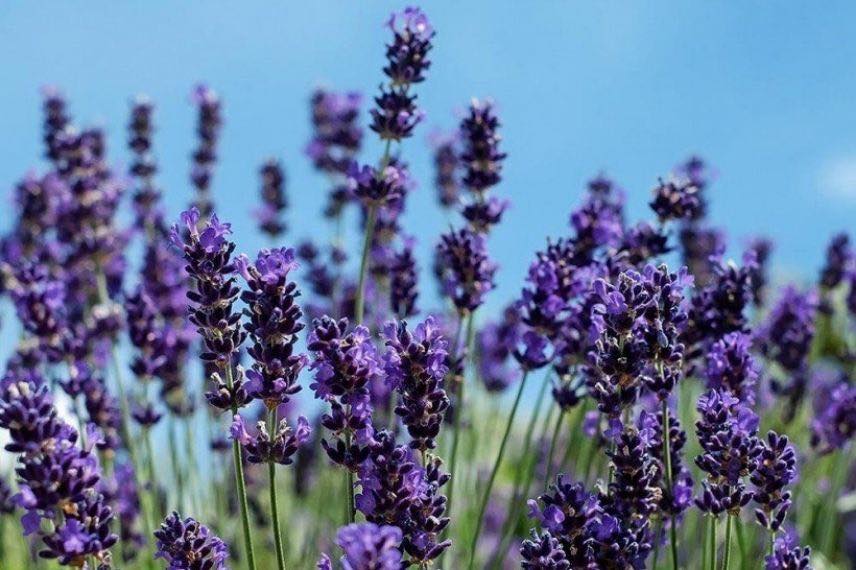
Lavandula angustifolia ‘Siesta’
Lavandula intermedia 'Phenomenal (Niko)'
Notice to those north of the Loire… the Lavandula (x) intermedia ‘Phenomenal (Niko)’ is a hybrid Lavandin variety selected for its resistance to cold, damp conditions. Quite hardy, this purple Lavender is suited to cold, wet soils in winter, provided it is always planted in well-drained soil. With a compact habit, it reaches 70 cm in all directions at maturity, and 50 cm for the foliage. It maintains a dense clump without becoming sparse as it ages. It produces a long and continuous flowering from July to September with bright blue-violet spikes, highly fragrant. Its fairly broad, rounded foliage is grey-green but turns silvery grey in dry soil. In cooler climates, like all Lavenders, it is less vibrant in colour and fragrance. However, if you place it well in the sun and warmth in dry, well-drained soil, it enhances its attributes and qualities.
Pair it with a Gaura with flexible stems to add a touch of lightness. Add an Epilobium such as the Epilobium angustifolium ‘Stahl Rose’ with erect spikes of pale pink flowers and a few soft, blonde Stipas.
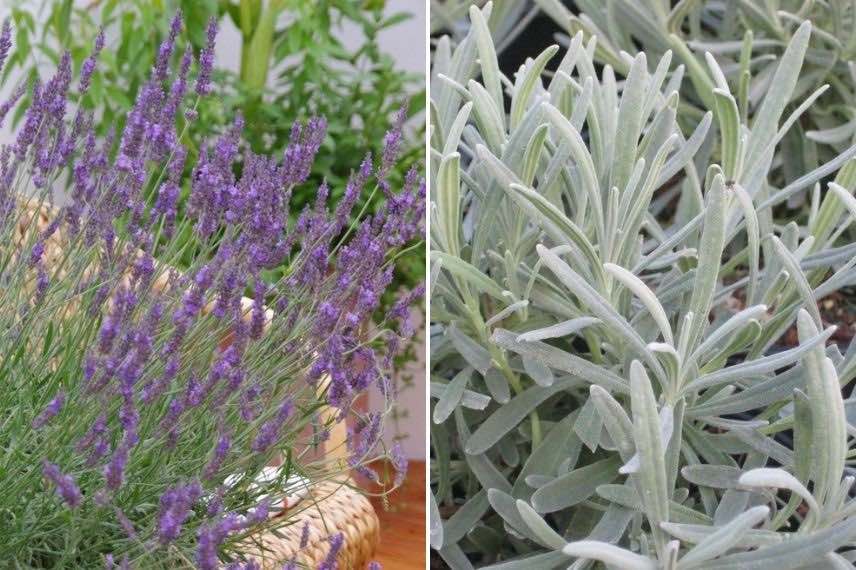
Lavandula intermedia ‘Phenomenal (Niko)’
Lavandula angustifolia 'Munstead'
Let’s finish as we started, with an essential variety that has proven itself: Lavandula angustifolia ‘Munstead’. Small in size, it forms a rounded bush of 50 cm in all directions, quite vigorous. Its narrow, aromatic foliage, ash-green in colour, is more or less evergreen in winter. In summer, it comes alive with very bright flower spikes, rather light, blue-mauve in colour. A robust variety, its habit is rather loose.
Pair it with typical Mediterranean herbs: Rosemary, Hyssop with blue flowers, Thyme, Oregano, Everlasting with a curry scent, Common Sage or other culinary Sages (such as Pineapple and Tangerine), Savory, to create a small, highly aromatic patch that attracts pollinators in the vegetable garden or garden.
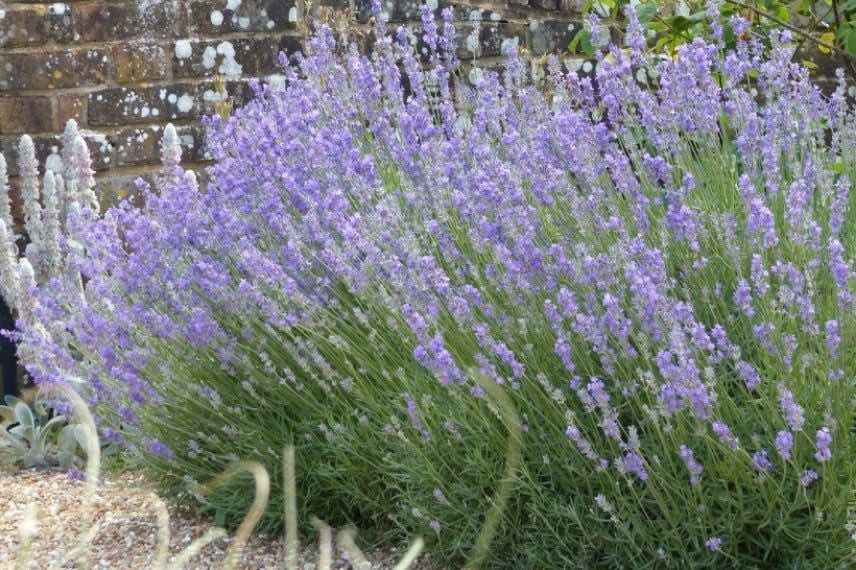
Lavandula angustifolia ‘Munstead’
- Subscribe!
- Contents
Comments