





























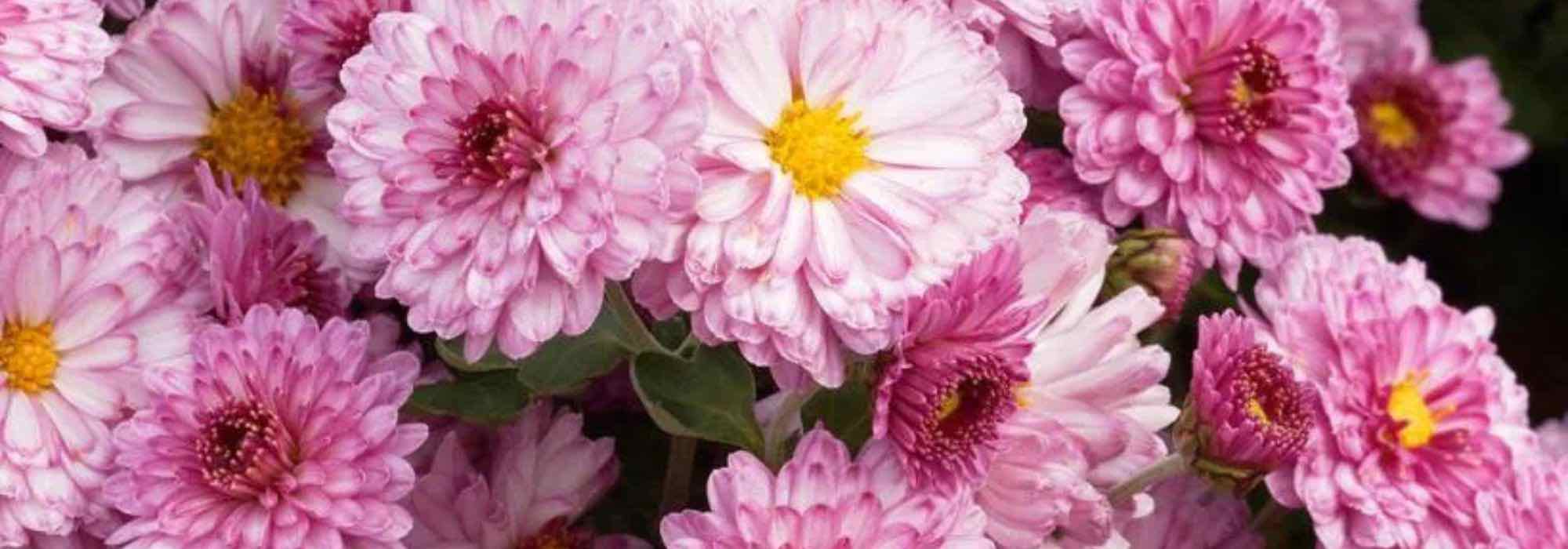
Pompon chrysanthemums: perfect for autumn flower beds
Advice, varieties, pairing ideas
Contents
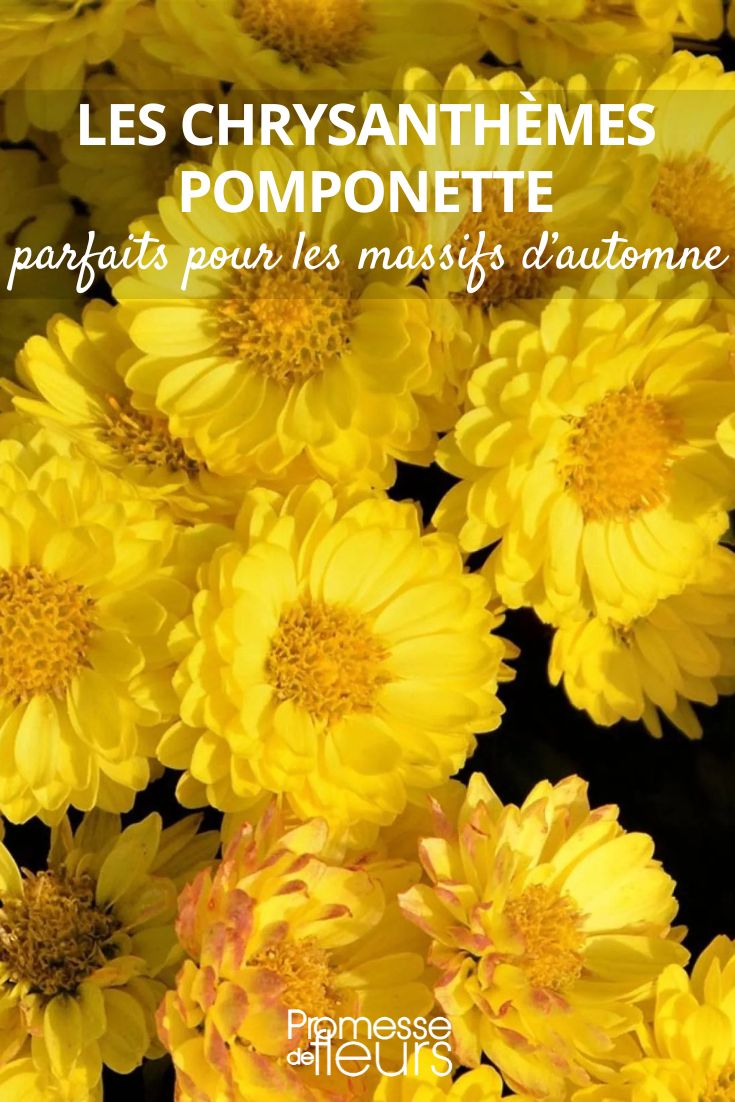
Pompon chrysanthemums or pomponette varieties are distinguished by their small double flowers in pompom shapes in bright or soft shades, which provide an essential splash of colour in autumn. Hardy and easy to care for, they are perfect for extending the beauty of borders until the first frosts. Discover why these compact perennials are an excellent choice for your autumn floral displays, and learn how to plant and care for them to make the most of their abundant flowering!
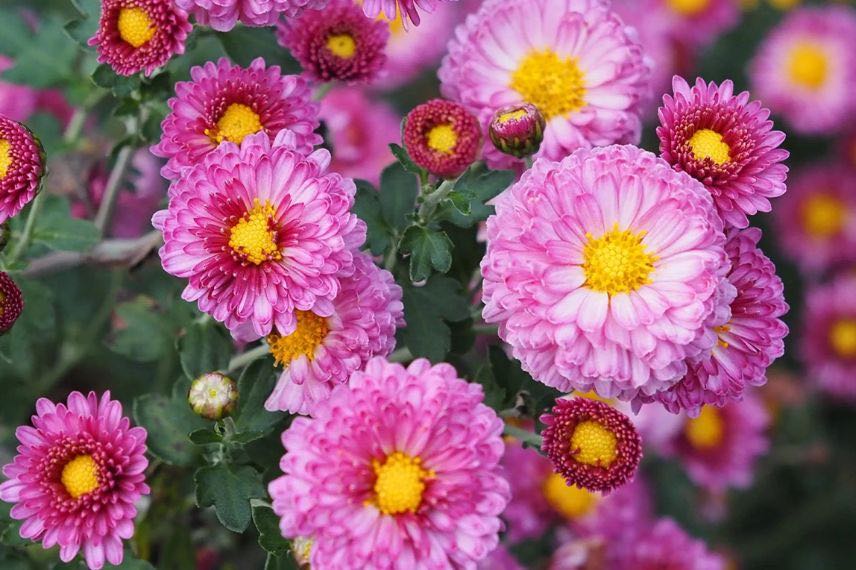
A typical variety of pompon chrysanthemums: ‘Mei-Kyo’ with pink shades

Pompon chrysanthemums: what are they and why choose them?
Pompon chrysanthemums are distinguished by their small, double, densely pompon-shaped flowers, from which they derive their name. These round, dense flowers, typically 2–5 cm in diameter, are eye-catching and ideal for creating colourful flower beds. Their compact, rounded habit makes them perfect for edging paths or occupying the front of the borders.
The foliage, for its part, is dark green, lobed with slightly dentate margins, providing a pretty contrast with the vibrant flowering. It is relatively unobtrusive and highlights the flowers without overshadowing them.
Pompon chrysanthemums are valued for their long flowering period, which runs from September to the first frosts. They brighten gardens as most other plants finish their flowering. These perennials are thus among the best options for those wanting a garden in late-season bloom.
These chrysanthemums are hardy and adapt well to autumn conditions. They withstand frosts down to -10 to -15°C depending on the variety, which helps them retain their beauty even as cold sets in. They are also relatively easy to grow, whether in the ground or in pots, provided they have well-drained soil and a sunny position.
Pompon chrysanthemums come in a wide range of colours, from pale whites and pinks to brighter, warmer shades such as yellow, orange, purple, and even bright red. This colour diversity allows you to create harmonious or contrasting borders to suit your preferences.
The main varieties
White chrysanthemums
- ‘Julia’: This variety offers superb double flowers, ranging from white to pale pink with a pink heart, ideal for softening and brightening borders and beds. Its delicate appearance blends well with other soft colours in the garden.
Yellow chrysanthemums
- ‘Citronella’: very floriferous, this variety produces bright lemon-yellow flowers, for a luminous effect in borders and beds.
- ‘Goldmarianne’: this chrysanthemum offers golden-yellow pom-poms with a dark-yellow centre, perfect for creating bold contrasts in autumn.
- Herbstbrokat: not yellow but truly salmon, with bronze tones, a full autumn display.
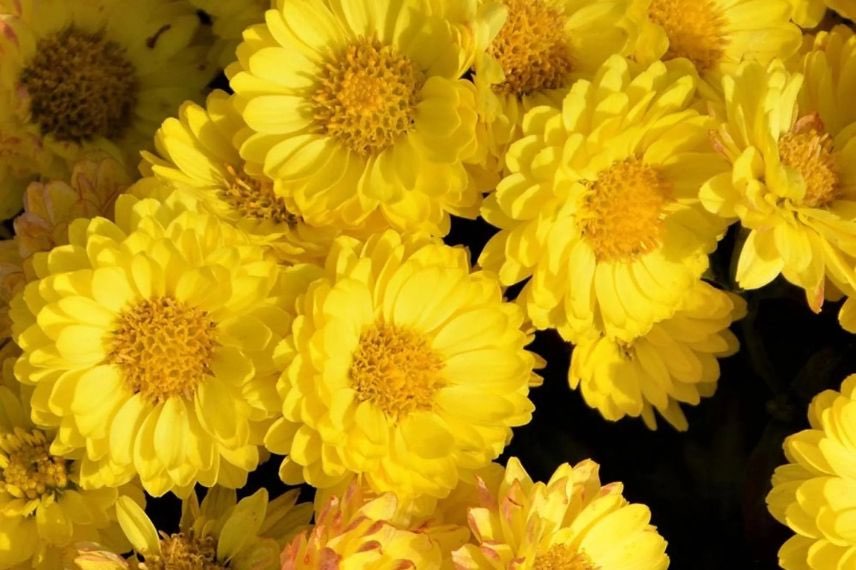
Variety ‘Goldmarianne’
Pink chrysanthemums
- ‘Orchid Helen: with very double flowers, this delicate pink variety brings a touch of romance to the borders. It is ideal for displays in soft colour tones.
- ‘Anastasia’: its deep pink flowers with a yellow centre, colourful and contrasting, stand out from afar.
Red chrysanthemums
- ‘Brennpunkt’: A copper-red-flowered variety, ideal for borders in warm tones.
- ‘Herbstrubin’: With its ruby-red pom-poms, this chrysanthemum is perfect for energising autumn displays and creating striking contrasts, with blue flowers for example.
When to plant pompon chrysanthemums?
To ensure vibrant, long-lasting flowering, it is best to plant pompon chrysanthemums in spring, usually between March and May. This allows them to establish well before the heat of summer and to prepare their autumn flowering. However, if you buy them in pots already flowering in autumn, you can also plant them in early autumn, but this requires special care to allow them to establish well before the first frosts.
Where to plant them?
To plant Pompon chrysanthemums, choose a sunny spot or partial shade. They will flower better in full sun, but tolerate some partial shade, especially in regions where summers are hot. A sunny, well-exposed location will also help keep the plant vigorous and compact.
Pompon chrysanthemums prefer light, well-drained soil, slightly enriched with organic matter, such as compost. Before planting, it is advised to aerate the soil and remove weeds. If your soil is heavy or clayey, you can improve its drainage by adding sand or grit to the bottom of the planting hole.
How to plant Pompon chrysanthemums?
Pompon chrysanthemums have a compact habit, but it is important to maintain a spacing of about 50 cm between each plant to allow them to develop properly. This space is also crucial to ensure good air circulation between the plants, which reduces disease risk.
Here are the steps to plant your chrysanthemums correctly:
- Dig a hole twice as wide and deep as the plant’s rootball.
- Place a mix of garden soil and well-decomposed compost at the bottom of the hole to provide nutrients to the roots.
- Place the rootball in the hole, ensuring the top is level with the soil.
- Backfill with the soil/compost mixture, then firm lightly to stabilise the plant.
- Water thoroughly to promote root establishment.
Water regularly during the first weeks after planting, especially in dry periods, so that the roots can establish themselves well. Once established, pompon chrysanthemums are fairly drought-tolerant, but occasional watering, especially in summer, will help them maintain good flowering.
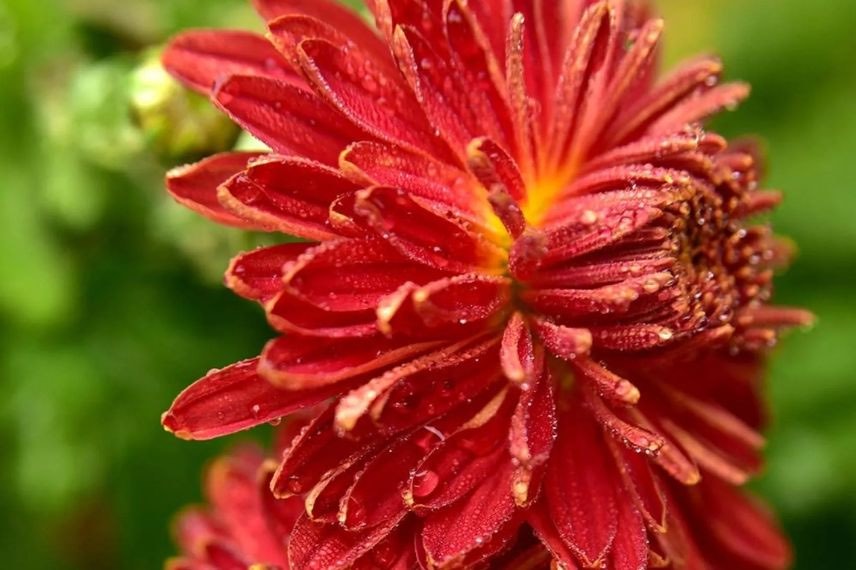
Chrysanthemum ‘Brennpunkt’
How to care for them?
Watering
Pompon chrysanthemums are fairly undemanding in terms of water once well established. However, during the growth and flowering periods, they appreciate regular watering. It is important to keep the soil slightly moist, especially in summer or during dry spells. However, be careful not to drown the plant: excessive moisture can lead to fungal diseases or root rot. Water at the base of the plant to avoid wetting the foliage.
Pruning
To produce well-branched and floriferous pompon chrysanthemums, a few simple pruning steps can make all the difference:
- As soon as the plant reaches about 15 cm tall, pinch the tips of the stems. This involves cutting a few centimetres off the new shoots, to stimulate branching and to obtain a bushier plant, with more floriferous stems.
- Throughout flowering, remember to regularly remove spent blooms. This allows the plant to devote all its energy to new flowers, thereby extending the flowering period.
Fertilisation
To encourage abundant flowering, you can enrich the soil with organic fertiliser or well-decomposed compost in spring and summer. A balanced fertiliser (type 10-10-10) once or twice during the season can be beneficial, but do not overdo it: too much nitrogen can favour foliage at the expense of flowers.
Winter protection
Although pompon chrysanthemums are relatively frost-hardy, in regions with harsh winters, protection is sometimes necessary:
- As soon as flowering has finished and the first frosts are forecast, you can mulch the base of the plant with fallen leaves or organic mulch. This helps protect the roots from severe cold.
- If you have planted your chrysanthemums in pots, you can bring them indoors to a sheltered place (such as a greenhouse or an unheated conservatory) to protect them from frost. If you cannot bring them in, insulate the pots with bubble wrap or insulating fabric.
Dividing clumps
Every two to three years, in spring, consider dividing your pompon chrysanthemums. This operation helps rejuvenate the plants and prevent them from becoming worn out. To do this:
- Loosen the clump from the soil with a spade.
- Divide the roots into several pieces, ensuring that each division has roots and a few shoots.
- Replant the divisions immediately into well-prepared soil.
Which plants pair well with pompon chrysanthemums?
To create harmonious and varied autumn borders, pompon chrysanthemums pair well with a range of plants:
- Medium-sized grasses such as the Pennisetum or the Stipa add lightness and movement, and their golden colour complements the autumn colours of the chrysanthemums. Their fine foliage contrasts well with the density of the pompon chrysanthemums, creating a nice visual balance.
- The asters bring light and form a vibrant autumn duo with the chrysanthemums.
- Sedums, or autumn sedums provide volume and texture. Their umbels of flowers and fleshy foliage pair beautifully with the chrysanthemums to create borders with real depth.
- Heucheras, with their colourful foliage (from purple to bright green), contrast well with the round flowers of the pompon chrysanthemums. They add a graphic dimension and year-round interest.
- Gaura lindheimeri, with its simple, delicate flowers, white or pink, provides a nice contrast of form and plenty of light.
By varying shapes and colours, these combinations allow you to create dynamic, visually interesting borders throughout autumn.
- Subscribe!
- Contents
Comments