


Soil life decoded: understanding its essential role in the garden
The secrets of living soil
Contents
Hidden beneath our feet lies a complex and rich ecosystem, where a multitude of living organisms interact and contribute to our environment and our food. Understanding soil life, its roles and importance, can transform our approach to gardening. This soil biodiversity directly influences soil fertility, water quality, and even the air we breathe. We invite you to discover soil life, its composition and functioning, as well as simple steps you can take to promote it.

What is soil life?
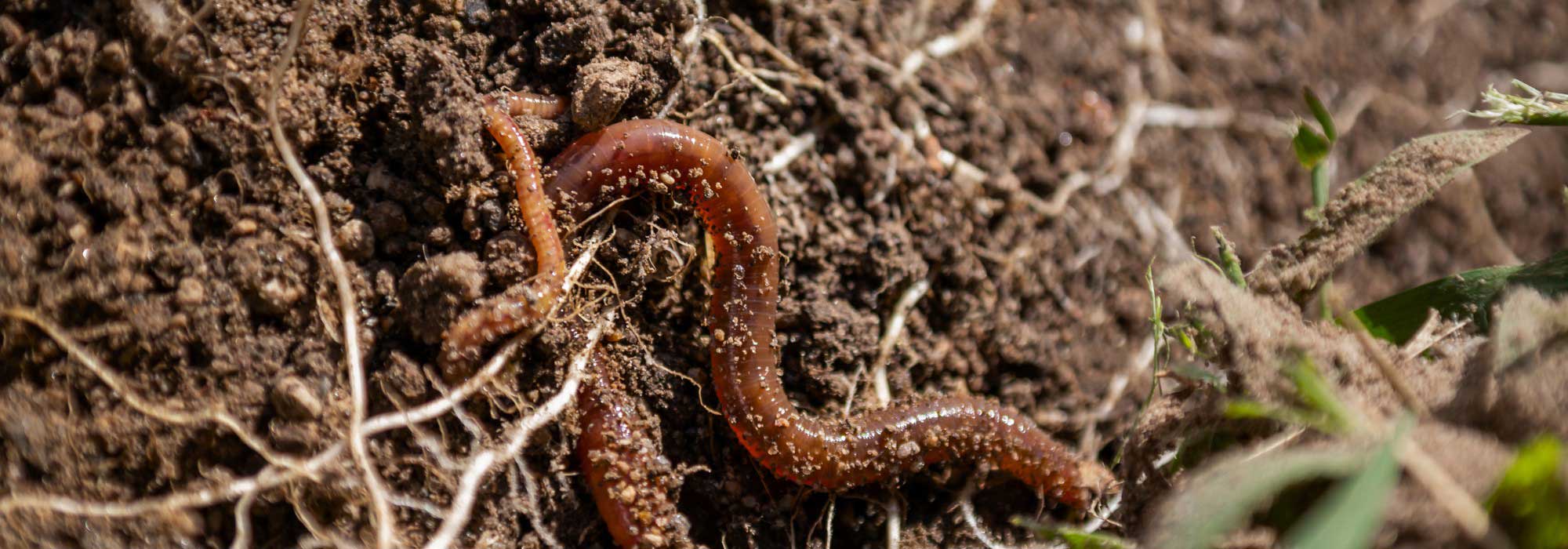
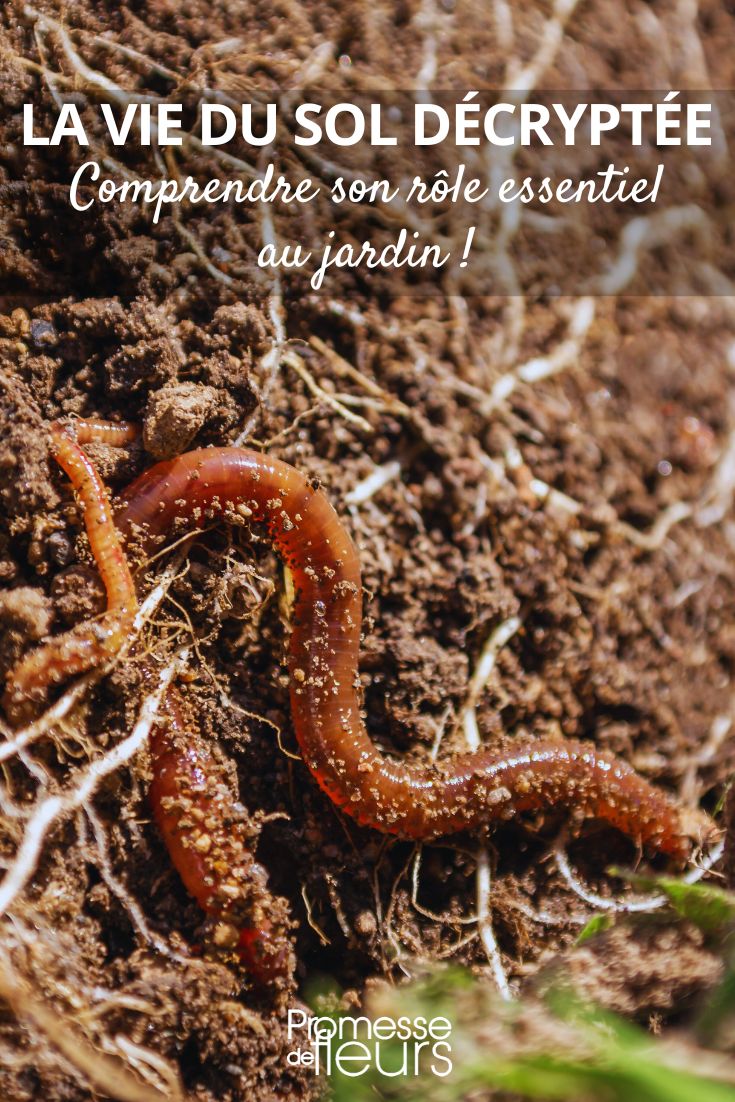
Soil life, often invisible to the naked eye, constitutes a vital and highly diverse ecosystem. Below the soil surface, a multitude of organisms interact and form a complex community that plays a crucial role in the health of our gardens. At the heart of this underground life lies an impressive variety of living beings, from tiny bacteria and fungi to algae, protozoa, nematodes, mites, crustaceans such as woodlice, collembola, not to mention the essential earthworms. These organisms have specific roles: they decompose organic matter, converting plant debris into nutrients assimilable by plants, contribute to humus formation, improve soil structure, and influence its capacity to retain water and air. These natural processes sustain soil fertility and productivity, promote carbon storage, filter and purify water, and maintain biodiversity. Soil fauna is distributed across different levels, each contributing in its own way to the balance and health of the soil:
- Endogeic fauna: Located in the top few centimetres of the soil, this fauna, including earthworms that bore horizontal galleries, feeds on organic matter such as dead roots. These organisms contribute to soil aeration and nutrient recycling.
- Epigeic fauna: Present on the surface or just below, this fauna decomposes plant litter, transforming debris into humus and thereby improving soil structure. It includes red worms, collembola, woodlice, and other organisms.
- Anecic fauna: Comprised mainly of large earthworms, it creates deep vertical burrows, redistributing the surface-deposited organic matter into the soil as worm casts, enriching and aerating the soil.
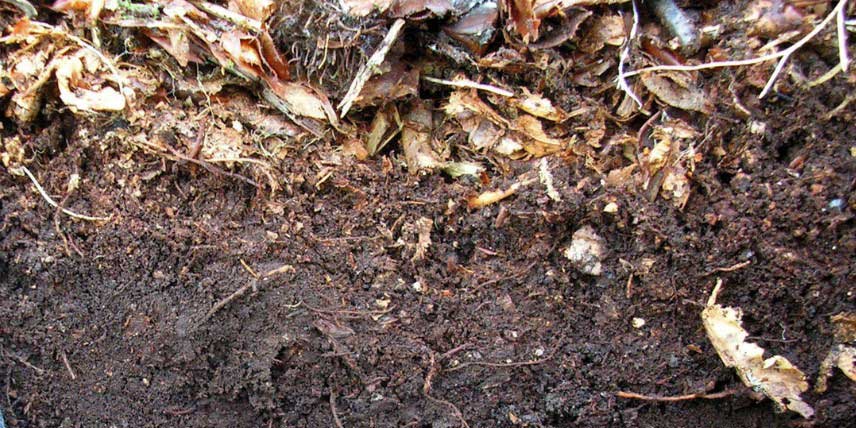
Many organisms live in the soil (endogeic fauna) or on its surface (epigeic fauna)
Read also
Turning the soil: good or bad practice?What is living soil?
A living soil is a dynamic soil, rich in biodiversity and characterised by intense biological activity. It does not merely provide support for plant roots or a simple reservoir of nutrients, but functions as a complex ecosystem where many organisms interact to support and enhance plant growth, soil health and global ecological balance. A living soil is:
- rich in organic matter: Essential for feeding microorganisms, this matter decomposes gradually, releasing nutrients that enrich the soil.
- Diversity of microorganisms: A living soil harbours billions of bacteria, fungi, protozoa and nematodes, which are essential for the decomposition of organic matter, nitrogen fixation, soil detoxification, and protection against pathogens.
- teeming with active organisms: Earthworms and soil insects aerate the soil and facilitate the movement of water and nutrients by creating networks of galleries.
- resilient: A living soil resists environmental stresses such as floods or drought more effectively due to its rich biological activity and good structure.
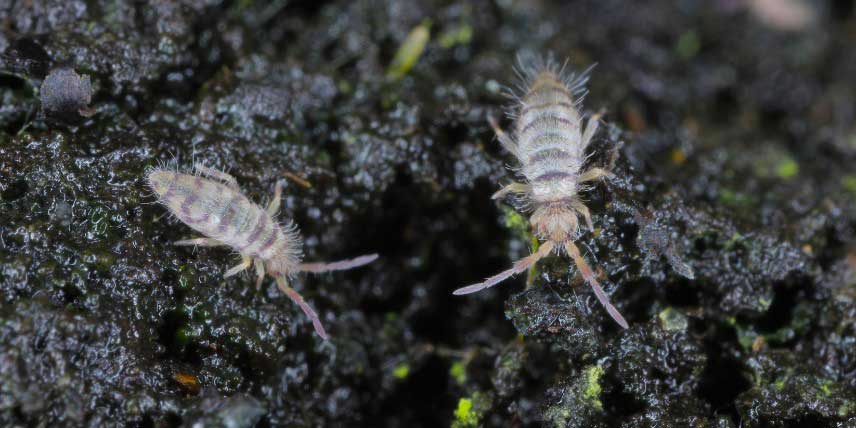
Springtails live in the top few centimetres of soil and play a major role in the decomposition of organic matter. Here, springtails of the genus Entomobrya.
Why is soil life essential?
Soil life is directly linked to the fertility of our gardens. A rich and active soil provides better nutrition for plants, strengthens their resistance to diseases and to environmental stresses such as drought or extreme temperatures. A high diversity in soil also limits the proliferation of pathogenous agents, thereby strengthening soil’s ability to resist and recover from environmental disturbances. A well-balanced soil also contributes to water quality by filtering contaminants before they reach watercourses.
Soil organisms, such as earthworms and microorganisms, also contribute to improving soil structure by creating galleries and aggregates. This improved structure promotes better water infiltration, reduces runoff and erosion, and increases water retention, thereby benefiting plants and the environment. A living soil harbours a great diversity of organisms, which interact with one another and with plants. By decomposing organic matter, these organisms render mineral nutrients assimilable by plants, enabling them to access the nutrients they need for growth.
Moreover, soils rich in life play a key role in carbon storage. When soil organisms decompose organic matter, part of the carbon it contains is converted into humus, a stable form of organic carbon that can remain in the soil for centuries. This ability to store carbon helps reduce the amount of CO2 in the atmosphere.
Read also
A natural hedge to enhance biodiversityHow to promote soil life in the garden?
For a thriving garden and to foster a living, biodiverse soil, here are a few simple practices to put in place:
- Add organic matter : it is one of the most effective ways to stimulate microbial life. Compost, kitchen scraps, fallen leaves and grass clippings provide a nutrient-rich source for soil microorganisms. These materials break down gradually, releasing nutrients that feed plants while improving soil structure.
- Limit soil disturbance : avoid turning the soil and use tools to loosen it without tilling, such as a broadfork, which reduces disturbance to habitats of subterranean organisms and promotes a stable soil structure.
- Practice crop rotation: Rotating crops in your vegetable patch helps prevent soil depletion, limit pest and disease buildup, and strengthen biodiversity.
- Cover the soil: Use organic mulches, cover crops or green manures to protect the soil from erosion, leaching and temperature fluctuations. These coverings also encourage biological activity and enrich the soil with organic matter.
- Prioritise biological control methods and natural fertilisers : this will preserve the health and biodiversity of the soil.
- Support biodiversity : Plant a wide variety of plants in your garden, including native plants, to attract and support soil fauna and pollinators. Hedgerows, trees and wildflowers provide habitats and food sources for soil organisms and beneficial wildlife.
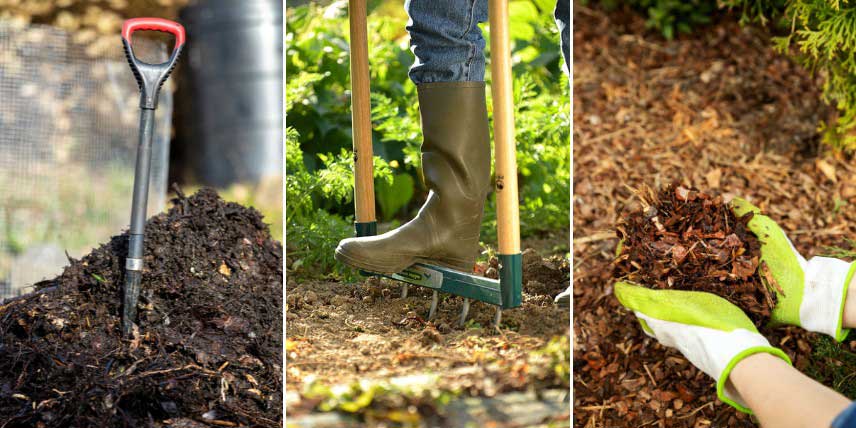
Some simple techniques help promote soil life: adding organic matter (compost or well-decomposed manure); using a grelinette instead of turning the soil; mulching
- Subscribe!
- Contents
Comments