





























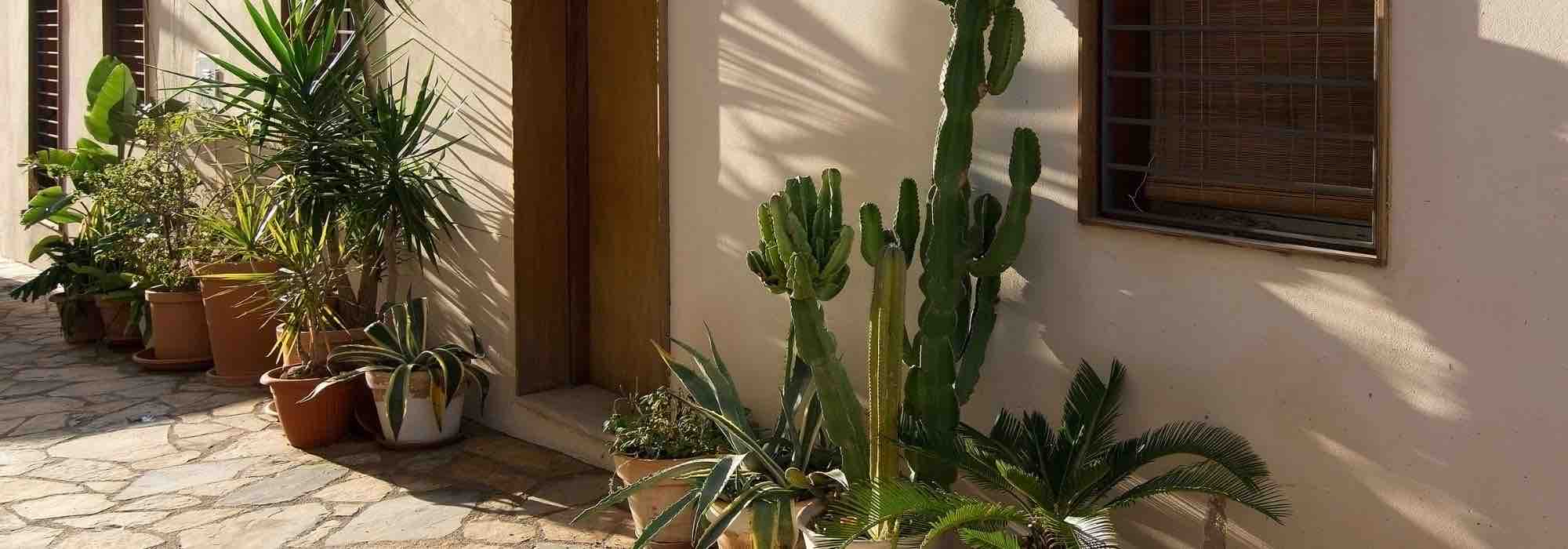
Taking indoor plants outdoors during warmer months: all our tips
For a smooth transition
Contents
As the warmer months arrive, many gardeners wonder whether it’s beneficial to move their indoor plants outdoors. This practice offers many benefits for your plants. While indoor light may suffice over winter, Direct sunlight, even filtered, is incomparable. It enables optimal photosynthesis, essential to chlorophyll production and to the growth of plants. In addition, the fresh air and natural outdoor humidity help strengthen the plants, making them more resistant to diseases and parasites.
Taking indoor plants outside during the warmer months is also a welcome break from the dry, and sometimes stale, air of heated or air-conditioned interiors. By exposing them to more varied conditions, you simulate their natural environment, which stimulates their vitality and growth.
In short, taking your indoor plants outside during the warmer months is an excellent way to revitalise your plants. That, however, requires a few precautions to avoid shocks and ensure a smooth transition. In this article, we provide all the necessary advice to successfully carry out this step and ensure the well-being of your plants throughout the summer.

Which indoor plants should be moved outside?
Many plants benefit from time outdoors in spring and summer, but rely on their indoor conditions when deciding where to place them outside.
Generally, succulents and cacti enjoy sunny exposures, and all others should be protected from direct sunlight. This means placing them in bright light, with no direct sun exposure, or only morning sun or late-afternoon sun if it is not too intense. A north-facing exposure is also perfectly suitable.
Another option: filtered exposure, i.e., dappled shade, or partial shade—more shade than sun.
So, move your plants outside if you can place them in the right spot; otherwise, it’s best to leave them indoors.
If you’re growing plants that are quite sensitive, that you grow with a humidifier or in a glass-front cabinet, leave them indoors. This also applies to Marantaceae whose foliage is delicate.
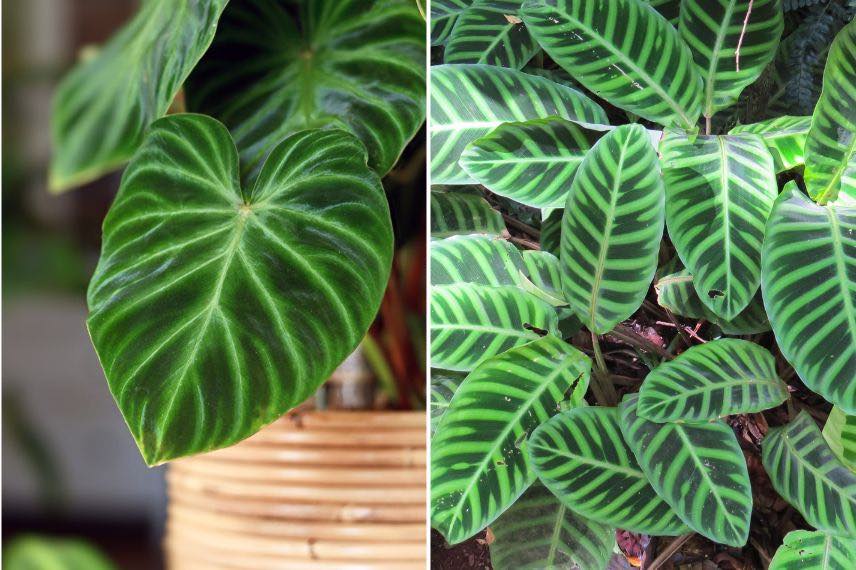
Keep your susceptible plants indoors, such as aroids grown under constant humidity or Marantaceae with their delicate foliage (here a philodendron and a calathea)
Prepare plants for the change
Before moving your houseplants outdoors, it is crucial to prepare them carefully to avoid thermal shock and sunburn, which could compromise their health and growth.
- Before taking your houseplants outside, inspect them closely for any signs of pests or diseases. Treat all issues identified before moving them outdoors to prevent the spread of pests to outdoor plants and reduce stress for your plants.
- Ensure plants are well watered and that their nutritional needs are met. A fertiliser application may be considered a few weeks before the transition to strengthen plant resilience.
Sudden exposure to direct sunlight can cause leaf scorch and significant stress for plants accustomed to less bright indoor environments. To avoid this, place plants first in partly shaded areas or expose them to direct sun only during the coolest hours of the day. Gradually increase sun exposure over several days or weeks.
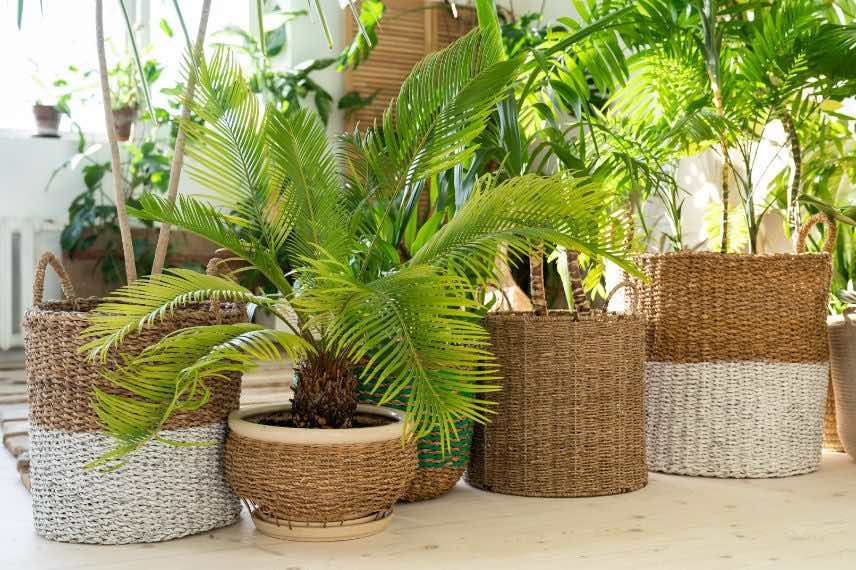
Palms grown as houseplants are also good candidates for time outdoors, provided they are protected from scorching sun
Choose the ideal outdoor location
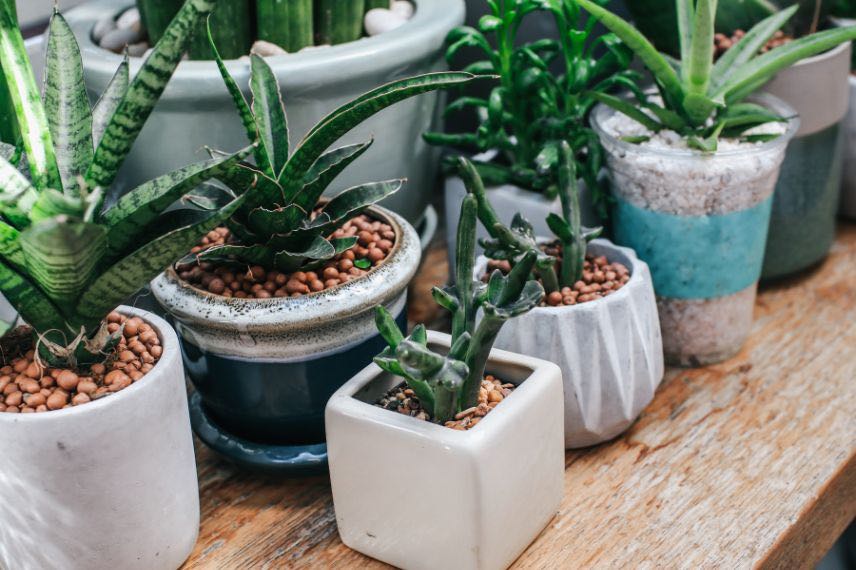
Outdoor plant care
Adapting watering routines
Water needs of plants can vary considerably once outdoors, due to variations in temperature, humidity and sun exposure. In general, outdoor plants require watering more frequently than when kept indoors, especially during periods of intense heat. Regularly check the substrate to ensure it is moist to the touch, but not waterlogged, or slightly dry, but not desiccated, and adjust watering according to the weather and the condition of the substrate.
Outdoor fertilising tailored to needs
Nutrient supply should also be adjusted to meet the increased demands of outdoor plants. Growth is often faster and flowering improved, requiring additional nutrients. Use a fertiliser suited to the type of plant and follow the recommendations for frequency and quantity. This may vary from monthly fertilising to more frequent applications during periods of active growth.
Monitoring pests and diseases
Outdoor plants are more likely to be exposed to pests and diseases. Inspect your plants regularly for signs of stress, infestation or disease. Treat problems as soon as they appear with appropriate methods, whether natural treatments such as neem oil or black soap.
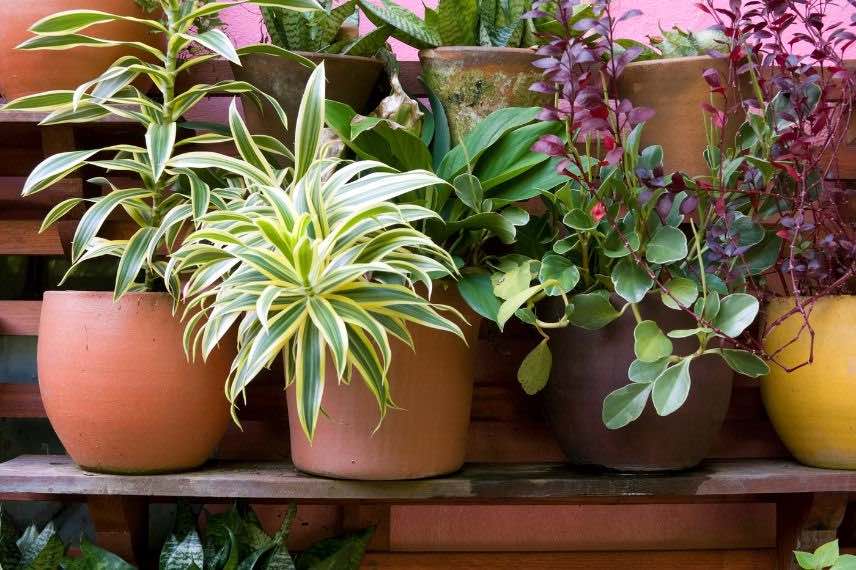
Common houseplants, relatively easy to grow, will also benefit from time outdoors
Some precautions
When you take your indoor plants outside, it is essential to consider their safety against the elements and the sudden changes in the weather.
Measures against sudden weather changes
Weather conditions can change quickly and can be particularly harsh for plants used to a controlled indoor environment. To protect your plants from strong winds, hail, or heavy rain, position them under eaves, pergolas, or covered balconies where possible. Also consider using shade sails or removable tarpaulins when bad weather is forecast. Or simply, bring them back indoors temporarily.
Use of supports and staking
Some plants, especially those that are tall or have slender stems, may require additional supports to prevent them from breaking under wind or their own weight, especially as they begin to grow outdoors. Use stakes, plant cages, or trellises to provide extra support.
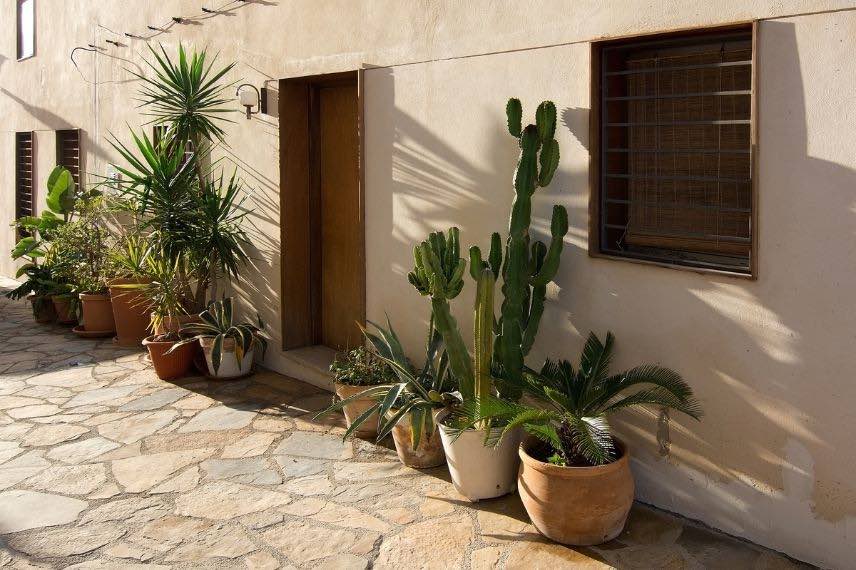
It is a common practice in southern European countries that do not always need to be brought indoors in winter
Indoor reintroduction
After enjoying the benefits of the outdoors during the warmer months, it’s important to prepare for your indoor plants’ return with care to avoid stress and abrupt adjustments.
Steps to bring plants indoors
- Before the first frosts or the return of less-than-ideal indoor conditions, start reducing your plants’ exposure to the outdoors. This may mean moving them under a porch or into a semi-shaded area for a few hours each day, gradually reducing the time they spend outside.
- Before bringing your plants indoors, inspect them for signs of disease or parasitic infestations. Address any issues identified to prevent bringing them into your home.
- Once indoors, continue to place them near natural light sources and gradually adjust watering to their new indoor climate, which may be less humid than outside.
Signs that the plant is ready to be brought back indoors
- As autumn approaches, many plants naturally begin to show signs of slowed growth. This is a good indicator: it’s time to prepare them for the return indoors.
- Monitor night-time temperatures: when they begin to fall significantly, it’s time to consider bringing the plants indoors to protect them from the cold.
Once indoors, place your plants in a well-lit spot, but away from drafts and direct heat sources, such as radiators. Monitor your plants closely during the first weeks for any signs of stress or difficult adjustment. Adjust watering and fertilisation to suit the new living conditions.
- Subscribe!
- Contents
Comments