





























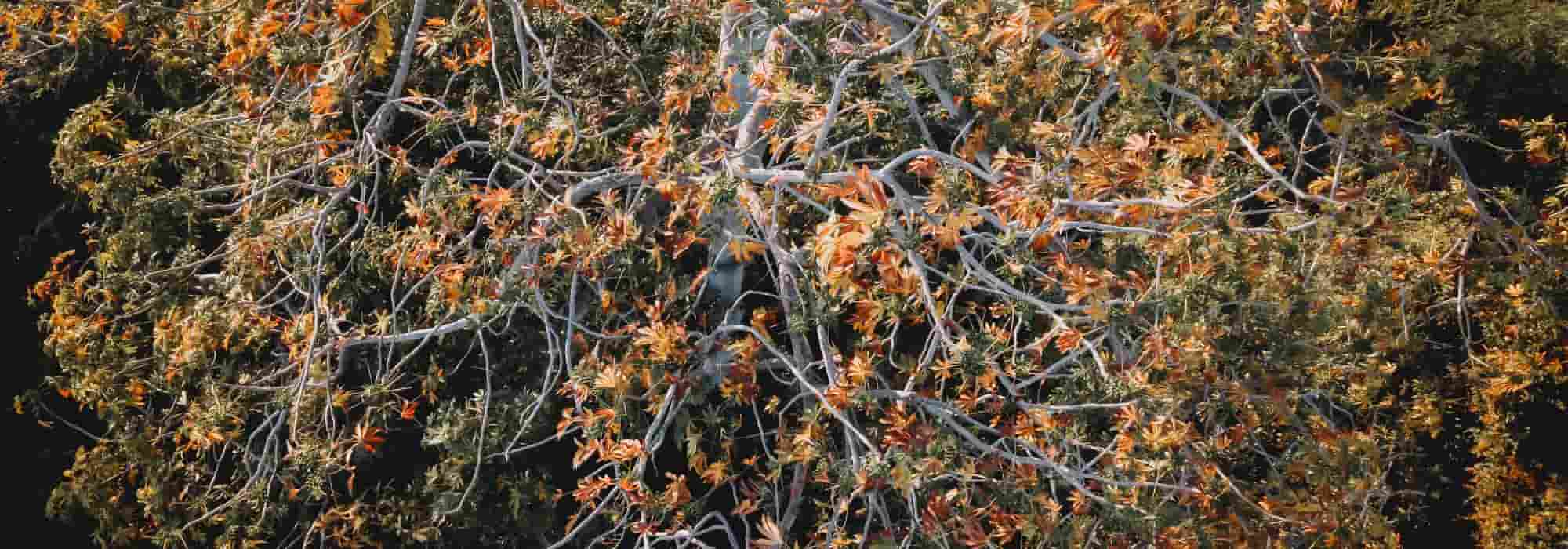
The plants most sensitive to heat and drought
Plants that require water and coolness
Contents
With increasingly hot and dry summers, some plants in our gardens seem to suffer from these climate conditions more than others. Foliage that dries out and flowers that wilt prematurely are clear signs that these plants do not appreciate the lack of rain or insufficient watering. In a way, they resemble us during summer: they require plenty of water and not too much heat to thrive.
Discover the plants most sensitive to heat and drought.

Perennials
Among the perennials most sensitive to lack of water and heat, we mainly find plants from woodlands and riverbanks, often originating from Asia. Here are a few examples.
Persicarias
The Persicaria, also known as Knotweed, is a beautiful groundcover perennial, valued for its long and stunning flowering period, from early summer until the first frosts of autumn. It requires no maintenance and is easy to grow as long as its soil remains slightly moist during the growing season. In the event of prolonged drought, its flower spikes may wilt prematurely and take on brown hues. It will also stop its growth, and some leaves may wither.
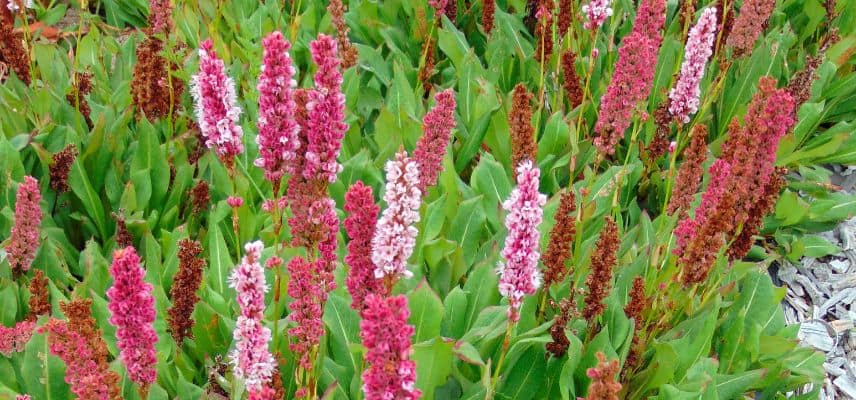
Persicaria affinis ‘Kabouter’
Hakonechloas
Originating from Japan, Hakonechloa are beautiful grasses that thrive at the edge of woodlands, in semi-shaded areas where the soil remains slightly moist. In the event of drought and without watering, their lovely arching leaves of golden-green will dry out and turn brown prematurely.
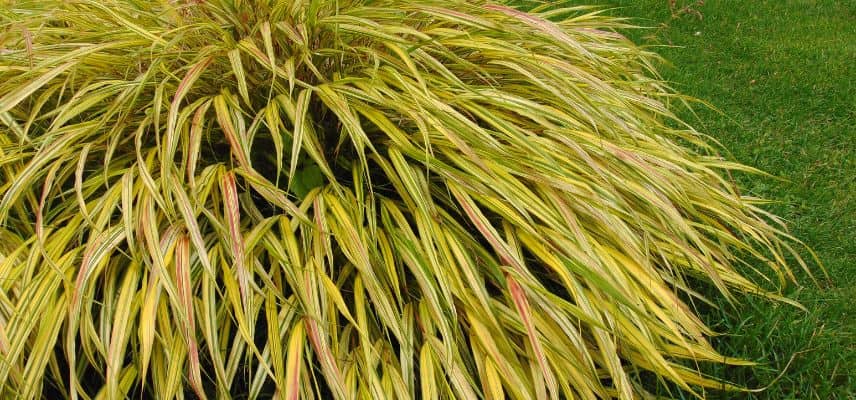
Hakonechloa macra ‘Aureola’
Hostas
Hostas are the quintessential shade plants! They are appreciated for their lush and decorative foliage. While they prefer heavy soils that remain slightly moist even in summer, they are averse to drought and summer heat. To prevent their magnificent foliage from scorching under the blazing sun, they need a shaded location and a substrate that is always moist but well-drained.
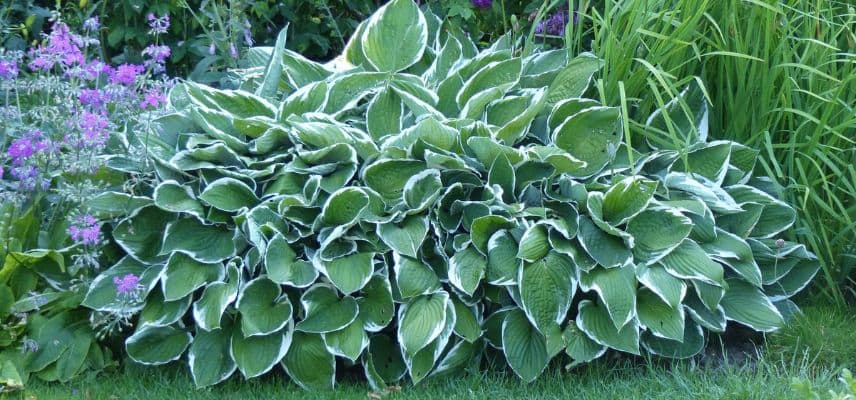
Hosta fortunei ‘Francee’
Ferns
With their finely cut and highly graphic foliage, ferns bring a natural touch to a shady or contemporary garden. The vast majority of fern varieties prefer shaded areas of the garden, in rich soil that remains moist all year round. However, care must be taken during summer droughts, which can scorch their leaves and jeopardise the survival of this beautiful perennial. There are, however, a few rare varieties adapted to drought, such as the fern Cheilanthes lanosa, hailing from the desert regions of Mexico.
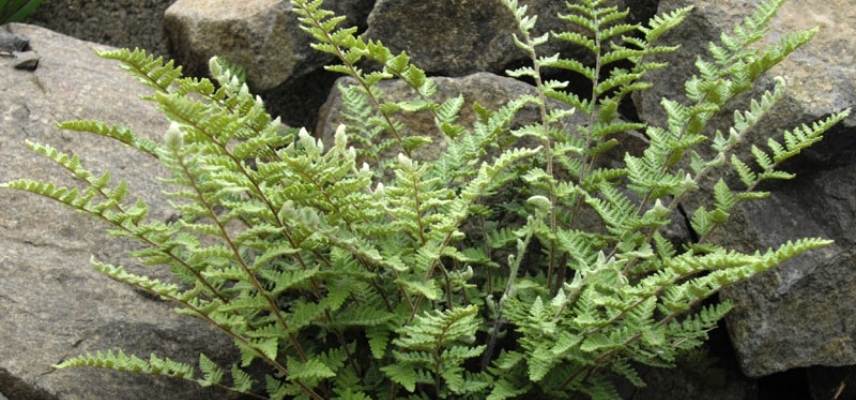
Cheilanthes lanosa
Lysimachias
Lysimachias are hardy perennials, with appearances varying by variety, ranging from the creeping groundcover of Lysimachia nummularia ‘Aurea’ to the upright clump topped with delicate white flower spikes of Lysimachia ‘fortunei’. Easy to grow, Lysimachias require just one thing: moisture! If neglected in sunny and dry conditions, they will quickly wither.
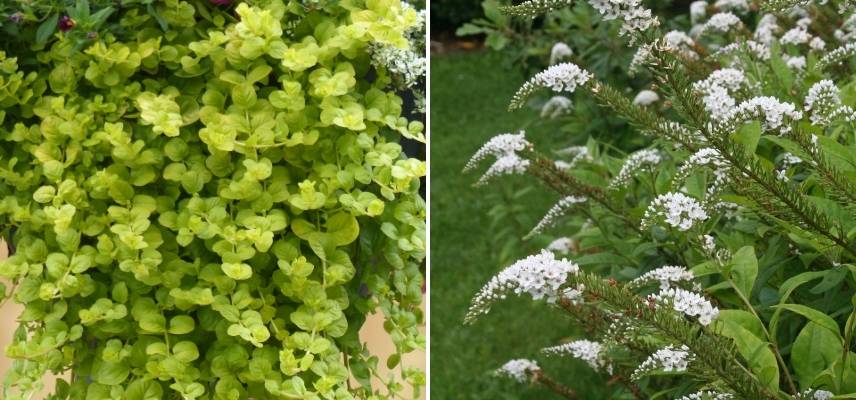 Lysimachia nummularia ‘Aurea’ and Lysimachia clethroïdes[/caption>
Shrubs
Japanese Maple
Japanese maples are renowned for their beautiful silhouette and the autumn hues of their stunning foliage. They naturally fit into zen gardens, in a Japanese or contemporary setting. Depending on the varieties, their palmate leaves come in shades of green, gold, or purple. The maple prefers shade or partial shade, in soil that is preferably acidic, moist, and well-drained, but it particularly fears drought. A lack of water will halt its growth and cause its beautiful foliage to drop in the heart of summer, leaving you no time to admire its vibrant colours in October.
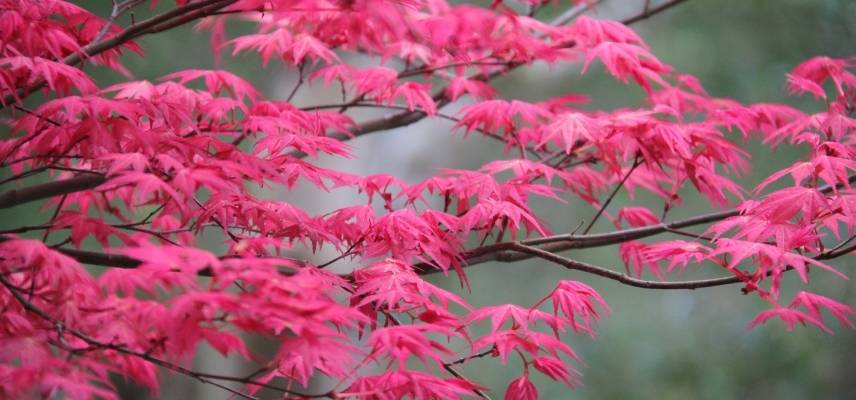
A Japanese maple (Acer palmatum)
Camelias
Camelias are magnificent bushy shrubs, offering an opulent flowering in early spring, accompanied by admirable glossy and evergreen foliage. Like most plants native to Asia, the camellia enjoys being planted in partial shade, in rich soil that remains slightly moist and well-drained. This beautiful shrub cannot tolerate prolonged drought or hot, dry winds, especially in Mediterranean regions.
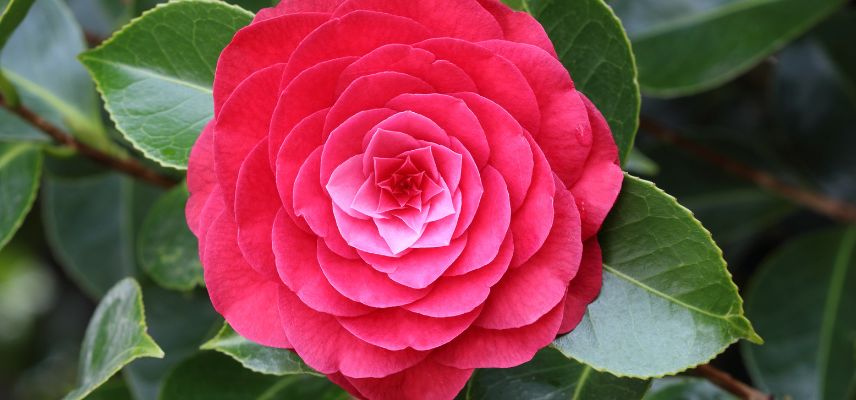
Camellia ‘Roger Hall’
Bamboos
Bamboos add a touch of exoticism and modernity to the garden, thanks to their colourful and vertical canes. With a very rapid growth rate, they are thirsty plants and therefore fear summer drought. If they lack rain or watering, their culms will dry out quickly, which can compromise the growth or even the survival of this beautiful plant. It is therefore preferable to plant them in a rather moist garden, by the water’s edge, ideally in partial shade.
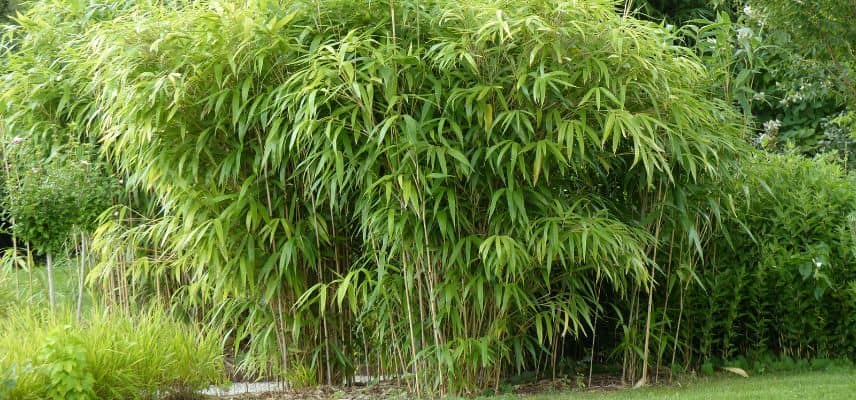
Metake bamboo (Pseudosasa japonica)
Aronia
Aronias are deciduous shrubs, highly valued for their beautiful autumn colours, as well as for their small edible berries resembling blueberries. They thrive in a flowerbed or in a free or edible hedge. Native to North America, the aronia is robust and hardy, but it does need soil that remains slightly moist, even in summer. They are therefore suitable for cool, semi-shaded gardens.
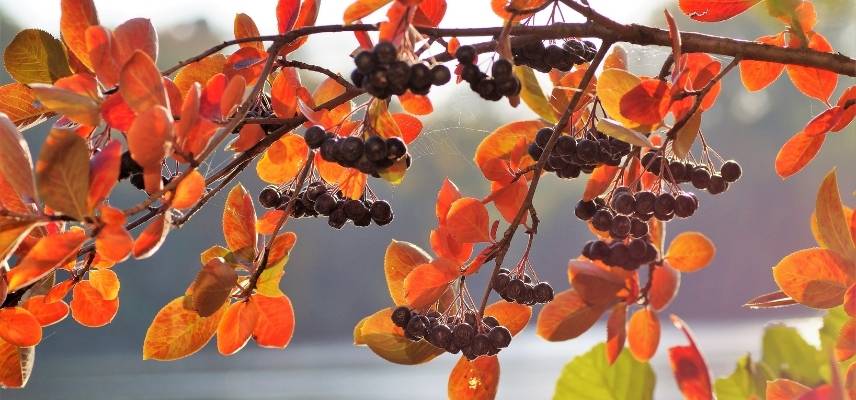
Aronia berries
Hydrangeas
You may have noticed this summer that most hydrangeas, particularly Hydrangea macrophylla or serrata, suffered from drought in certain regions. Their magnificent flower panicles literally dried out if the plant was not adequately watered. This natural phenomenon usually occurs in autumn, even allowing some varieties to change flower colour nuances. If your garden is prone to temporary drought, opt for slightly more resilient varieties, such as Hydrangeas quercifolia or heteromalla. But again, do not hesitate to water occasionally in case of prolonged drought.
Trees
Lately, certain species of trees have been suffering from drought depending on the regions. In the future, it will be essential to consider the moisture requirements of each variety. Here are some species that are particularly sensitive to excessive drought.
Firs and Scots pines
Whether dwarf or majestic, firs stand out with their beautiful silhouettes and branches covered in needles. These are trees or bushes that are very resistant to cold, generally preferring moist soil. As a result, they are mostly found in cold, humid high-altitude forests or along coastal areas. Consequently, most of them are averse to prolonged drought, even when they are very old. According to ONF, firs, Scots pines, and spruces particularly suffer during hot, dry summers, especially in the Grand Est and Bourgogne-Franche-Comté regions. Exceptional mortality has even been observed in Corsica for Scots pines and laricio pines.
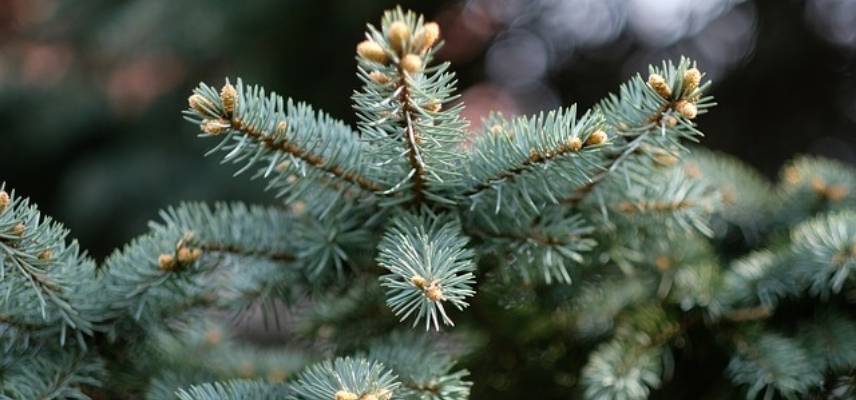
Firs and spruces prefer moist soil
Liquidambar
With its majestic silhouette and stunning fiery foliage in autumn, Liquidambar is one of the most beautiful ornamental trees. It is particularly valued for its good resistance to cold and diseases. To thrive, it requires non-calcareous soil that remains moist without being waterlogged. Despite its many advantages, it is sensitive to drought, which can cause its leaves to wilt prematurely and hinder its growth.
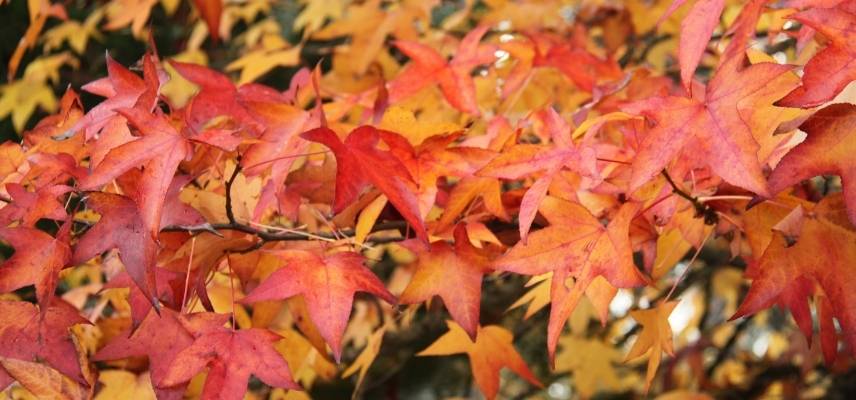
Liquidambar styraciflua
Ornamental Cherry trees
Prunus or ornamental cherry trees offer a spectacular spring flowering, composed of small white or pink flowers, either single or double. These will later give way to deciduous leaves with a dentate shape. Among these cherry trees, Prunus serrula stands out with its mahogany-brown wood, whose bark peels off in long strips. Easy to cultivate, and although it enjoys full sun, the ornamental cherry tree is sensitive to excessive heat and drought, which can harm its development and cause it to lose its beautiful foliage in mid-summer. This lovely tree will require rich, moist, but well-drained soil.
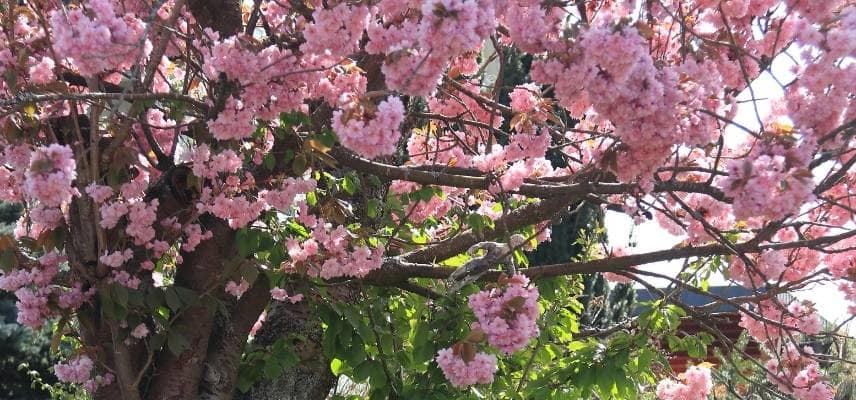
Ornamental cherry tree
Cytisus
Cytisus or false ebony is a large bush that produces long clusters of fragrant, drooping flowers in golden yellow. Depending on the variety, its habit can be spreading or weeping. Its good hardiness and relatively fast growth usually allow it to reach a span of 8 m. Although cytisus can tolerate temporary drought, it will quickly lose nearly all of its foliage if drought persists. Therefore, it is best suited for gardens in rainy regions, where it should be planted in slightly moist, well-drained soil, even if it is poor and calcareous.
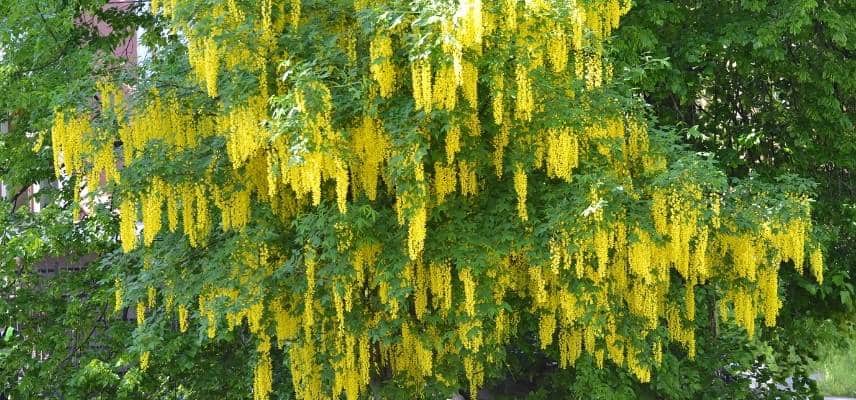
A cytisus (Laburnum)
- Subscribe!
- Contents
Comments