





























Growing succulent plants indoors: our tips
Adopt succulents!
Contents
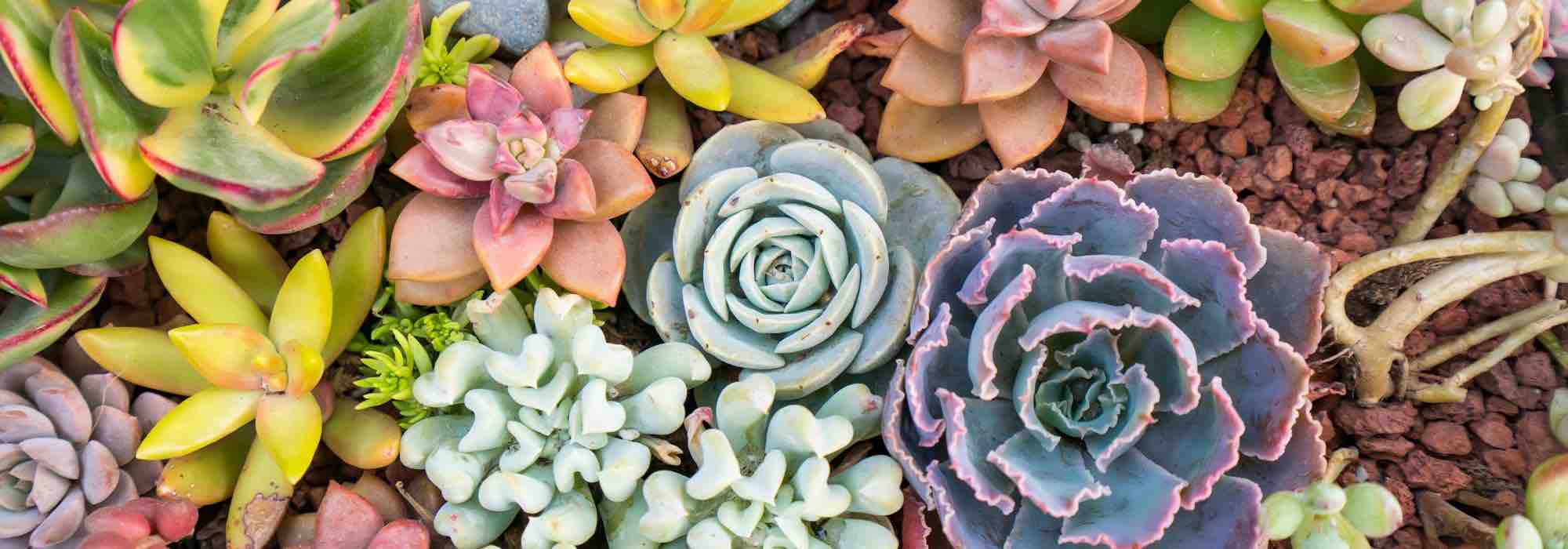
Succulent plants, varied in shape and colour, often architectural, are very interesting and endearing plants. Also called succulents, they have the unique ability to store water in their leaves, stems or roots. These plants offer a perfect solution for those looking to add a touch of greenery to their living space without having much time for maintenance and watering. They are also plants for those who have plenty of light in their home, even direct light from the sun. Understanding the specific needs of succulent plants is essential to ensure their growth and flourishing in your living space.
In this article we discuss the reasons why succulent plants grow well indoors, with a selection of plants suited to this environment, and cultivation and care tips. Discover all the secrets to successfully growing these wonderful apartment plants.

Why are succulents well suited to indoor cultivation?
Succulents have a unique ability to thrive in harsh conditions, and they are perfectly suited to indoor life.
The main reason for the craze for succulents indoors lies in their incredible adaptability. Originating from often arid environments and exposed to extreme conditions, these plants have developed the ability to store water, which makes them less dependent on their owners’ watering schedule. This characteristic makes them ideal for indoor environments where humidity is often lower and missed waterings are common.
Succulents require minimal care, making them perfect for those who don’t have much time for gardening or who are new to the world of indoor plants. In addition, the diversity of shapes, sizes and colours of succulents allows you to create varied, personalised arrangements. Whether on a windowsill, a shelf or a desk, they bring a simple touch of nature to any living space.
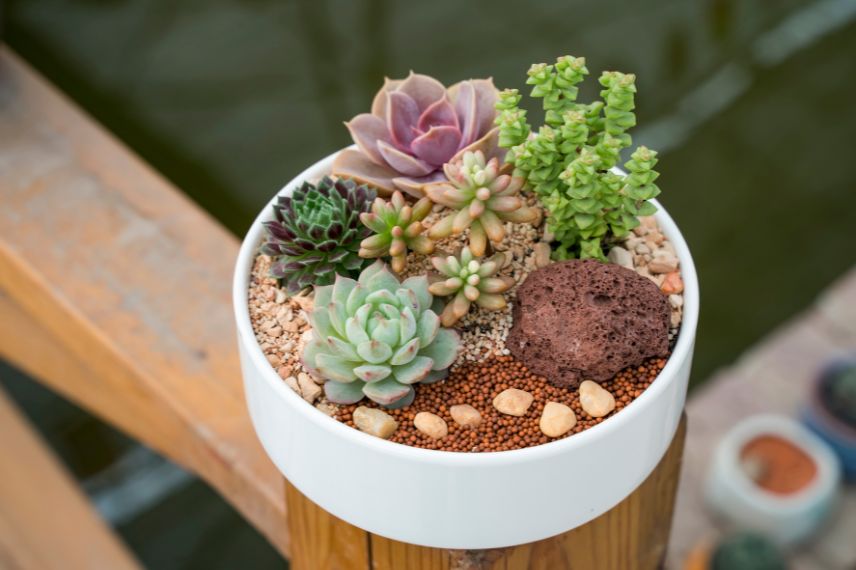
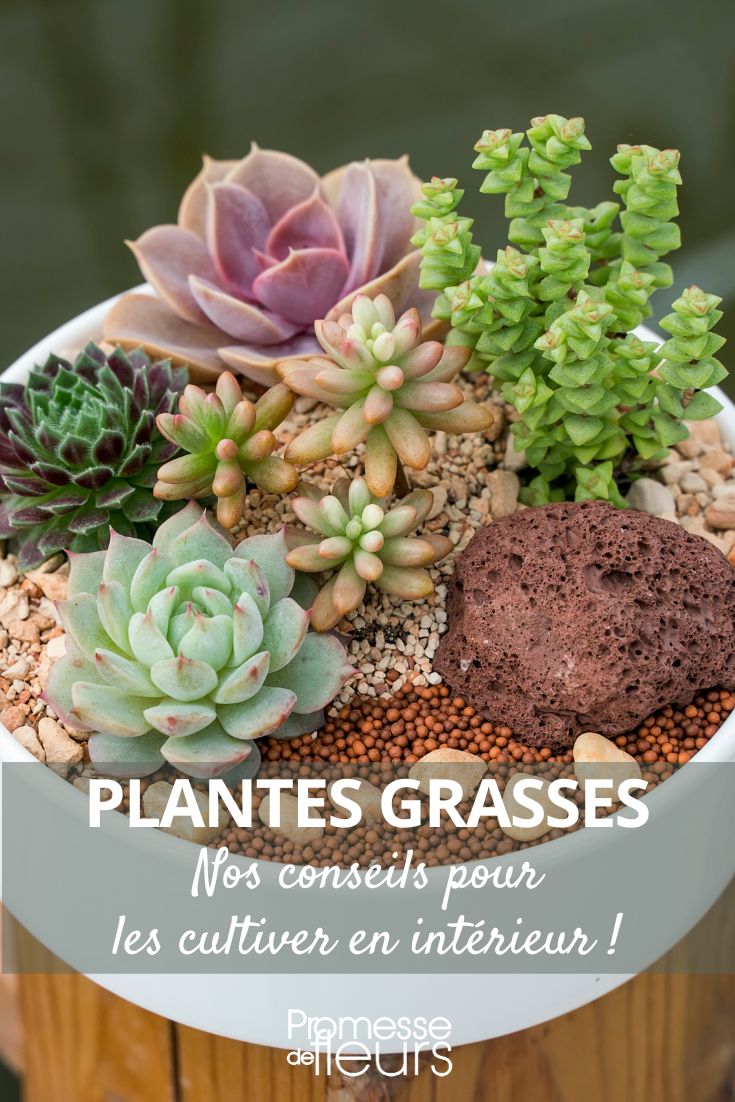
Create very pretty mixed pots with succulents
A selection of species suitable for indoor cultivation
Choosing the right succulents for your indoor space is crucial for their thriving and for creating a pleasant environment. Generally, at the nursery or online, it is specified whether a given succulent is suitable for indoor or outdoor cultivation, as not all species can survive in both environments.
Aloe vera
Aloe vera is not only appreciated for its medicinal properties but also for its ease of cultivation indoors. This succulent requires good light and moderate watering, making it ideal for sunny windowsills. This uniquely shaped plant develops long green leaves that bring an exotic touch to any space.
→ Read also How to grow Aloe vera?
Echeveria
Echeverias develop symmetrical rosettes of tightly packed foliage in a range of colours; they are among the most popular succulents for interior decoration. They thrive with plenty of light and occasional watering. Their compact form makes them ideal for small spaces or as office plants.
Crassula
Crassula, often called the Jade plant, is another excellent option for indoors. Over time it forms like a small bush, with a thick trunk and thick, glossy leaves; it can become an attractive focal point in any room. This succulent is particularly tolerant of missed waterings and prefers bright conditions, but can also adapt to lower light. It is one of the easiest to cultivate due to its forgiving nature.
→ Read also Growing a Jade tree indoors.
Haworthia
Haworthias are compact, easy-to-care-for succulents, ideal for small spaces. With leaves often striped or dotted with white on a green background, they add unique texture and pattern to a display or a terrarium, or fill a small round pot like no other. They prefer bright environments but also tolerate indirect light, making them perfect for less sunny apartments.
Sedum
Sedums are known for their robustness and ease of cultivation. They offer a wide variety of shapes and colours, ranging from emerald green to deep purple. These succulents are ideal for those looking to add a touch of colour to their interiors. They thrive with moderate watering and plenty of light.
Kalanchoe
Kalanchoe is another attractive option for interiors. Known for its colourful flowers, it brings a cheerful touch. This succulent requires a bit more attention, particularly regarding watering and light, but its spectacular flowering is worth it.
Senecio et Rhipsalis
Senecios offer an incredible range of shapes, from the bead-shaped leaves of Senecio rowleyanus to the long stems of Senecio radicans. These plants are perfect for creating a cascading effect in hanging baskets or on high shelves. They like bright light and require moderate watering. Other hanging plants to consider are Rhipsalis, which form tufts of striking foliage.
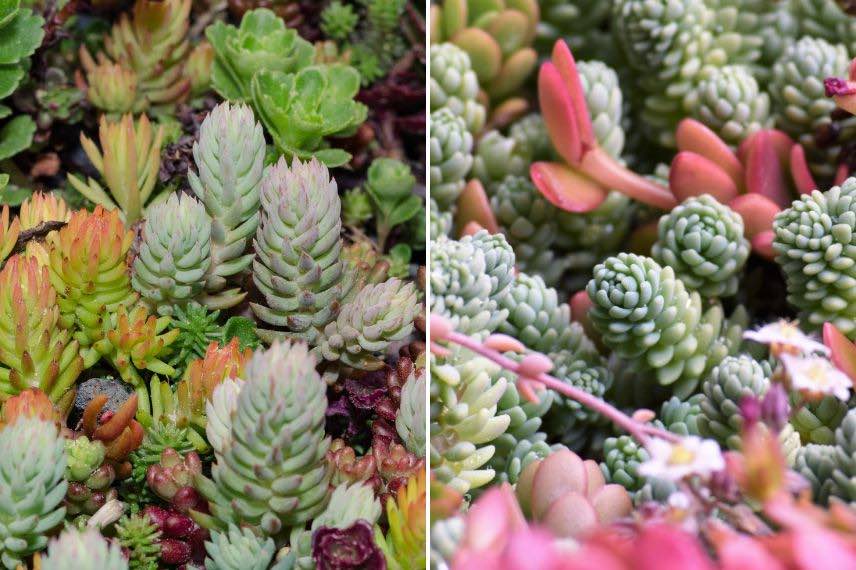
The diversity of foliage and colours is exciting in succulents
Optimal growth conditions
For your succulents to thrive indoors, it is essential to provide them with the appropriate growth conditions.
Light: a key factor for growth
Light is the crucial element for the health of succulents. Most species require a large amount of direct or indirect light. Place your plants near south- or west-facing windows to maximise their exposure to natural light. If direct sunlight is too intense, use a sheer curtain to filter the rays.
Temperature: thermal comfort for succulents
Succulents generally prefer temperatures between 18 and 24 degrees. They can tolerate variations, but it is important to avoid cold drafts or direct heat sources such as radiators, which can stress the plant. During winter, make sure to protect them from the cold by moving them away from windows.
Watering: balancing humidity and drainage
Watering is often the trickiest aspect of growing succulents. They need less water than other houseplants. Overwatering can lead to root rot. Let the potting mix dry out completely between waterings for several days and ensure that water drains freely from the bottom of the pot. Also, do not leave stagnant water in the saucer.
→ To learn more, read our article: “How to water your succulents correctly?“.
Potting mix and pots: ensure good drainage
Choose a potting mix specially formulated for cacti and succulents, which provides good drainage. Depending on your indoor humidity or if you tend to overwater, do not hesitate to add draining elements such as perlite, even if you have chosen a suitable potting mix. Pots should also have drainage holes to prevent water accumulation. Terracotta pots are particularly recommended, even the only practical option, because they allow the potting mix to dry more evenly and quickly, thanks to the porosity of the material.
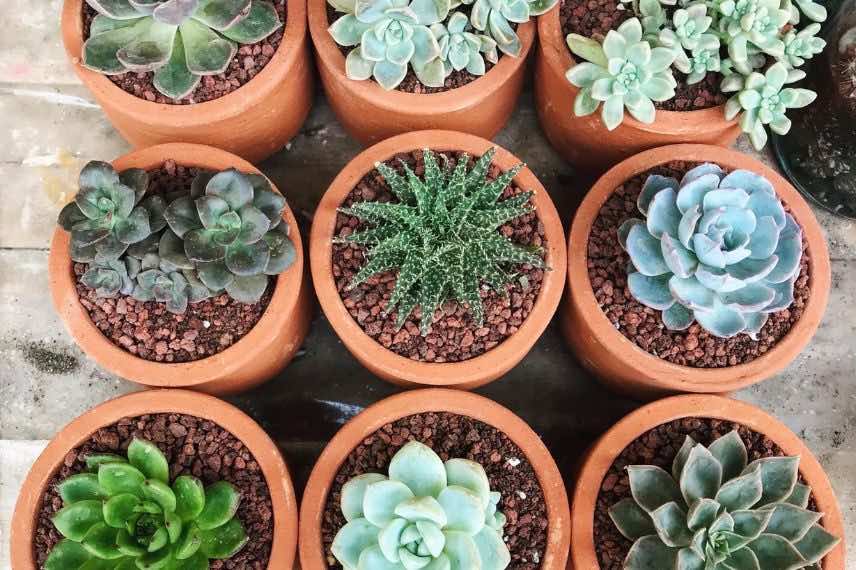
Some assorted specimens in a terracotta pot: Sedum, Echeveria, Haworthia
Read also
How to plant succulent plants in pots?Maintenance
Proper maintenance is essential to keep your succulents healthy and attractive.
Daily and seasonal care
Succulents require little daily care, but regular attention is important. Check the soil moisture regularly to avoid overwatering. During the winter months, reduce watering. In summer, they may need more frequent watering due to heat and increased light.
Watch for signs of stress such as wilting, discoloration or leaf drop. These symptoms can indicate a problem with watering, light or pests. By identifying these signs early, you can adjust the growing conditions or treat problems before they worsen. Finally, for even growth, rotate your succulents regularly. This ensures that all parts of the plant receive equal light, thus avoiding uneven growth or leaning towards a light source.
→ Also read: “Preparing your succulents for winter: our tips and tricks“.
Pruning and cleaning
Pruning is not often necessary for succulents, but it can help maintain their shape and remove damaged or dead parts. Use clean scissors to cut off dead leaves or overly long stems. Remove dust from the leaves with a soft cloth or brush; this will allow the plant to breathe and absorb light more effectively.
Multiplication
Propagating succulents is a simple and rewarding process, allowing you to expand your collection or share your plants.
Propagation by cuttings: the most effective method
Propagation by cuttings is the most common method for multiplying succulent plants. Select a healthy leaf or stem and cut it with a clean, sharp knife. Allow the cut to dry for a few days until a callus forms (or not). Then place the cutting on cactus compost and water moderately and regularly. Over time, new roots will appear, and a new plant will begin to develop.
Division: for older plants
Division is ideal for succulent plants that have formed clumps or rosettes. Carefully remove the plant from its pot and separate the clumps or rosettes into sections, ensuring each section has roots. Replant each section in its own pot with fresh potting compost. This method is quick, but it is only possible with well-established specimens.
Tips for successful propagation
Ensure your tools are clean to avoid the spread of disease. Keep cuttings and seedlings in a stable environment with bright, indirect light and a consistent temperature. Avoid overwatering to prevent rot. But water regularly to encourage root growth.
Common issues
Even with the best care, succulent plants can sometimes encounter problems.
Root rot: ease off the waterings!
Root rot is a common problem, often caused by overwatering. If you notice your plant’s leaves becoming soft or blackening, check the roots. If they are brown and soft, remove the rotted parts and repot the healthy portion into fresh potting compost. To prevent this issue, allow the potting compost to dry out completely between waterings. If you think your indoor environment is too humid, you can also add more drainage materials such as perlite.
Insect infestations: identify and treat
Aphids, mealybugs and mites can sometimes infest succulent plants. These pests generally attack weakened or stressed plants. To treat them, use a mixture of water and black soap, or more targeted solutions (see the dedicated sheets in the related articles section). Spray the solution onto the plant, concentrating on the infested areas. Early detection of infestations comes from regular maintenance and careful monitoring.
Lack of light: symptoms and solutions
A lack of light can lead to etiolation of the plant, where stems become long and thin, and the leaves pale. If you observe these signs, move your plant to a brighter spot. If natural light is insufficient, consider using grow lights to provide additional illumination.
Colour changes: understanding the causes
Colour changes can be normal, especially if succulent plants develop brighter hues in response to intense light. However, if the leaves turn yellow or brown, this may indicate a watering problem or disease. Adjust watering and examine the plant for other signs of stress.
- Subscribe!
- Contents
Comments