





























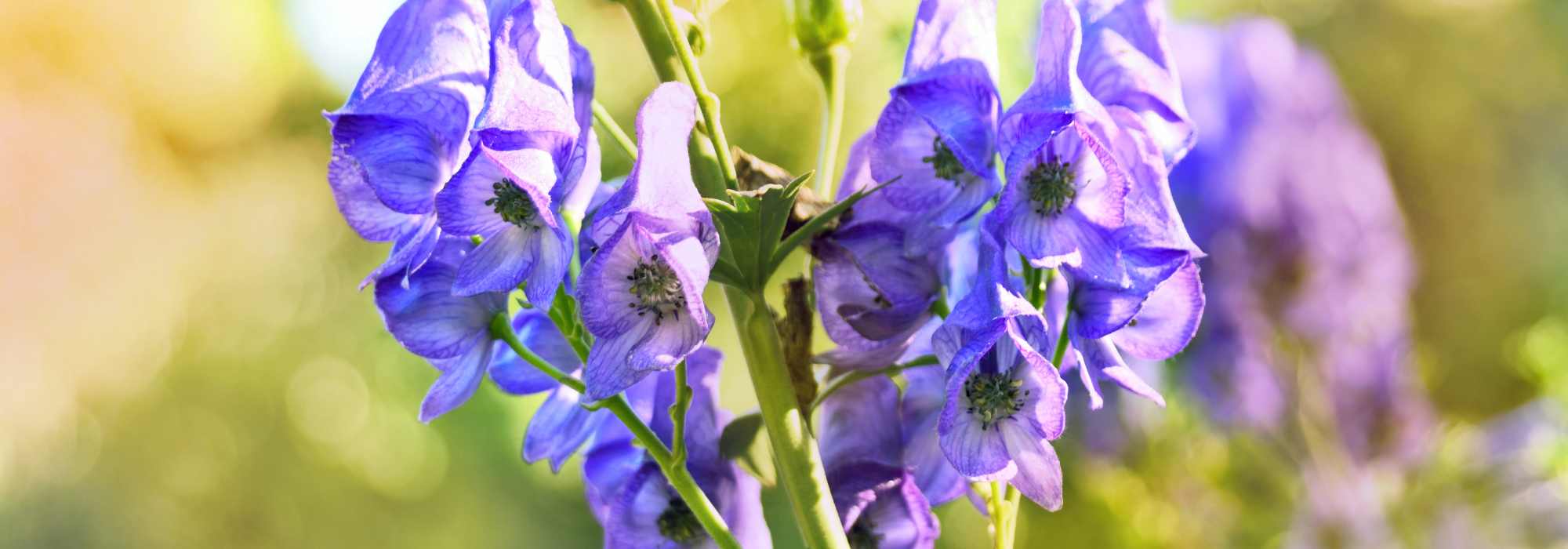
Toxic plants in Nature
Beware of poisoning!
Contents
Nature is a true haven of peace, an inexhaustible source of inspiration and well-being. For gardeners and hikers, discovering new plants, trees and flowers is often a real joy. However, this botanical world, as attractive as it is, sometimes hides unsuspected dangers: toxic wild plants. It goes without saying that it is essential to be able to identify these dangerous species that could jeopardise your health and that of your loved ones, including your pets.
The aim of this fact sheet is to raise awareness of the risks associated with toxic plants in nature and to provide you with the tools necessary to identify and avoid them. In the sections that follow, we will discuss the characteristics that will help you recognise these plants, the symptoms to monitor in case of ingestion or contact, as well as the preventive measures to minimise the risks.
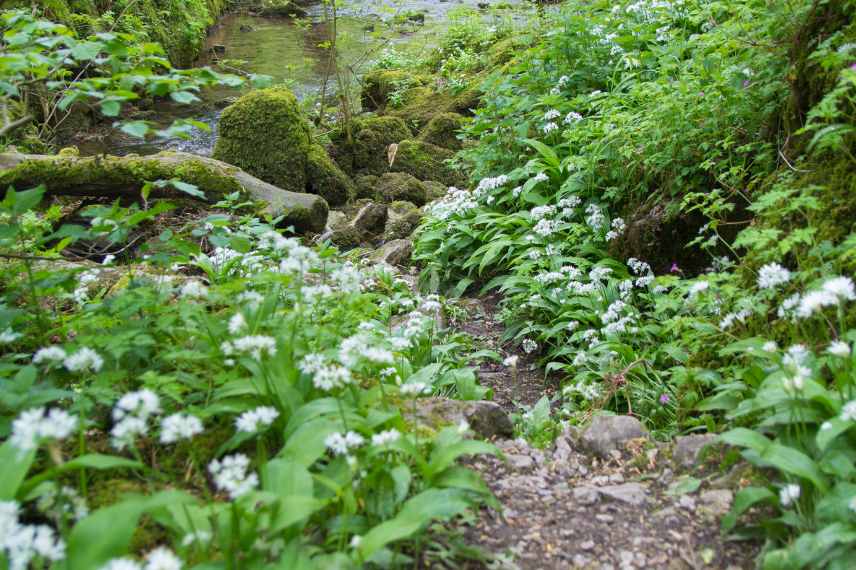
The joy of nature walks! And always pay attention to the plants you may encounter there…

Nature isn't always your friend
One of the most crucial aspects of avoiding the dangers posed by poisonous wild plants is knowing how to identify them. It isn’t always easy to tell a toxic plant from a harmless one, especially when they look alike. Here are some tips to help you recognise these dangerous plants.
Common characteristics of poisonous plants
First, note that poisonous plants can often be identified by certain common characteristics. They may have glossy leaves, berries or flowers in bright colours to attract humans and animals. However, these characteristics are not hard and fast rules, and there are exceptions.
Commonly encountered examples of poisonous wild plants
- Belladonna: Easily recognisable by its black berries and purple flowers, belladonna is extremely dangerous if ingested.
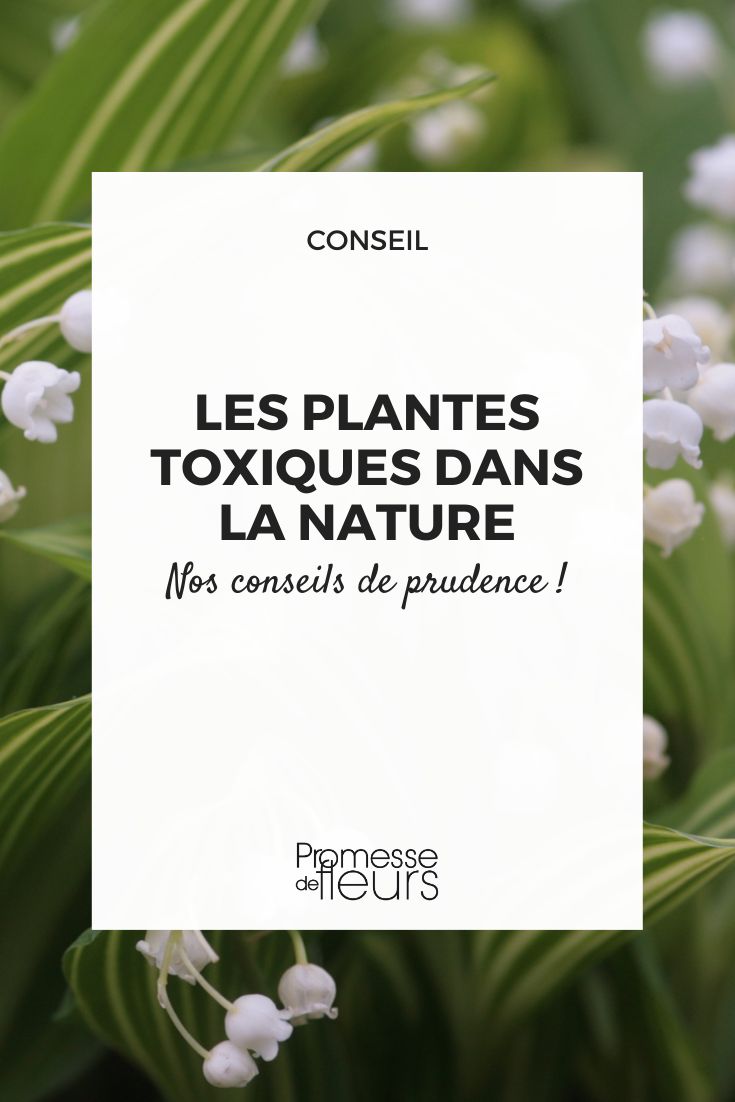
- Lily of the Valley: Despite its delicate appearance and white flowers, Lily of the Valley is a poisonous plant that can cause heart problems if ingested.
- Hemlock: Often mistaken for other plants such as parsley or wild carrot, hemlock has spotted stems and deeply divided leaves. It is fatal if ingested.
- Oleander: Oleander is toxic from root to leaf.
- Foxglove: The whole plant is toxic, but especially the leaves and seeds.
- Aconite: Ingestion of the plant paralyzes the respiratory and circulatory systems.
- Meadow saffron: Toxic to humans and animals. The leaves can be mistaken by novices for those of wild garlic.
- Datura: All parts of the plant are toxic and can be fatal.
These plants are only a few examples among the many dangerous species you may encounter. It is therefore essential to continually educate yourself on the subject to identify these plants with certainty.
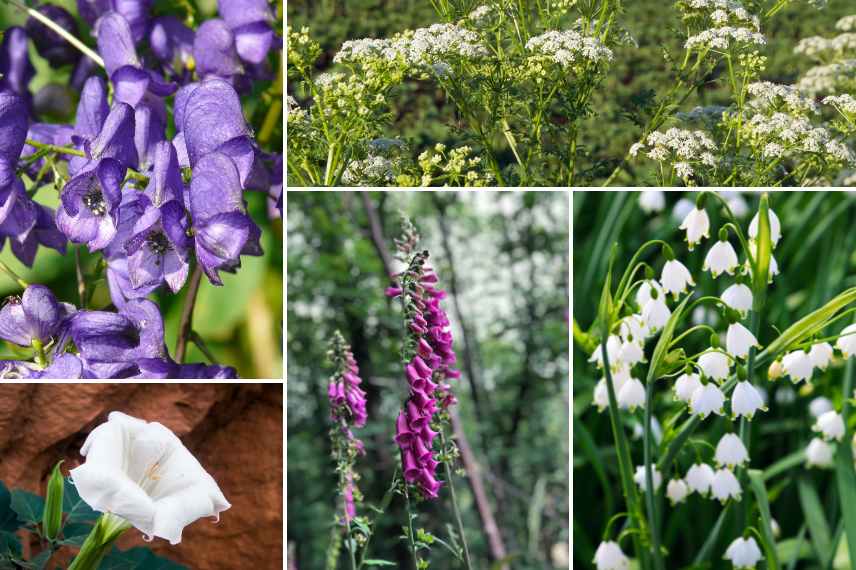
Aconite, Hemlock, Datura, Foxglove and Lily of the Valley
The main molecules that can be found in poisonous plants
Poisonous plants contain various types of chemical compounds that contribute to their toxicity. These substances vary considerably depending on the plant, but here are some examples of molecules commonly found:
- Alkaloids: Present in belladonna, foxglove and other plants, alkaloids can affect the central nervous system and the heart.
- Cyanogenic glycosides: Found in the kernels of fruits such as cherries or almonds. They can release cyanide during digestion.
- Coumarins: Found in plants such as sweet clover, they can cause haemorrhages or problems with blood coagulation.
- Oxalic acid: Present in plants such as rhubarb, this acid can cause kidney problems when consumed in large quantities.
- Saponins: Found in vegetables such as green potatoes. In large quantities, they can cause digestive disturbances.
- Tannins: Although generally less toxic, tannins present in certain plants such as oak can cause irritation and gastrointestinal disturbances.
- Terpenes: Found in numerous essential oils and they can be toxic in large quantities, sometimes affecting the liver.
- Phenols: These compounds are often antiseptic, but can be toxic in large quantities. Found in plants such as eucalyptus.
- Furocoumarins: Present in certain plants such as wild parsnip, these compounds can trigger skin reactions when exposed to sunlight.
Each of these compounds has different effects on the human or animal body, ranging from mild irritations to serious medical conditions, or even death. Hence the importance of properly identifying and understanding the toxicity of the plants we encounter.
Toxicity: an astonishing defence mechanism
Plant toxicity is generally a defence mechanism that they have developed over the course of evolution to protect themselves against herbivores, parasites or diseases. The toxic substances they produce can deter animals from eating them or insects from infesting them, thus enabling the plant to survive and reproduce.
It is also important to note that toxicity can vary according to the different parts of the plant (leaves, stems, roots, fruits) and can also fluctuate depending on environmental conditions such as climate or the soil in which they grow.
In summary, plant toxicity is a fascinating aspect of their biology, developed as part of their adaptation to their environment. As surprising as it may seem, plant toxicity plays an essential role in biodiversity and the balance of ecosystems. Even though it is dangerous for us or for our animals, this adaptation exists for a good reason.
Risks to human health
If you have identified a plant as toxic, it is essential to understand the health risks it poses to humans. The consequences of contact or ingestion can vary considerably depending on the plant and the amount consumed. The symptoms can also differ from person to person.
Symptoms of poisoning
In general, poisoning symptoms may include nausea, vomiting, diarrhoea, dizziness, and in more serious cases, seizures or heart complications. It is important to act quickly in cases of suspected contact or ingestion to limit the damage.
Special cases: children and domestic pets
Children and domestic pets are particularly vulnerable to toxic wild plants. Their natural curiosity often leads them to taste or touch the plants around them. Consequently, they are more likely to consume toxic parts of the plant. To protect them, educate them from an early age about the dangers of toxic plants and ensure they do not have access to them.
Taking into account the health risks associated with toxic wild plants is essential to avoid dangerous situations, as the consequences can be fatal in some cases.

Children are more vulnerable than adults in nature; please supervise them during your walks
Read also
7 toxic shrubsPreventive measures
Now that we have examined the health risks associated with toxic wild plants, it is time to focus on preventive measures. These proactive actions are essential to minimise the risks associated with these dangerous plants and to ensure your safety, as well as that of your loved ones.
Equipment and tools to prevent contact
Wearing thick gloves when handling unknown or suspected plants is strongly recommended. Similarly, always use gardening tools to avoid direct contact with the plant. These precautions will help minimise the risks of skin reactions or other symptoms related to physical contact.
The importance of information and training
The best means of prevention remains education and information. Learn to identify toxic local wild plants and share this knowledge with your loved ones. Many resources, such as mobile apps and specialist books, can help you in this endeavour. Sharing information within your community can also help prevent accidents.
The establishment of effective preventive measures is the essential complement to the identification of toxic wild plants. These measures will allow you to enjoy your outdoor and gardening activities safely.

Wear gloves when handling plants you are unfamiliar with
What to do in the event of ingestion or contact?
Despite all precautions taken, accidents can occur. Whether you are an experienced gardener or an occasional walker, it is vital to know how to respond in the event of contact or ingestion of a toxic wild plant. Your quick and appropriate response can make the difference between a minor outcome and a potentially fatal situation.
First aid and emergency measures
-
Rapid identification of the plant: Take a photo or note the features of the plant to help health professionals identify the toxin.
- Emergency call: Call emergency services on 999 or your local poison information centre. Provide as much information as possible about the plant and the symptoms observed.
- Do not induce vomiting: Unless advised otherwise by medical staff, do not induce vomiting, as this may worsen the situation.
-
Washing the contact area: If skin has come into contact with the plant, wash thoroughly with water and soap. Avoid rubbing to prevent spreading the toxin.

A quick tip: photograph the suspected plant(s)
When to consult a doctor or a veterinarian?
Consult a health professional as soon as possible, even if symptoms seem minor. Some effects of toxins can be delayed or have long-term consequences.
The same applies to domestic animals. Consult your veterinarian immediately if you suspect they have ingested or been in contact with a toxic plant.
By knowing the emergency steps to take in case of contact or ingestion of toxic wild plants, you will be better prepared to handle these delicate situations.
Useful resources
To go further in your quest for information on toxic wild plants and prevention measures, here is a list of useful resources that will help you gain a better understanding of the issues involved.
Mobile apps for plant identification
In the digital age, several mobile apps have been developed to help identify plants in just a few taps. Some of these apps, such as PlantNet, can be valuable allies, especially when you’re on the move and are unsure about a plant.
Specialist books and guides
There are many field books and field guides dedicated to botany and toxic plants. These works offer detailed information, often with illustrations to aid identification. Among the essentials, we would mention “Edible and Toxic Wild Plants” by François Couplan or the “Guide to Toxic and Allergenic Plants” by Michel Botineau, an excellent guide, easy to use, even for a beginner (NB: incidentally all books in the ‘fous de nature‘ collection from Bellin Editions deserve to be read!). If you would like to learn more about the strategies plants use in defence based on their toxicity, we recommend: “Les plantes qui tuent” by Elizabeth Dauncey from Ulmer Editions.
Websites and specialist blogs
Websites such as the French Society of Toxicology provide detailed fact sheets and guidance to avoid the dangers associated with toxic plants. You will also find articles and scientific studies on the subject there.
Courses and training workshops
Several organisations offer specific training on toxic plants. These workshops will enable you to gain practical skills to identify and handle these plants safely.
In short, many resources are at your disposal to educate yourself about toxic wild plants. Use them to broaden your knowledge and ensure your safety, as well as that of those around you.
Frequently Asked Questions
- What is the most toxic wild plant?
Belladonna is commonly regarded as one of the most toxic wild plants. A small amount of its berries can lead to severe symptoms and even death if not treated promptly.
- How to identify a toxic plant?
Identifying toxic plants can be complex due to botanical diversity. It is recommended to consult field guides, mobile apps or botanists for reliable identification.
- What should I do if my pet has ingested a toxic plant?
If you suspect that your pet has ingested a toxic plant, contact your vet immediately for an emergency consultation. Keep a sample of the plant in question to help with identification and treatment.
- Where can I find more information about toxic plants?
Resources such as specialised books, websites and even courses and workshops can provide detailed information on toxic plants and how to avoid them.
- Are there any antidotes for plant poisonings?
There are generally no universal antidotes for plant poisonings. Treatment depends on the type of plant ingested and the symptoms presented. Prompt medical attention is crucial.
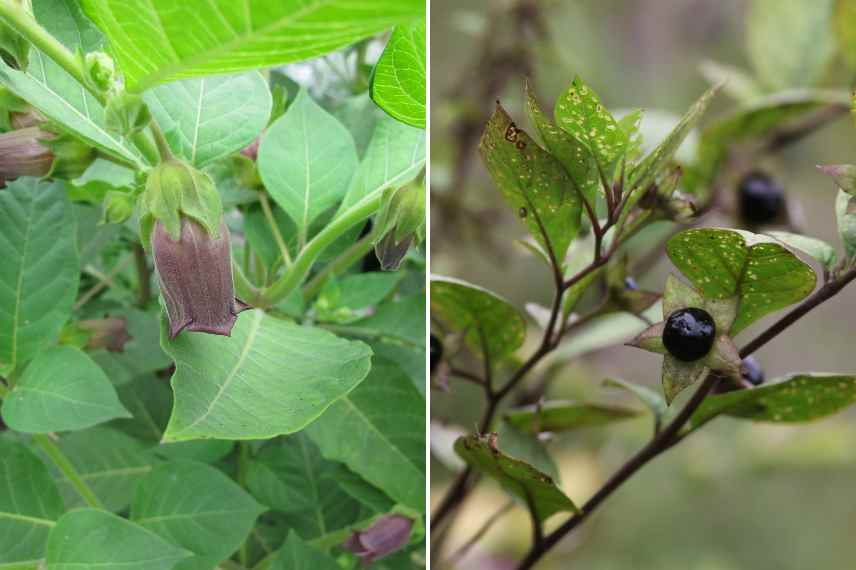
Belladonna: flowers, foliage and berries on the right
Prudence = safety
As we have explored, toxic plants pose a serious risk to human and animal health. That is why it is important to learn how to identify them, to take effective preventive measures and to know how to respond in the event of exposure.
Awareness and education remain your best allies in minimising dangers. Therefore, we encourage you to deepen your knowledge through the many resources available: mobile apps, books, specialist websites and training courses.
Prudence is essential, whether you are an experienced gardener or simply a nature lover. Nature is both a source of wonder and an environment that must be respected, so that you can enjoy it safely. In conclusion: don’t eat just anything, whether in your garden or in the wild!
- Subscribe!
- Contents
Comments