



























Dandelions... We hate them, we torment them, we hunt them down! How many gardeners want to get rid of them (well, the roots, actually...) because they don't "look tidy" in their lovely lawn?
And yet, if you only knew how interesting this flower is for the wildlife in our gardens! And not just that... I tell you: this friendly representative of the Asteraceae family, known as Taraxacum officinale, certainly does not deserve such persecution. Here are the reasons why...
Dandelions are useful to insects
Dandelions are host plants for certain moths, such as the Dandelion Sphinx, for example, but also for tiny beetles: some Meligethes (a very broad genus that is difficult to identify precisely...). As with other wild plants, the systematic eradication of dandelions in your garden will significantly reduce the populations of the insects that depend on them, particularly these moths.
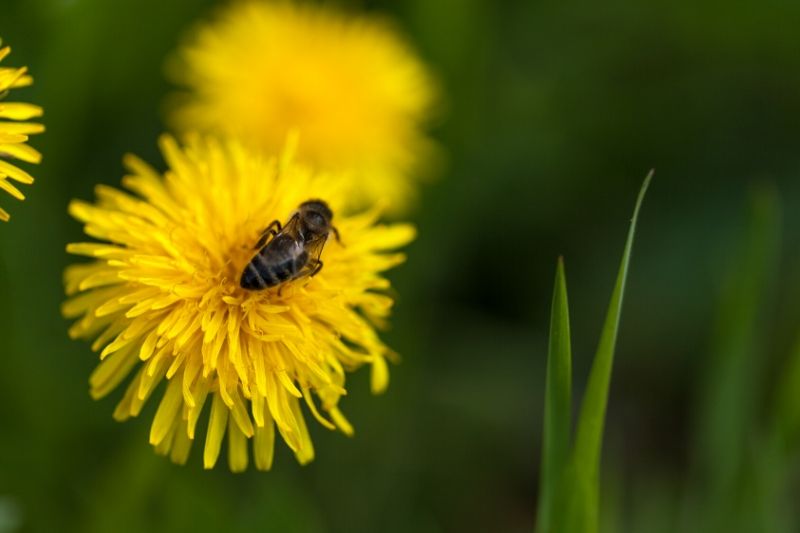
But that's not all! It is also one of the most nectariferous and melliferous flowers in our flora. And as it blooms from May to October, it has plenty of time to nourish a multitude of different insects: day-flying butterflies, beetles, leafhoppers, hoverflies, bees, and wild bumblebees...
Did you know? Not all yellow-flowered Asteraceae are dandelions. Identifying these plants can sometimes be a real puzzle. When in doubt, let everything grow!
Dandelions feed birds and other small creatures, too
Let's momentarily forget about insects and focus on the other inhabitants of the garden!
Some seed-eating birds, like the Goldfinch, enjoy nibbling on a few seeds, the flowers, and even the leaves of dandelions. Geese and chickens love dandelion leaves too. So don't hesitate to give them some!
Some small mammals like the Shrew or the Harvest Mouse are fond of dandelion flowers.
Let's not forget the insectivorous predators that hover around this true pantry: birds, mammals, predatory insects, spiders, and even... bats at night.
Everything is edible in the dandelion!
The dandelion is an ancient vegetable that contains vitamin C, β-carotene, iron, and potassium. There are even improved varieties of dandelions that can be grown in the vegetable garden.
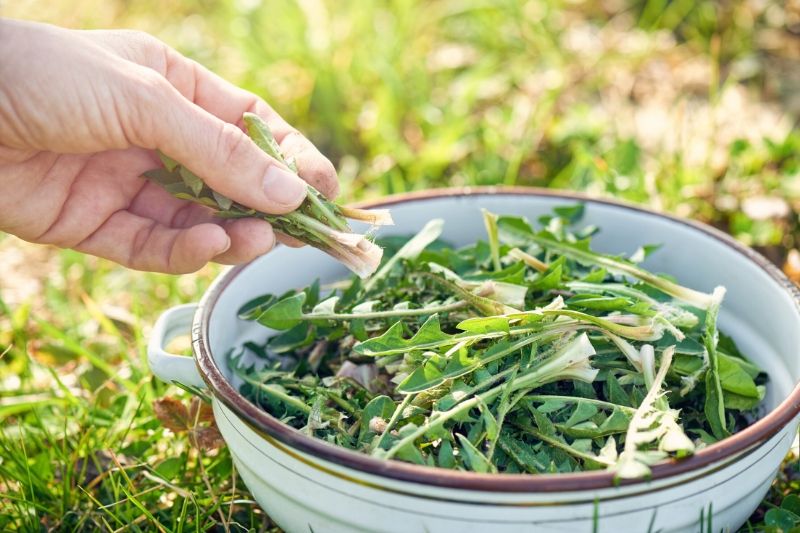
The leaves can be eaten in salads, and the flower buds can be consumed like capers. During wartime, people even managed to create a coffee substitute from dandelion roots.
The flowers are also edible and are enjoyed when they are sweet... The only risk: ending up with a pollen-covered moustache and having to endure your neighbour's strange look! Finally, the petals are also harvested to make the famous cramaillotte (dandelion jam) or dandelion wine... Dandelion honey is also a delight!
Note: however, be careful not to harvest them in pastures. Raw leaves can transmit liver fluke. As dandelions concentrate pollutants, avoid picking them from contaminated land.
The Taraxacum officinale, the common dandelion, is a medicinal plant as its name suggests. It is diuretic and depurative and has antioxidant properties.
Did you know? Some people love dandelions (the genus Taraxacum) so much that they collect them like others would collect dogwoods, roses, or snowdrops! Personally, I almost succumbed to a very beautiful Taraxacum pseudoroseum with yellow-pink flowers at a wild plant specialist...
Dandelion, an organic indicator plant
Did you know that a proliferation of dandelions in one place indicates a rich soil, particularly in nitrogen? The massive presence of these flowers also reveals soil that is too compacted, even asphyxiated. Certainly, poor soils have the greatest botanical diversity, hence the greatest faunal diversity... but that is no reason to exterminate these poor dandelions!
Fighting dandelions: a useless enterprise...
Relentlessly trying to remove dandelions is not only fighting against windmills with a simple lance but is also yet another attack on biodiversity and the balance of nature. In addition to serving as food for a whole range of wildlife, the dandelion is also capable of fixing soil contaminants such as certain heavy metals (lead, cadmium...). Edible and medicinal, the dandelion is one of the first flowers to nourish both domestic and wild bees, whose populations are already suffering greatly. You will understand that all these qualities are worth leaving a few "yellow spots" in your lawn.

Comments