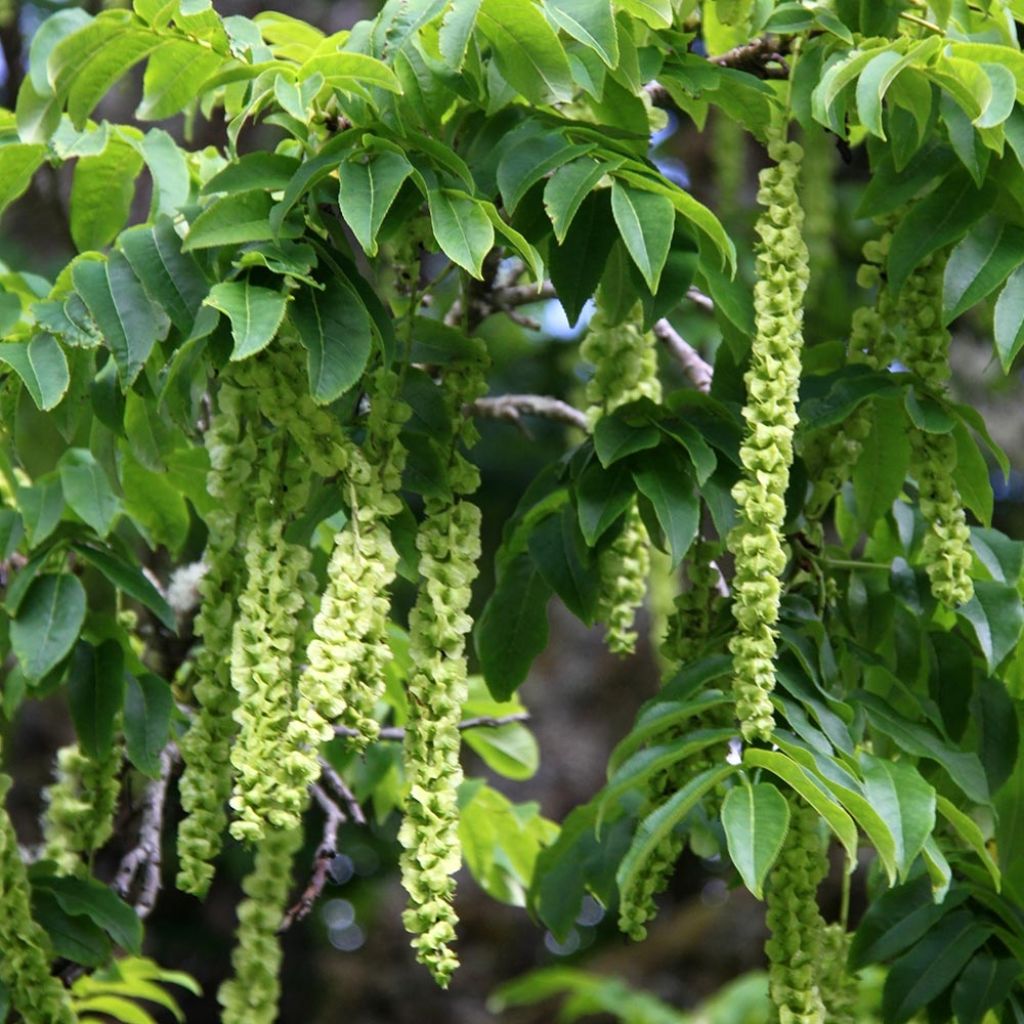
Pterocarya fraxinifolia - Caucasian wingnut
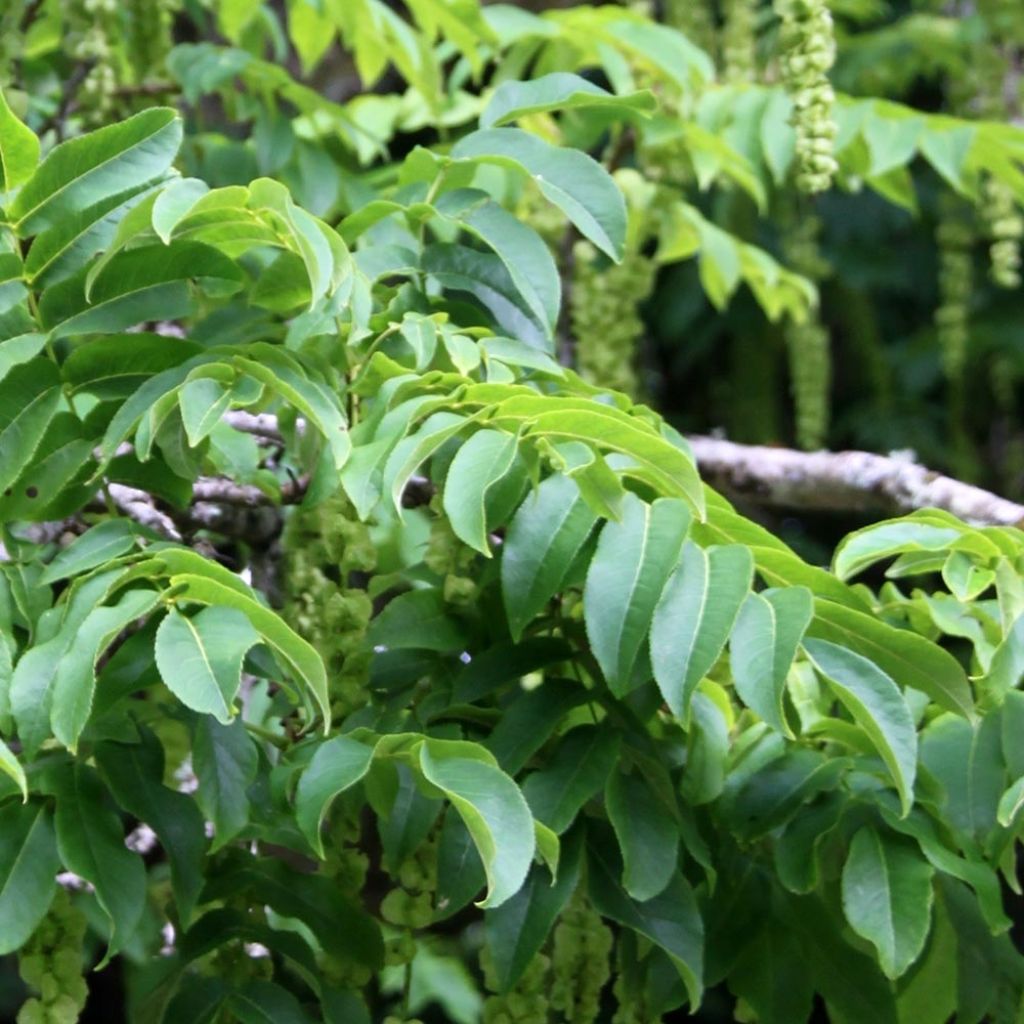
Pterocarya fraxinifolia - Caucasian wingnut
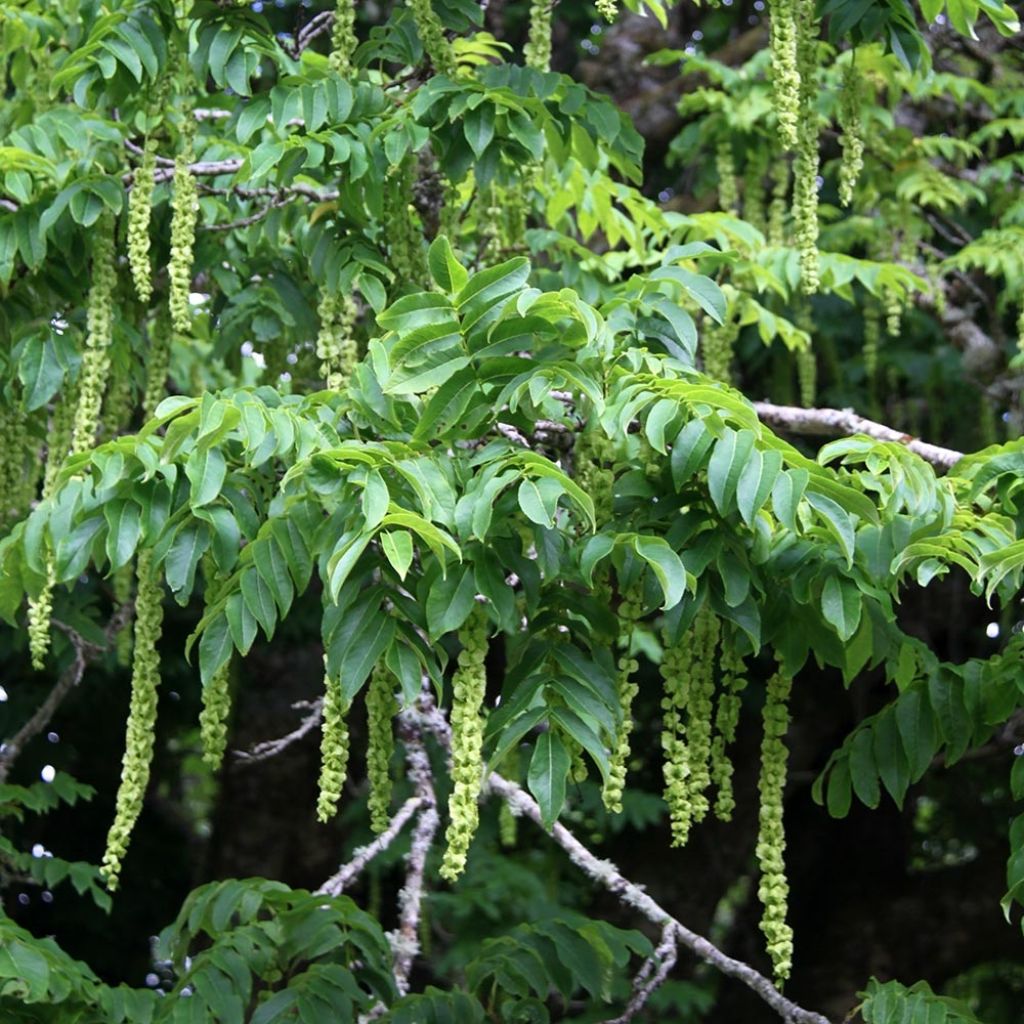
Pterocarya fraxinifolia - Caucasian wingnut
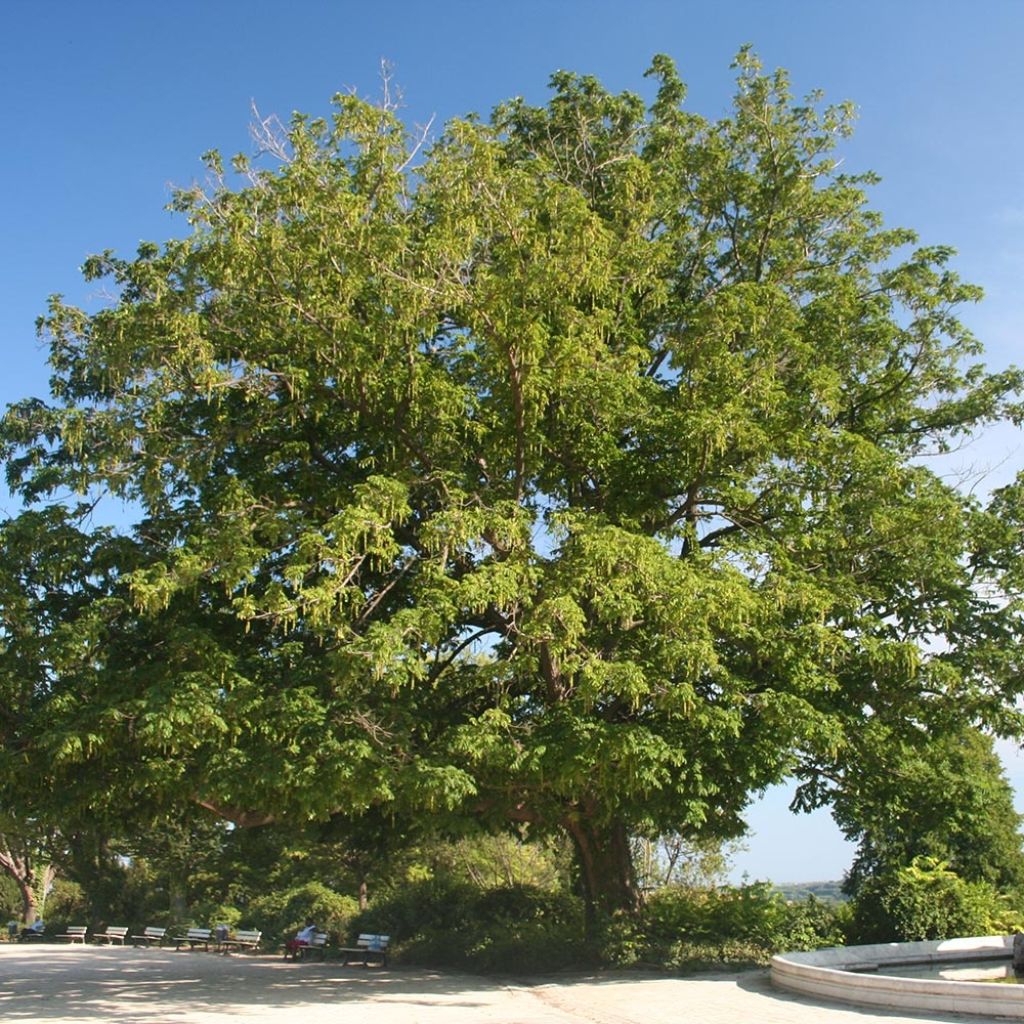
Pterocarya fraxinifolia - Caucasian wingnut
Pterocarya fraxinifolia - Caucasian wingnut
Pterocarya fraxinifolia
Caucasian wingnut, Caucasian walnut
Back-to-school special offer!
Get €10 off for every €50 you spend! And get up to €40 off on a single order.
How does it work?
1. Shop your favourites
Add your favourite plants to your basket. For every €50 you spend (excluding delivery charges, store credit and the plastic-free option), you’ll receive a €10 voucher.
€50 spent = €10 voucher
€100 spent = €20 voucher
€150 spent = €30 voucher
€200 spent = €40 voucher
2. Place your order
Once your basket reaches one of the spending thresholds, place your order. You can even choose your delivery date!
3. Receive your voucher
As soon as your order has been shipped, you’ll receive an email containing your personal voucher code and its value.
4. Use it on your next order
Your voucher is valid for 90 days from the date you receive it. It can be used once only, on a new order worth at least the value of the voucher, excluding delivery charges.
Please note: Vouchers can be combined with other offers, but cannot be split or refunded.
Why not try an alternative variety in stock?
View all →
Available in 1 sizes
Available in 1 sizes

Available in 1 sizes
Available in 1 sizes
Available in 1 sizes

Available in 1 sizes
Available in 1 sizes

Available in 1 sizes
Available in 1 sizes
Available in 1 sizes
This plant carries a 24 months recovery warranty
More information
We guarantee the quality of our plants for a full growing cycle, and will replace at our expense any plant that fails to recover under normal climatic and planting conditions.
Would this plant suit my garden?
Set up your Plantfit profile →
Description
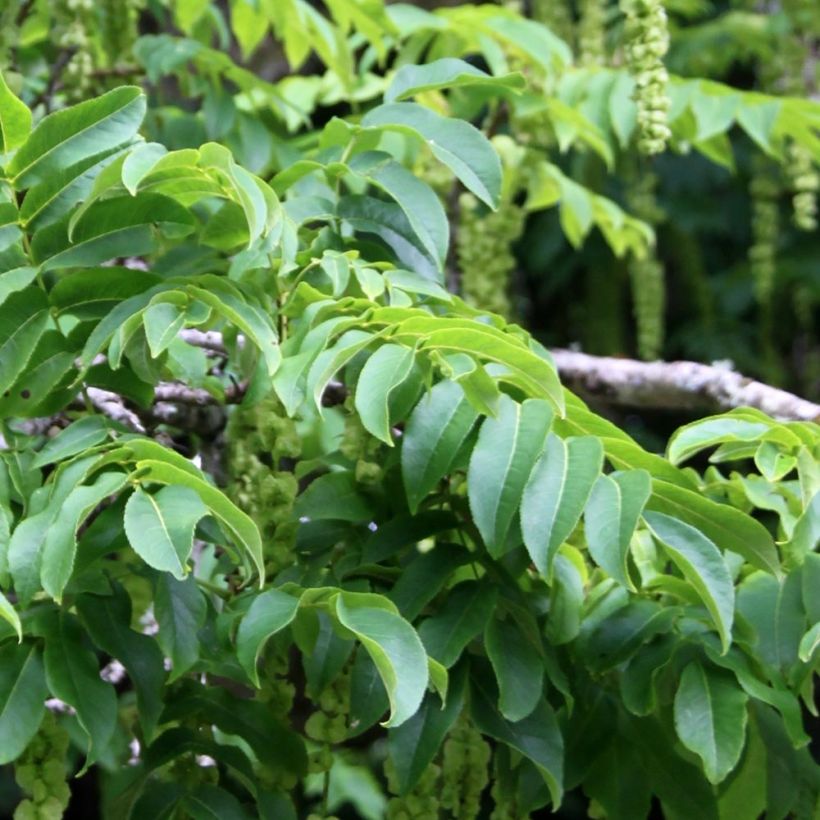
Le Pterocarya fraxinifolia, également appelé Noyer du Caucase, est un arbre caduc vigoureux et majestueux apparenté au célèbre noyer. Cette essence forestière, qui colonisait autrefois une grande partie de l'Europe, est aujourd'hui principalement présente dans les montagnes du Caucase et de l'Elbrouz, du sud de la Russie jusqu'au nord de l'Iran. Très apprécié en tant qu'arbre de parc et arbre d'ombrage, le ptérocaryer développe une couronne large, porte un feuillage élégant composé de longues folioles d'un vert lustré et produit de longs épis pendants où se serrent des fruits verts et ailés, originaux et très décoratifs. Offrez-lui une exposition dégagée et ensoleillée ainsi qu'un sol profond, riche et frais à humide.
Le Pterocarya à feuilles de frêne est un arbre de la famille des Juglandacées. Cette espèce inféodée au climat tempéré européen, qui a trouvé refuge dans les montagnes du Caucase durant la dernière période glaciaire, a été (ré)introduite en France en 1784 en tant qu'arbre d'ornement. Très bien acclimaté en dehors de la zone méditerranéenne, bien trop sèche et trop chaude, cet arbre est présenté comme potentiellement invasif dans certaines régions où il a tendance à coloniser les rives et les berges des cours d'eau.
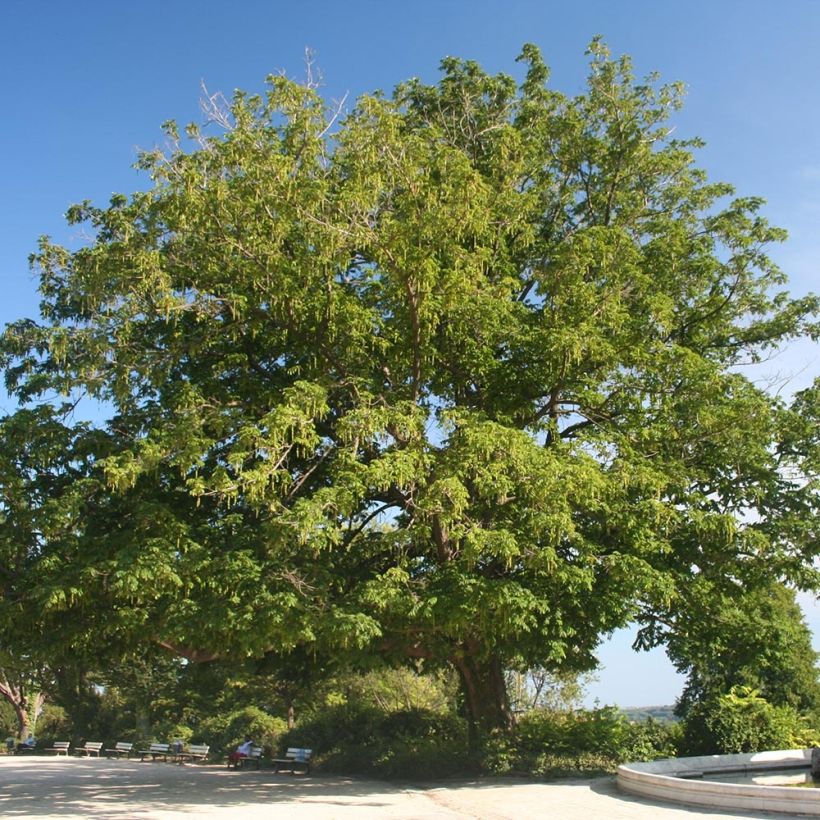
C'est un arbre vigoureux, de croissance rapide, qui peut atteindre 25m de hauteur pour 20m d'envergure au niveau du houppier. Il présente un port plus ou moins étalé, une ramification basse et une couronne dense. Son tronc peut mesurer jusqu’à 1,5 m de diamètre. Il est souvent ramifié et couvert d'une écorce brun-gris foncé parcourue de longues et profondes fissures sur les sujets âgés. Au printemps, il développe des bourgeons de couleur rouille et des jeunes pousses de couleur brune teintées de vert olive. Les rameaux portent des feuilles disposées de façon alterne, longues de 50-60 cm, composées de 11 à 25 folioles allongées, finement dentées, mesurant 8 à 12 cm de longueur. Leur couleur est un vert assez foncé lustré sur le dessus, les nervures sont pubescentes au revers. Avant de tomber en automne, les feuilles virent au jaune. La floraison a lieu en avril-mai, elle prend la forme de chatons pendants. Les chatons mâles mesurent 12 à 15 cm de long, les femelles jusqu'à 45 cm. Ces derniers portent des noix d'environ 2 cm de diamètre entourées de 2 ailes semi-circulaires, qui seront mûrs à l'automne et persisteront longtemps sur les rameaux. Les fruits, emportés par le vent et les cours d'eau, germent facilement dans les terres humides à détrempées. Le noyer du Caucase supporte bien la pollution urbaine.
Arbre très sain, le Pterocarya fraxinifolia a besoin d'espace et d'une terre toujours fraîche, il trouvera sa place en isolé, dans un grand jardin, où il assurera un coin d’ombre agréable en été. Pour agrémenter ce petit coin de fraîcheur, pensez à planter à son pied quelques bulbes pour le printemps et/ou quelques vivaces d’ombre pour l’été. Par exemple des cyclamens de Naples, perce-neige, narcisses, jacinthes des bois, des fougères ou des Eranthis. Le noyer du Caucase est également utilisé pour fixer les berges. Attention, il peut drageonner si ses racines sont blessées.
Report an error about the product description
Pterocarya fraxinifolia - Caucasian wingnut in pictures
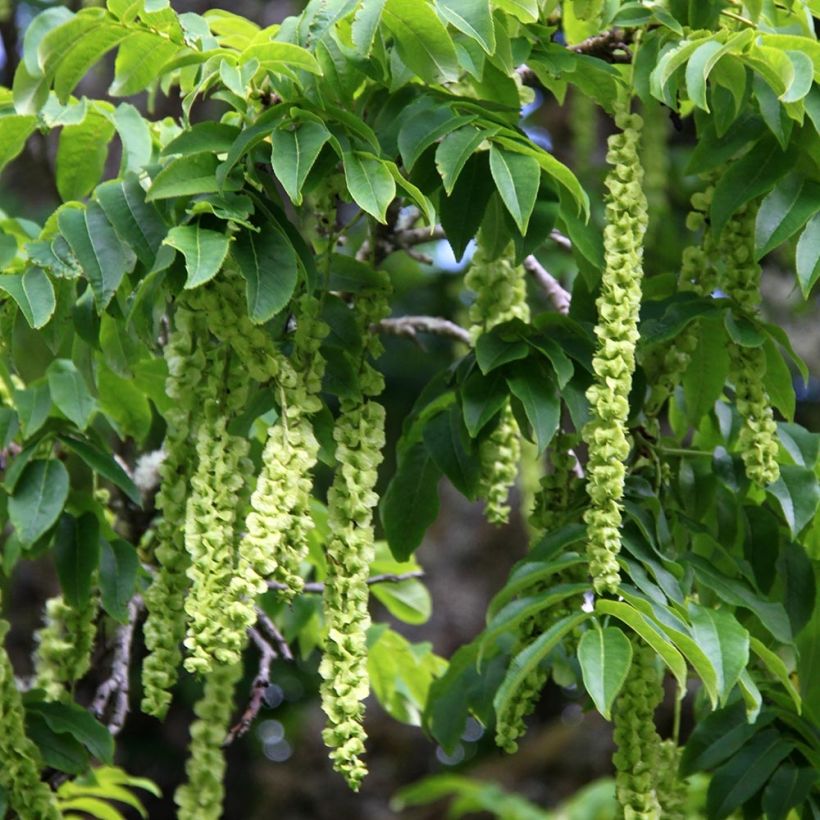
Plant habit
Flowering
Foliage
Botanical data
Pterocarya
fraxinifolia
Juglandaceae
Caucasian wingnut, Caucasian walnut
Caucasus
Planting and care
Plant your Caucasian wingnut (Pterocarya fraxinifolia) in autumn or spring, choose an open location with non-scorching sun, where the soil is deep and cool, and keep in mind the space it will eventually occupy. It appreciates fertile, clay or humus-bearing soils and tolerates occasionally waterlogged soils well, for example near watercourses. Maintain regular watering during the summer following planting and ensure it is protected from droughts for another year; mulching can help retain moisture at the base and reduce watering frequency. It's important to remember that this riverside tree needs permanently cool soil, at least at depth. Nevertheless, it can develop in drier locations if its roots are deeply embedded. The Caucasian wingnut tolerates pollution fairly well, but not salt spray. It is fully frost-resistant, though young leaves may be damaged by frost without serious consequences. Pruning involves balancing the tree's habit approximately every 3 years by possibly thinning the centre of the crown.
It may produce suckers if its roots are damaged: avoid mowing over them or digging nearby with a spade.
Planting period
Intended location
Care
Planting & care advice
-
-
-
-

-
-
-

-
This item has not been reviewed yet - be the first to leave a review about it.
Recently viewed products
Haven't found what you were looking for?
Hardiness is the lowest winter temperature a plant can endure without suffering serious damage or even dying. However, hardiness is affected by location (a sheltered area, such as a patio), protection (winter cover) and soil type (hardiness is improved by well-drained soil).

The flowering period indicated on our website applies to countries and regions located in USDA zone 8 (France, the United Kingdom, Ireland, the Netherlands, etc.)
It will vary according to where you live:- In zones 9 to 10 (Italy, Spain, Greece, etc.), flowering will occur about 2 to 4 weeks earlier.
- In zones 6 to 7 (Germany, Poland, Slovenia, and lower mountainous regions), flowering will be delayed by 2 to 3 weeks.
- In zone 5 (Central Europe, Scandinavia), blooming will be delayed by 3 to 5 weeks.
In temperate climates, pruning of spring-flowering shrubs (forsythia, spireas, etc.) should be done just after flowering.
Pruning of summer-flowering shrubs (Indian Lilac, Perovskia, etc.) can be done in winter or spring.
In cold regions as well as with frost-sensitive plants, avoid pruning too early when severe frosts may still occur.
The planting period indicated on our website applies to countries and regions located in USDA zone 8 (France, United Kingdom, Ireland, Netherlands).
It will vary according to where you live:
- In Mediterranean zones (Marseille, Madrid, Milan, etc.), autumn and winter are the best planting periods.
- In continental zones (Strasbourg, Munich, Vienna, etc.), delay planting by 2 to 3 weeks in spring and bring it forward by 2 to 4 weeks in autumn.
- In mountainous regions (the Alps, Pyrenees, Carpathians, etc.), it is best to plant in late spring (May-June) or late summer (August-September).
The harvesting period indicated on our website applies to countries and regions in USDA zone 8 (France, England, Ireland, the Netherlands).
In colder areas (Scandinavia, Poland, Austria...) fruit and vegetable harvests are likely to be delayed by 3-4 weeks.
In warmer areas (Italy, Spain, Greece, etc.), harvesting will probably take place earlier, depending on weather conditions.
The sowing periods indicated on our website apply to countries and regions within USDA Zone 8 (France, UK, Ireland, Netherlands).
In colder areas (Scandinavia, Poland, Austria...), delay any outdoor sowing by 3-4 weeks, or sow under glass.
In warmer climes (Italy, Spain, Greece, etc.), bring outdoor sowing forward by a few weeks.
Shipping country and language
Your country of residence may be:
Your country of residence is:
For a better user experience on our website, you can select:
Your shipping country:
-
 Austria
-
 Belgium
-
 Bosnia & Herzegovina
-
 Bulgaria
-
 Croatia
-
 Cyprus
-
 Czechia
-
 Denmark
-
 Estonia
-
 Finland
-
 France
-
 Germany
-
 Greece
-
 Hungary
-
 Iceland
-
 Ireland
-
 Italy
Italy
-
 Latvia
-
 Liechtenstein
-
 Lithuania
-
 Luxembourg
-
 Malta
Malta
-
 Netherlands
-
 Poland
-
 Portugal
-
 Romania
-
 Serbia
-
 Slovakia
-
 Slovenia
-
 Spain
Spain
-
 Sweden
-
 Switzerland
Language:
-
French
-
 English
-
Spanish
-
Italian
-
German
-
Portuguese
-
Dutch
-
Finnish
My Account
Hello
My wish lists
My cart
Log in / Register
Existing customer?
This form is protected by reCAPTCHA - the Google Privacy Policy and Terms of Service apply.
New customer?
Create an account to track your orders, access our customer service and, if you wish, make the most of our upcoming offers.