
Celery Secalinum organic seeds - Apium graveolens
Celery Secalinum organic seeds - Apium graveolens
Apium graveolens var. secalinum
Celery
Back-to-school special offer!
Get €10 off for every €50 you spend! And get up to €40 off on a single order.
How does it work?
1. Shop your favourites
Add your favourite plants to your basket. For every €50 you spend (excluding delivery charges, store credit and the plastic-free option), you’ll receive a €10 voucher.
€50 spent = €10 voucher
€100 spent = €20 voucher
€150 spent = €30 voucher
€200 spent = €40 voucher
2. Place your order
Once your basket reaches one of the spending thresholds, place your order. You can even choose your delivery date!
3. Receive your voucher
As soon as your order has been shipped, you’ll receive an email containing your personal voucher code and its value.
4. Use it on your next order
Your voucher is valid for 90 days from the date you receive it. It can be used once only, on a new order worth at least the value of the voucher, excluding delivery charges.
Please note: Vouchers can be combined with other offers, but cannot be split or refunded.
Home or relay delivery (depending on size and destination)
Important: You may be charged customs duties by your country’s customs authorities upon delivery.
Schedule delivery date,
and select date in basket
This plant carries a 6 months recovery warranty
More information
We guarantee the quality of our plants for a full growing cycle, and will replace at our expense any plant that fails to recover under normal climatic and planting conditions.
Description
Cutting Celery develops an aromatic foliage always at hand. Sourced from organic seeds of Apium graveolens var. secalinum, this leaf celery forms a compact, highly fragrant clump, to be harvested as needed. This plant withstands repeated cuttings while remaining dense. In a family vegetable garden, it offers a fresh and intense note to dishes and soups.
Cutting celery belongs to the Apiaceae family, like parsley or carrot. It corresponds to the "leaf" type of the species Apium graveolens, named Apium graveolens var. secalinum. This name encompasses various celery cultivars grown for their foliage and fine stems, selected in Europe and Asia for their very pronounced aroma.
It is an aromatic, biennial herbaceous plant: in the first year, it produces a dense clump of leafy stems; in the second, if left in place, it flowers and then goes to seed. The plant has a fleshy main root, less developed than in celeriac. The plant forms an upright, compact clump 30 to 40 cm high, with a spread of about twenty centimetres. The stems are green, hollow and streaked, finer and more numerous than those of stalk celery. The medium to dark green, shiny leaves, borne on short petioles, are pinnate, finely divided into toothed, triangular segments. They visually resemble a vigorous flat-leaf parsley, but with a much more pronounced celery smell and flavour. This foliage is deciduous: in cold climates, the above ground part may disappear in winter, the plant regrowing from the ground the following spring if the frost has not been too severe. It flowers from June to August with small, white to greenish umbels, typical of Apiaceae, very nectar-rich and pollinated by a great diversity of insects (bees, hoverflies, small flies). The flowers produce tiny dry fruits, ovoid, light brown diachenes, which are the same as the "celery seeds" used as a spice. The plant can self-seed if a few umbels are allowed to ripen.
Compared to stalk celery (Apium graveolens var. dulce) or celeriac (var. rapaceum), cutting celery forms neither large fleshy midribs nor a tuberous bulb. All its energy goes into the foliage, which is finer, more fragrant, and very rich in essential oils. Its taste is more powerful, sometimes slightly peppery; it is an excellent aromatic herb for enhancing dishes.
It is traditionally found in many European and Asian cuisines as a soup herb.
Harvest: pick the leaves at the base as needed, from 5 to 6 months after sowing. Before winter frosts, you can remove the entire rootball to store it in a cellar for several weeks.
Storage: The leaves of cutting celery are best consumed fresh to fully enjoy their aroma. However, they can be frozen.
In the kitchen: Cutting celery is used like parsley with a celery taste, using both the leaves and fine stems. Raw, you can chop it over salads, raw vegetables, potatoes, lentils, in vinaigrettes, herb butters or cheeses, as well as in sandwiches and wraps to add a fresh and very fragrant note. Cooked, it enhances soups, broths, stews, vegetable sautés, pasta or rice dishes, preferably added at the end of cooking to preserve all its aroma.
As its taste is quite powerful, start with small quantities and adjust to your taste. You can use the leaves as an aromatic herb and the chopped stems in your cooking bases.
The seeds are used as a spice. They are harvested from well-ripened umbels, left to dry, then used whole or lightly crushed. Their fragrance is very concentrated, more powerful and slightly warmer than that of the foliage: a few pinches are enough. You can add them to marinades, pickles and gherkin jars, cabbage or potato salads, tomato sauces, broths and stews.
They are also used to prepare the famous "celery salt": simply finely grind the dry seeds and mix them with fine salt, creating a very aromatic seasoning for tomato juice, eggs, grilled vegetables or fish. Store them very dry, away from light, in a small closed jar: they will keep their fragrance for many months.
The gardener's little tip: To limit watering, we advise you to mulch the soil with successive thin layers of grass clippings, if possible mixed with dead leaves, from the end of May. This protection keeps the soil moist and reduces weeding.
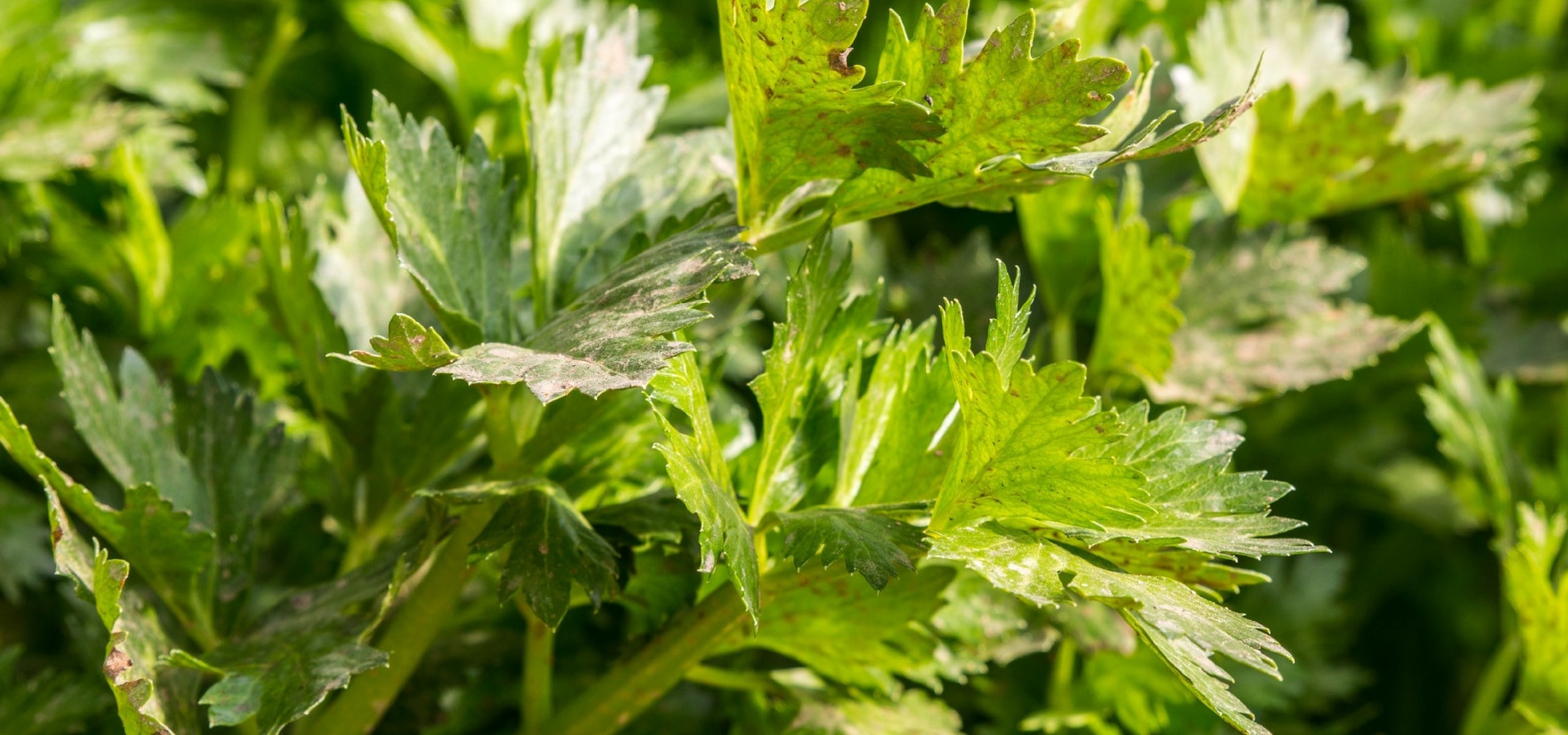
Harvest
Plant habit
Foliage
Botanical data
Apium
graveolens var. secalinum
Apiaceae
Celery
Biennial
Planting and care
Sowing of cutting celery:
From February to April: you can sow on a hotbed or in trays, in a greenhouse or in a bright, heated room.
From mid-April to the end of May: you can sow directly in position in a well-exposed garden.
The soil or compost must be kept permanently moist; you can cover the seeds until germination with several layers of wet newspaper. The growth is very slow at the beginning. The temperature must be above 15°C. Emergence occurs in 12 to 15 days.
Before planting out, usually in May-June, prick out the young plants once, when they have 3 leaves. At the time of final planting, space the plants 35-40 cm apart in all directions.
Care:
To avoid diseases that attack celery, such as blight or rust, it is important to hoe and weed regularly. A preventive treatment with Bordeaux mixture is effective against fungal diseases.
Watering should be plentiful and frequent. Mulching is beneficial.
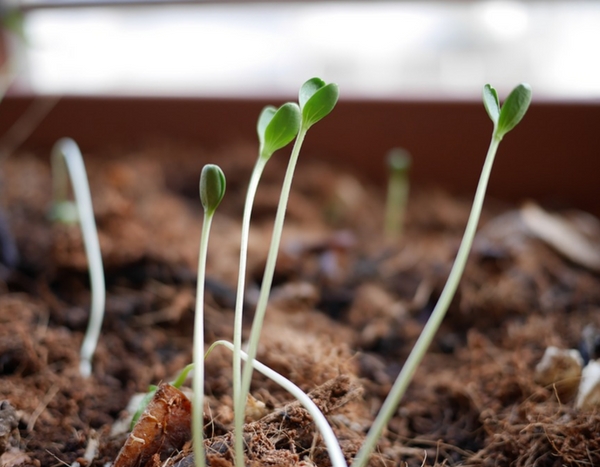
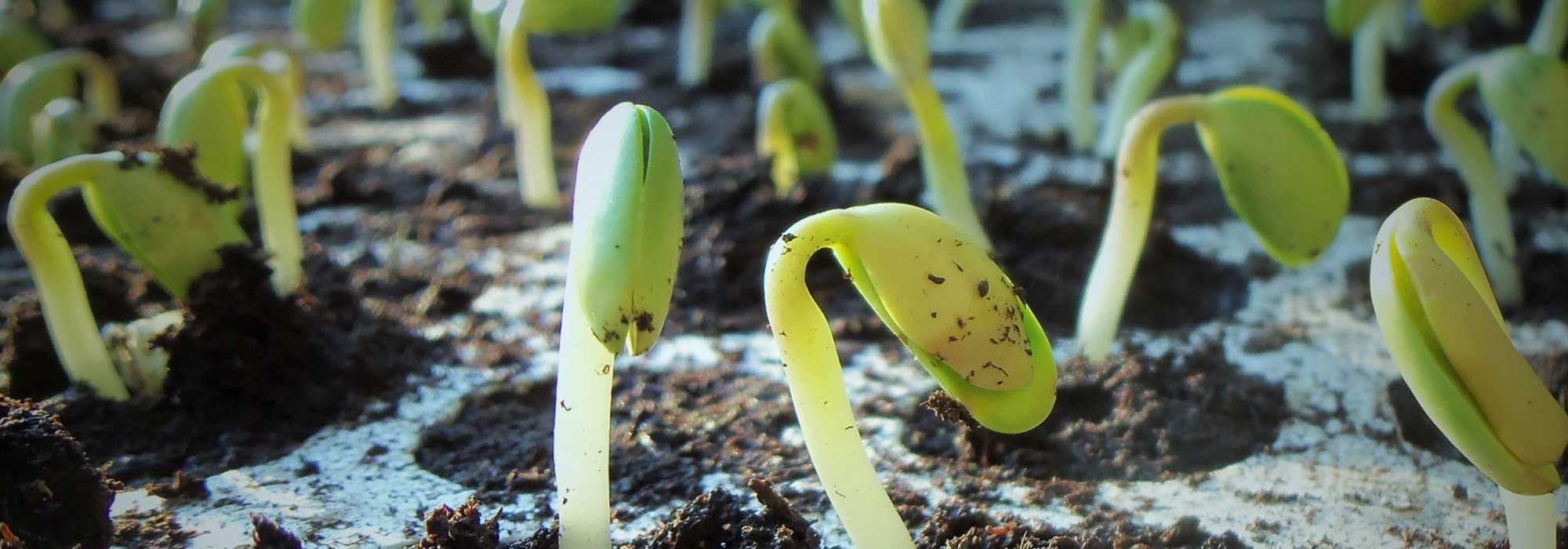
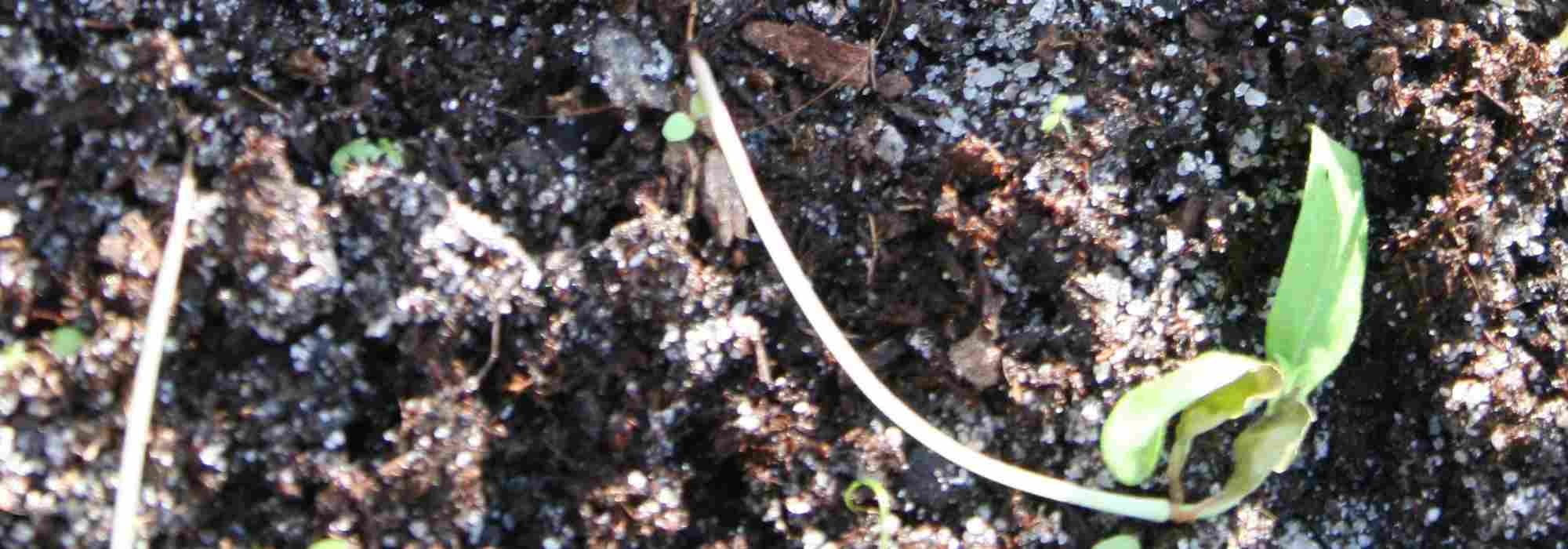
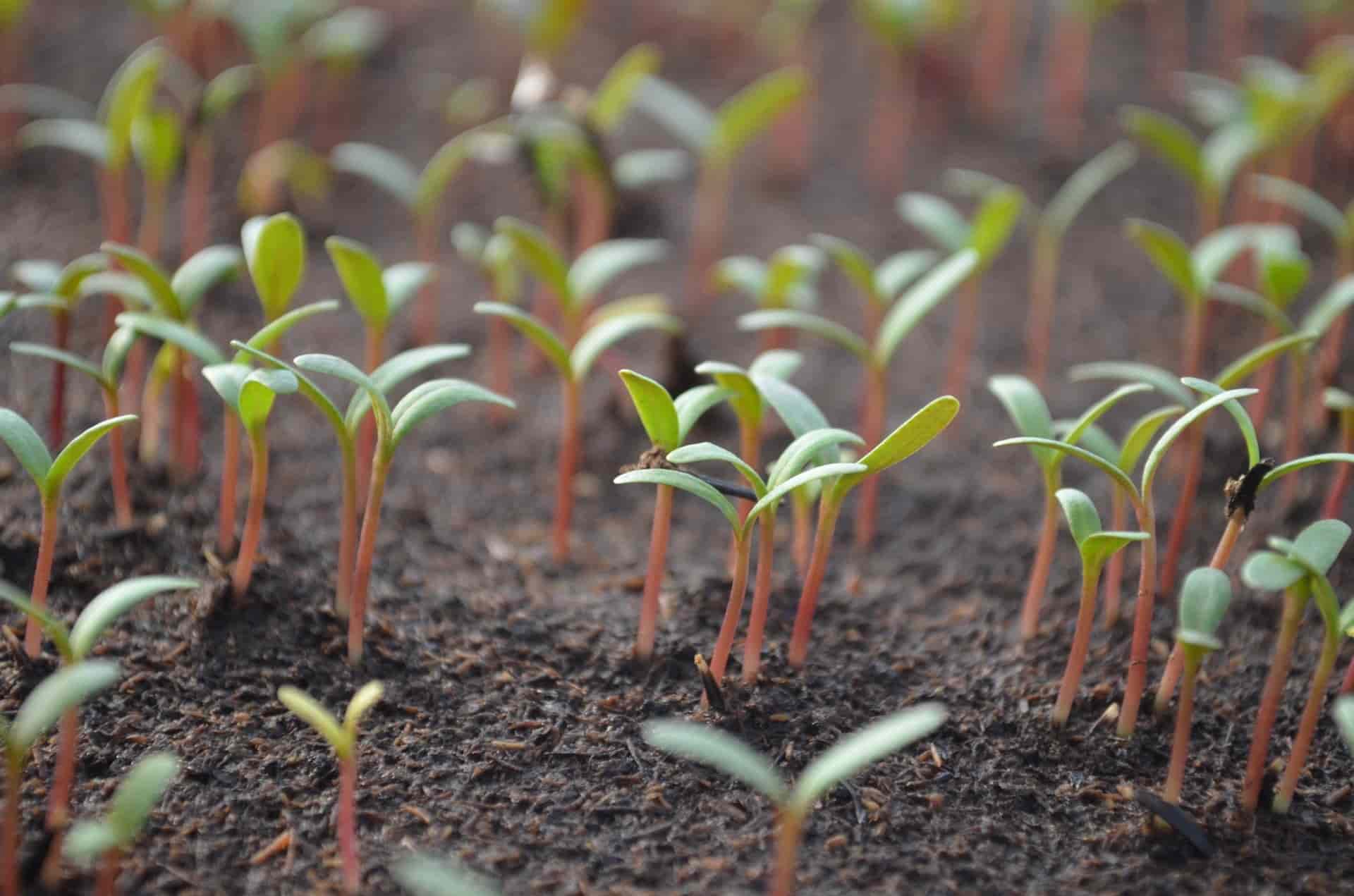
Seedlings
Care
Intended location
Planting & care advice
-
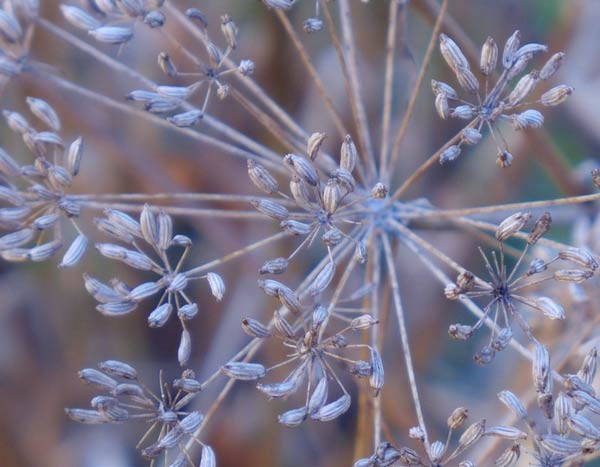
-
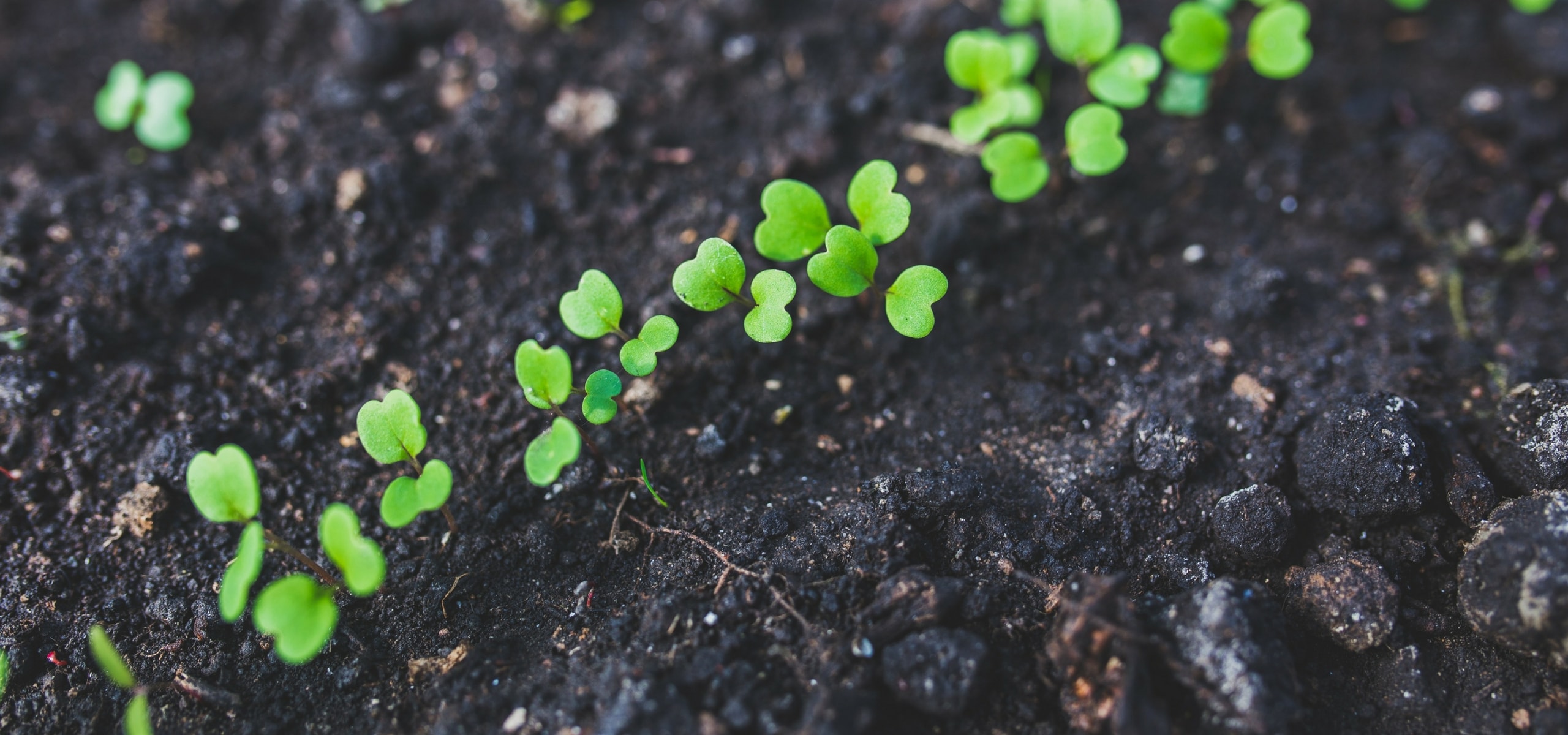
-
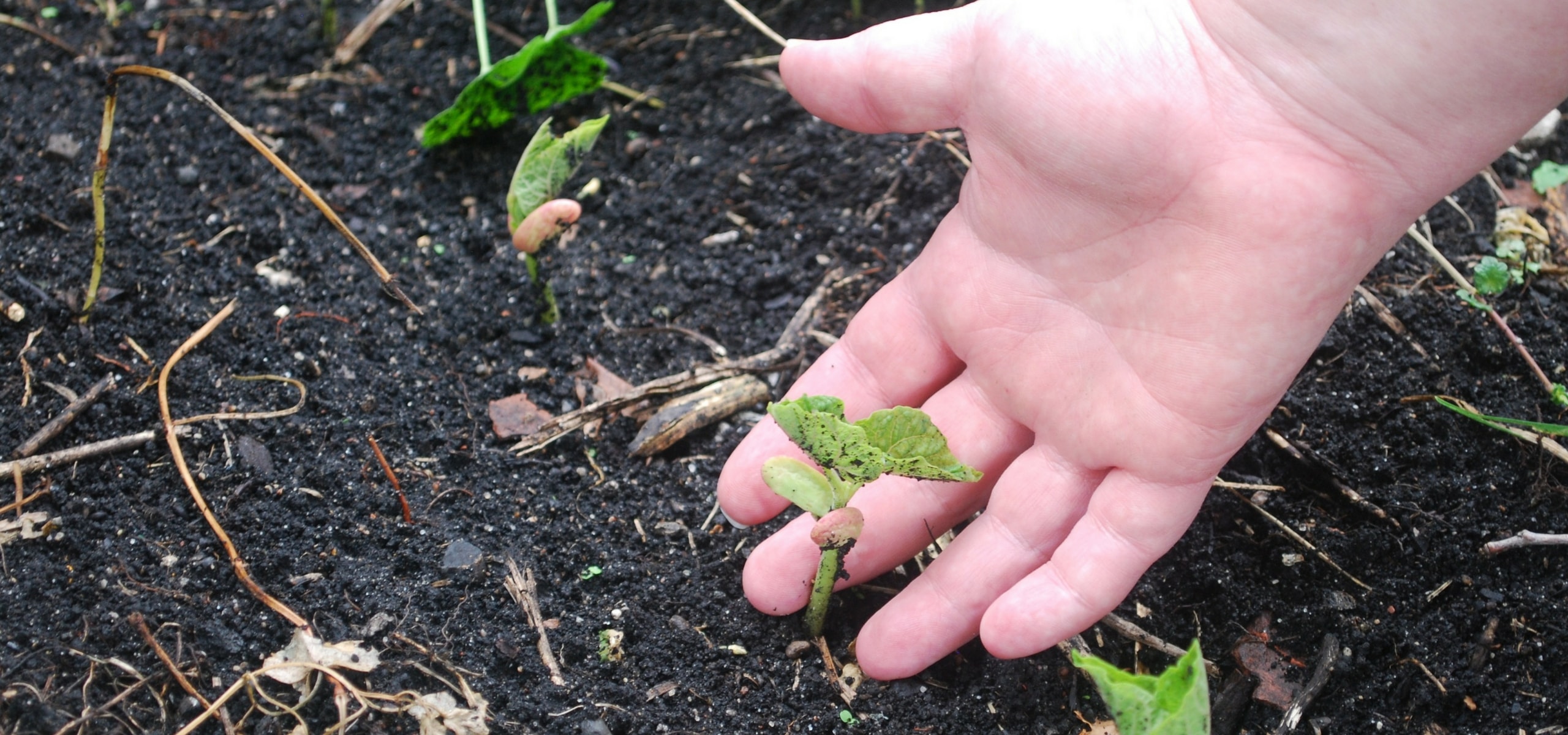
-
-
-
-

-
This item has not been reviewed yet - be the first to leave a review about it.
Recently viewed products
Haven't found what you were looking for?
Hardiness is the lowest winter temperature a plant can endure without suffering serious damage or even dying. However, hardiness is affected by location (a sheltered area, such as a patio), protection (winter cover) and soil type (hardiness is improved by well-drained soil).

The flowering period indicated on our website applies to countries and regions located in USDA zone 8 (France, the United Kingdom, Ireland, the Netherlands, etc.)
It will vary according to where you live:- In zones 9 to 10 (Italy, Spain, Greece, etc.), flowering will occur about 2 to 4 weeks earlier.
- In zones 6 to 7 (Germany, Poland, Slovenia, and lower mountainous regions), flowering will be delayed by 2 to 3 weeks.
- In zone 5 (Central Europe, Scandinavia), blooming will be delayed by 3 to 5 weeks.
In temperate climates, pruning of spring-flowering shrubs (forsythia, spireas, etc.) should be done just after flowering.
Pruning of summer-flowering shrubs (Indian Lilac, Perovskia, etc.) can be done in winter or spring.
In cold regions as well as with frost-sensitive plants, avoid pruning too early when severe frosts may still occur.
The planting period indicated on our website applies to countries and regions located in USDA zone 8 (France, United Kingdom, Ireland, Netherlands).
It will vary according to where you live:
- In Mediterranean zones (Marseille, Madrid, Milan, etc.), autumn and winter are the best planting periods.
- In continental zones (Strasbourg, Munich, Vienna, etc.), delay planting by 2 to 3 weeks in spring and bring it forward by 2 to 4 weeks in autumn.
- In mountainous regions (the Alps, Pyrenees, Carpathians, etc.), it is best to plant in late spring (May-June) or late summer (August-September).
The harvesting period indicated on our website applies to countries and regions in USDA zone 8 (France, England, Ireland, the Netherlands).
In colder areas (Scandinavia, Poland, Austria...) fruit and vegetable harvests are likely to be delayed by 3-4 weeks.
In warmer areas (Italy, Spain, Greece, etc.), harvesting will probably take place earlier, depending on weather conditions.
The sowing periods indicated on our website apply to countries and regions within USDA Zone 8 (France, UK, Ireland, Netherlands).
In colder areas (Scandinavia, Poland, Austria...), delay any outdoor sowing by 3-4 weeks, or sow under glass.
In warmer climes (Italy, Spain, Greece, etc.), bring outdoor sowing forward by a few weeks.
Shipping country and language
Your country of residence may be:
Your country of residence is:
For a better user experience on our website, you can select:
Your shipping country:
-
 Austria
-
 Belgium
-
 Bosnia & Herzegovina
-
 Bulgaria
-
 Croatia
-
 Cyprus
-
 Czechia
-
 Denmark
-
 Estonia
-
 Finland
-
 France
-
 Germany
-
 Greece
-
 Hungary
-
 Iceland
-
 Ireland
-
 Italy
Italy
-
 Latvia
-
 Liechtenstein
-
 Lithuania
-
 Luxembourg
-
 Malta
Malta
-
 Netherlands
-
 Poland
-
 Portugal
-
 Romania
-
 Serbia
-
 Slovakia
-
 Slovenia
-
 Spain
Spain
-
 Sweden
-
 Switzerland
Language:
-
French
-
 English
-
Spanish
-
Italian
-
German
-
Portuguese
-
Dutch
-
Finnish
My Account
Hello
My wish lists
My cart
Log in / Register
Existing customer?
This form is protected by reCAPTCHA - the Google Privacy Policy and Terms of Service apply.
New customer?
Create an account to track your orders, access our customer service and, if you wish, make the most of our upcoming offers.