


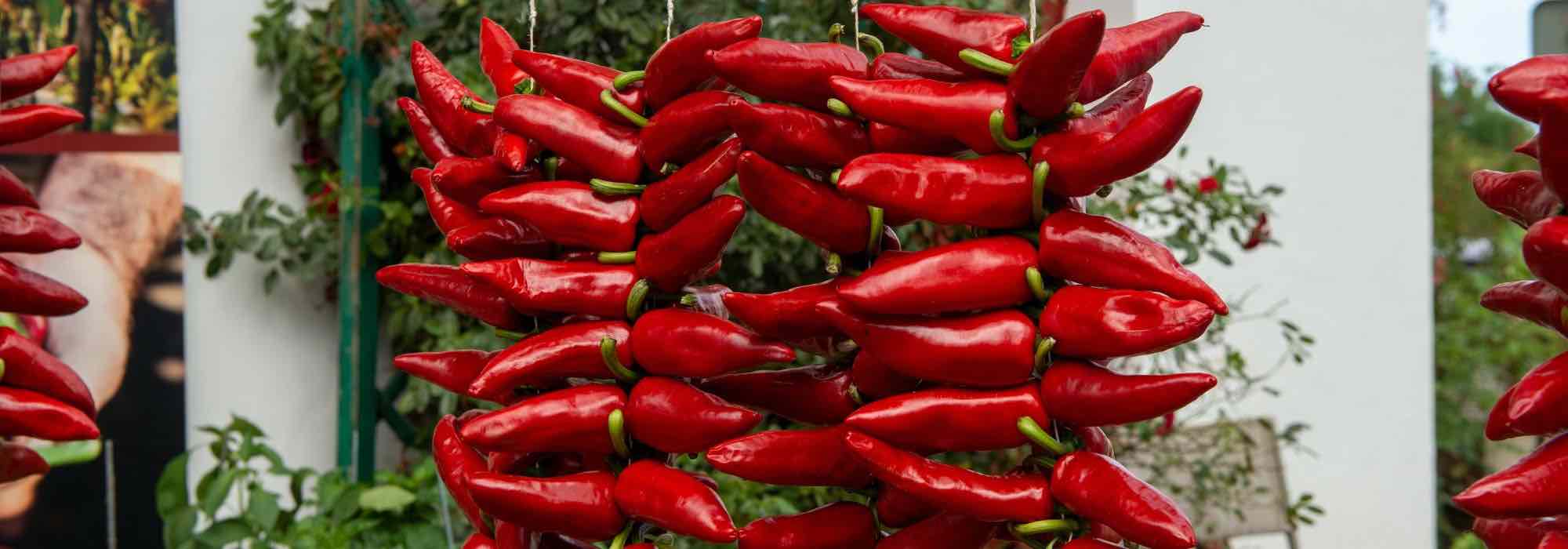
5 tasty, mild sweet peppers
Mild-flavoured peppers, as easy to grow as they are to eat
Contents
While peppers (Capsicum annuum) are mainly known for their heat, there are many milder varieties, capable of enhancing dishes without leaving a burning sensation on the palate.
These peppers, sometimes classified in the bell pepper category because they are so mild, will generally be very tasty and easy to eat. They can feature fruity, sweet or tangy notes.
Discover our selection of 6 mild peppers that are easy to grow!
And to ensure successful cultivation in the vegetable garden, see our guide: Peppers and chillies: sowing, growing and harvest

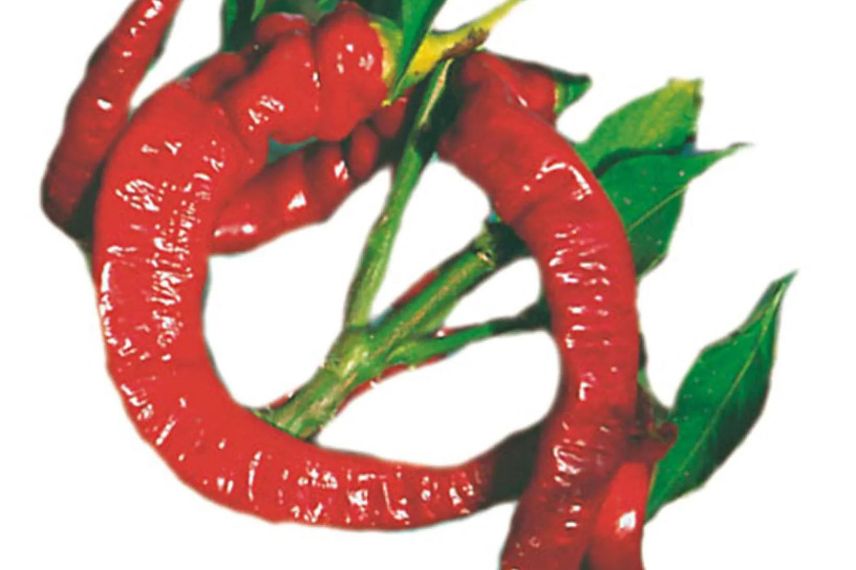
The very long sweet pepper from Landes.
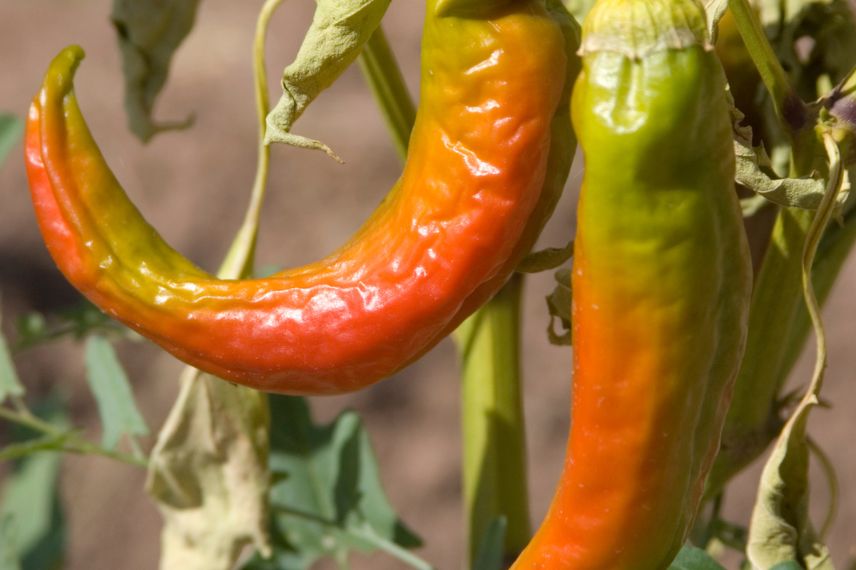
The Landes very long sweet pepper is an ideal variety for palates that do not enjoy spicy flavours, but want to enjoy the fruity flavour of peppers. Despite its appearance resembling the hottest peppers, it contains only a tiny amount of capsaicin. This long pepper measures about fifteen centimetres in length. It is thin and narrow, with a curved shape. Its red colour is bright and glossy when ripe.
Its skin is also very thin, which makes it particularly pleasant on the palate. This pepper is mainly used to make the famous piperade, a Basque and Gascon specialty. It will, of course, be accompanied by the incomparable Espelette pepper, which we will come back to later in this article.
Harvest takes place from July to November. Like all peppers, this Landes variety requires warmth and light to grow well. A mature plant will reach 80 cm in height and 30 cm in spread. It is productive quickly and can also adapt to regions where summers are relatively short.
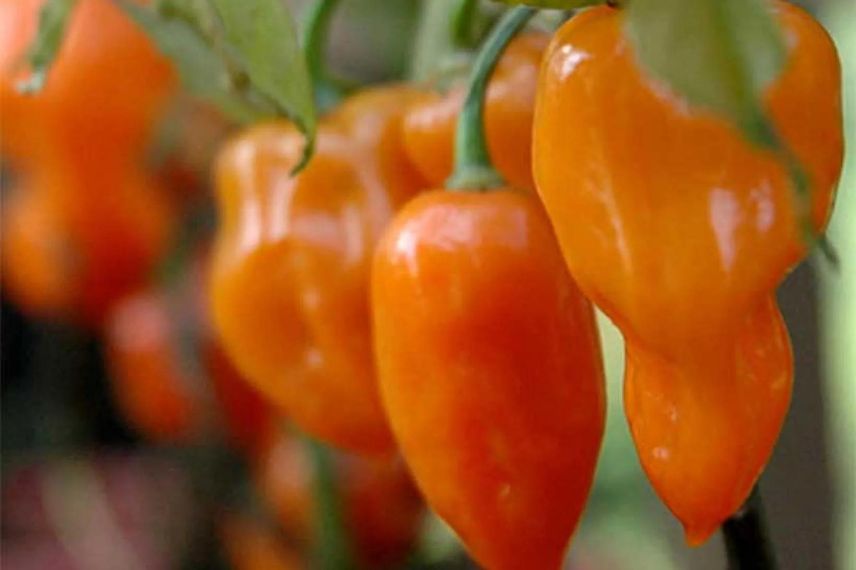
Chilli pepper 'Petit Marseillais'
This variety is so mild that it is classed with peppers on the Scoville scale. Not prone to generating heat or burns, it can be enjoyed by all. The sweet flavour of its flesh pairs with a subtly peppery note.
The fruits of ‘Petit Marseillais’ are beautiful and colourful: each plant yields a multitude of peppers in colours from yellow to orange, less common than the usual red. Their shape is rather rectangular, composed of folds, wrinkles and other varying deformities that make almost every specimen unique.
This mild pepper, regarded as a bell pepper, originates from the Provence region. It can be eaten raw or cooked, in salads, grilled or even stuffed.
The harvest takes place late in the summer, from August to October. This pepper will form a small bush reaching up to 1 metre in height and about 40 cm wide. Due to its origins, it is a variety that will particularly thrive in the warm regions of southern France.
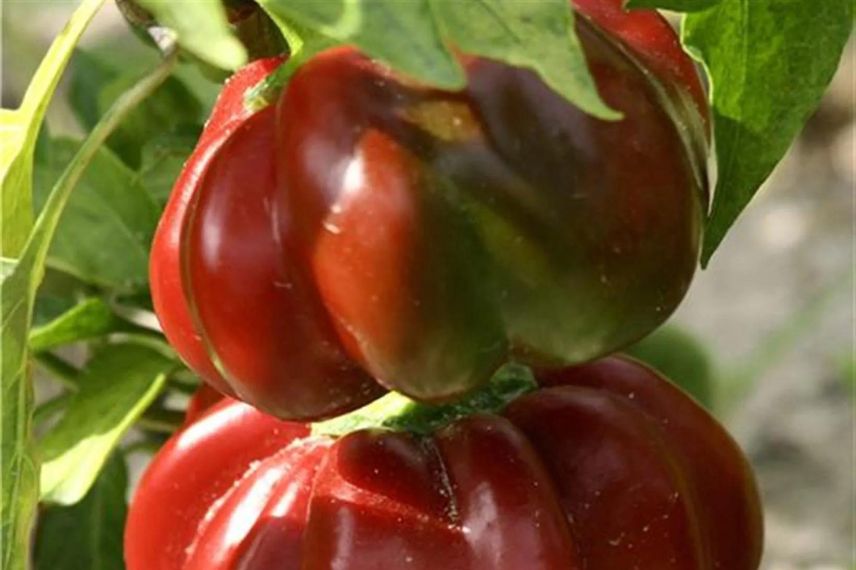
The chilli pepper 'Tomate'.
The pepper ‘Tomato’ is distinguished by its distinctive shape, which gives it its name: each fruit resembles indeed small oxheart tomatoes. They are round, with regular ribs, and display a bright glossy red colour. In terms of flavour, the flesh is fine, sweet and not very hot.
This is a semi-late variety, with harvest taking place from late July to October, or November if autumn is mild in your area.
This compact pepper will reach around 40 cm in all directions.
Read also
Choosing peppers and chillisAnaheim chilli pepper
The Anaheim chilli pepper comes from a country well accustomed to hot peppers: Mexico. It was later introduced to California, which gave it its other name, the California sweet pepper.
Here again, this pepper would at first glance seem poorly suited to sensitive palates : its long fruits reach 15 to 20 cm in length and resemble its volcanic cousins. Initially green, they later take on the characteristic colour of a bright glossy red. However, this pepper is never hot. On the Scoville scale, it sits among mild peppers regarded as ‘warm’. Its fruity flavour makes it a perfect candidate for a wide range of preparations: sliced into rounds in salads, simmered or added to guacamole. But it’s when grilled that all its flavour is truly revealed.
At maturity, this variety will reach a height of 1 metre with a 40 cm spread, forming a pretty little bush. The harvest will span from mid to late summer. This sweet pepper will require warmth and sun to develop properly.
Espelette pepper
A little stronger than its fellow varieties mentioned earlier, the Espelette pepper nevertheless had to have its place in this list that awakens the palate without burning it. It is ideal for fans of spicy cooking, but who are not seeking an aggressive effect. Its flavour is heightened to enhance dishes without altering them and without the sensation of numbness on the tongue. On the Scoville scale, it sits at level 4, corresponding to a hot heat.
It is one of the iconic peppers of our territory and is, of course, inseparable from South-Western cuisine. As its name suggests, it is mainly grown in the town of Espelette and its surroundings, in the Basque Country.
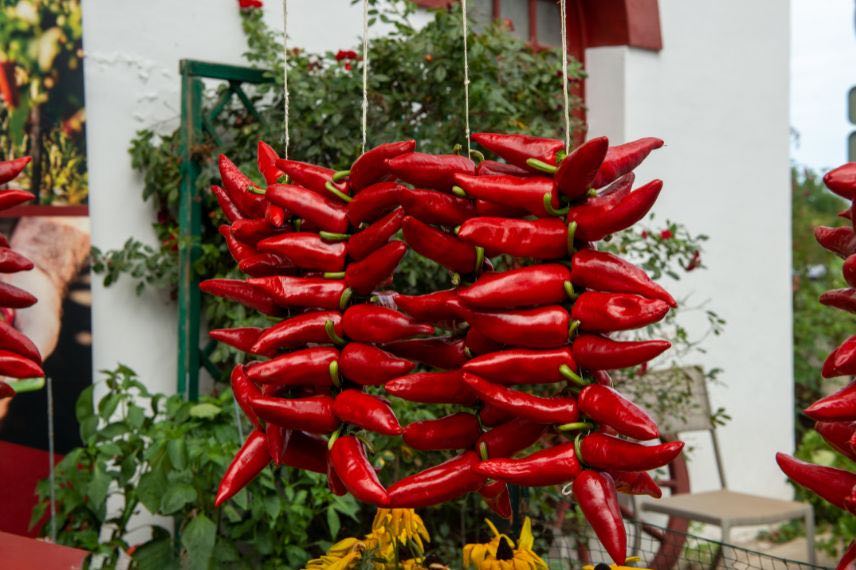
The fruits, long at around 15 cm, are red at maturity and conical in shape. They are eaten fresh, but more often in dried form (the famous strings of peppers that dry on the façades of typical Basque houses), or in powder. This way, it can be preserved for a very long time to enliven dishes in all seasons.
The harvest can take place late in regions with long, hot summers, up to November.
This variety forms a bush 60 cm high and 30 cm across. Each plant can yield 15 to 30 fruits.
Cultivated outside the Espelette region, it cannot claim that name, protected by an AOC (Appellation d’Origine Contrôlée): it is then called piment ‘Gorria’. But it is indeed the same variety.
- Subscribe!
- Contents

Comments