





























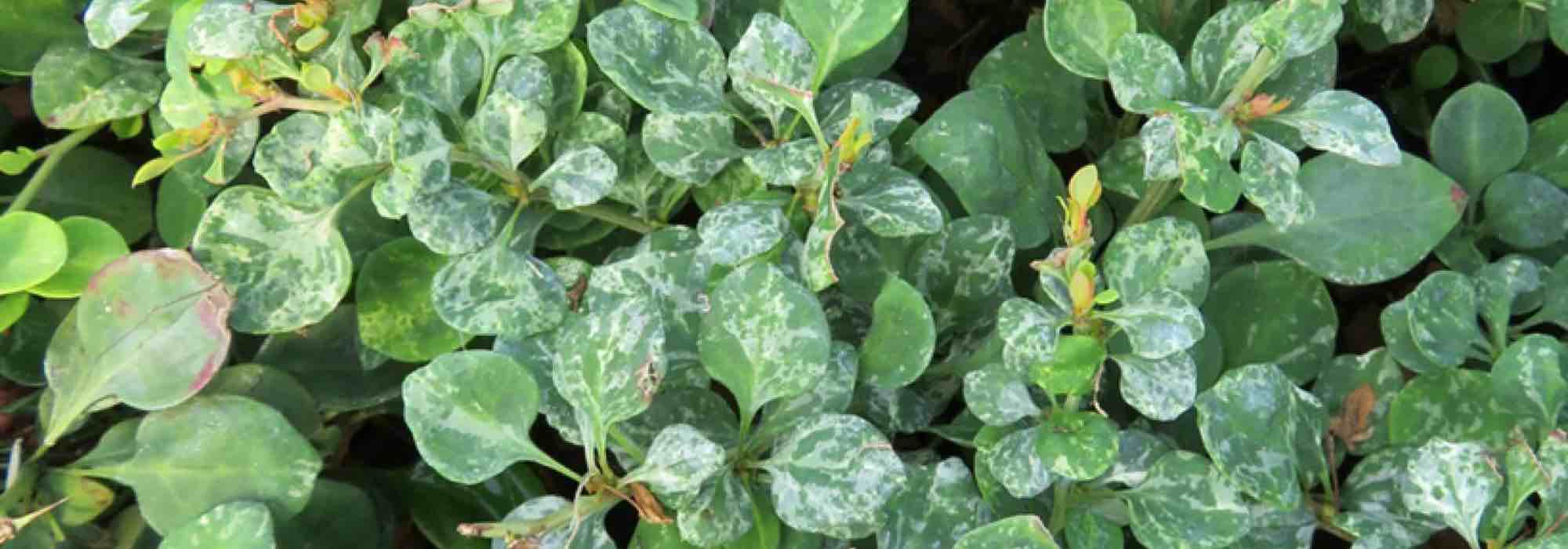
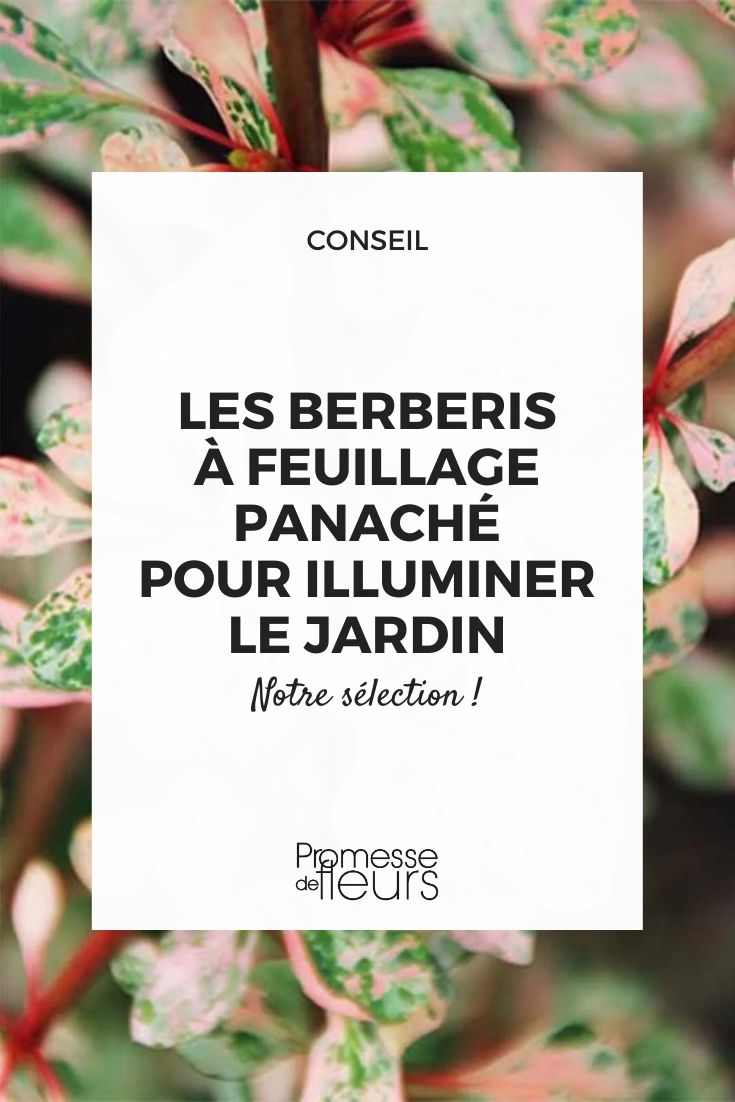
Berberis with variegated foliage: to brighten the garden
Notable varieties to try
Contents
Want to add a touch of light and contrast to your garden? Variegated-leaved Berberis are perfect shrubs for brightening borders, hedges and pots, thanks to their leaves patterned with splashes of white, cream, pink or yellow. Berberis, also known as barberry, is a multi-season ornamental shrub, low-maintenance and versatile in its uses. Thanks to their range of colours, the variegated-leaved Berberis bring sparkle and distinction to all garden types, whether integrated into varied borders, planted as hedges or grown in pots on a patio.
But where should Berberis be planted to get the best from it? Which varieties to choose among the loveliest variegations? And above all, which plants to pair it with to create a garden full of contrasts and dynamism? In this article, discover all you need to know to plant, pair and maintain variegated-leaved Berberis.

Where to plant Berberis with variegated foliage?
Berberis with variegated foliage loves light! To reveal its colourful patterns fully, it needs a good dose of sun. So choose a position in full sun or light shade. Too much shade could dull its colours and make the foliage less vibrant. Conversely, in regions with scorching summers, a little shade in the afternoon can prevent the leaves from scorching.
Not fussy, the Berberis adapts to almost any soil, as long as they are well-drained. It tolerates calcareous, slightly acidic or neutral soils, but dislikes stagnant moisture. If your soil is heavy or clayey, it’s advisable to add sand or grit, along with a good amount of compost, at planting time to improve drainage.
Berberis is a Swiss Army knife in the garden! Its bright foliage and varied sizes allow it to be used in multiple ways:
- As an informal hedge: it adds colour year-round, alternating with other shrubs.
- At the edge of a border: its variegated tones contrast nicely with plainer foliage.
- In a pot or tub on a terrace: perfect for small spaces, especially compact varieties such as Berberis thunbergii ‘Admiration’.
- As a specimen: on a lawn or in a small urban garden, its compact habit and bright colours make it a focal point.
- As a defensive privacy screen: thanks to its formidable thorns, Berberis deters intruders. It is an excellent option for a defensive hedge.
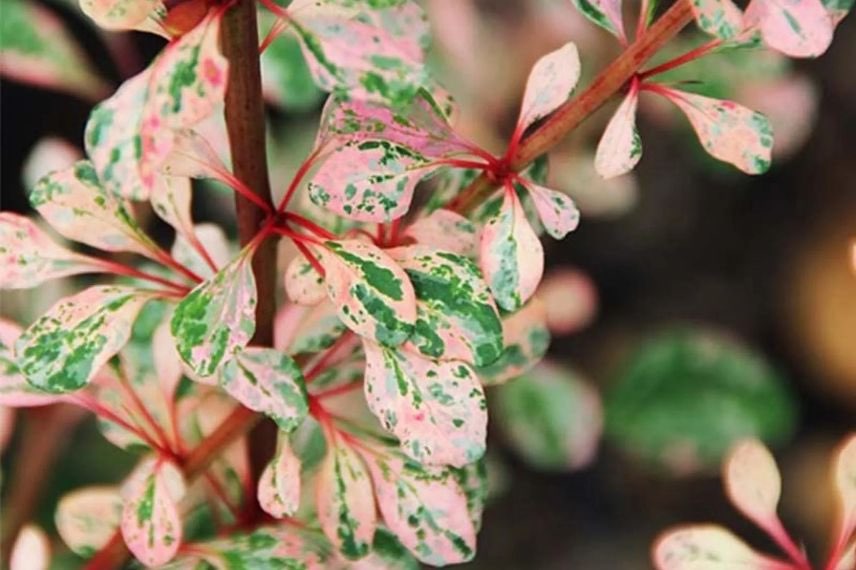
‘Natasza’
Our selection of Berberis with variegated foliage
The Berberis thunbergii ‘Silver Beauty’
Compact and slender, ‘Silver Beauty’ reaches 1.20 m in height and 60 cm in width, with a dense, vertical habit. Its soft green leaves, variegated with cream-white, sometimes tinged with pink, provide a brilliant autumn display as they colour to bright red, yellow and apricot before dropping. In spring, it produces discreet but nectariferous yellow flowers, and in autumn it bears decorative red berries. Ideal as a low hedge, in a border to create contrast, or in a pot on a terrace, thanks to its compact form.
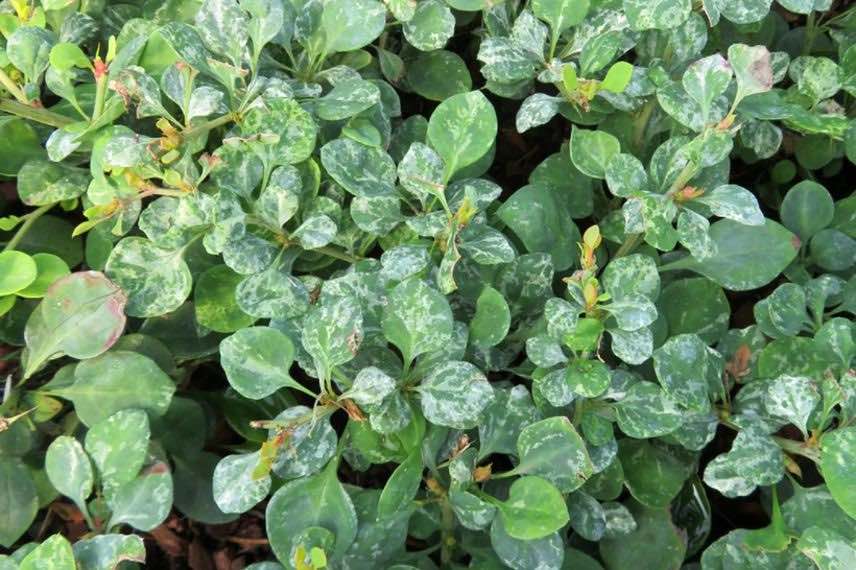
‘Silver Beauty’
The Berberis thunbergii ‘Natasza’
With its spreading and compact habit, ‘Natasza’ reaches 1.25 m in height and width. Its foliage evolves with the seasons: young shoots carmine red, leaves speckled with bright pink, cream and green by summer, and a blaze of vibrant yellow-orange in autumn. From May to June, it produces pale yellow flowers followed by red berries that persist through winter. Perfect as a groundcover, in border plantings or in pots on a terrace.
The Berberis thunbergii ‘Powwow’
With a columnar and narrow habit, ‘Powwow’ reaches 1 m in height and 50 cm in width. Its foliage shifts from cream-variegated yellow in spring to lime green in summer, then it flames orange, red, pink and purple in autumn. Its spring flowering in yellow clusters striped with red gives way to spherical red berries in autumn. Ideal for low hedges and structured borders. Its vertical form also suits container planting to enliven terraces.
The Berberis thunbergii ‘Kelleriis’
This rounded, dense shrub reaches 1.20 m in all directions. Its green leaves, prettily variegated with cream-white and sometimes touches of pink, take on red and orange tones in autumn. Its discreet yellow bell-shaped flowers precede the appearance of red berries in autumn. Excellent choice for mixed borders, borders or in pots. It pairs well with shrubs with purple or evergreen foliage.
The Berberis thunbergii ‘Rosy Rocket’
With a compact, columnar habit, ‘Rosy Rocket’ measures 1 m in height and 50 cm in width. Its dark red foliage, marked with pink and white in spring, shifts to burgundy and purple in autumn. The spring flowering is discreet, followed by bright red berries. Perfect for low, screening hedges, borders or in pots for small gardens.
Which plants pair well with Berberis with variegated foliage?
Pair Berberis with variegated foliage is playing with contrasts of shapes, colours and textures.
For colour contrasts
- Shrubs with purple or dark foliage :
- Physocarpus ‘Little Devil’: its intensely purple foliage highlights the Berberis’s light-coloured foliage.
- Cotinus coggygria ‘Winecraft Black’: large purple leaves create a striking contrast with the Berberis’s cream and pale green hues.
- Photinia x fraseri ‘Magical Volcano’: its bright red foliage in spring highlights the Berberis with variegated foliage.
- Shrubs with silvery or grey foliage :
- Convolvulus cneorum: the silvery-grey leaves of Turkish bindweed provide a bright backdrop that makes variegated foliage stand out.
- Artemisia: perfect for creating a soft, bright contrast.
- Shrubs with colourful flowering :
- Mahonia ‘Volcano’: the Mahonia’s architectural habit and its yellow flowers in winter provide a contrast in appearance and seasonality.
- Kolkwitzia: its spring bloom of pale pink softens the bright tones of the Berberis.
- Weigelas: with red or pink flowers, it pairs beautifully with the Berberis.
- Ceanothus ‘Tuxedo’: its dark foliage and vibrant blue flowers highlight the Berberis’s soft tones.
For contrasts of form and habit
- Shrubs with spreading or creeping habit :
- Viburnum davidii: this evergreen, spreading foliage contrasts nicely with the Berberis’s vertical habit.
- Groundcover perennials: add low-growing perennials, such as Heucheras with coloured foliage or blue fescues, for a natural, wild effect.
- Shrubs with vertical or columnar habit :
- Prunus laurocerasus ‘Green Torch’: with its upright habit, this cherry laurel reinforces the vertical and orderly look of a hedge with Berberis.
- Berberis thunbergii ‘Silver Pillar’: play on symmetry and verticality by pairing the ‘Silver Pillar’ with the ‘Silver Beauty’.
Container planting ideas
- Pair Berberis with trailing plants (ivy, bacopa, dichondra) to create contrasts of height and texture.
Berberis care tips
The Berberis is a robust bush and easy to care for. Once well established, it requires little attention. Here are the essential maintenance steps to keep it healthy
When and how to prune?
- Frequency : A single light pruning per year is usually sufficient after flowering in spring (May–June).
- Aim : Remove dead or damaged branches, balance the shape and limit its growth if necessary.
- Details : For low hedges, a more decisive pruning can be carried out at the end of winter (February–March) to stimulate branching. Beware of sharp thorns, wear thick gardening gloves!
Watering and fertilisation
- At planting : Water generously in the first year to help the bush establish its root system.
- Thereafter : Once well established, Berberis is very drought-tolerant. Occasional watering can be helpful during prolonged periods of heat, especially if the soil is very well-drained.
- In a pot : In a container, you will need to monitor the substrate moisture more closely, as it dries out faster than in the ground.
- Fertilisation : It isn’t a heavy feeder! A simple application of compost in spring can be enough to stimulate its growth and the beauty of its foliage. Avoid fertilisers that are too nitrogen-rich, as they promote green foliage at the expense of variegation.
Diseases and pests
- Diseases : Berberis is rarely troubled by disease, but it can be susceptible to powdery mildew (white fuzz on the leaves) in damp weather. To limit this risk, ensure good air circulation and avoid excess moisture at the base.
- Pests : Sometimes aphids can settle on new shoots in spring. Treat with a strong jet of water and diluted black soap.
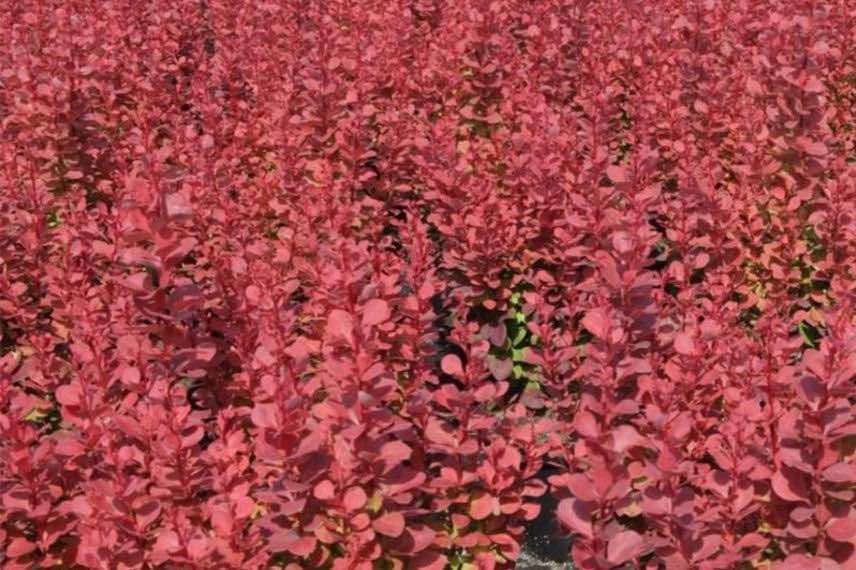
‘Rosy Rocket’
- Subscribe!
- Contents
Comments