






























Choosing the right hop variety to brew your beer
The most aromatic varieties
Contents
Hops, the key ingredient in the art of brewing beer, is much more than a simple component: it is the soul of your beverage. In this guide, we will explore the best varieties for brewing an exceptional home-brewed beer. Indeed, the selection of the right type of hop is crucial in defining a beer with character. Let’s discover in this guide a few female hop varieties that can be grown in the garden for personal use.
Oliver’s little note: Some of the varieties presented here are rather ornamental lianas whose cones can be used in brewing. Others, however, are varieties whose cones are used in brewing processes around the world. In this guide, you will recognise them easily: the text is more detailed, as the varieties are much more thoroughly documented, notably regarding aromatic notes and the alpha-acid content. Personally, and if your aim is to really get into brewing, I would encourage you to choose this type of hop: Saaz, Hallertauer, Cascade, Fuggle, Herald, Aramis… Let us also note that it is not necessary to grow your own hops; the cones or dried extracts of them are available for amateur or professional brewers.
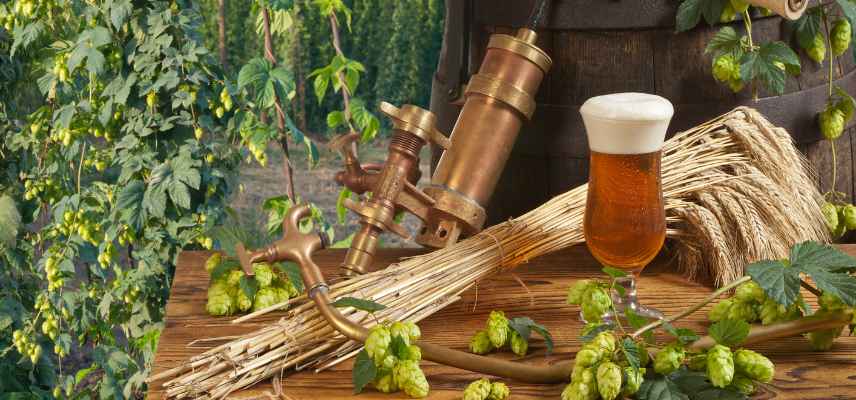

A brief overview of the use of hops in brewing
Hops, scientifically known as Humulus lupulus, play several essential roles in brewing. It not only provides the necessary bitterness to balance the sweetness of the malt, but it also imparts unique aromas and flavours that can range from floral and herbaceous notes to hints of citrus and pine. This diversity is due to the different alpha acids and essential oils present in each variety of hops. Finally, hops also serve as a natural preservative, extending the beer’s freshness and improving its stability over time.
The hops used in brewing can be named ‘Cascade’, famed for its floral and citrus nuances, ‘Saaz’, prized for its delicate spicy and herbaceous notes, and ‘Hallertau’, renowned for its mild aromas and balanced bitterness. These few varieties (and many more) influence the beer’s flavour profile, and some brewers cleverly combine different hops to create complex and captivating flavours. Do not hesitate to reach out to brewers in your region (they are often passionate and friendly!) to discuss the topic and try your own beer recipe experiments.
It is hard to navigate among the countless hop varieties available for brewing, but fortunately, there are official lists that detail the characteristics of each one: alpha acid percentage, flavor profile (aromas), intensity, and recommended use in the brewing process.
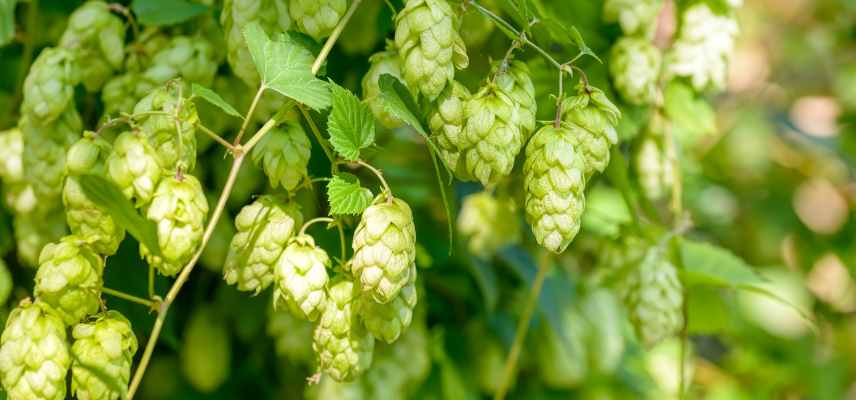
Oliver’s little note: the part of the hop used is the female cone, meaning you will need female hop plants if you wish to harvest them in the garden. Take this into account when selecting your hop plants. These cones, also called hop flowers, contain the famous lupulin glands, rich in alpha acids and essential oils.
Read also
How to grow hops?The top pick is Hops
Although the hops ‘Hops’ variety is more commonly found in gardens, it is nonetheless a true brewing hop. It is a particularly productive female selection whose very aromatic fruits are used in the production of certain beers around the world. The ‘Hops’ hop has been carefully selected for its fruity aroma and for imparting a pleasant bitterness, but also for its floribundity. In other words, if you are looking for a very productive hop and whose cones are relatively versatile for brewing, the ‘Hops’ variety is a good solution.
The plant begins to flower in July. In good conditions, its long stems can reach six metres in length.
Did you know?: The name of this variety ‘Hops’ may be confusing, as “hops” is the general term for hop in English.
Hop 'Cascade'
Cascade hop is highly regarded for its unique aromatic profile and its versatility in brewing. It is one of the most iconic and widely used hop varieties, particularly in American brewing (American Pale Ales and India Pale Ales (IPAs)). The Cascade hop is famous for its distinctive aromatic profile, which includes citrus notes, notably grapefruit, as well as floral, spicy and sometimes pine notes.
This hop is often used as an aroma or finishing hop in the brewing process, which means that it is added late in the boil or during the fermentation process. This helps preserve its delicate and volatile aromas. It can also be used for dry hopping, a method in which the hop is added after fermentation to intensify the aromas. For expert brewers, note that in terms of chemical composition, the Cascade hop has a moderate alpha acid content, typically between 4.5% and 7%. This allows it to deliver a balanced bitterness, not overly dominant, which is ideal for beer styles where the balance between bitterness and fruity aromas is sought.
Culturally, Cascade hops are suited to many hop-growing regions, particularly in temperate climates. It is relatively resistant to certain diseases and adapts well to different soil and climate conditions.
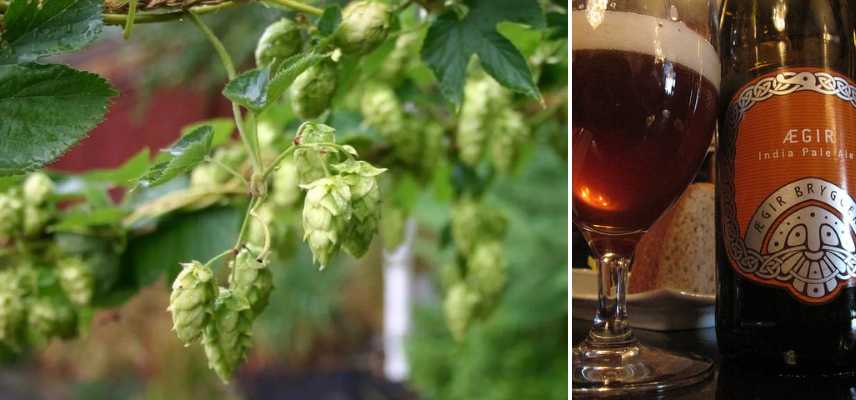
Humulus lupulus ‘Cascade’. The India Pale Ale beer (© Bernt Rostad)
Read also
What are hops used for?Hops 'Hallertauer Tradition'
The hop variety hop ‘Hallertauer Tradition’ (sometimes simply called ‘Tradition’) is a variety of hops originating from the Hallertau region in Germany, the world’s largest hop-growing region. It was developed as a variant of the famous hop ‘Hallertauer Mittelfrüh’, known for its classic aromatic profile.
This hop is renowned for its delicate and subtle aromas, which include herbaceous, floral, and fruity notes, but sometimes earthy as well. It is primarily used as an aromatic hop. It is thus ideal for lagers, pilsners, wheat beers, and other traditional European beers. Its use contributes to adding a subtle and balanced aromatic dimension to the beer. This hop has a moderate alpha acid content, generally between 4% and 6%. This allows it to impart a light and pleasant bitterness, often used in beer styles that do not require strong or pronounced bitterness.
In cultivation terms, ‘Hallertauer Tradition’ is well suited to the climate and soil of its native region, but it can also be grown in other regions. It is fairly resistant to some hop diseases, which makes it attractive to farmers.
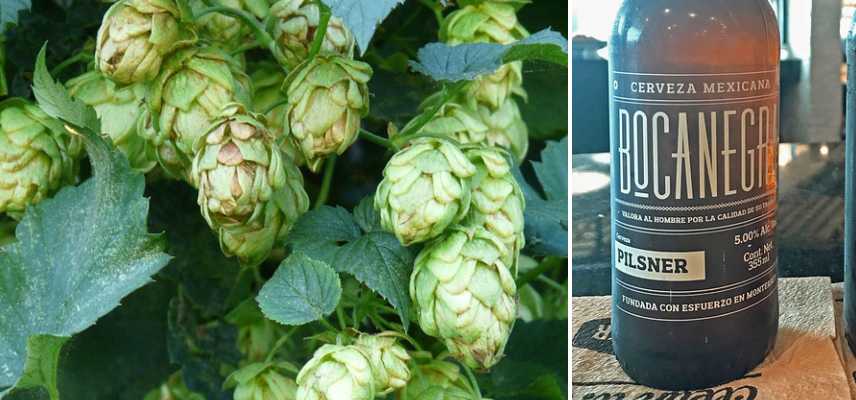
Hop ‘Hallertaueur Tradition’. On the right, a Mexican pilsner beer
Hop 'Hersbrucker'
The Hersbrucker hop variety is a traditional German variety from the Hersbruck region, highly regarded for its subtle and elegant aroma profile. It is one of Germany’s oldest and best-known hop varieties, often associated with German brewing tradition.
The Hersbrucker hop is known for its mild and delicate aromas, which may include floral, fruity and herbaceous notes. These subtle nuances make it ideal for beer styles that seek a delicate balance of flavours. Typically used in German lagers, such as pilsners, bocks and Munich Helles, this hop is valued for its aromatic contribution rather than bitterness. Hersbrucker has a low alpha acids content, generally between 2% and 5%. This low bitterness makes it less suitable as a primary hop, but excellent for adding complex aromatic nuances.
This tall hop plant (nearly 10 m tall) is grown mainly in Germany, though it can also be found in other hop-growing regions of Europe (notably Belgium). It is fairly resistant to various diseases and adapts well to local climate conditions.
Hops 'Jupiter'
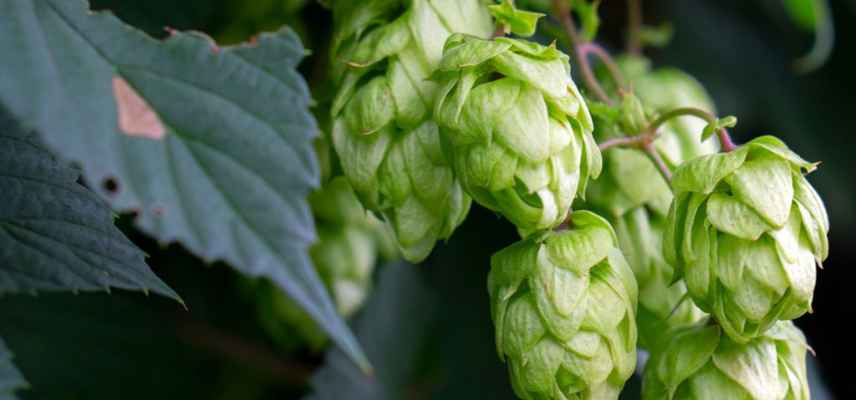
The Jupiter hop variety is one of the more recently developed varieties under the United States public hop-breeding programme.
‘Jupiter’ is known for its powerful aroma profile, which can include notes of tropical fruits, citrus trees, and pine. These characteristics make it attractive for beer styles where a strong, distinctive aroma is desired, such as in some IPAs (India Pale Ales) or Pale ales. Due to its rich aroma profile, ‘Jupiter’ is often used as an aroma or finishing hop. It can be added late in the boil or even used for dry hopping to maximise the impact of its aromas. This hop generally has a medium to high alpha acid content, which also makes it useful for imparting bitterness to beer. This allows brewers to use it flexibly, either for bitterness, aroma, or both.
As this is a relatively new variety, its cultivation is less widespread and its growth characteristics may vary by region, but in our experience it frequently reaches up to 5 m. However, it has been developed to be resistant to certain diseases and adaptable to different climatic conditions.
Hop 'Magnum'
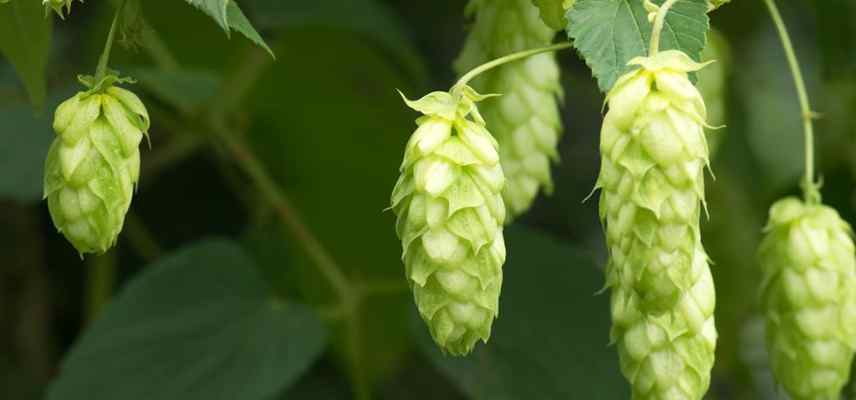
The ‘Magnum’ hop variety is well known in the brewing industry, particularly appreciated for its ability to impart a clean and pronounced bitterness. It was developed in Germany in the 1980s (the history does not say whether it is an homage to a moustached man wearing a Hawaiian shirt). It is descended from a parent variety named ‘Galena’ and is now widely cultivated in Europe as well as in the United States.
‘Magnum’ is mainly used as a bittering hop due to its high alpha acid content, which typically ranges from 12% to 14%. This high concentration of alpha acids allows brewers to add the bitterness needed to their beer without introducing an excess of flavours or aromas from the hop. Although essentially used for bitterness, ‘Magnum’ can also offer subtle aroma notes when used in smaller quantities. These notes are often described as clean, neutral and slightly floral or herbaceous. This hop is highly valued in producing diverse beer styles, including Lagers, Pilsners, IPAs, and Stouts. Its ability to provide balanced bitterness without dominating the beer flavour profile makes it very versatile.
The Magnum hop is known for its good disease resistance and its ability to adapt to different growing environments. It is quite robust and can be grown in diverse hop-growing regions.
Hop 'Target'
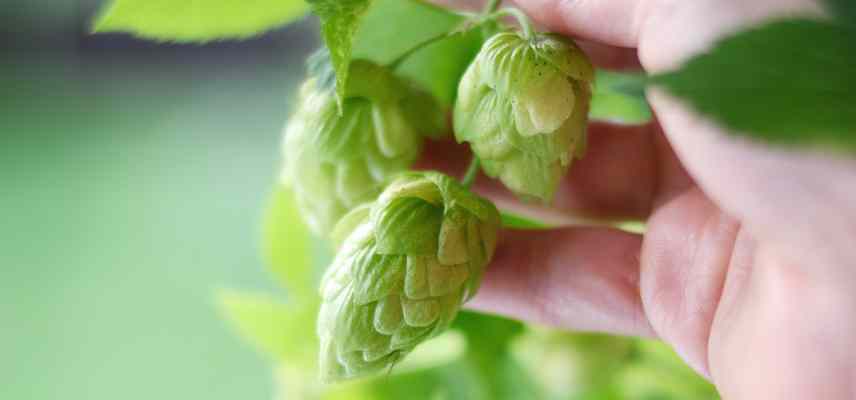
Developed in the United Kingdom, ‘Target’ hop was introduced in the 1970s. It stems from cross-breeding between several traditional hop varieties, including ‘East Kent Golding’, one of England’s most famous hop varieties.
This hop is known for its intense and complex aromatic notes, which may include resinous, spicy, and earthy elements. It can also offer nuances of citrus and ripe fruit, making it fairly versatile in terms of aroma use. Although ‘Target’ can be used for its aromatic qualities, it is primarily valued for its high alpha acid content, which typically ranges from 9.5% to 12.5%. This high alpha acid content makes it ideal for bitterness in beers, particularly in traditional English ales, stouts, and porters.
The Target hop is suited to moderate climates and is usually resistant to common hop diseases and parasitic pests. It is well established in the UK’s hop-growing regions and valued for its reliable yield.
Hop 'Nordbrau'
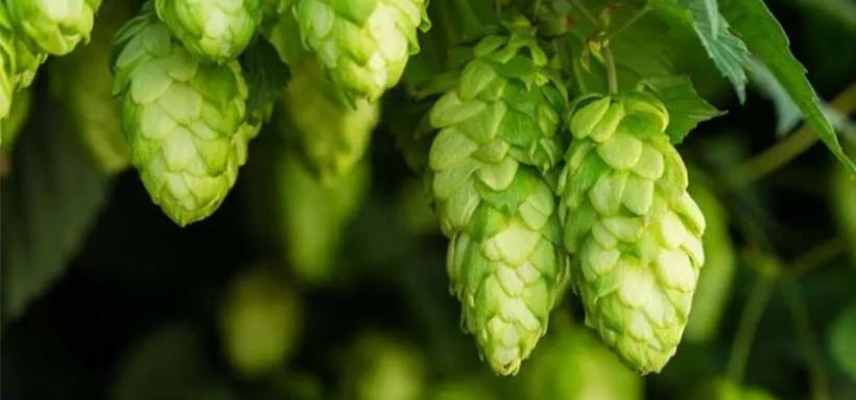
Last on the list, we also have the female hop variety ‘Nordbrau’ which is a female hop variety with large aromatic cones, whose flowering is late (late summer), but whose growth is very rapid. Under good conditions, it could surpass 5 m in length. The cones of this variety can also be used for beer production, but we have little data regarding its aromatic character and its alpha acid content.
Hops 'Prima Donna'
The hop variety hop ‘Prima Donna’ (also known as ‘First Gold’ in the United Kingdom) is a dwarf hop variety, which makes it particularly suitable for small spaces or for growing in domestic gardens. As a dwarf variety, ‘Prima Donna’ does not require the tall support structures typical of other hop varieties. It can grow to around 2–3 metres, which is roughly half the size of another hop variety.
‘Prima Donna’ offers an interesting flavour profile with notes of fruit, earth and honey. It can be used both as a bittering hop and for aroma, making it versatile across different brewing styles. This variety is often used in ales, bitters and British-style beers.
Finally, ‘Prima Donna’ is easy to grow and stays compact, which makes it attractive for amateur gardeners and homebrewers who want to grow their own hops.
Further reading...
As a reminder, hops require a sunny site, with at least 6 to 8 hours of direct sun per day. This plant is hardy and adapts to various climates, but it thrives particularly in temperate regions. An open space with good air circulation is ideal for preventing diseases. Hops prefer rich, well-drained soil that is slightly acidic to neutral (pH 6 to 7). Before planting, enrich your soil with compost or manure to promote healthy growth.
Plant hop rootstocks in early spring, after the last frosts. Bury them a few centimetres deep, with the buds facing upwards. Provide a sturdy support, such as a trellis or a pergola, as hop plants can reach several metres in height. Water regularly, especially during dry spells. Mulching can help retain soil moisture and limit weed growth. Prune the first shoots to encourage more vigorous growth and a better harvest.
→ Do you want to become an expert on growing this fascinating plant? Read Hop, Humulus lupulus: planting, care and use.
→ How to dry and store hops? I tell you everything in this tutorial titled How to dry and store hops?
- Subscribe!
- Contents

Comments