





























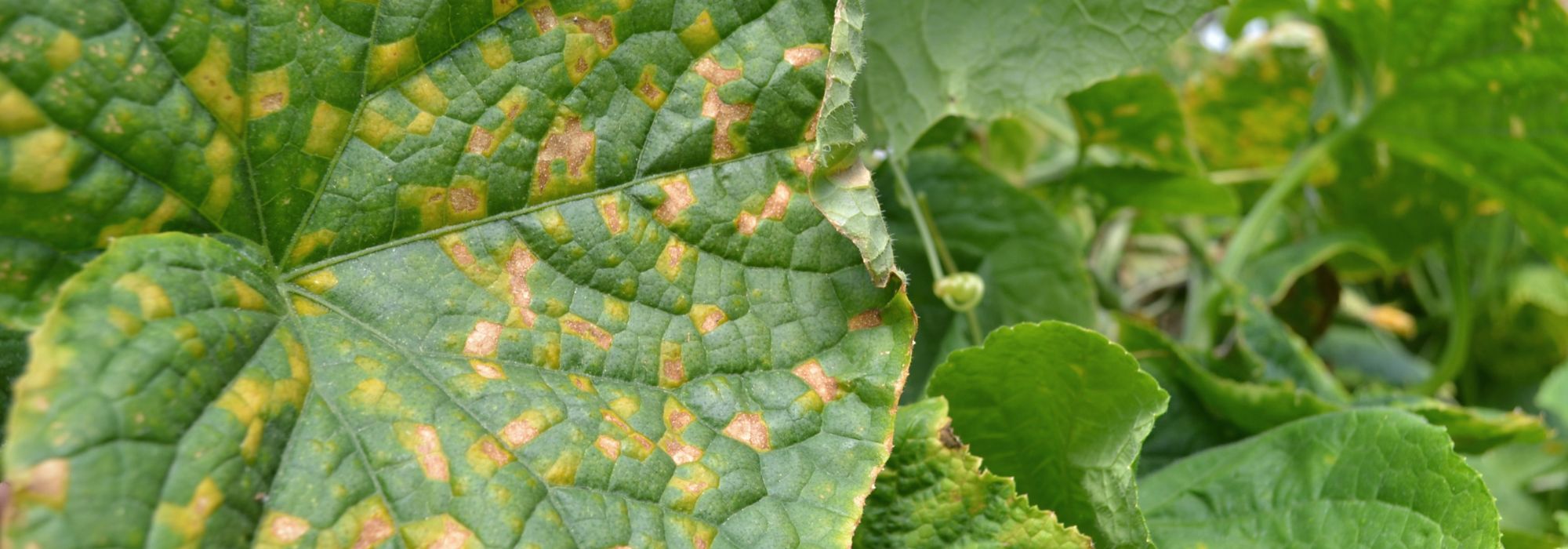
Compost: what to do with diseased plants?
Should we compost diseased plants or not?
Contents
In gardening, there are divisive topics that create real differences, even debates or disputes, often fueled by personal (good or bad) experiences, preconceived ideas and other grandmother’s recipes, specialised literature, or (more or less) scientific studies. In short, as I tackle the subject of composting of plants affected by diseases today, I know I will provoke some controversies, comments, and other remarks.
That’s why I will try to be as neutral as possible to consider the pros and cons and provide the most objective opinion I can. If I can do so, since I am also a gardener, sometimes subject to disease attacks in my small vegetable garden, but also a composter, a citizen, and a bit of an eco-warrior…

What are the main diseases that affect garden or vegetable plants?
In terms of diseases in ornamental gardens, orchards, or vegetable patches, the list is extensive… Firstly, it is essential to distinguish the different types of diseases.
The most common are undoubtedly cryptogamic or fungal diseases, linked to the presence of fungi that invade plants through their filaments and spread via spores, dispersed by water and wind. Sometimes, spores remain in the soil, waiting for their moment! Specifically, the fungus develops and insidiously penetrates the plant through its epidermis. Subsequently, the infection increases, and the first symptoms appear. It is often too late to treat diseased plants…
Among these cryptogamic diseases, we can mention downy mildew, rust, powdery mildew, honey fungus, black root rot, white rot, grey mould (Botrytis), anthracnose, alternaria, fusarium, verticillium wilt, apple scab, marsonia, and brown rot…
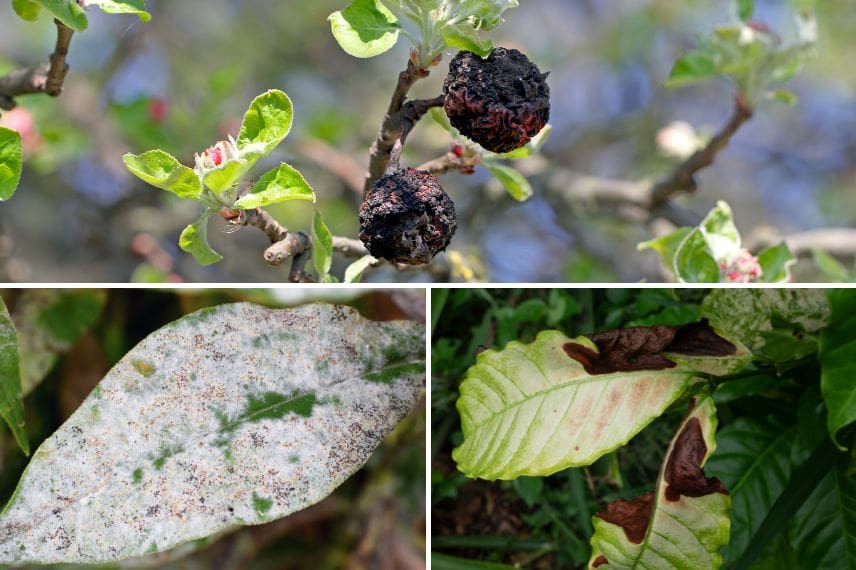
Is it reasonable to compost plants showing clear signs of disease?
For more details: Everything you need to know about fungal diseases
Viral diseases can also have severe consequences. Again, there are many, more or less widespread, affecting vegetable plants, fruit trees, and ornamental bushes: mosaic, sharka, leprosy…
Finally, to conclude the chapter on diseases, we cannot ignore the pathologies caused by bacteria: fire blight is one of the most dangerous, but we can also mention the canker of the horse chestnut.
What is prohibited for disposing of plant material?
To dispose of plant material (whether healthy or diseased!), there are still some recommendations circulating that are false and even completely prohibited by law. This means that failing to comply with these rules is subject to fines.
Thus, it is completely forbidden to place green waste (mowing residues, fallen leaves, pruned branches, weeds…), especially diseased plants, in the communal bins of your municipality. From 1st January 2024, it will even be prohibited to deposit organic waste in these same bins, which must be composted, either individually or collectively. Some municipalities or community groups have implemented selective collection services for green waste. Otherwise, this waste can be taken to the recycling centre.
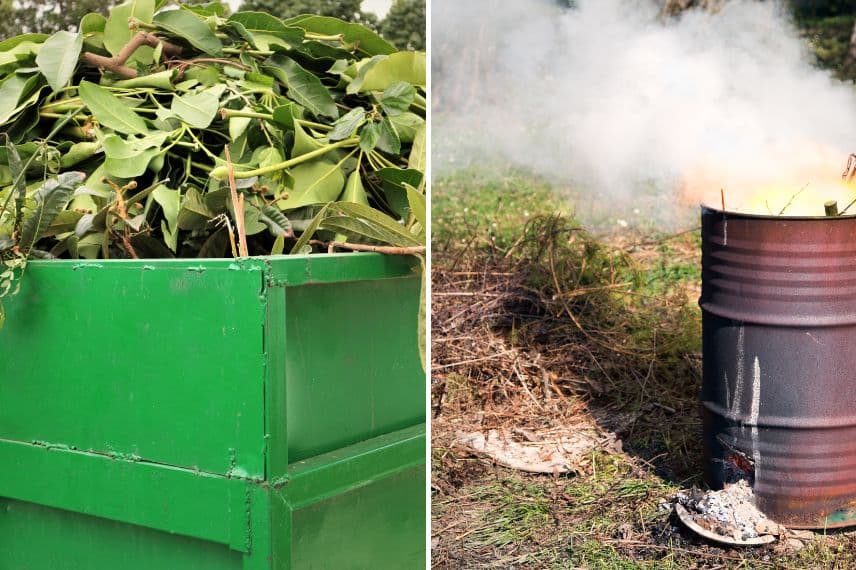
It is strictly forbidden to dispose of green waste in communal bins (outside recycling centres) or to burn it
Similarly, it is still commonly said that diseased plants can be burned. While this is indeed a drastic way to get rid of them, it is prohibited by law according to the Environmental Code. It is not allowed to burn any green waste (dry or wet) at home, whether in the open air or with a garden incinerator. Only the Prefect may be authorised to grant an exemption to allow the burning of green waste in very specific cases, such as infestation by harmful organisms to prevent spread (for example, in the case of fire blight).
Why not adding diseased plants in the compost?
Some gardeners are adamant: they do not put plants showing signs of disease in the compost. Primarily out of an abundance of caution, believing that the fungi, viruses, or bacteria present in the tissues of the plants survive in the compost. When spreading the decomposed and mature compost, all these pathogenic elements will inevitably end up in the vegetable garden, orchard, or flower beds, spreading and infesting new targets.
This may be true at least for diseases, bacteria, or viruses that persist in the soil, as they can also remain in the compost, despite its temperature. This can be the case with powdery mildew that overwinters, or clubroot, a disease that can persist in the soil for many years…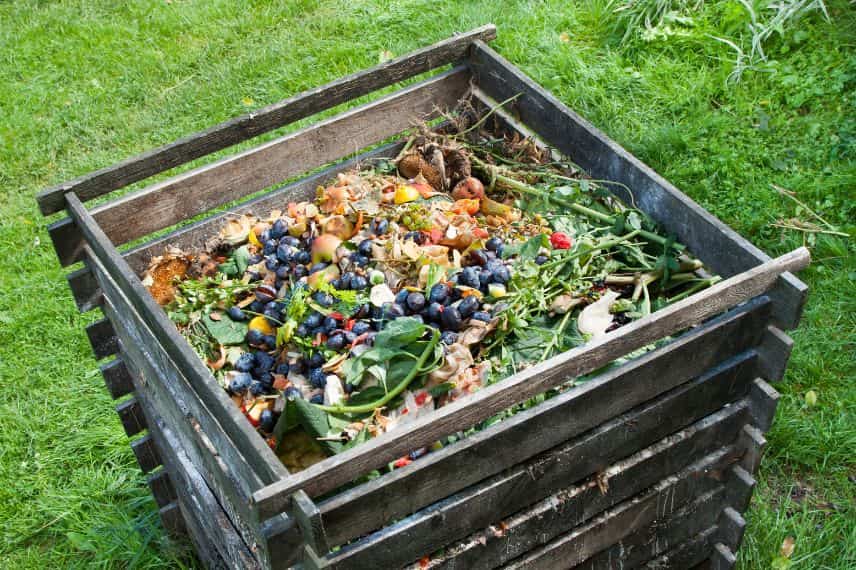
Therefore, while most pathogens responsible for major diseases are eliminated in compost, it is never guaranteed that all of them are destroyed. Thus, total sanitisation is never certain. And if one cannot clearly and unequivocally identify a particular disease, it may be better to refrain from adding a leaf, stem, or fruit that bears a spot or any sign of rotting or discolouration.
Moreover, if your compost is not perfectly balanced, the risk is increased. So, for those who cannot recognise diseases, for those plagued by doubt, for the anxious, it is better to take the few sick plants to the recycling centre. Without passing the problem on to others…
Indeed, in recycling centres, green waste is processed in large composters that reach high temperatures capable of destroying all fungi and pathogens. Because it’s all about temperature…
Read also
Can you compost "weeds"?Supporters of putting everything in the compost...
Other gardeners choose to compost everything, regardless of whether the plants are healthy or diseased. This is for several reasons, all as valid as those of the advocates of the waste disposal site.
Firstly, they believe that when plants are ready to be discarded, either because they are at the end of their production or because they show signs of distress, the spores of fungi or viruses have had ample time to spread to every corner of the garden, vegetable patch, or orchard. Without asking anyone and in complete discretion!
Next, sometimes it’s enough to look at what surrounds us. Some diseases are naturally present in nature, in a thicket or a forest. Leaves, potentially carrying diseases, fall and decompose to become rich humus. However, these diseased leaves do not disrupt the plant balance of the area!
Finally, in a composter, through the combined action of a multitude of microorganisms, the decomposition of plants generates heat. It can quickly reach up to 40 °C to 50 °C at its core. At this temperature, most fungi, even the most persistent in the soil, are destroyed. So are nematodes. Only viruses may prove a bit more resistant.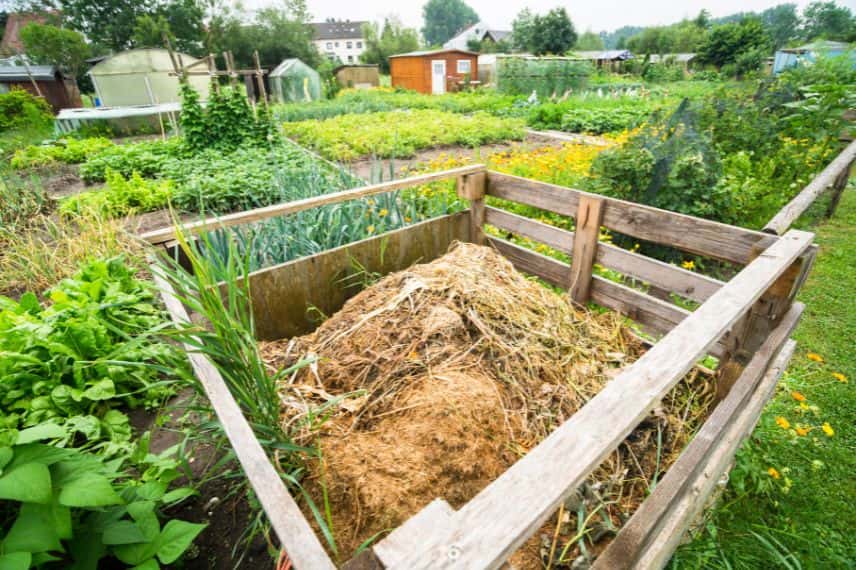
However, the temperature must reach at least 70 °C to destroy plants affected by fusarium wilt, such as tomatoes, cabbage root fly, or root rot.
That’s why, if you want to compost your diseased plants, it must be perfectly balanced to naturally reach high temperatures. It is therefore recommended to:
- Turn your compost regularly
- Add moist materials to facilitate temperature rise
- Water
- Chop the plants you incorporate as finely as possible
- Place the chopped diseased plants in the centre of the pile, where the temperature is highest
- Do not spread insufficiently decomposed compost.
- Subscribe!
- Contents
Comments