





























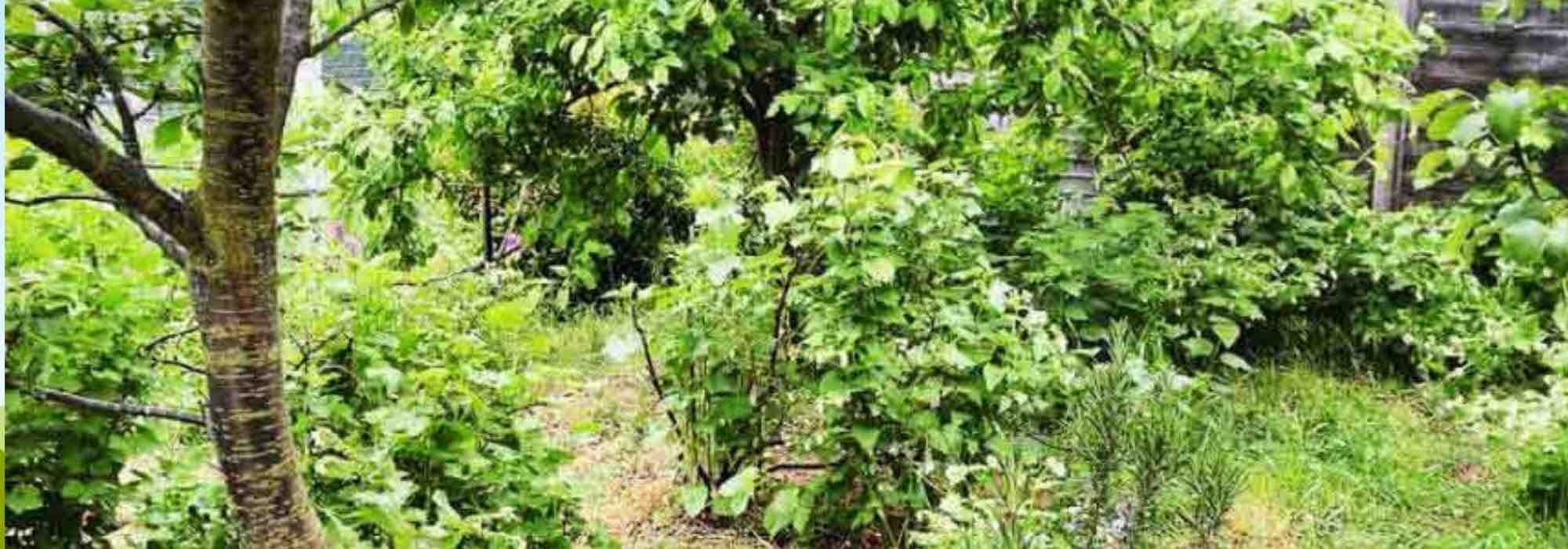
Creating a forest garden: the 7 mistakes to avoid
All our tips for creating a forest garden
Contents
A forest garden, also known as an edible forest garden, is a permaculture approach that aims to mimic natural ecosystems to create a self-sufficient and productive environment. Inspired by natural forests, this type of gardening relies on diverse, stratified layers of vegetation that work in synergy to maximise food production in a given space. The basic principles of permaculture, such as observation and replication of natural systems, are essential for a successful forest garden.
Planning is crucial when creating a forest garden. Before planting the first tree, it’s important to understand the site, its climate, soil and its water resources. A good design takes into account not only the immediate needs of the plants but also their future development, their interactions with other species and their impact on the garden’s overall ecosystem.
Beyond producing fruit, vegetables and nuts, a forest garden also promotes a high biodiversity. By attracting a variety of pollinating insects, birds and other animals, it creates a natural habitat while helping pollination of plants. This biodiversity is beneficial for crop yields and for the garden’s overall resilience, which can better withstand pests, diseases and climate-related events.
Discover our tips to avoid common mistakes when creating a forest garden, which can be costly later, particularly in terms of maintenance time.

Planting too densely
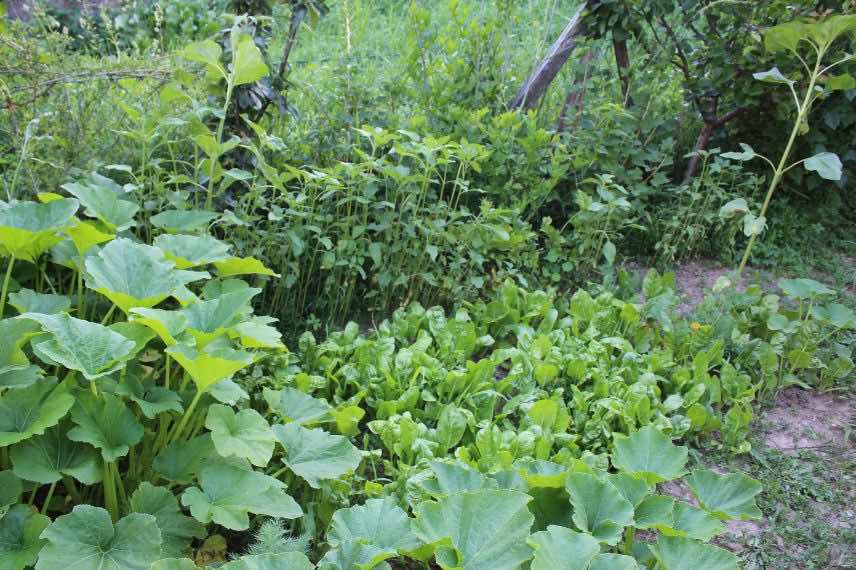
One of the common pitfalls in designing a forest garden is planting too densely. This may seem like a good idea at first, especially if you’re aiming to maximise the available space, but it can lead to many problems as plantings mature.
When plants are too close, they compete for light, water and nutrients. They may not produce as much as expected, hampered in their growth because the dense canopy limits the amount of light reaching the lower strata. This proximity and poor air circulation can induce stress for the plants, making them more susceptible to diseases and parasitic infestations.
Some plants will not be affected by this proximity, and may even thrive on it, developing normally, but this depends on many factors to study, notably their root and shoot development.
The best approach is to respect the specific needs of each species in terms of spacing, as indicated in guidebooks or by nurserymen. It is also wise to take rootstock into account for trees. Trees on dwarf rootstocks require less space than those on standard rootstocks.
Another strategy is to use regular pruning techniques to control tree growth and keep the canopy open and airy. But do not neglect the considerable time required for these pruning tasks.
Discover our advice sheet: “Planting density: everything you need to know”
Read also
How to create a forest garden?Neglect watering in the first years
Young plantings, especially in systems as complex as forest gardens, require particular attention to irrigation to establish themselves properly.
Trees and other plants in a forest garden are often selected for their ability to withstand varied climate conditions and to require little maintenance once mature. However, during the early years, they do not yet have a root system sufficiently developed to seek water deep in the soil.
Without adequate water, these young plants may suffer water stress, which slows their growth, reduces their resilience and diminishes future fruit or seed production.
To ensure adequate water for the plantings, several methods can be implemented. The use of organic mulch is an essential technique for conserving soil moisture. Mulching also reduces weed growth and improves soil structure over time. Installing a drip irrigation system can also be a prudent solution, as it delivers water directly to the plant roots, thereby minimising wastage and water needs.
You also need to tailor watering practices to the climatic conditions and soil type of your garden. Sandy soils, for example, require more frequent, but lighter watering, as they do not retain water as well. Clay soil can retain water for longer, requiring less frequent but deeper irrigations to encourage the roots to grow deeper.
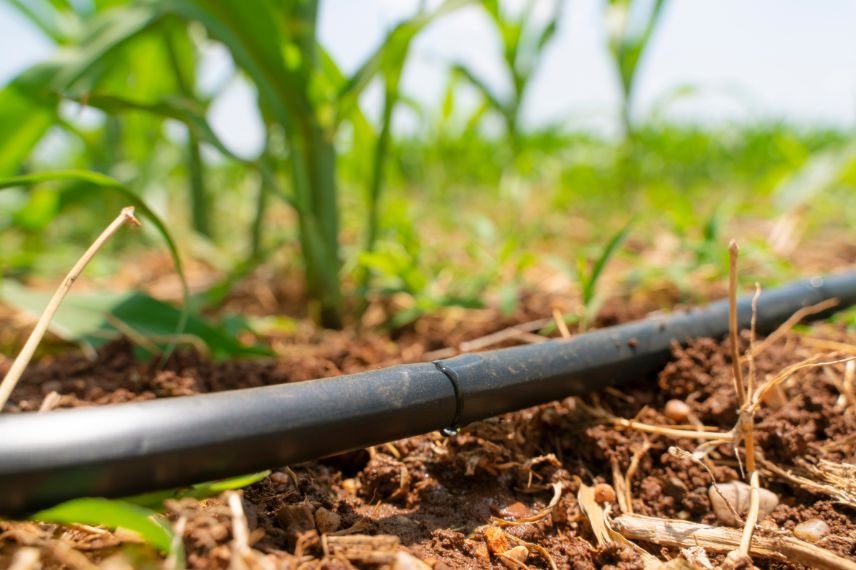
Don’t neglect watering in the early years, for example by using drip irrigation
Underestimating the work involved in the lower stratum.
Read also
Medicinal plants in a forest gardenMismanaging light and resources
Each layer of the garden, from the tallest trees to the lowest stratum, should receive an appropriate amount of light and nutrients to thrive. This challenge requires careful planning and ongoing management.
In a forest garden, light is a valuable resource that must be shared fairly among all plants. A good design will ensure that tall trees do not block the sun entirely from the lower layers. Techniques such as strategic canopy pruning help to modulate light access and promote balanced growth of all plants. It is essential to regularly assess canopy density and adjust tree size to avoid creating excessive shade, which could compromise the health of the lower layers. Few species in a forest garden will enjoy full shade; most of the time it is a matter of balancing between full sun and partial shade, reserving only a few spots that are completely shaded.
Efficient use of water and nutrients is also vital in a forest garden. Mulching helps retain soil moisture and reduces the frequency of watering. Installing rainwater harvesting systems or drip irrigation are practices that optimise water use.
Soil amendment with composts, manures and organic mulches enriches the soil with nutrients and benefits all plants in the garden. They are essential for healthy growth and productivity. Crop rotation and the incorporation of legumes can also enrich the soil with nitrogen.
Overly winding paths make access and harvests difficult.
A path layout that is too sinuate can not only complicate movement but also increase the time required for garden maintenance and for harvesting garden produce.
Paths that are too sinuate or narrow can make it difficult to transport equipment or harvests, especially if wheelbarrows or other gardening tools are used. This can also limit access to areas that require regular maintenance, thereby increasing the risk that certain parts of the garden are neglected.
It is recommended to plan paths so that they follow a simple and direct layout, while allowing easy access to all areas of the garden.
Using stable and durable materials for the path surfaces can prevent erosion and provide a satisfactory walking surface.
The addition of edging can also help keep paths clearly defined.
Neglecting your contribution to biodiversity
Biodiversity is a cornerstone of permaculture and forest gardening. Failing to include enough elements that promote biodiversity can reduce the ecological health of the garden and diminish the effectiveness of pollination and natural pest control.
Install as many bird boxes and insect hotels as possible to attract and shelter birds and beneficial insects, which contribute to pollination and natural pest control. Plan staggered flowering over time to ensure a continuous food supply for pollinators and maintain their presence in the garden. Choose plants that provide habitats or food resources for a range of animals to strengthen the garden ecosystem.
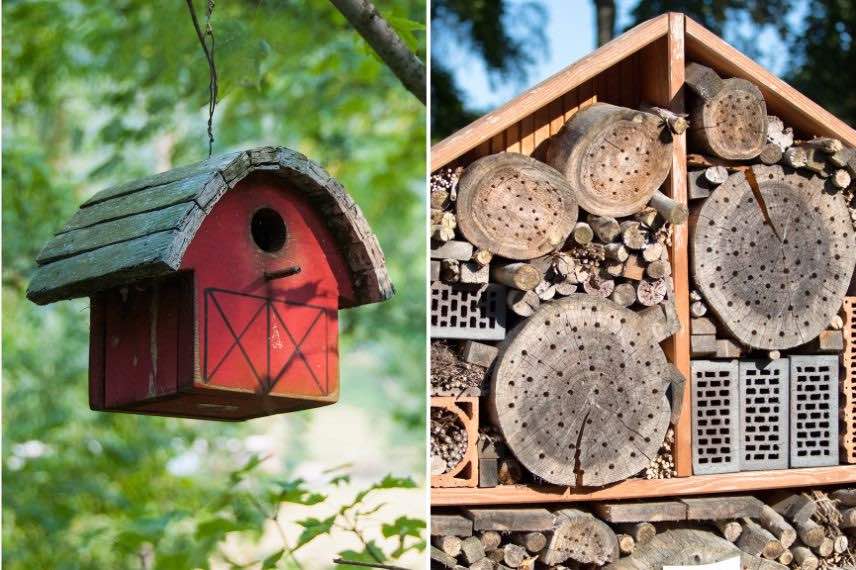
Do your bit by encouraging the presence of insects and wildlife
Planting too many unknown species
The enthusiasm for the diversity of edible plants can sometimes lead to the introduction of species not suited to the local climate, unproductive or invasive.
Before introducing new species into the garden, it is essential to conduct thorough research to ensure their compatibility with the local climate and the other plants in the garden. Assessing the flavour and productivity of the chosen varieties can also help avoid disappointments. Choose plants that are resistant to local diseases and parasitic pests to support the overall health of the garden.
Choose fruits that you enjoy eating and productive varieties, renowned for the quality of their fruits. The forest garden can sometimes trigger collector’s fever, and you may end up with fruit yields that are too difficult to harvest or to prepare later, or with uninteresting fruits or invasive plants.
- Subscribe!
- Contents

Comments