





























Creating a vegetable garden in the north
All our tips for successfully growing vegetables in northern regions
Contents
The northern regions are known for being rainy, but this can be an advantage compared to dry and Mediterranean areas. This rather humid climate, coupled with cool summers and mild winters, is perfect for growing certain leafy vegetables such as endive, salads, leeks, and many more! However, late frosts in this geographical area can delay the sowing of tender varieties. Discover our tips and tricks for successfully growing a vegetable garden in the northern regions.

Climate of the North: Its Constraints and Advantages
The climate of the north is shared to the west with an oceanic climate and a semi-continental climate to the east. The weather is very variable, easily alternating between periods of sunshine and rain. Wind is frequent and sometimes violent. Summers are cool, but there have been a few short heatwaves over the last decade. Autumn is quite rainy and humid. Winters are rather mild during the day, with risks of frost, especially at night. The further east you go, the lower the winter temperatures will be, but snow is rather rare. However, the region is subject to late frosts in spring, which delays planting in the vegetable garden.
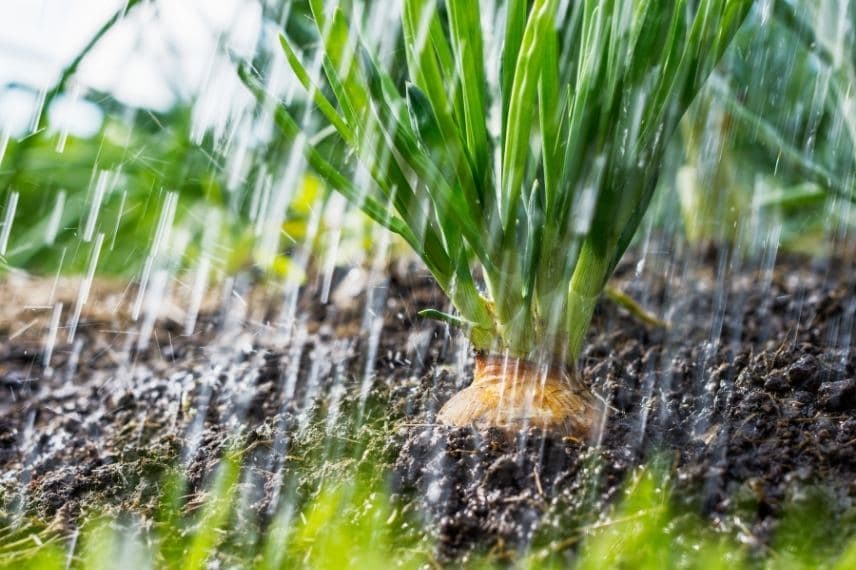
the northern region is known for its rain
Read also
How to sow in a seed tray?Choosing the right location
In the north of France, there is less warmth and fewer sunny days throughout the year compared to other parts of the country. So, to ensure your fruits and vegetables ripen on time, there is only one solution: you must install your vegetable garden in full sun. This way, your young plants of vegetables and fruits will capture the sun’s rays to the maximum, which are essential for their growth and ripeness. Another advantage is that the moisture from the night dew or rain will dry more quickly, thus limiting the development of fungi, such as powdery mildew or blight, which can devastate your tomatoes and potatoes.
The closer you are to the coast, the more your vegetable garden will be exposed to winds, which can sometimes be strong. The ideal situation is to place your vegetable garden sheltered from gusts, for example, near a wall or close to a protective hedge.
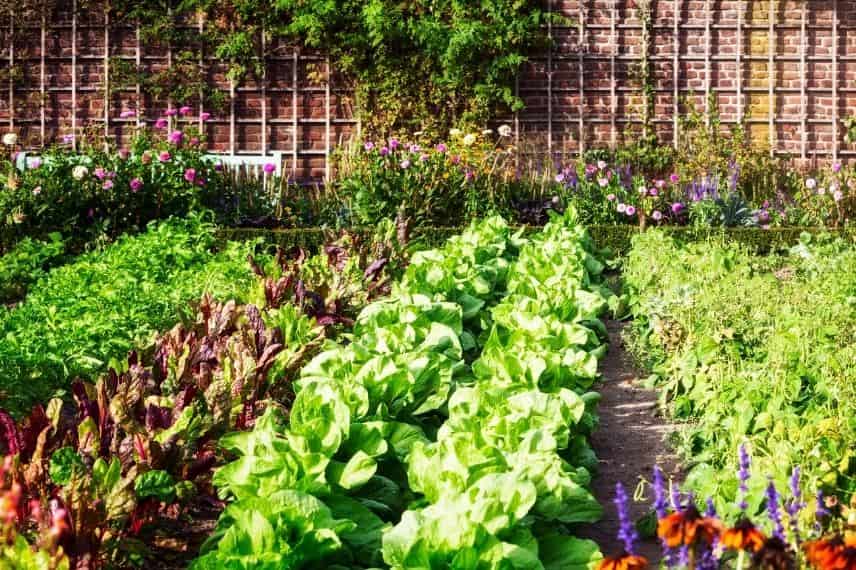
For a vegetable garden in northern regions, choose a sunny and wind-sheltered location
Discover other Vegetable gardens
View all →
Available in 1 sizes
Available in 1 sizes
Available in 1 sizes
Available in 1 sizes
Available in 1 sizes
Available in 1 sizes
Available in 1 sizes
Available in 1 sizes

Available in 1 sizes

Available in 1 sizes
Beware of late frosts
You have probably heard seasoned gardeners warn you about the “Ice Saints” and tell you not to plant tomatoes and courgettes in the garden before they have passed, right? Well, that is true! In northern regions, there can be late frosts until 10th or even 15th May. These late frosts are indeed becoming increasingly rare, but they can destroy all your young plants that fear the cold in just one night. And I can assure you that once you experience it, you pay much more attention the following year! So we will wait until 10th May to plant in the garden tomatoes, squashes, courgettes, aubergines, cucumbers, and pumpkins. In the meantime, the young shoots stay warm in the greenhouse or at home or under a cloche.
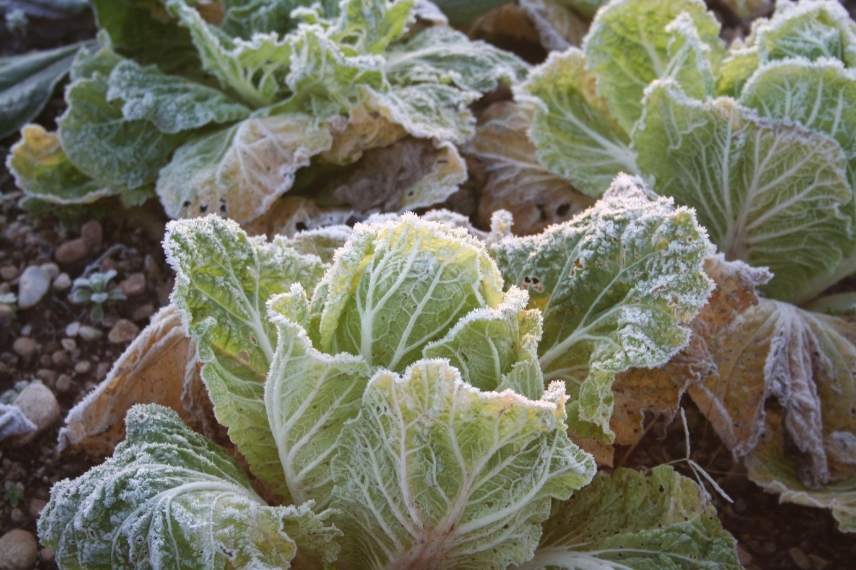
Late frosts can cause damage in the vegetable garden
Protective materials: (almost) essential
In the north, late frosts in early May can damage tender vegetables. It is often necessary to wait to sow and plant in the garden to avoid risks. Similarly, the lack of warmth in the region can slow the growth of certain young plants, making it difficult for them to reach ripeness.
The cold greenhouse, mini-greenhouses, and cold frames allow for earlier sowing and planting in the season, as well as later harvesting. This extends the growing period, which is quite short in the north. You can even start sowing and some plantings, such as early potatoes, as early as March. The greenhouse also increases the productivity of certain fruits and vegetables, such as tomatoes. They will be protected from excess rain and humidity. Additionally, you can grow heat-loving varieties like melons and sweet potatoes.
Growth or winter covers are also useful for protecting young plants or seedlings from late or night frosts, as well as from wind. They are perfect for covering early potato plants and salads planted in April in the garden.
Cloches and growth tunnels protect vegetables from the cold, as well as from excess rain while providing warmth. Another advantage is that cloches also deter greedy slugs and snails. There are even protection tunnels specifically designed to shield tomato plants from rain and limit the development of blight. Tomatoes kept warm and protected can ripen more quickly.
And let’s not forget about organic mulches! Indeed, mulching around vegetable plants prevents the soil from warming up quickly under the sun in spring, but it primarily protects the bases of young plants from night frosts. Additionally, organic mulching protects the soil from cold in winter and reduces water evaporation in summer. It is worth noting that there are several types of plant-based mulch, such as hay, straw, hemp mulch, flax mulch, and miscanthus mulch.
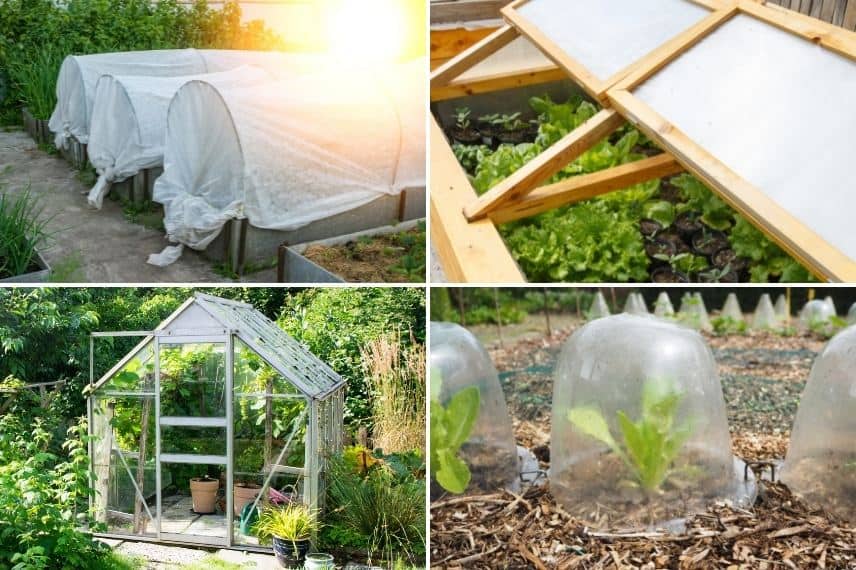
For a well-protected vegetable garden: protection tunnel, cold frame, greenhouse, and cloches
Anticipate by preparing sowings in a warm environment.
Late frosts in May delay sowing and consequently harvests. To address this issue, it is possible to start sowing as early as February or March indoors. This way, you can grow your young plants comfortably warm, in seed trays or pots. They should be placed in a bright room, preferably behind a south-facing window. Indeed, some seeds require a temperature of 15 to 20 °C to germinate.
When the young plants reach a few centimetres in height, you can take them outside to the greenhouse or garden as soon as the outdoor temperature rises above 5 °C, or even 10 °C. Be sure to bring them back inside each evening to protect them from a nasty chill. These daily outings help the shoots strengthen and prevent them from becoming leggy. This way, you will have vigorous young plants ready to be planted outdoors by 15 May. And above all, keep a close eye on the weather and the temperatures forecasted, as northern weather can change constantly!
Note that in April, most sowing can be done directly in a cold greenhouse or under a cloche.

hastily made sowings indoors allow for quicker harvests in the beautiful season
Choose resistant varieties
It is a fact that the north is a rainy region. In spring and summer, the alternation of rain and warmth is conducive to the development of fungal diseases. Among these fungi, the dreaded blight is the number one enemy of gardeners in the north. To try to limit their occurrence, it is recommended to plant varieties that are highly resistant to diseases, such as the Crimean Black Tomato and the Goldmarie Potato. You will also find other resistant vegetables, such as Dwarf Beans with Filament ‘Altona’, Leek ‘Leblond’, Dwarf Pea ‘Karina’ Organic, and Cucumber ‘Bella’.
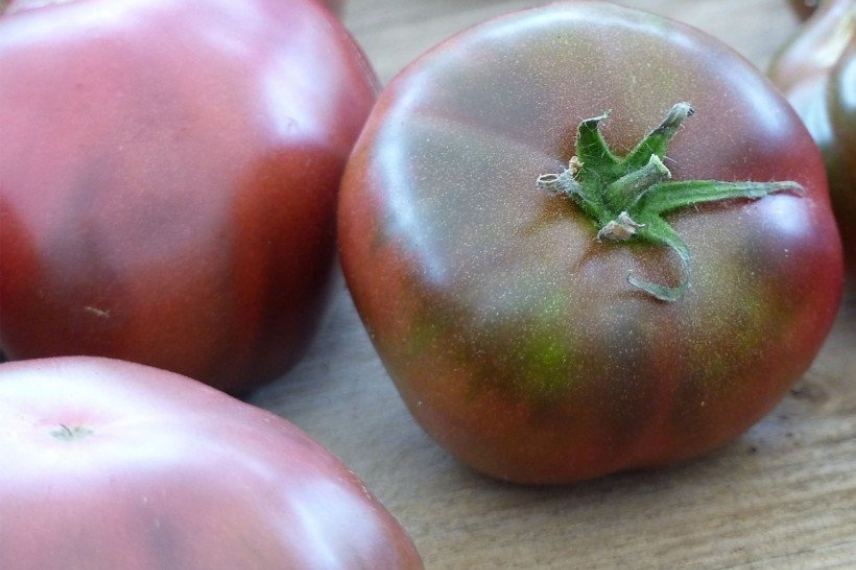
The Crimean Black Tomato is a variety with good resistance to diseases
Elevate the crops
If your garden tends to be waterlogged, especially in spring or after a heavy downpour (“a lovely big downpour” as they say in the region), it may be wise to raise your vegetable garden. By installing raised beds or mounds, you allow excess water to drain away rather than stagnate. Additionally, this type of cultivation tends to warm up more quickly in spring. This planting method is also perfectly suited for herb plants, which prefer slightly moist to dry soil, such as rosemary or thyme. And why not set up a spiralled herb garden?
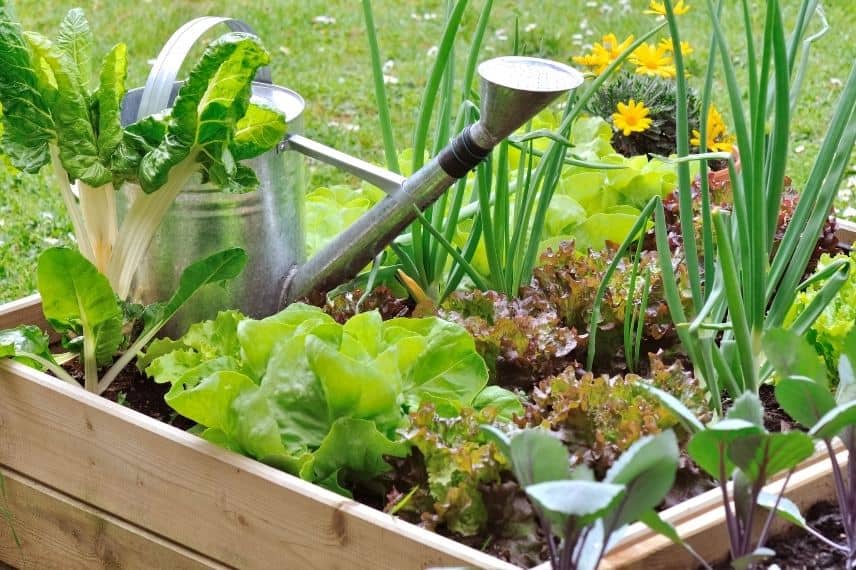
A raised vegetable bed prevents water from stagnating
- Subscribe!
- Contents
Comments