





























Discover hawthorns with pink and red flowers
Shrubs with abundant spring flowering
Contents
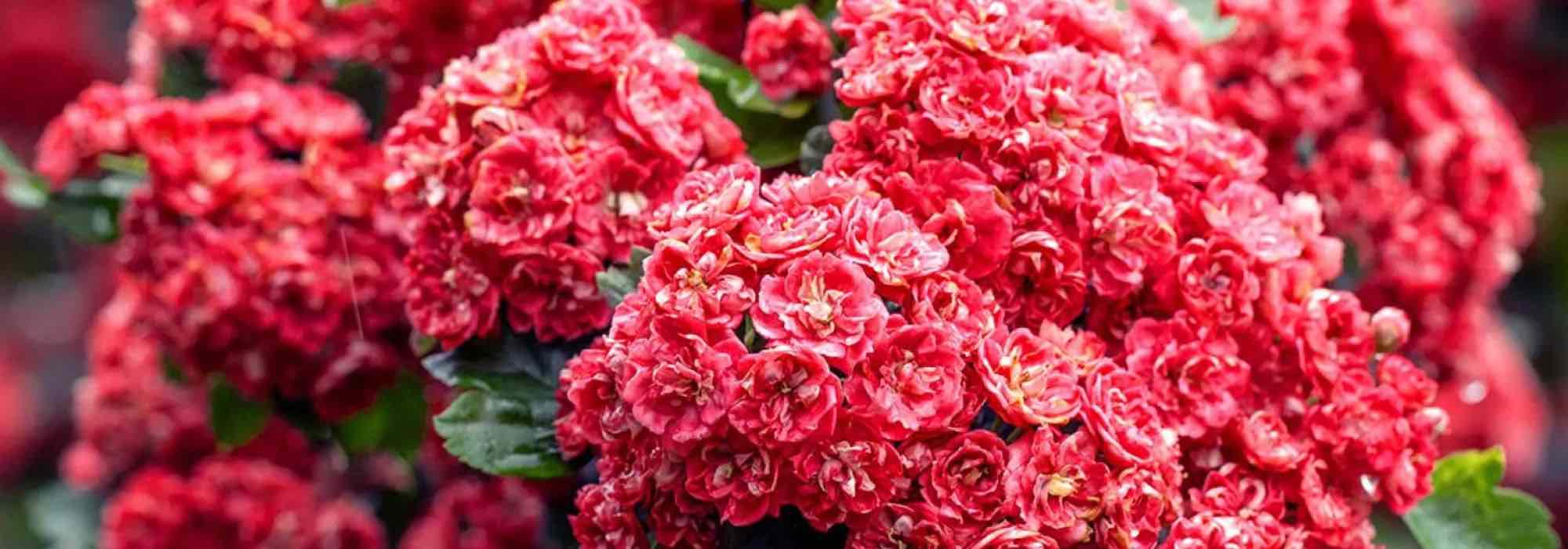
Pink- and red-flowering hawthorns, pink- and red-flowering hawthorns, as with the Crataegus laevigata ‘Paul’s Scarlet’, one of the best known, are shrubs or small trees that stand out for their spectacular flowering, their ease of maintenance and their robustness ; they are essential plants for enhancing a garden while supporting biodiversity. True witnesses to the pastoral landscapes of yesteryear, these hawthorns embody elegance and naturalness, capable of enhancing both small spaces and large grounds.
Adopting hawthorns in one’s garden means enjoying a continuous display throughout the year. In spring, they unfurl a cloud of pink or red flowers. In summer, their dense, lush foliage provides a refuge for birds and insects, while in autumn, their small edible fruits, red berries, brighten the gardens and become a valuable food source for wildlife. Even in winter, their elegant silhouette adds timeless charm to the landscape.
This article aims to tell you everything you need to know about pink- and red-flowering hawthorns : their characteristics, their decorative and ecological benefits, the best ways to plant and care for them, as well as ideas for integrating them harmoniously into your garden.

Why choosing a hawthorn with pink or red flowers?
Pink- or red-flowering hawthorn is a sight to behold. In spring, their branches are clothed in brilliant flowers, creating a romantic and poetic ambience. In a cottage garden, these flowers inevitably catch the eye. In addition to their beauty, they add a touch of timeless charm that evokes flowering hedges of times gone by.
They also play a crucial role in preserving biodiversity. Their nectar-rich flowers attract numerous pollinators, such as bees and butterflies, while their red berries in autumn provide valuable food for birds.
Moreover, hawthorns are well suited to a sustainable garden. Their hardiness and disease resistance make them ideal plants for gardeners looking to reduce the use of chemicals. They tolerate varied conditions and harsh climates, making them particularly suited to natural or cottage gardens.
Hawthorns also stand out for their adaptability. They thrive in calcareous soils as well as in poor soils. Once planted, they require little maintenance, which makes them valuable allies for those seeking an easy-to-maintain and aesthetically pleasing garden.
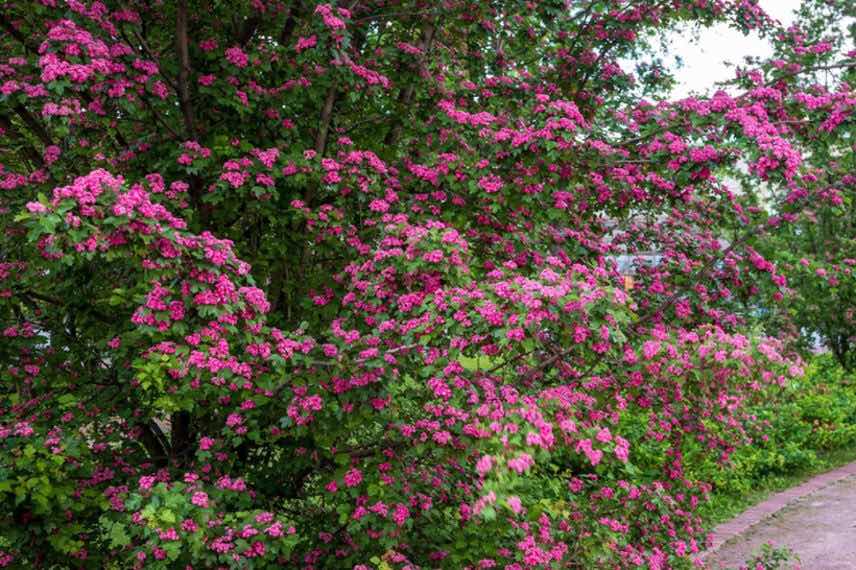
Choose a hawthorn with pink flowers to have a generous, vibrant, dynamic shrub or a more delicate one
Read also
How to pair Hawthorns?Characteristics of hawthorns with pink or red flowers
In terms of size, hawthorns reach, depending on cultivars, between 2.5 and 8 metres tall and 1 to 6 metres wide, which allows them to suit a variety of uses in different garden sizes, whether as a specimen, in a hedge, or in a bed. Their habit, often rounded and well balanced, contributes to their decorative appearance. The deciduous foliage, composed of small lobed leaves with a glossy green, provides good density in spring and summer.
The real asset of hawthorns lies in their spectacular flowering. The flowers, grouped into clusters called corymbs, usually appear in May. On varieties with pink or red flowers, single or double, these delicate corollas form a true colourful cloud, giving the garden a romantic and enchanting atmosphere. After flowering, the shrub produces small edible red berries, sometimes called ‘cenelles’, which often persist until winter, thereby prolonging their decorative interest while feeding birds. They are also delicious in jams!
Among the many varieties available, some stand out particularly for their beauty and their unique characteristics.
The Crataegus laevigata ‘Paul’s Scarlet’ is undoubtedly one of the best known. With its double flowers ranging from dark pink to blood red, it offers abundant and spectacular flowering. Very hardy, it adapts well to either a hedge or an isolated planting, where it attracts admiring glances.
The Crataegus laevigata ‘Rosea Flore Pleno’ captivates with its double pink flowers, delicate and full of softness, ideal for a romantic or countryside garden.
A further variety worthy of interest is Crataegus x media ‘Tortuosa Charlier’, which stands out for its intense red flowers, also double, perfect for creating contrast in a border, with its twisted habit and compact size.
For enthusiasts of less common cultivars on the market, the Crataegus laevigata ‘Princess Sturdza’, with single flowers, pink with white-centred petals and red fruits that persist long on the branches, offers extended decorative interest while forming a defensive hedge thanks to its thorns.
Finally, for small gardens or restricted spaces, the Crataegus monogyna ‘Versicolor’ is an excellent solution, with a mature height of 3.5 m and a spread of 2.5 m. With its compact habit, it bears single flowers, pink with white-centred petals and red berries.
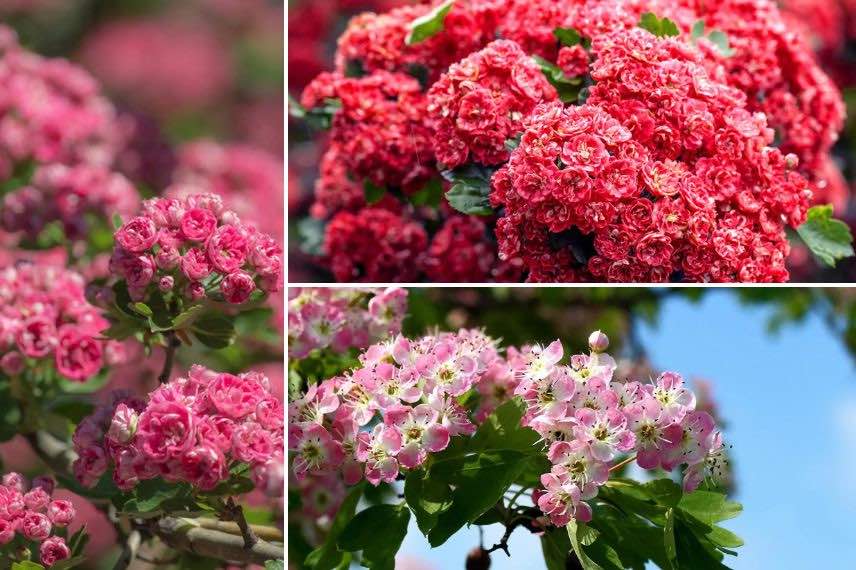
‘Rosea Flore Pleno’, ‘Tortuosa Charlier’, ‘Princess Sturdza’
Planting and care tips for hawthorn trees with pink or red flowers
Hawthorns adapt to a wide range of soils, whether calcareous, poor, clayey or slightly acidic, provided they are well-drained. These shrubs dislike standing water, which can weaken their roots. They prefer sunny positions, which promote abundant and vibrant flowering. A slightly shaded position can also be suitable, provided the shrub receives a few hours of direct sunlight per day.
Planting hawthorns is preferably done in autumn, between October and December, to allow the roots to establish before growth resumes in spring. It can also be carried out in early spring, before the buds begin to develop.
The hawthorn is a hardy shrub that requires little maintenance once well established. However, a few simple steps help keep it healthy and maintain generous flowering:
- Limit watering during the first few years, except in case of prolonged drought.
- Prune lightly after flowering, mainly to remove dead or misshapen branches and to maintain a harmonious shape. A more substantial pruning is possible.
- The hawthorn is generally hardy, but it can be susceptible to powdery mildew or certain aphids. To prevent powdery mildew, ensure the shrub is well ventilated and avoid excess moisture. If aphids attack, favour natural solutions such as insecticidal soap.
Read also
Diseases and pests of HawthornHow to pair hawthorns with pink or red flowers into your garden?
Hawthorns are versatile shrubs that adapt to a wide range of garden designs. In a cottage hedge, in a border, or as a specimen, they bring a touch of natural and romantic charm. Here are some ideas for integrating them harmoniously into your garden, with suggestions for companion plants.
Pairing Hawthorns in a cottage or free-form hedge
Hawthorns with pink and red flowers are ideal for creating a cottage or free-form hedge, where they pair with other shrubs for a natural, living effect. Thanks to their spectacular spring flowering and decorative berries in autumn, they provide an attractive presence year-round. To enrich this hedge, you can pair them with complementary shrubs.
Think of Red Dogwoods for their red-tinged autumn foliage, the Mock Oranges whose white, fragrant flowers complement hawthorns. The Hazelnuts offer lush foliage and hazelnuts in autumn. The Guelder-rose (Viburnum opulus) adds white umbels followed by bright red berries.
Such a hedge attracts pollinators, birds and other small creatures, while providing a natural and welcoming structure for the garden.
Integrating Hawthorns into a natural-border planting
In a border with a natural look, favour compact, less imposing varieties, such as ’Crimson Cloud’ or ’Tortuosa Charlier’, which blend easily among perennials and shrubs.
For a harmonious effect, pair them with plants with a simple, cottage-garden look:
Yarrow for its umbels and light habit. The Dwarf Sophora ‘Little Baby’ for a small, twisted shrub. The Echinacea purpurea which brings vertical and colourful touches. The Nepeta faassenii for grey-green foliage and a bluish bloom that soften contrasts. The hardy Geraniums to dress the base of the shrub with their delicate flowers and dense foliage. Small-flowered shrubs such as the Deutzia and the Kolkwitzia.
Planting a hawthorn as a specimen
To create a focal point in your garden, planting a hawthorn as a specimen is an elegant choice. Choose a variety with strong aesthetic value, such as ‘Paul’s Scarlet’, whose bright red flowers immediately catch the eye. Plant it at the centre of a lawn, at the garden entrance, or in a strategic corner where it can spread with ease.
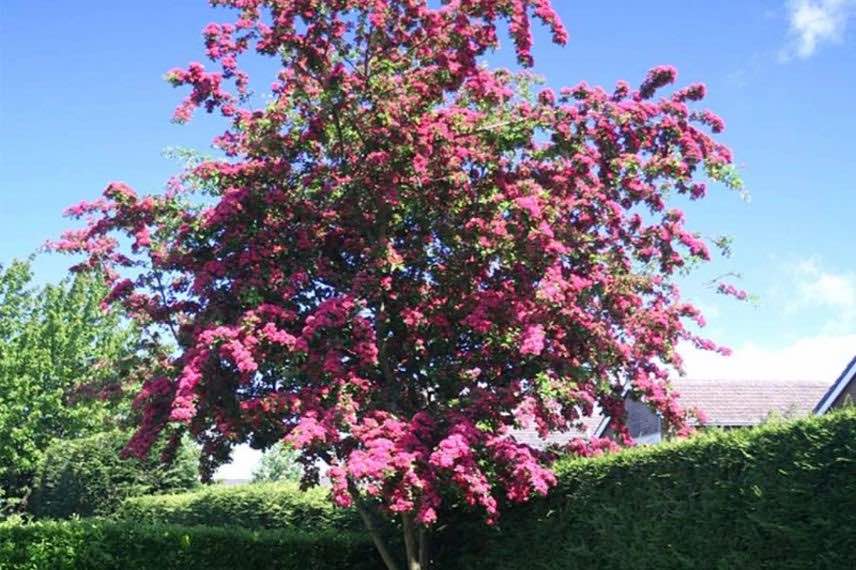
‘Paul’s Scarlet’ planted as a specimen
- Subscribe!
- Contents

Comments