





























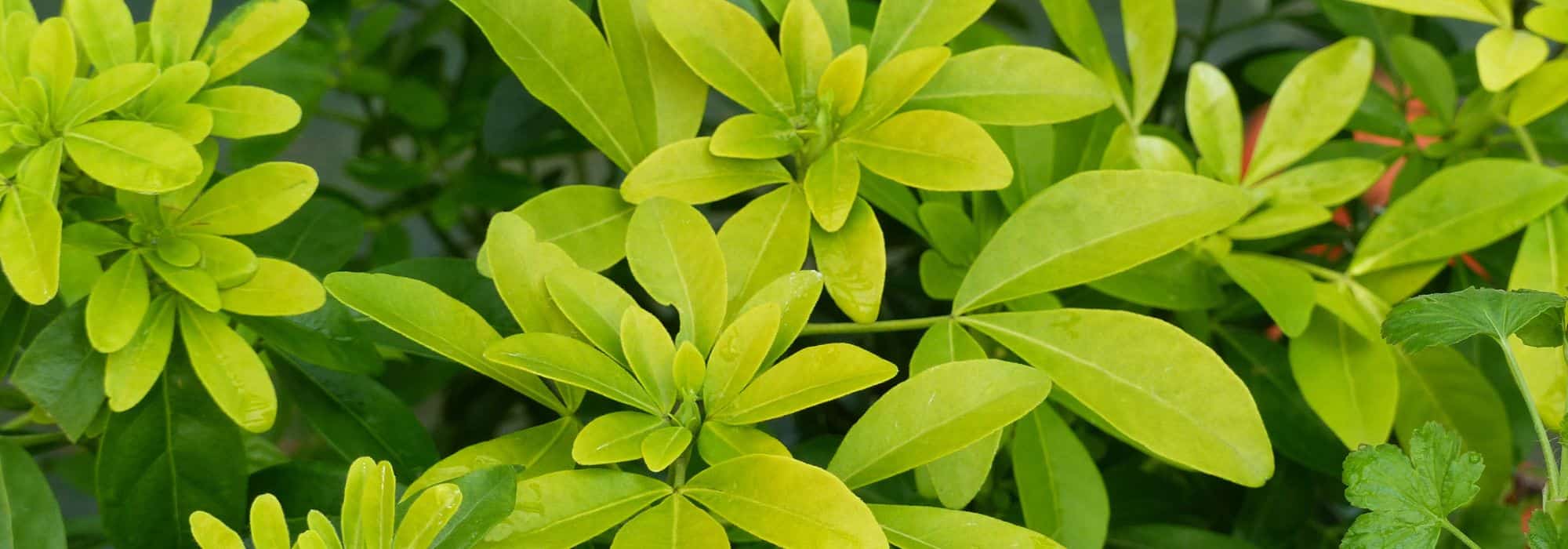
Diseases and pests of Choisya or Mexican Orange Blossom
IDENTIFICATION, PREVENTION AND NATURAL SOLUTIONS
Contents
Choisya, more commonly known as the Mexican orange blossom, is highly valued for its foliage, which is both evergreen and aromatic, brightening up the garden. Its white flowers bring a delicate citrus fragrance in spring, offering a touch of escapism. It is a robust bush, capable of withstanding temperatures down to -10/-15°C, in well-drained soil, sheltered from cold winds and excessive moisture. Once well established, even temporary drought does not faze it! Admittedly, Choisya grows slowly, but it has the advantage of being very rarely diseased and is not afraid of much. In the rare instances where a disease does appear, it is often related to excess moisture.
Discover the rare diseases and pests of the Mexican orange blossom and our tips for preventing or treating them.
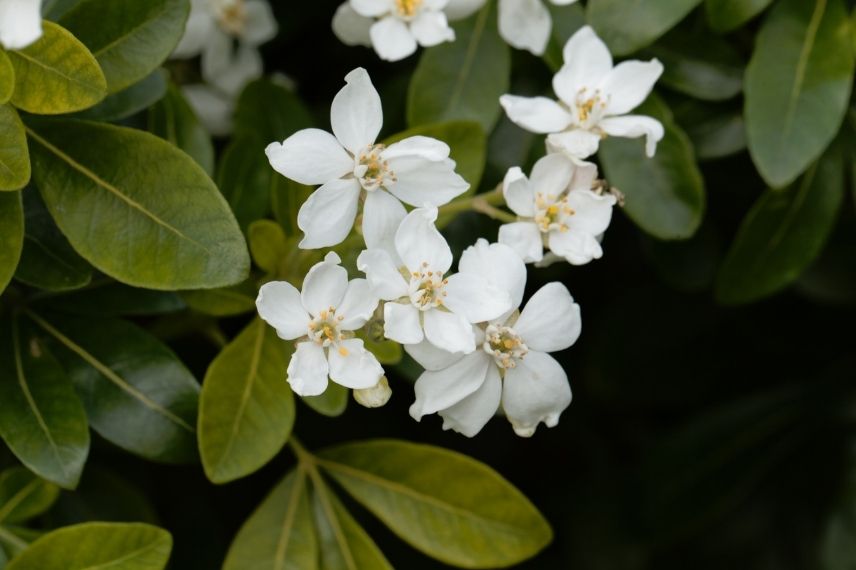
Choisya ternata

Phytophthora
Phytophthora is a cryptogamic disease (fungi) responsible for numerous ailments (including the infamous downy mildew, for example) that affects many plants, including the Mexican Orange Blossom. This is a particularly serious disease that can cause significant, even fatal, damage to the plant if not treated promptly. It is the main disease (almost the only one) that can affect Choisya.
Description and Symptoms
Phytophthora primarily causes root and collar rot. The first signs are usually yellowing and wilting of the leaves, especially during hot and dry periods. The leaves may also turn brown and remain on the plant even after they have died. At the collar, the base of the trunk may show brown or black spots.
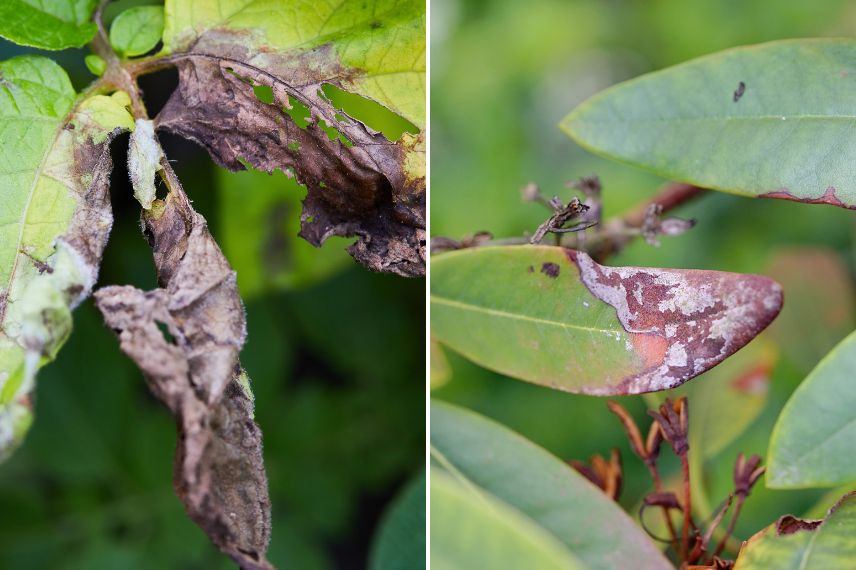
Examples of plants affected by phytophthora
Prevention
Phytophthora thrives in wet and poorly drained soils. Ensure that your Choisya is planted in light, well-drained soil and avoid overwatering. If your soil is heavy, add gravel or pouzzolane to the planting hole, with at least 1/3 of potting soil. Once this proper drainage is in place, it is almost certain that your Mexican Orange Blossom will not encounter the infamous fungus!
Treatments
If your Choisya is already affected, the first thing to do is improve the drainage of your soil. Next, remove all diseased parts of the plant to prevent the spread of the disease. Spray a natural treatment (of your choice):
- Lecithin, at a rate of 15 grams per 10 litres of water, once a week on the foliage.
- Use Bordeaux mixture on the leaves, as soon as the first symptoms appear.
- In warm and humid conditions, spray a horsetail decoction, prepared from 2.25 grams per litre of water, once or twice every 15 days.
- Prepare a sage infusion by boiling 80 grams of fresh leaves or 50 grams of dried leaves in 1 litre of water. Use once a week.
- 20 drops of essential oils (such as rosemary cineole, tea tree, mountain savory, clove, or clary sage), to mix in 5 litres of water, adding 10 ml of olive oil and 10 ml of black soap. Spray once a week or every fortnight.
However, note that Phytophthora is a disease that is difficult to eradicate completely. In some extreme cases, it may be necessary to remove the plant and then remove and replace the infected soil from the planting hole.
→ To learn more, read our article on Phytophthora: identify, prevent, control.
The spider mite or red spider
The red spider mite, or weaving tetranychid, is a small mite that can affect a wide range of plants, including the Mexican Orange Blossom. However, it is not specifically known to target this particular plant. Red spider mites prefer warm, dry conditions and are therefore more likely to become a problem in summer.
Identification
Red spider mites are tiny mites that can be difficult to see with the naked eye. To confirm their presence, you can look for signs of infestation, such as yellowing or speckled leaves, fine spider webs on the leaves or stems, or slowed growth of the plant.
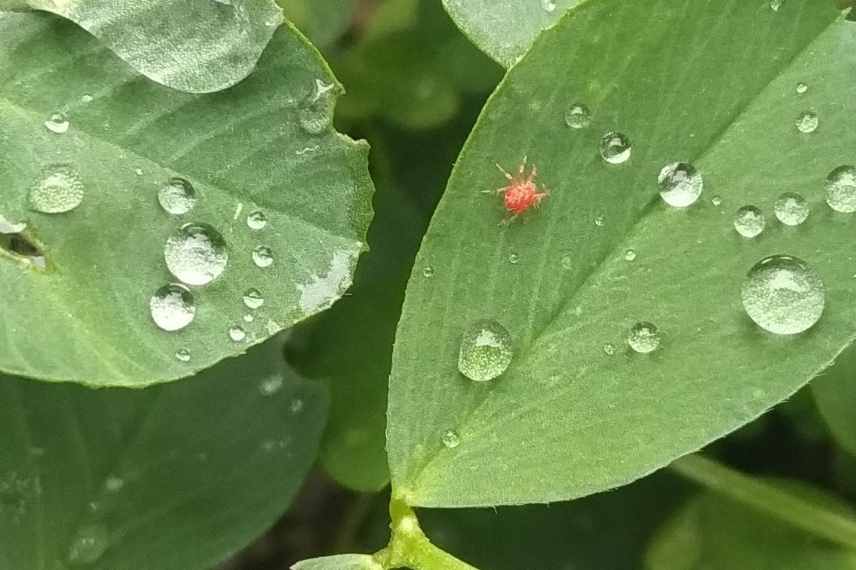
A tiny red spider mite… which causes significant damage
Prevention
- In the event of a prolonged heatwave, water the foliage of your Choisya during summer, two to three times a week. This action, performed early in the morning or in the evening to avoid rapid evaporation, can help increase humidity around the plant and deter red spider mites.
- It is also beneficial to ensure good air circulation around your Choisya.
- Avoid using nitrogen-rich fertilisers, as they can weaken your plants and make them more susceptible to pests.
- Opt for compost, which will strengthen your plant more evenly, unlike fast-acting fertilisers.
- You can also spray nettle manure or a horsetail decoction.
Treatments
- For a biological approach, consider introducing natural predators of red spider mites into your garden, such as Phytoseiulus persimilis. This mite, similar in size and colour to the red spider mite, can be an effective option as it feeds on the eggs, larvae, and adult red spider mites.
- You can also encourage the presence of lacewings, whose larvae feed on the eggs of red spider mites. To attract them, place an insect hotel or a pile of dead branches near your most vulnerable plants. To learn more, read our article on “the lacewing, a beneficial insect in the garden“.
- Prepare a mixture with 20 to 25 drops of rosemary essential oil, 3 to 4 drops of black soap, and 5 ml of rapeseed oil. Then, dilute this preparation in 1 litre of water and spray it on your plants.
- Prepare a garlic decoction, using 30 grams of garlic per litre of water. Then dilute this mixture to 30% and spray it on your plants. To prevent the hatching of red spider mite eggs, it is recommended to repeat this spraying every three days for about two weeks.
→ For more information, read our advice sheet on Red Spider Mite: Identification and Treatment
The weevil
Identification
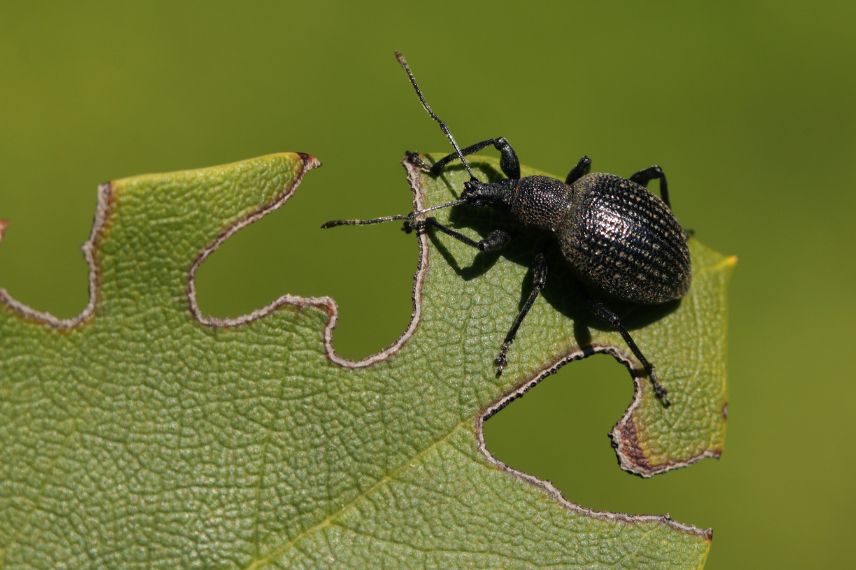
Otiorhynchs (family of weevils) are insects that can cause significant damage to plants. The adults, which are small beetles, often black or dark brown, are primarily nocturnal. They gnaw at the leaves, leaving irregular edges. The larvae, whitish and curved, are even more destructive. They feed on the roots of the plant, which can lead to yellowing, wilting, or even the death of the bush.
Prevention
- Invite hedgehogs into your garden! These adorable creatures are known to consume otiorhynch larvae found at the base of bushes, in the top few centimetres of soil. You can encourage hedgehogs to stay by providing shelter in the form of piles of wood, leaves, or building them a hedgehog house in a corner of your garden.
- If you have chickens, consider letting them roam occasionally in your garden. Their scratching habits can help unearth and eliminate otiorhynch larvae from the soil. And they will be happy to assist you!
- Some plants, such as rosemary, thyme, garlic, and ground pepper, are reputed to repel otiorhynchs. However, while they are often recommended by gardeners, there is no scientific evidence of their effectiveness. It’s up to you to test!
Treatments
- Spray nematodes, particularly Heterorhabditis bacteriophora, to combat otiorhynchs. These microorganisms parasitise the larvae and then kill them. This natural solution should be applied from spring to autumn to eradicate the larvae. To learn more, read our article: “Biological control, Beneficial Nematodes: how to use them properly?“
- Handpicking is another effective method for controlling adult otiorhynch populations during summer. Simply take a nighttime stroll in your garden with a flashlight to locate and collect them.
- Finally, mulching is a technique that can help disrupt the life cycle of otiorhynch larvae. By retaining soil moisture, mulching creates an unfavourable environment for the larvae, which prefer drier conditions.
→ To learn more, read our article “How to get rid of otiorhynchs?“.
For further reading
- Find all our varieties of Choisya on our site.
- To learn everything, browse our complete sheet on Mexican Orange, Choisya: planting, pruning and maintenance.
- Subscribe!
- Contents
Comments