


Diseases and pests of hornbeam
Identification, prevention and treatment
Contents
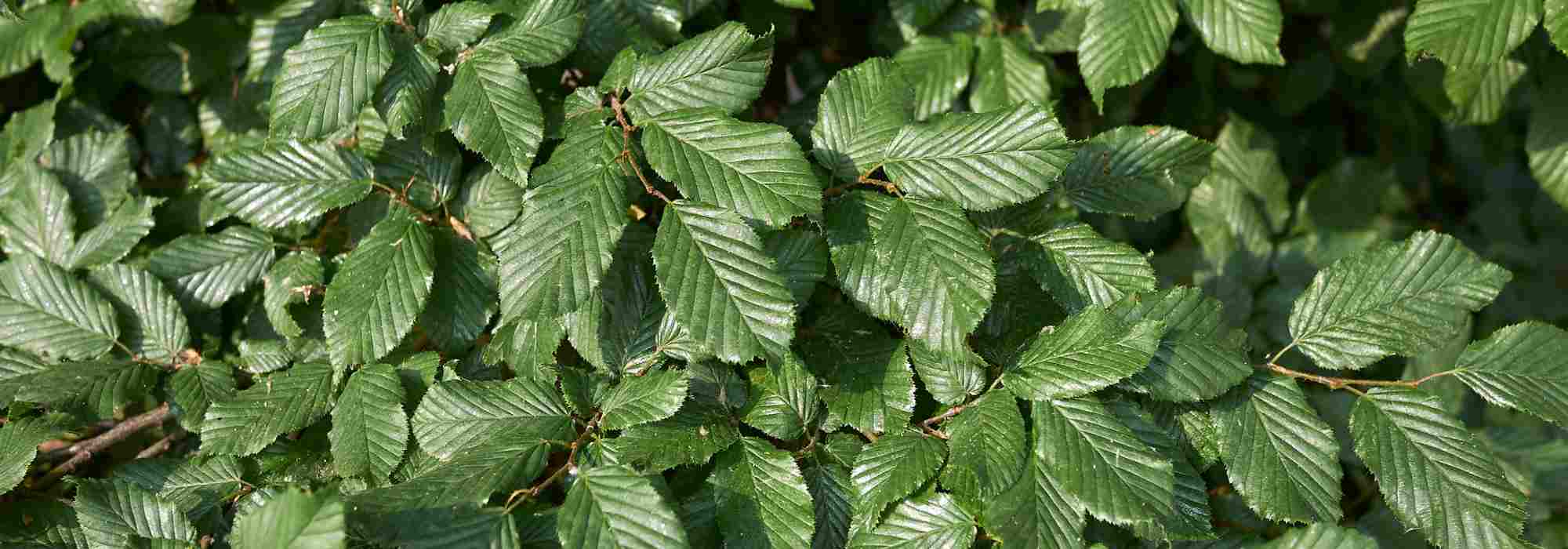
The hornbeam (Carpinus betulus) is a large leafy bush from our forests that gracefully occupies our gardens. Dressed in dentate leaves that turn golden yellow or fiery orange at the end of the season and persist on the branches throughout winter, this tree from our forests quickly forms magnificent natural hedges known as hornbeams, making it perfect for creating mazes, topiary, or simply standing out as a solitary specimen. Not demanding in terms of soil and exposure, it adapts to a variety of conditions, making it easy to care for. However, despite its hardiness, the hornbeam is not immune to diseases and pests that could potentially threaten its splendour and vitality. Let’s see how to identify and treat them!
Read also: Oaks: planting, pruning, and maintaining
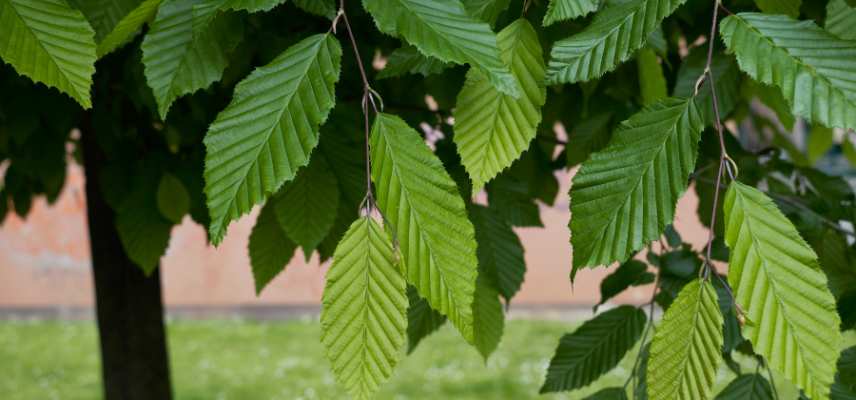
The elegant foliage of the hornbeam hedge

The hornbeam leaf miner
Identification:
The hornbeam miner is a small insect that causes serious damage to hornbeam leaves. The most common symptoms are winding, yellow or brown galleries in the leaves. These marks are actually the result of the insect’s larval activity.
Natural solutions:
Remove infected leaves and burn them to eliminate the larvae. Beneficial insects such as lacewings and ladybirds are also natural allies in the fight against the hornbeam miner.
Prevention:
To prevent infestation by the miner, you can opt for an organic repellent treatment, such as applying a diluted infusion of tansy or garlic.
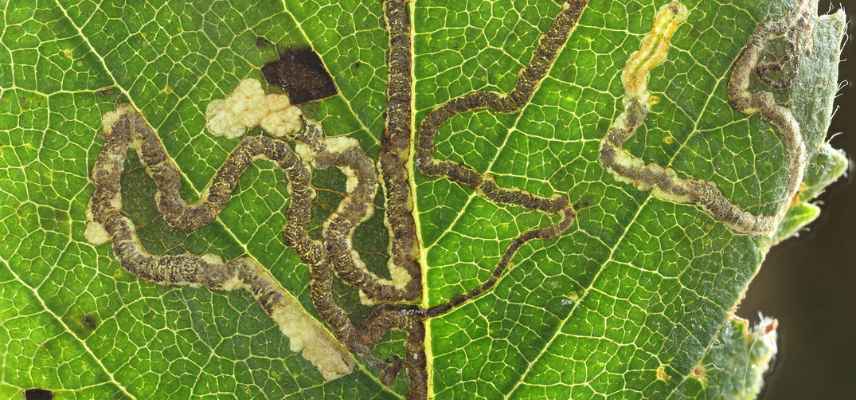
Stigmella sakhalinella (© Patrick Clément)
The canker of hornbeam
Identification:
Canker of hornbeam is a fungal disease that manifests as open wounds on the trunk and branches. The tissues around these wounds generally become brown-black and hard.
Natural solutions:
The first step is to remove the infected branches, cutting back to healthy wood. A treatment based on Bordeaux mixture can help eradicate the fungus responsible for the canker.
Prevention:
To prevent canker, it is recommended to ensure good air circulation around your hornbeam. It is also important to regularly disinfect your gardening tools to avoid spreading the disease.
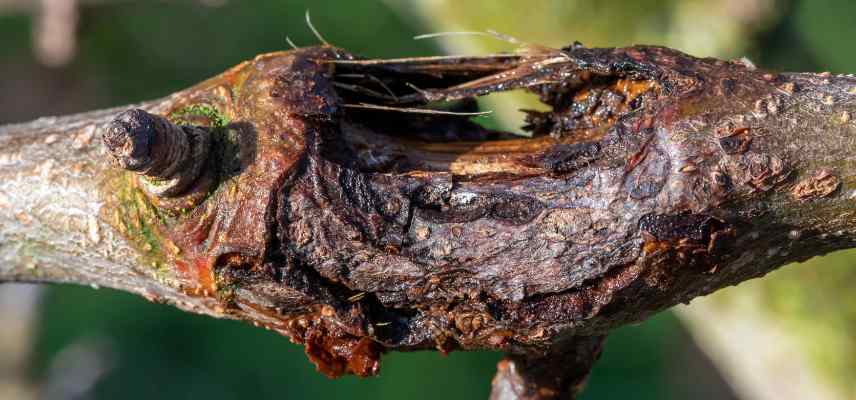
Canker attacking the branches, here on an apple tree
Powdery mildew on hornbeam
Identification:
A white powder appears on the leaves, causing yellowing and wilting.
Natural solutions:
An effective treatment against powdery mildew is a solution based on Bordeaux mixture or diluted milk. Both of these natural solutions can be sprayed directly onto the leaves.
Prevention:
Good ventilation and well-controlled humidity can help prevent powdery mildew. Avoid overwatering and nitrogen-rich fertilisers.
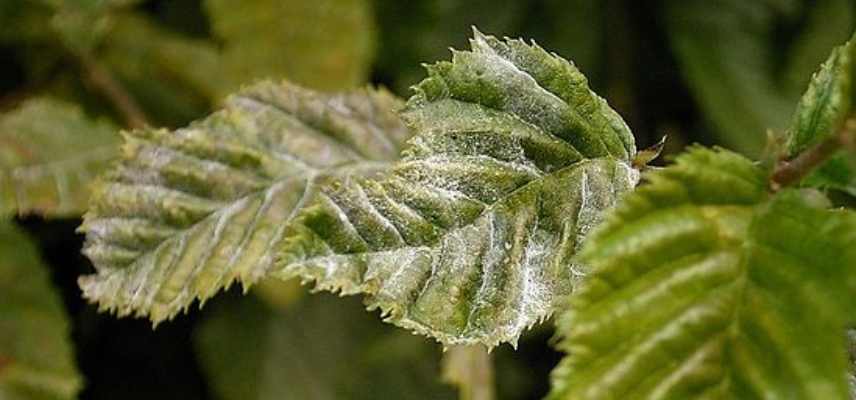
Powdery mildew on hornbeam (©Wikimedia Commons-Frank Vincentz)
The Hornbeam Aphids
Identification:
Aphids are small insects that suck the sap from plants, causing a general weakening of the tree. They also leave a sticky honeydew on the leaves, which can lead to the development of sooty mould, a blackish fungus.
Natural solutions:
To combat aphids, you can make sprays of black soap diluted in water. Beneficial insects such as ladybirds, hoverflies, or green lacewings are also excellent predators of aphids.
Prevention:
Plant trap flowers, such as nasturtiums around your hornbeam to attract these beneficials. Crop rotation and plant diversity are also good practices to prevent aphid infestation.
The rust of the Hornbeam
Identification:
The rust is a fungal disease that causes orange-red pustules on the leaves of hornbeam. These leaves may yellow and fall prematurely.
Natural solutions:
As with most fungal diseases, the first step is to remove and burn the infected leaves. A sulphur treatment can also be effective.
Prevention:
Avoid watering the leaves and ensure that your hornbeam is adequately ventilated to prevent this disease. A good supply of nutrients can also strengthen your tree’s resistance.
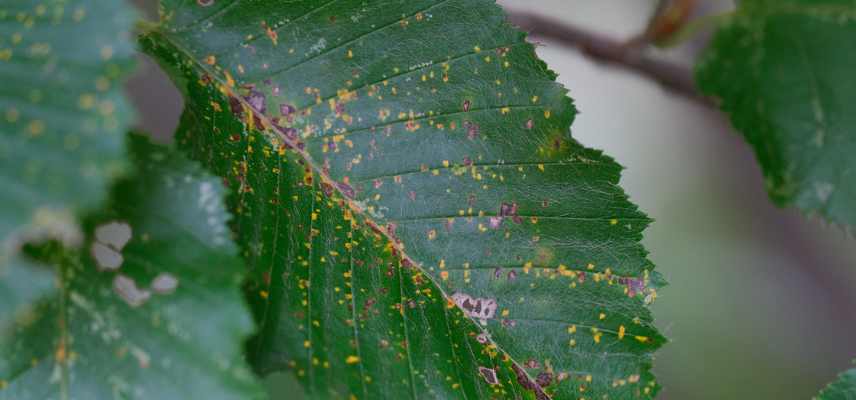
Melampsoridium carpini on hornbeam leaf (© Matt Borden)
Chlorosis
Identification:
Iron chlorosis is a common disease affecting many plants, including hornbeam! It is often caused by a deficiency in essential nutrients, usually iron, but sometimes magnesium, zinc, or other micronutrients as well.
Chlorosis typically manifests as leaf discolouration. Leaves gradually lose their green hue, turning pale yellow or white. This discolouration often starts between the veins, which remain green for longer. If the issue is not resolved, leaves may become entirely yellow and drop prematurely.
Natural treatment:
As chlorosis is due to an iron deficiency, applying a foliar spray of iron chelates directly onto the foliage can be beneficial. Another natural remedy is the application of well-decomposed compost or manure, or a foliar fertiliser for chlorosis that can help restore soil balance and provide the necessary nutrients to the tree.
Prevention:
To prevent chlorosis, it is important to ensure the overall health of your hornbeam and the environment in which it grows. Make sure your hornbeam is planted in well-drained soil rich in organic matter. Soil that is too compacted or poor can lead to nutritional problems. You can also conduct soil tests to determine if your soil is lacking certain nutrients. A balanced nutrient supply can prevent many diseases, including chlorosis.
→ Also, check out Olivier’s video tips on how to combat iron chlorosis.
Phytoptus mites
Identification:
These are tiny white mites that attack the leaves and buds of the tree. Infestation is manifested by galls or blisters on the leaves and deformation of the buds. The leaves may also show yellow or brown spots. Infestation is often more severe in spring and summer when they are most active.
Natural treatment:
Using a strong jet of water can help eliminate them. This is a simple and natural solution, but it is important to do it regularly to prevent the mites from returning. Another natural solution is the use of natural predators, such as ladybirds. For more severe infestations, horticultural oils, solutions, or insecticidal soaps can be used to kill the mites.
Prevention:
- In winter, remove deformed buds and burn them
- In spring, after the bud burst period, treat with a sulphur-based fungicidal
The browning of the leaves of the hornbeam
Identification :
Monostichella robergei, also known as the brown mite of hornbeam, is a species of mite that causes browning of hornbeam leaves. Irregular brown necrosis and desiccation appear on the margins of the leaves and between the veins. Affected leaves may eventually fall prematurely. If you closely examine the affected leaves, you may be able to see tiny yellow or brown dots, which are actually the mites themselves.
Natural treatment:
The first step is to cut and destroy all severely affected parts of the plant. This can help reduce the mite population. Next, you can spray the tree’s leaves with a jet of water to dislodge the mites. If the infestation persists, you can apply insecticidal soap or horticultural oil.
Prevention:
Ensure that your hornbeam has enough space for good air circulation, as mites thrive in warm, humid conditions. Regularly inspect your tree for signs of infestation and intervene promptly. A treatment with Bordeaux mixture can be applied at the beginning of the growing season.
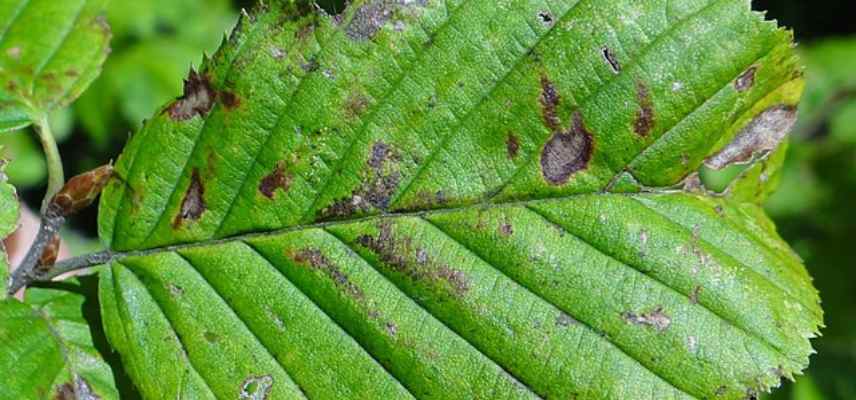
Monostichella robergei on hornbeam leaf (© Wikimedia Commons – Jerzy Opiola)
- Subscribe!
- Contents
Comments