





























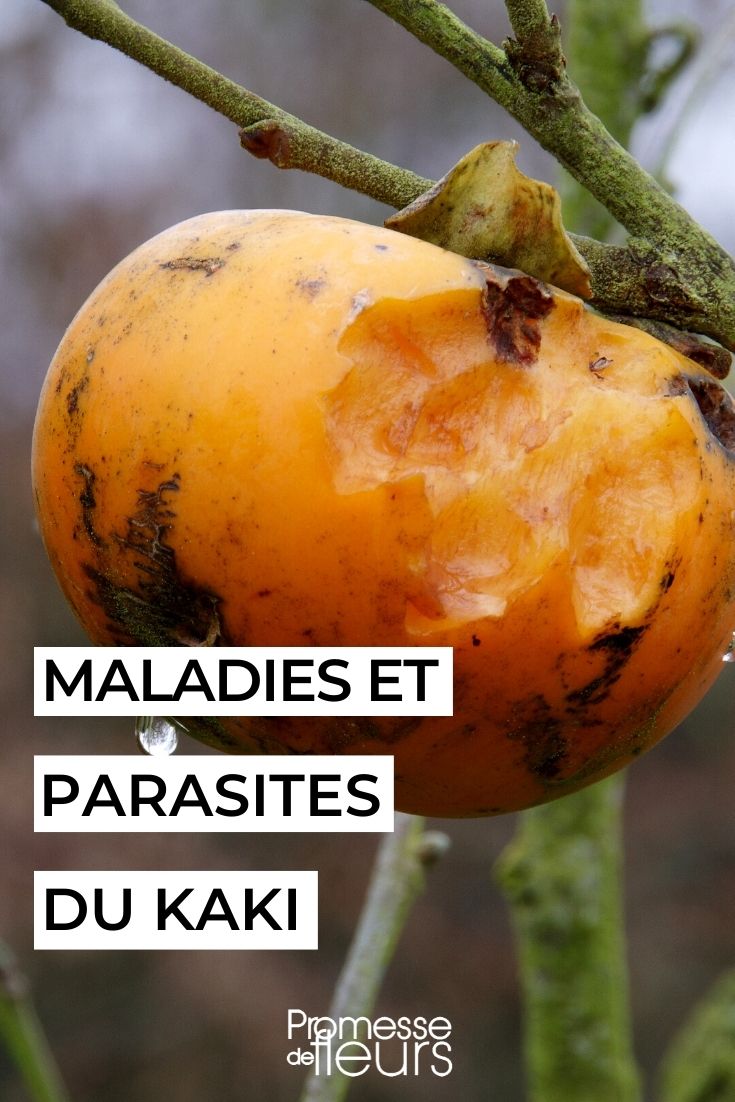
Diseases and Pests of Persimmon
Detecting and treating them naturally
Contents
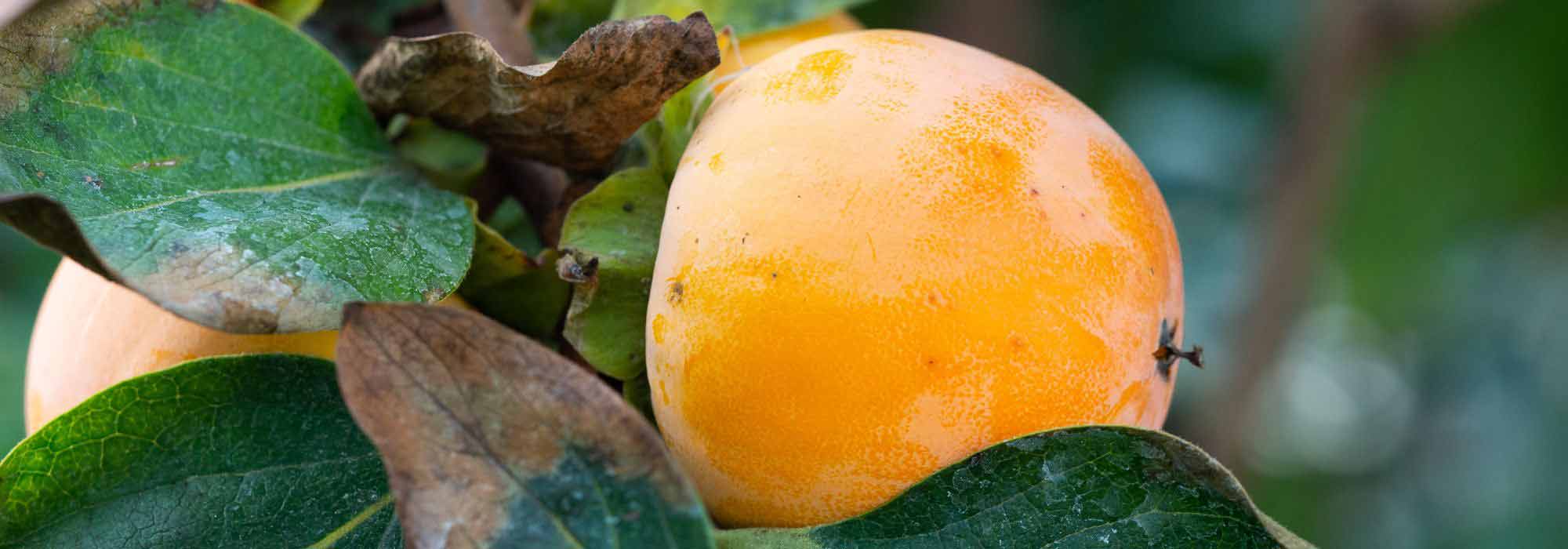
Fruit tree native to Southeast Asia, the persimmon or Diospyros, scientifically known as Diospyros kaki, produces delicious fruits in autumn that are very rich in vitamins, offering a tender flesh with a sweet and sugary flavour. A fairly hardy species (down to -18 °C) and not very susceptible to diseases and pests, the persimmon can nonetheless fall victim to some afflictions or attacks from harmful insects that can harm the tree and its fruit production. If your Diospyros doesn’t seem to be in good shape, discover below what it might have and how to help it naturally.

Mediterranean fly or fruit fly
Symptoms and Cause
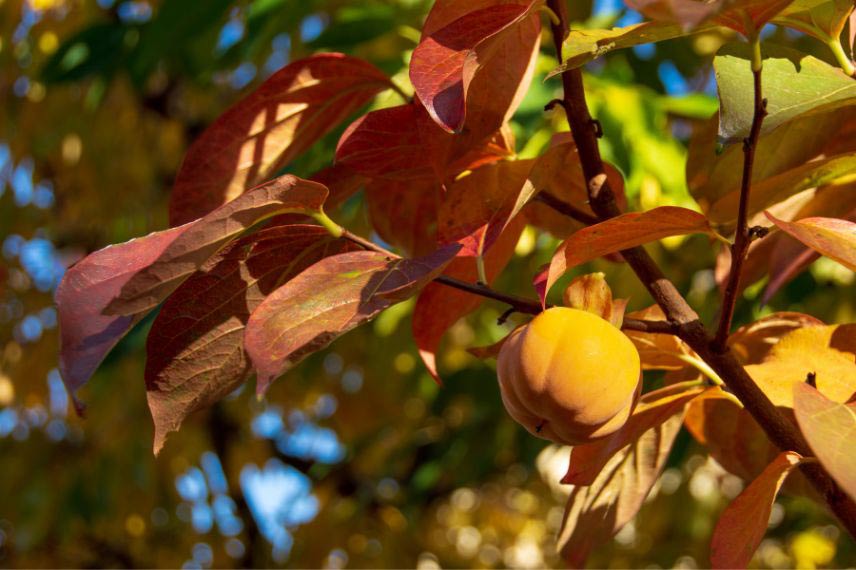
In the Mediterranean region, where the Persimmon is often cultivated due to its adaptation to drought and its need for long, hot summers to properly ripen its fruits, it is the most dangerous pest. It is attracted by the particularly appealing orange colour of the fruits. This fly, Ceratitis capitata, appears as early as August and lays its eggs in the persimmons. They hatch within 3 days, giving rise to small whitish larvae that then feed on the pulp. The fruits turn into a greyish mass that decomposes on the tree, while the exterior remains intact.
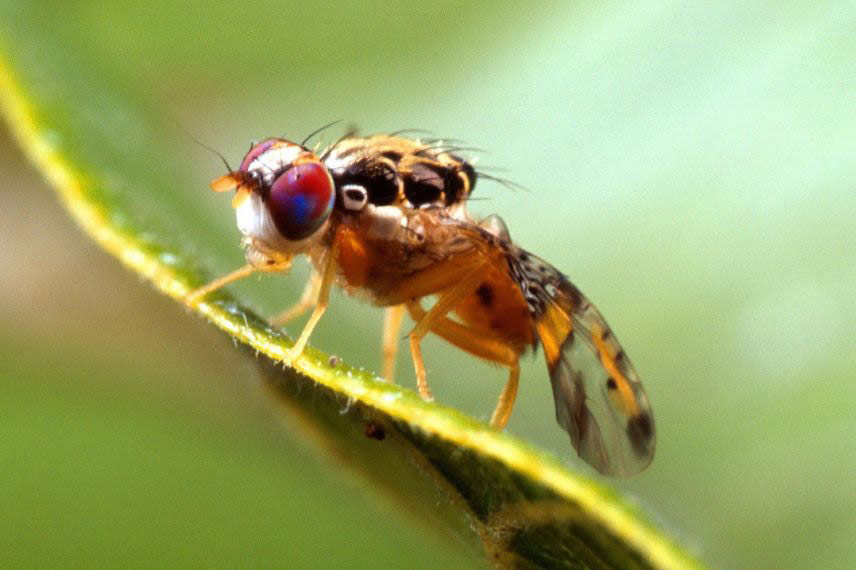
Mediterranean fly or fruit fly, Ceratitis capitata (Wikimedia Commons)
Preventive Measures and Treatment
- Growing a natural garden where biodiversity thrives attracts beneficial insects and birds and is an effective weapon against the fruit fly. It is preyed upon by numerous species of parasitic wasps and other predators such as certain ants, spiders, and mantises. Birds also attack the larvae emerging from the fruits, regulating their population.
- In the case of a significant infestation, control is achieved through trapping using pheromone traps that attract males through their yellow colour and capsules of pheromones or specific attractants for the species. They become trapped in the cup, preventing them from mating with females, and consequently halting the proliferation of this pest. Other types of pheromone traps capture males on a sticky surface and also stop the proliferation of Ceratitis capitata.
Scale insects
Symptoms and Cause
Targeting a wide variety of plants, mealybugs or cottony scale insects can occasionally settle on Kaki trees, which are sensitive to their attacks. However, they do not pose a major risk to these fruit trees, which may show only a few signs of weakening at most. Through their actions, mealybugs can transmit viruses by producing a sticky, sweet substance known as honeydew. This leads to the appearance of sooty mould, a black fungus, on the leaves and branches of Kaki trees.
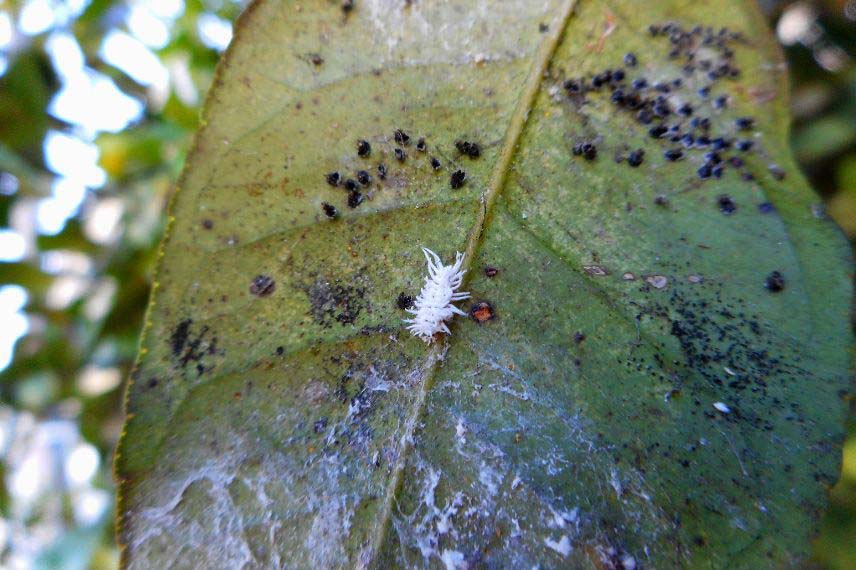
Kaki, like many plants, is not spared from mealybug attacks, which are often not serious
Preventive Measures and Treatment
- To prevent the appearance of mealybugs, promote biodiversity in the garden. Insecticides should be avoided: in trying to eliminate the mealybugs on your Kaki, you will also remove beneficial insects that are crucial for maintaining a biological balance. Natural enemies of these pests, such as ladybird larvae, will help regulate their population. They can also be purchased through biological control.
- On infested Persimmon trees, a treatment based on paraffin oil can be used, and larvae can be removed using black soap. A spray of nettle manure can also be effective, as can a strong jet of water on the branches.
→ To learn more about treating mealybugs, check our dedicated sheet: “Mealybug: Identification and Treatment. Our Tips for Natural and Effective Control”
Discover other Persimmon trees - Diospyros
View all →
Available in 1 sizes
Available in 2 sizes
Available in 2 sizes
Available in 2 sizes
Available in 1 sizes
Available in 1 sizes
Available in 2 sizes
Available in 1 sizes
Available in 1 sizes
Available in 1 sizes
Collar gall
Symptoms and Cause
Collar gall is caused by the pathogenic bacterium Agrobacterium tumefaciens, which enters the roots of plants through wounds. These may have been caused during planting, grafting, maintenance around the trunk, or by soil insects, for example. Irregular growths called galls, ranging in size from a few millimetres to several tens of centimetres in diameter, then develop on trunks, stems, and roots.
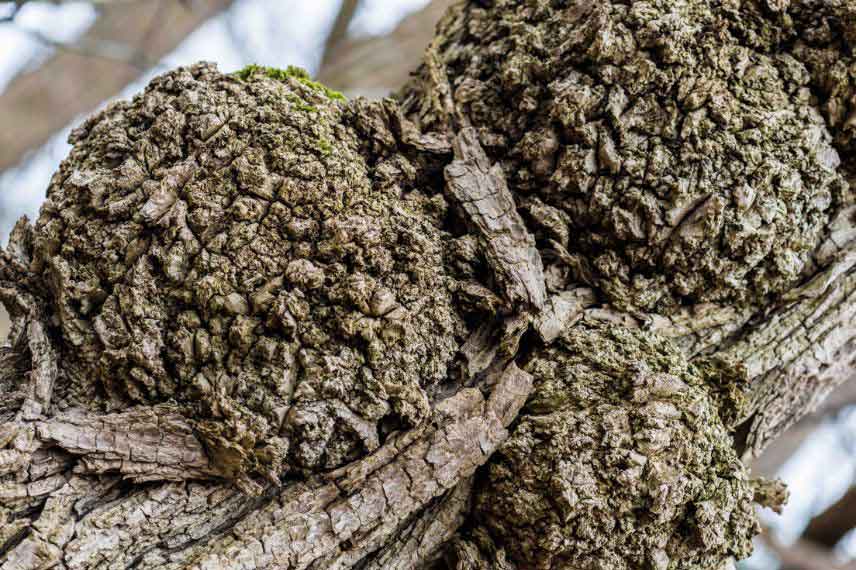
Gall on a tree trunk
Preventive Measures and Treatment
- Prevention is the best method of controlling collar gall, as once established, it can be very difficult to eliminate. Therefore, carefully inspect new trees before planting; if they show galls on the trunk, stems, or roots, do not plant them and have them returned to your nursery.
- Be careful not to injure new Persimmons with tools during planting.
- In case of infection, established Persimmons can tolerate it and can be left in place. However, if they show signs of decline, especially in young specimens, it is better to remove and dispose of them at a waste facility to replace them with healthy specimens, which should be planted in a different location (to avoid the transmission of the bacterium responsible for the gall). Ensure you disinfect tools that have come into contact with infected specimens after use.
- Avoid planting sensitive species near an infected Persimmon, such as other fruit trees, roses, poplars, or willows.
Foliar necrosis of Persimmon
Symptoms and Cause
Although this fungus (Mycosphaerella nawae) is not yet widely detected in France, it is currently the most significant disease in other nearby countries, particularly Spain. It causes the appearance of necrotic spots on the leaves, followed by defoliation of the tree and fruit drop.
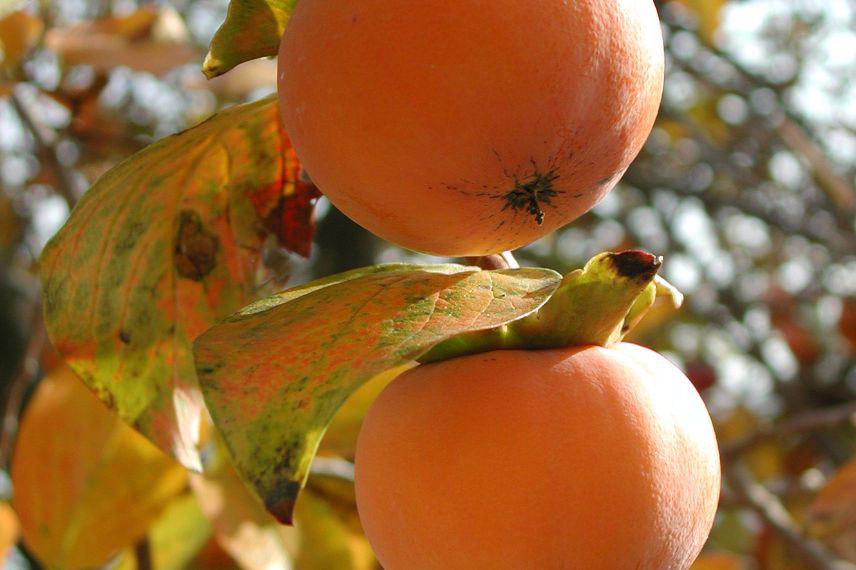
Foliar Necrosis of Persimmon
Preventive Measures and Treatment
- Remove affected leaves to limit the spread of the disease.
- As this is a cryptogamic disease, apply Bordeaux mixture, renewing treatments regularly until symptoms disappear.

- Subscribe!
- Contents
Comments