





























Diseases and pests of turnip
Identification, prevention and natural solutions
Contents
Turnips are among the popular root vegetables in the vegetable garden. They are appreciated for their sweet flavour, which easily integrates into purées, velvety soups, stews, or even surprising dessert recipes.
They generally grow without issues: sowing turnips is straightforward, and their cultivation mainly requires sunlight, light soil that is rich in organic matter, and remains cool. However, it is possible to encounter some diseases or pests. These are often the same as those found in cabbage or radish, which belong to the same Brassicaceae family.
Let’s take a look at the diseases or pests you may face when growing turnips.

Fungi responsible for cryptogamic diseases
Description and Symptoms of Downy Mildew
Downy mildew of turnip is a disease caused by the fungus Hyaloperonospora parasitica, which thrives in the mild and humid conditions of spring or early autumn.
Symptoms are easily identifiable: brown or yellow spots appear on the foliage. You will also notice a white-grey to violet felt on the underside of the leaves. The aerial parts eventually dry out and rot. In cases of more intense spread, the vegetables can also be affected, rendering them inedible.
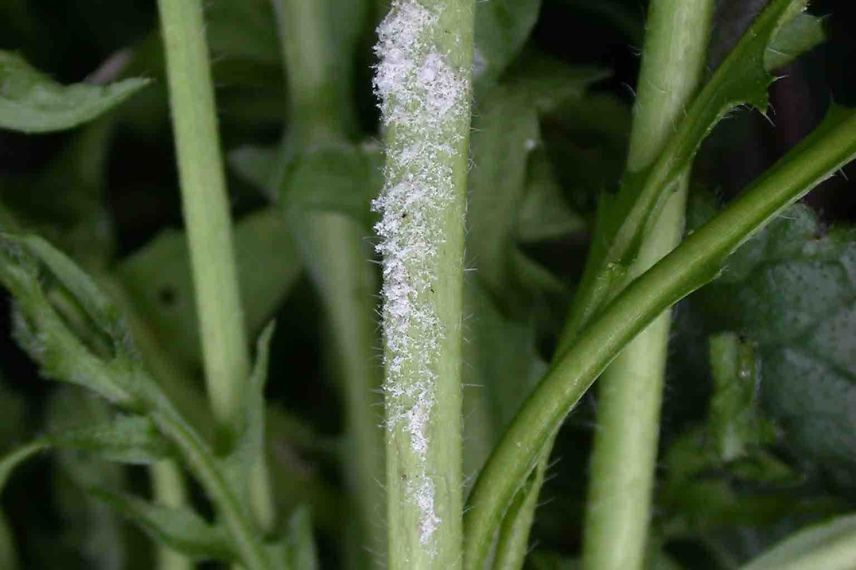
Hyaloperonospora parasitica or downy mildew of turnip
Description and Symptoms of Turnip Cyst
Here, the fungus Plasmodiophora brassicae is responsible for this cryptogamic disease. The turnip cyst causes root deformities (outgrowths, galls) and overall weakening of the plant.
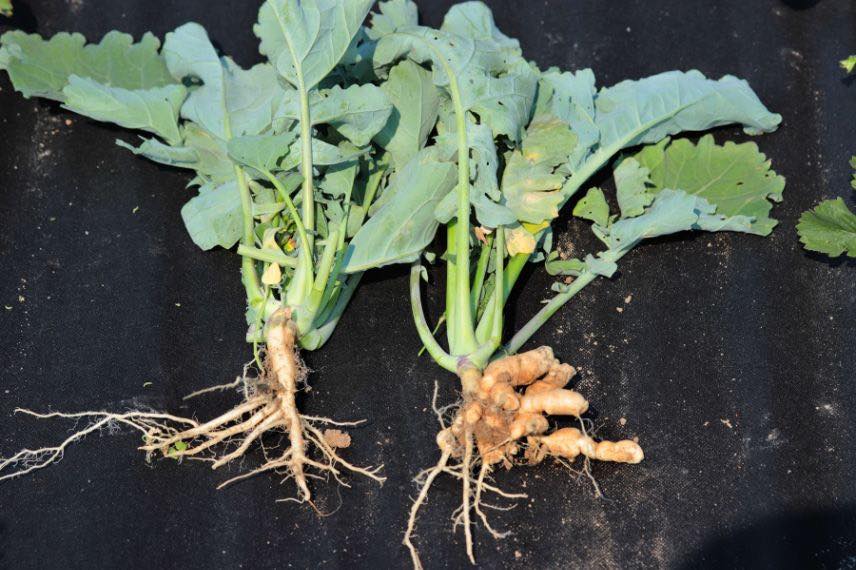
Deformations caused by Plasmodiophora brassicae
Prevention
Fungal diseases can be prevented by following a few simple practices.
- Care for the growing conditions by respecting the needs of turnips: sunny or partially shaded exposure, soil rich in organic matter but not too heavy, absence of lime. Also, ensure to keep the substrate cool (moist but not excessive).
- Maintain proper planting distances between your turnips to promote natural air circulation.
- Avoid wetting the foliage during watering.
- Mulch to help maintain a cool soil.
- Thoroughly disinfect your cutting tools when pruning (removing damaged leaves, for example) to prevent the transmission of diseases between plants.
- Remove harvest residues at the end of the season to prevent the development of spores.
- Ensure crop rotation: do not replant for at least 3 years in the same area with vegetables belonging to the same family and/or susceptible to the same diseases.
Although their effectiveness is not scientifically proven, plant decoctions are used by many gardeners for both preventive and curative care. The decoction of horsetail is popular for spraying, to strengthen the natural defenses of plants. It is said to have a beneficial effect in preventing cryptogamic diseases of turnip.
Natural Antifungal Treatments
Regularly observe your turnips to quickly spot symptoms of diseases before they proliferate. Immediately remove affected parts and dispose of them in the waste bin, not in compost.
If necessary, use sulphur-based fungicides as a supplement, such as Bordeaux mixture. This powder, to be diluted in watering water, is compatible with organic cultivation. However, it should preferably be used sparingly and judiciously to avoid disrupting and polluting the soil.
Horsetail or nettle manures are also used diluted and sprayed as a natural curative treatment against cryptogamic diseases.
To learn more:
– “All you need to know about fungal diseases”;
– “Bordeaux mixture and other copper-based treatments in the garden”;
Read also
Turnip: sowing, growing and careThe turnip fly
Description and Symptoms
This is a small pest measuring a few millimetres (Delia radicum), which lays its eggs at the collar of turnips. It is its larvae that cause the problem: feeding on the roots, they burrow galleries in the vegetable, leading to its rotting and rendering it inedible. In terms of symptoms, you will notice a grey coloration of the foliage, which eventually wilts and causes the plant to decline. Once the turnip is contaminated, unfortunately, there is no curative treatment available.
Spring turnips are particularly susceptible to this pest.
Prevention
Crop rotation helps reduce the risk of infestation. To achieve this, avoid planting vegetables from the same family and/or those susceptible to the same diseases in the same area for at least three consecutive years.
Installing a fine mesh insect net tightly in spring helps prevent egg laying.
Encourage predatory insects of the turnip fly to settle in the garden (ground beetles, rove beetles): refrain from using plant protection products, leave some unmaintained refugium areas in the garden, set up small piles of stones or wood, etc.
Some gardeners recommend alternating planting of turnips, fennel, tomatoes, or lettuce, whose scents are said to be repellent to our pests. A mulch of tansy at the base of the turnips may also have similar beneficial effects.
Conversely, spreading fresh manure seems to attract turnip flies more intensely.
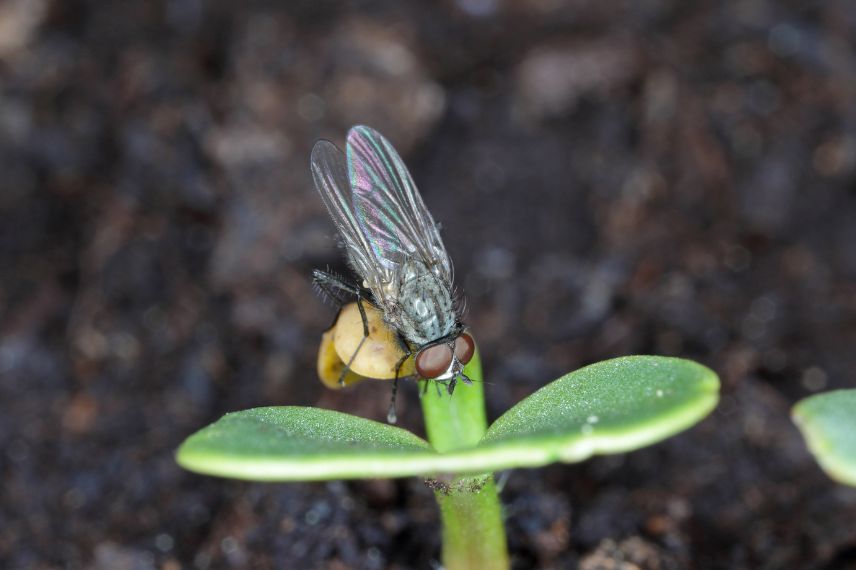
Delia radicum, the turnip fly
Flea beetles
Description and Symptoms
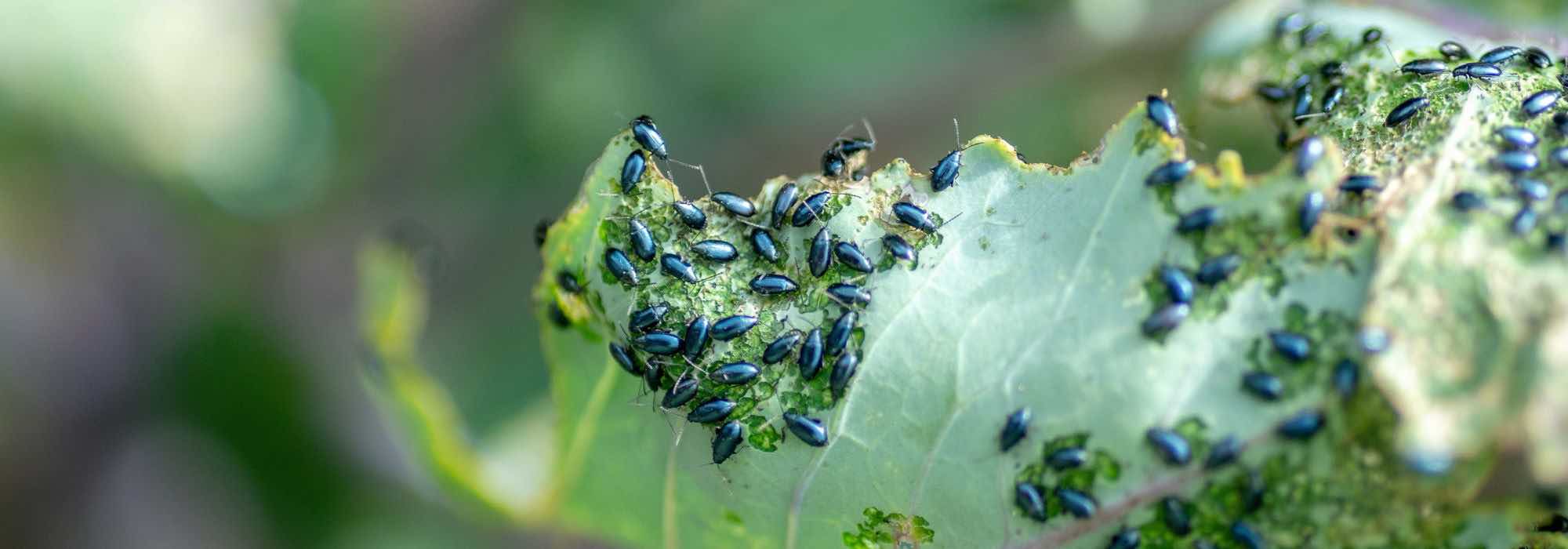
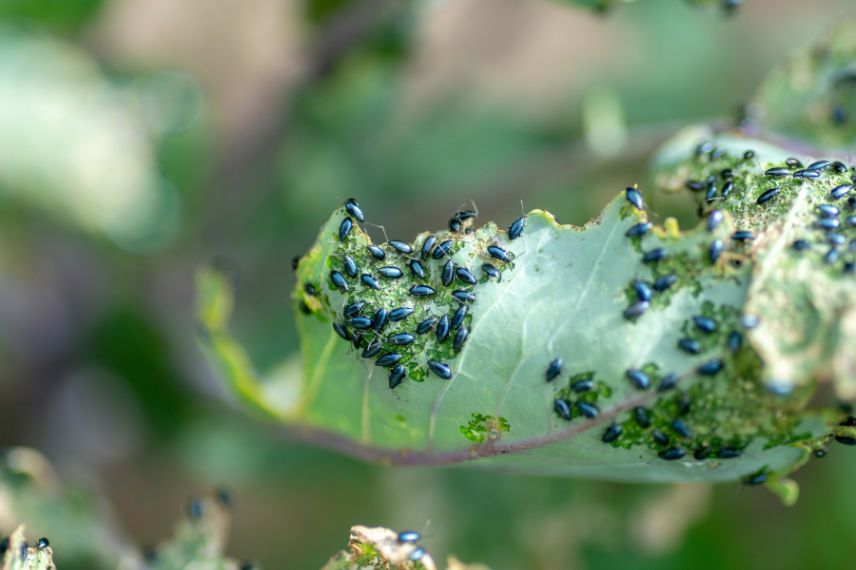
Flea beetles are small jumping beetles with an iridescent black colour. They appear in late spring during warm and dry weather. These pests feed by perforating the foliage of turnips, which impacts the growth of the plants.
Turnip sowings can also be attacked, quickly leading to their decline.
Prevention
Water your turnips regularly and mulch around their base: flea beetles dislike moisture.
Hoe the base to disrupt laying and eliminate any potential eggs.
As with preventing attacks from turnip fly, securely install an insect net around your crops.
Dusting with wood ash or diatomaceous earth would also limit the proliferation of these insects. Repeat after watering or rain.
Natural Treatments
In case of severe attacks, the use of a natural insecticide may be considered. Dilute one tablespoon of black soap in 1 litre of warm water. Spray in the late afternoon on the affected parts. Repeat if necessary.
For more information: How to control flea beetles and protect cabbages?
- Subscribe!
- Contents
Comments