





























Everything you need to know about Japanese maples in 15 questions
Frequently Asked Questions about Japanese maple: tips and answers
Contents
Japanese maple, primarily represented by the species Acer palmatum and Acer japonicum, is a refined shrub native to Asia. It is valued for its delicately palmately dissected leaves, which offer a colour palette that evolves from soft green to fiery red across the seasons. This tree is a central feature of Japanese and Zen gardens, and its slow growth allows it to adapt perfectly to small spaces and even to bonsai. Its size and habit vary considerably depending on the varieties, ranging from a small shrub to a large tree, with some species displaying a very elegant weeping habit. Thinking of planting a Japanese maple, but you have plenty of questions? From planting to pruning, including the most common diseases, discover all you need to know to grow this striking tree that gives the garden or terrace a distinctive character!

What are the characteristics of the Japanese maple?
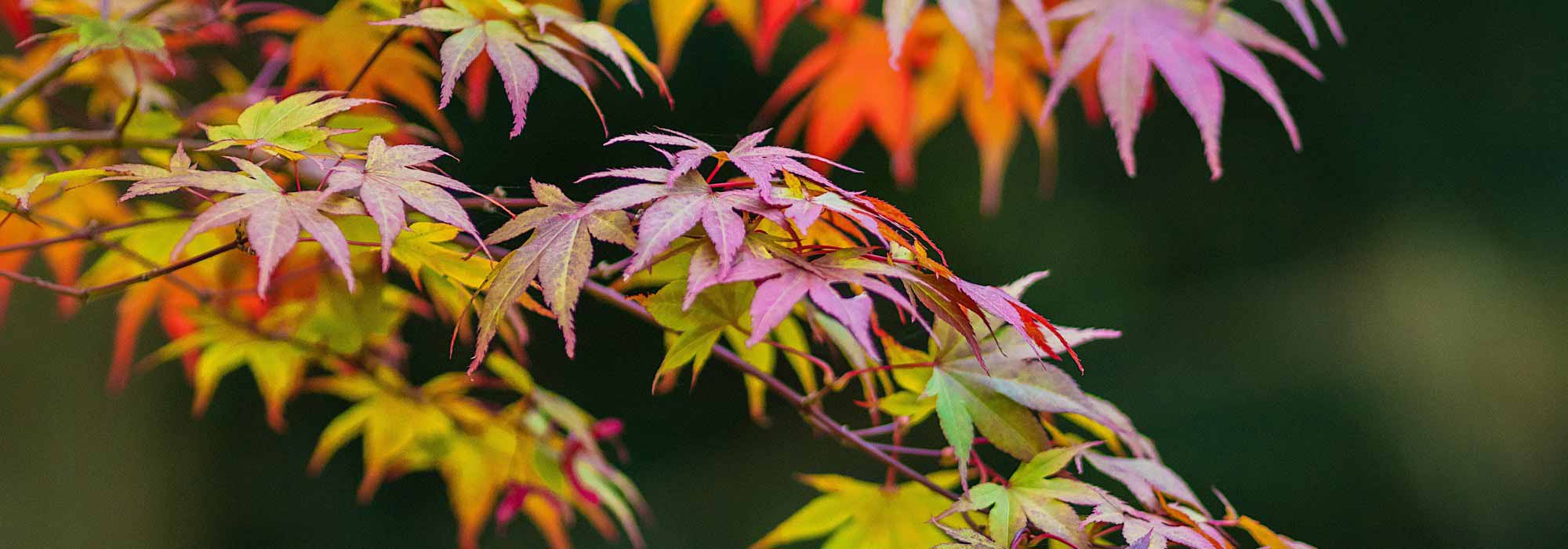
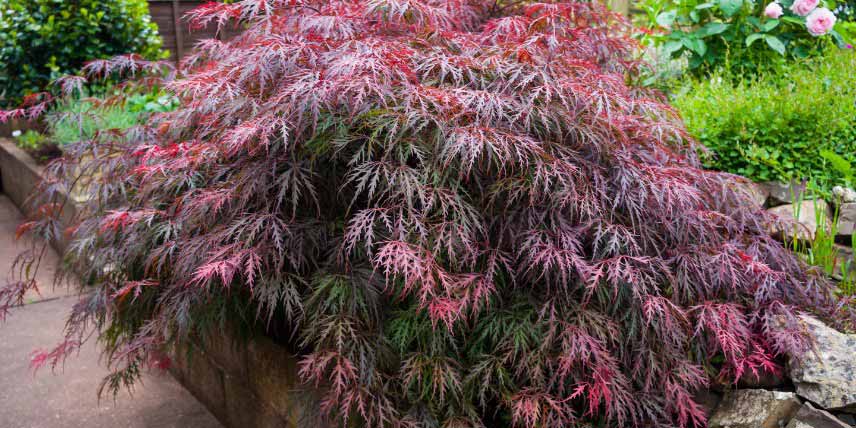
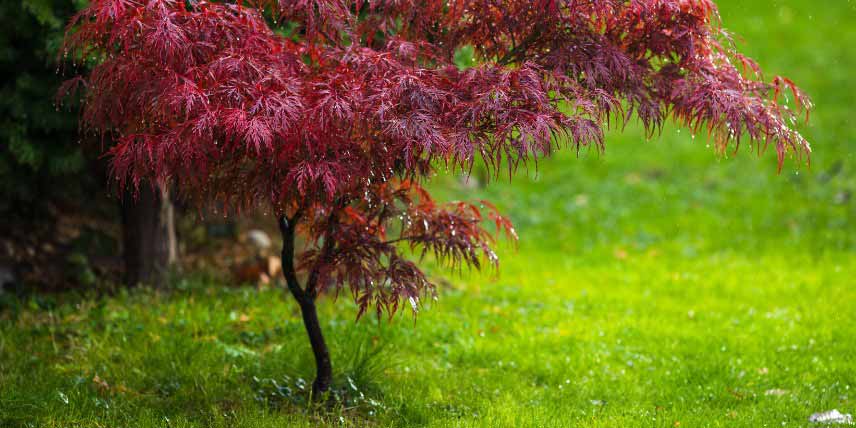
Japanese Maple (mainly Acer palmatum and Acer japonicum and their varieties) is a refined bush, from the Sapindaceae family native to Asia. With its palmately divided foliage that changes colour through the seasons, ranging from soft green to golden yellow or incandescent red in autumn, it is a central feature of Japanese and Zen gardens. With slow growth, it adapts perfectly to small spaces. Its size and habit vary greatly depending on the variety. It typically grows to between 1.5 and 6 metres tall at maturity, occasionally up to 10 m under ideal conditions. Some forms display a very elegant weeping habit or a domed habit, as with Acer palmatum ‘Dissectum Garnet’. Most Japanese maples can reach a maximum height and width of 10 metres. It can also be grown in a pot or pruned into bonsai or into niwaki to emphasise its sculptural appearance.
Do Japanese maples grow quickly?
No. The Japanese maple is a tree with moderate to slow growth. It’s one of its characteristics that makes it well suited to small gardens or growing in pots. Although it can reach a considerable size in due course, it won’t do so within a few years. It grows by 15 to 30 cm per year. This slow growth allows it to develop an elegant habit and to live a long life.
Where to place a Japanese maple?
Plant your Japanese maple in a semi-shaded to shaded spot, sheltered from the scorching sun and from cold, drying winds that can damage its delicate leaves. The Japanese maple prefers a partly shaded exposure, especially in hot regions. It can tolerate full sun in cooler climates, but it is important to protect it from strong winds and late frosts.
What is the best time to plant a Japanese maple?
Autumn is the best time to plant a Japanese maple. The cooler temperatures and the more frequent autumn rains promote rooting. In very humid regions, however, it is preferable to plant in spring, ideally between March and April.
What soil for Japanese maple?
Japanese maple prefers acidic to neutral, humus-rich, well-drained and cool soil. Avoid calcareous soils, as they cause the leaves to turn yellow (chlorosis). It is also important to avoid overly heavy or clay soils that retain water, as this can lead to cryptogamic diseases. It will thrive in a mix of garden soil, well-decomposed compost, heather soil, and coarse sand for good drainage.
Do maples need a lot of water?
Japanese maple appreciates cool soil, but not excess moisture. Water regularly, especially in summer and during dry spells, keeping soil slightly moist. mulching at the base helps to keep the soil cool. It is important to find the right balance by allowing the soil to dry between waterings. In summer, generally, one to two waterings per week are usually sufficient. Mist the foliage in the late afternoon to refresh it and prevent the appearance of red spider mites. If you grow your maple in a pot, be even more vigilant about water shortage.
Can you water a Japanese maple with tap water?
It is best to use soft water, such as rainwater. Hard water can cause the leaves to yellow. In areas with soft water, tap water is acceptable.
Can a Japanese maple be grown in a pot?
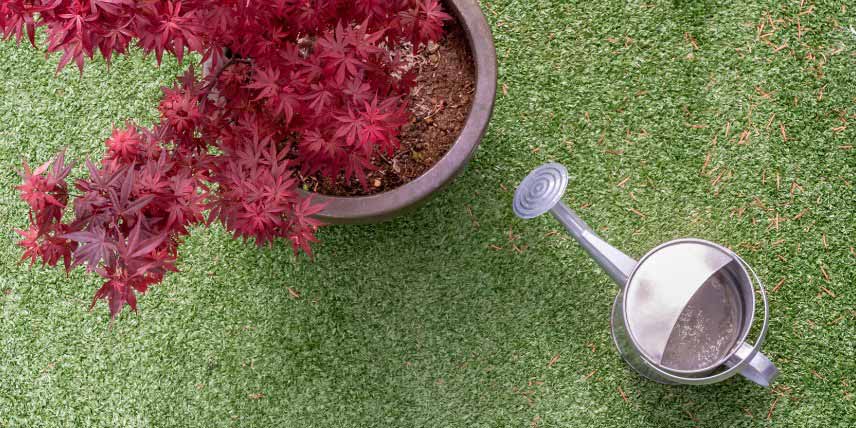
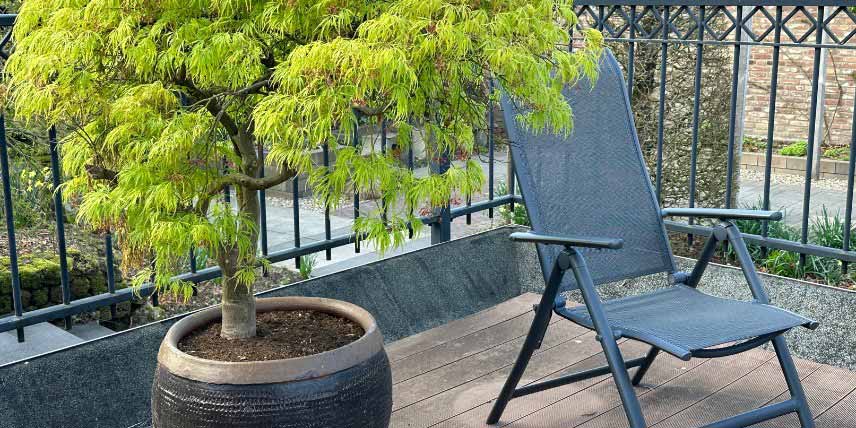
Yes, the Japanese maple can be grown in a pot, especially dwarf varieties such as the Acer palmatum ‘Orange Dream’ or the Acer palmatum ‘Bloodgood’. It is important to choose a pot large enough with good drainage, and to repot every 2–3 years to prevent the roots from becoming pot-bound. Water more frequently than in open ground.
What fertiliser should I use for a Japanese maple?
He will appreciate an application of well-decomposed compost in spring, every year.
How to prune a Japanese maple?
Japanese maple requires little pruning, or none at all. Remove only dead or poorly oriented branches in winter or early spring. A light pruning helps to preserve its natural habit. Pruning of Japanese maple should be carried out with care, as it can weaken the tree and create wounds that serve as entry points for diseases such as Verticillium wilt. As these shrubs grow slowly, pruning them could slow their growth even further. Ensure you disinfect your tools to avoid spreading diseases and apply wound sealant to the wounds to promote healing.
Discover how to train it as a bonsai or niwaki (or cloud pruning).
Is the Japanese maple frost-tender?
Although hardy and can withstand temperatures down to -10°C, or even -15°C depending on the varieties, its roots and delicate foliage can be damaged by severe or prolonged frosts. Young shoots in spring are particularly susceptible to late frosts. In winter, it is therefore important to protect the tree, especially specimens in pots, which are more vulnerable to fluctuations. From autumn onwards, it is advised to reduce watering gradually to prepare the tree for winter. A mulch made from pine needles or fallen leaves provides effective protection for the roots against the cycles of freezing and thawing. For maples in pots, placing them at the base of a wall or under the eaves helps limit the effects of cold winds. In open ground, a horticultural fleece offers extra protection, particularly against spring frosts that weaken young shoots.
My Japanese maple isn’t showing its best colours in autumn—why is that?
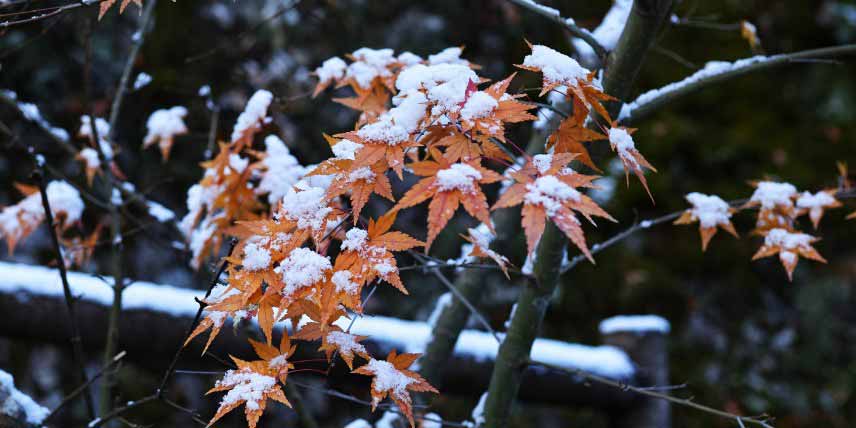
Several factors can influence the autumn colouring of the Japanese maple, notably the lack of light, a soil too rich in nitrogen, or unfavourable climatic conditions. Make sure the tree receives sufficient light and that the soil is well-drained.
Why are my maple leaves turning brown?
Brown leaves are often the result of water stress (overwatering or underwatering), too much sun exposure, or the effects of dry winds. Regular watering and a sheltered position usually resolve this problem.
What are the most common diseases of Japanese maples?
Japanese maples are susceptible to diseases or fungal attacks in poorly drained soil. Among fungal diseases, Verticillium wilt is a serious threat: leaves wilt, branches dry out, gradually leading to the tree’s death. There is no treatment, but preventive measures, starting with drainage. For more information, see our article Japanese maples: beware of Verticillium wilt!
The coral spot disease, caused by the fungus Nectria cinnabarina, manifests as orange pustules on the branches. To limit its spread, it is essential to prune and burn the affected parts. The honey fungus, or Armillaria root rot, is another fungus that rots the roots and the base of the trunk, causing the leaves to wilt and the death of the branches. In all cases, prune the affected branches, burn them and thoroughly disinfect pruning tools.
Regarding pests, defoliating caterpillars can weaken the tree by feeding on its leaves. Prune and burn the affected parts, and in case of a heavy infestation, use a garlic decoction or a product based on Bacillus thuringiensis. Mealybugs, recognizable by their white, cottony appearance, and aphids, especially on young leaves in spring, weaken the tree by drawing sap and excreting honeydew that favours the development of fungi such as sooty mould. Treat these insects with a mixture of black soap, rapeseed oil and 90% alcohol diluted in water. Red spider mites can also target maples; to prevent them, regularly mist the foliage of your maple.
To identify, prevent and treat diseases and pests, discover our fact sheet: “Japanese maples: diseases and pests”.
- Subscribe!
- Contents
Comments