





























F1 tomatoes: 9 top varieties for delicious harvests
Our selection of must-have hybrids
Contents
Growing tomatoes in your garden is a desire shared by many gardeners. Among the wide selection available, F1 varieties stand out for their vigour, disease resistance and their ability to deliver generous harvests. These first-generation hybrids are the product of carefully selected cross-breeding to bring the best to your vegetable garden. In this article, we present the top 9 best F1 tomato varieties, each with its unique characteristics, to help you choose those that will meet your expectations in terms of flavour, texture and yield.

Tomato Furnace F1
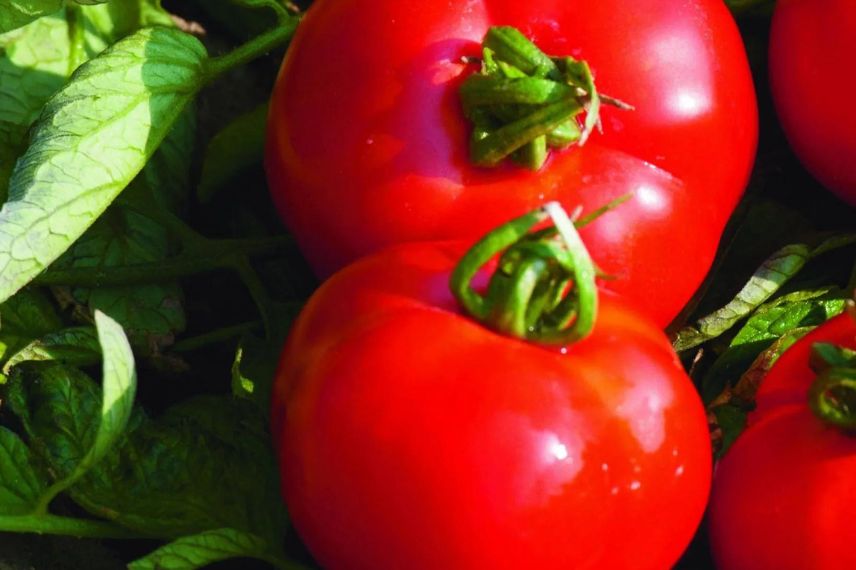
The Tomato Furnace F1 stands out for its early maturity. It yields medium-sized fruits, weighing 120–150 g. With a bright, glossy red skin, they come in clusters of 5–7 fruits, with excellent flavour. Ideal for a variety of dishes, especially summer salads, this hybrid variety, developed by INRA in the 1950s, demonstrates great versatility in the kitchen. Its indeterminate growth ensures high productivity. For optimal cultivation, plant plug plants from late April to June, once the risk of frosts has passed, allowing harvest from late June to October. You can start harvesting two months after transplanting it, i.e., two weeks to a month ahead of most other varieties. Tomato Furnace F1 proves to be a top choice for gardeners seeking an early tomato with excellent flavour, capable of adapting to a range of culinary preparations, from a simple salad to more elaborate recipes such as stuffed tomatoes.
Read also
Watering tomatoes: how to do it?Tomato Premio F1
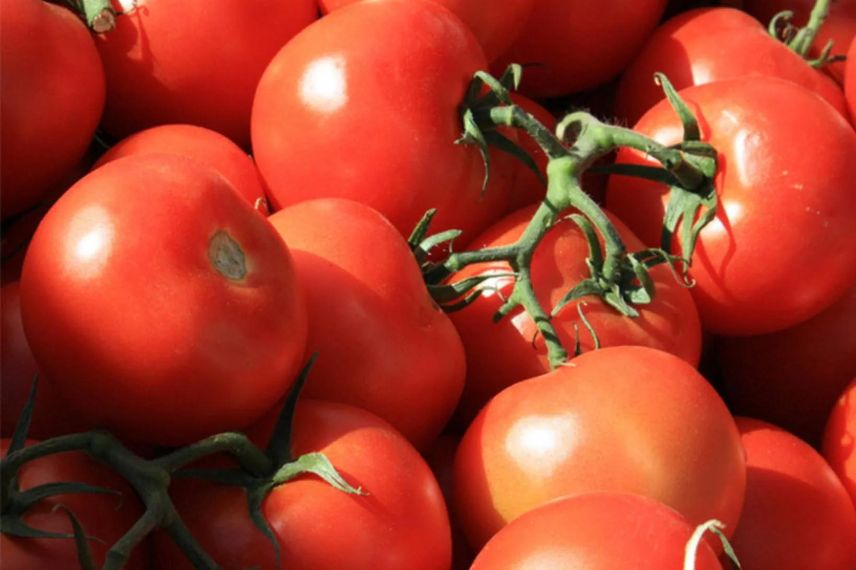
Premio F1 tomato, a cluster tomato hybrid, produces coral-red, round fruits, grouped in panicles of 7 to 9 tomatoes. This variety stands out for its high yield and disease resistance. The fruits, of a medium, uniform size, weigh between 100 and 150 g. Their firm, sweet flesh makes them a perfect choice to enrich summer salads. Capable of reaching a height of 1.5 m, the Premio tomato requires early staking from transplanting. To enjoy a prolific harvest from June to October, sow between March and May. This variety has been awarded the Royal Horticultural Society’s Award of Garden Merit.
Green Envy F1
You may already have noticed that mixed-colour cherry tomatoes not only enhance the dish’s presentation but also its flavour. When planting cherry tomatoes, it is for this purpose wise to select at least three varieties in different colours. The Tomato Green Envy F1 remains green at ripeness, a feature that is uncommon among tomato varieties. This characteristic can sometimes make it difficult to determine its level of ripeness, but a revealing clue is its almost translucent appearance when ripe. Small in size, the fruits egg-shaped and emerald-green in colour, reminiscent of a pigeon egg, offer exceptional sweetness. The plants can quickly reach up to 2 metres and require careful staking from transplanting into the open ground. For a plentiful harvest from July to October, sow between February and April. 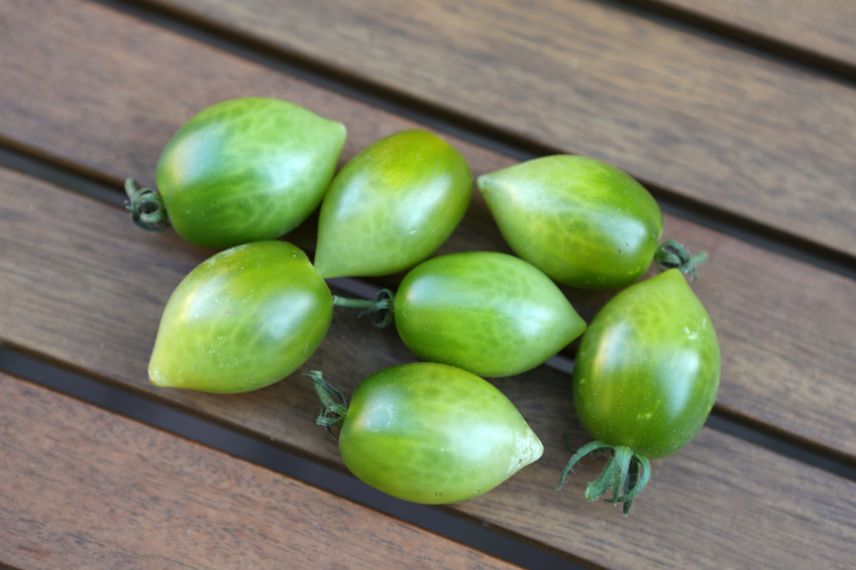
Read also
Tomato pruning and managementMontfavet
The Montfavet F1 tomato, the very first hybrid, continues to prove its worth thanks to its precocity and high yield. Developed by INRA in the Montfavet district of Avignon, this variety stands out for producing red fruits with a green collar, round and firm, which resist cracking well. The fruits, weighing between 150 and 300 g, are juicy and of superior flavour, making this tomato ideal for dishes such as Provençal tomatoes or confit tomatoes, thanks to their uniform size. Planting is recommended from May to June, once the risk of frosts has passed, when the young plants are about fifteen centimetres tall. The harvest runs from July to October, providing a nice window to enjoy these delicious fruits.
Tomato Orange Wellington F1
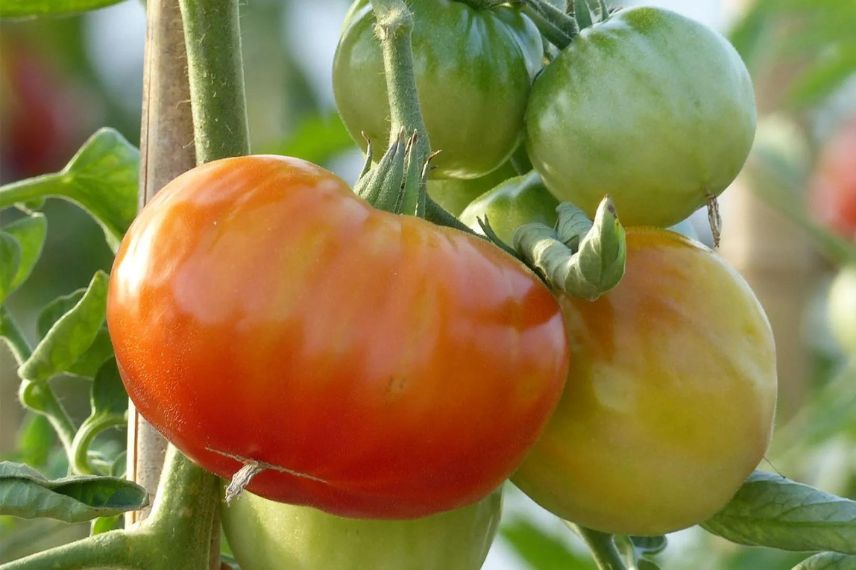
Orange Wellington F1 tomato is a hybrid variety originating from the United States. Very reliable, it yields regularly in both production and fruit size. This tomato is notable for its bright orange colour, both on the outside and in, and for the weight of its fruits, which range from 250 to 350 g. Their flesh, very fleshy and almost seedless, offers a sweet flavour and a pleasant aroma, which makes them particularly tasty, whether eaten raw or cooked. In addition to its flavour, the Orange Wellington F1 is characterised by its vigour and resistance to common diseases, such as Fusarium wilt, Verticillium wilt, and Tomato mosaic virus, and it shows good tolerance to powdery mildew and downy mildew. It yields fruit from July to October and is easy to grow, whether in the ground or in a pot on a balcony. With indeterminate growth, it can reach a height of 1.40 to 1.80 m, thus requiring appropriate staking. Seeds should be sown in warmth from February to April to ensure a staggered harvest throughout summer and autumn.
Tomato Honey Moon F1
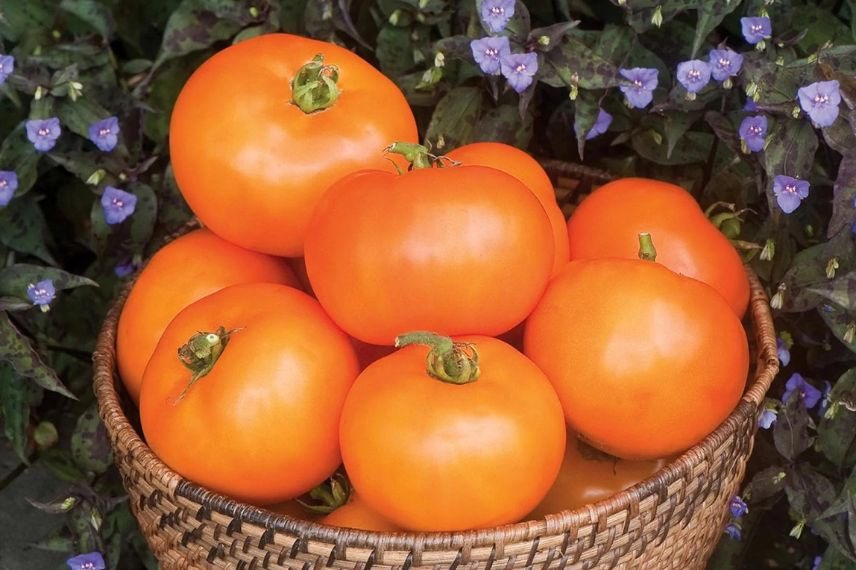
Honey Moon F1 Tomato is a Berne Rose-type tomato, distinguished by its unique, exceptionally pleasant taste, its resistance to late blight and its ease of cultivation. Feel free to plant it in regions frequently affected by this disease. The fruits, round and fleshy with a small number of pips, display a generous size, weighing between 250–300 g. Their red-rose skin surrounds a sweet, aromatic flesh, promising a remarkable tasting experience. The plants, with indeterminate growth, are characterised by vigour and a compact habit with short internodes, thereby increasing their productivity.
Cherry tomato Rubylicious F1
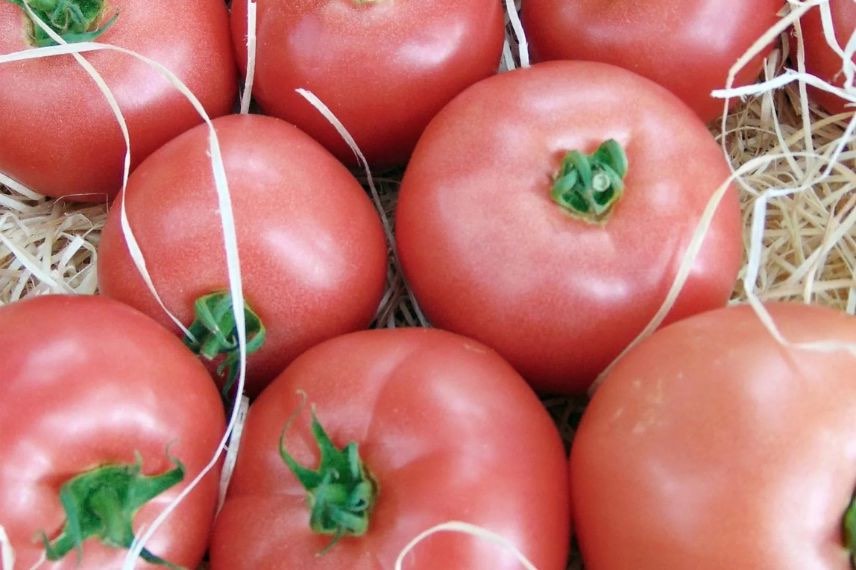
Rubylicious F1 cherry tomato develops small red fruits that are particularly sweet. Its productivity is exceptional and its long clusters can bear between 15 and 25 tomatoes in bright red. The fruits, 2 to 3 cm in diameter and weighing around 15 g, are characterised by their high sugar content, their juicy, crunchy texture, as well as their resistance to bursting. These qualities make it a preferred choice for fresh eating, right after picking. They also enrich salads, sandwiches, skewers and gratins with their flavour.
Rubylicious plants, vigorous and blight-resistant, adapt well to a range of growing conditions, whether in open ground, in a greenhouse, or in pots outdoors. Their indeterminate growth means the plants will continue developing as long as the climate allows, ensuring a generous harvest from June to October. For a plentiful harvest, sow the seeds in warm conditions between February and April.
Tomato Tomande F1
Another variety recognised by the Royal Horticultural Society, the Tomande F1 tomato is a Marmande-type hybrid, which blends the characteristics of heirloom tomatoes—particularly in terms of flavour and disease resistance—with the productivity of modern varieties. From mid-season, it produces an abundance of large red fruits, whose diameters range from 6.5 to 8.5 cm, weighing 150 to 180 g per fruit. The Tomande F1 tomatoes, recognisable by their very flattened shape and irregularly ribbed surface, have a pronounced depression at the attachment point of the peduncle. Their flesh, firm and juicy, is particularly tasty, making them ideal for a multitude of culinary preparations, from stuffed dishes to juices and sauces, not to mention summer salads where they fully reveal their aromatic richness.
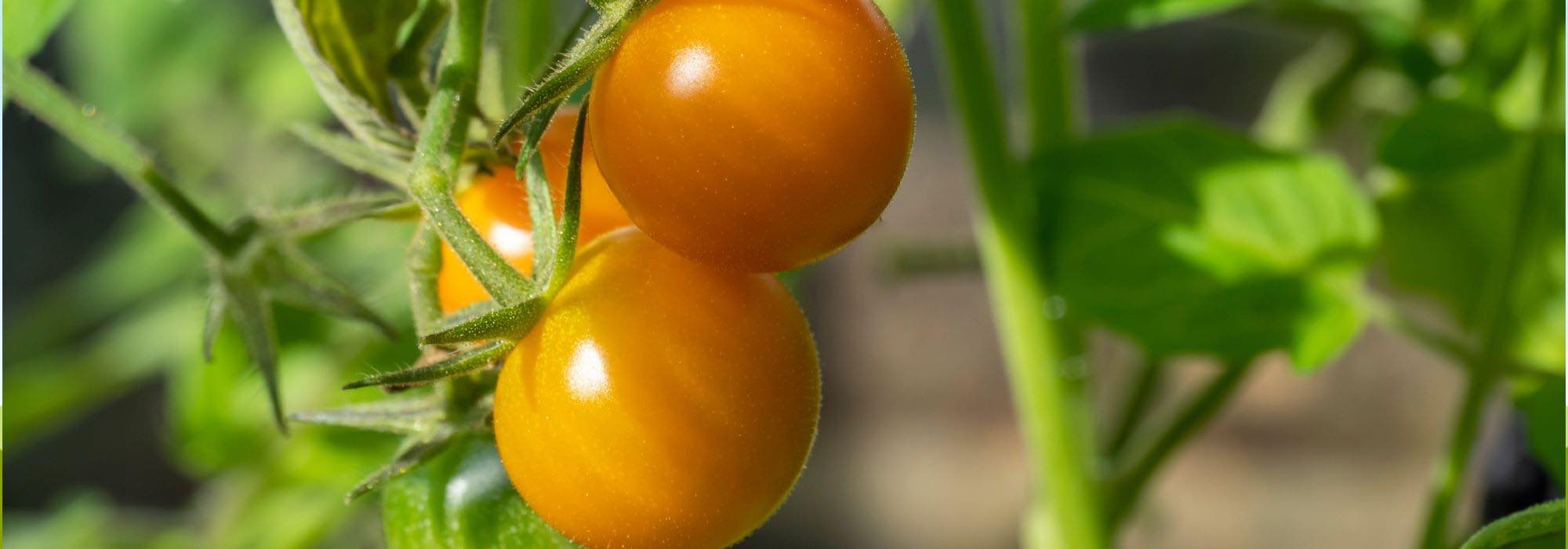
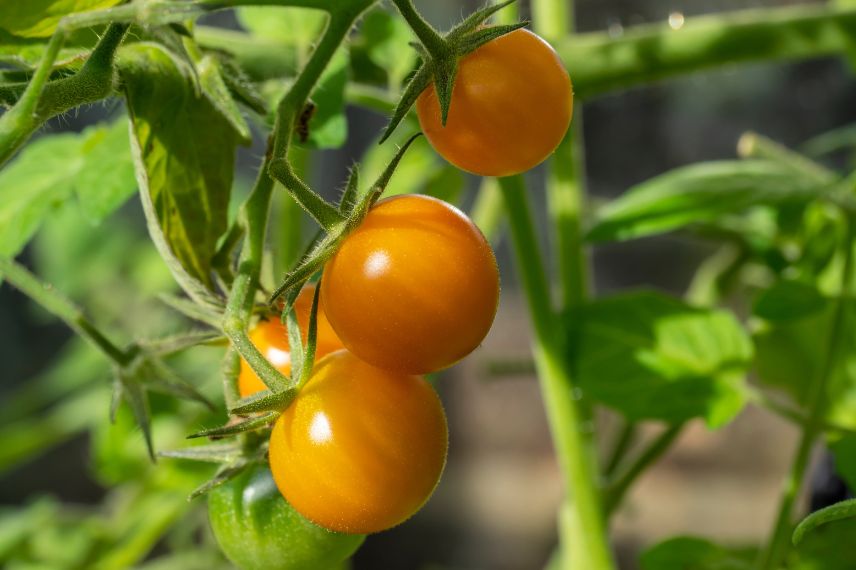
Sungold F1 tomato
- Subscribe!
- Contents

Comments