





























Gardening in the Rain
Gardening in the rain
Contents
Rain is one of the gardener’s main allies. Without water: nothing grows! However, some of us sulk, grumble, or complain as soon as we catch sight of a few clouds. Indeed, for many, rain means “staying at home and too bad for the garden waiting for us.” And yet! We can absolutely garden before and after the rain. Even during a downpour, we can always collect water or take our indoor plants outside. There is always something to do in the garden, no matter the weather.
In short, let’s put on our boots and waterproof clothing and garden (almost) in the rain. “Gardenin’ in the rain…” as Gene Kelly might have said.
→ What can we do in the garden before, during, and after the rain? We’ll tell you everything in our advice sheet.
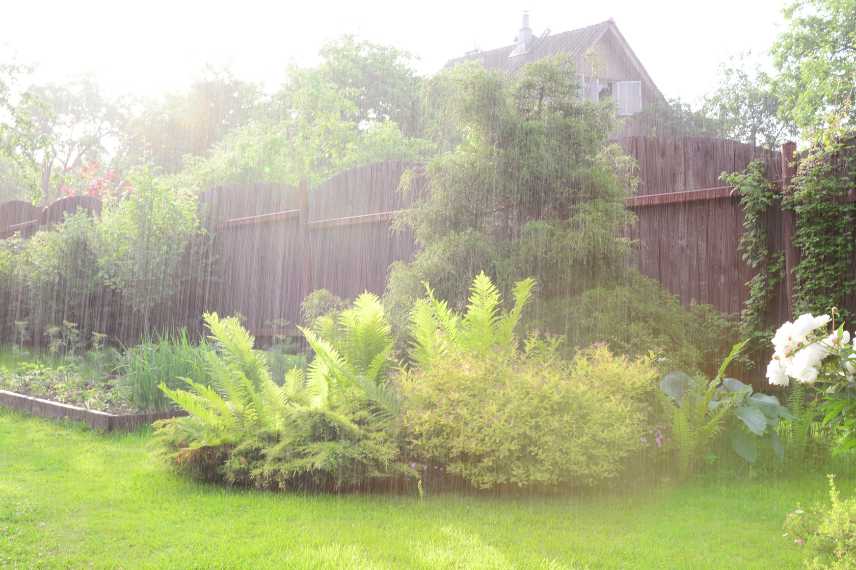 It’s raining, it’s wet… It’s a party for the frog! Well, not just that…

Just before the rain: we get a little busy
Could those be dark clouds moving towards us? We must hurry to work before the downpour.
Before the rain, it’s the perfect time to prepare the soil and start sowing lawn, flower, or vegetable seeds for the garden. Rainwater will help moisten your seeds for quick germination. However, a light watering right after sowing will allow the rainwater to penetrate the soil more easily.
Moreover, avoid leaving bare soil in the garden. Raindrops hitting bare earth with force can create what is known as a crust. This crust prevents water from penetrating and increases runoff. Vegetate or mulch to avoid this problem!
You can start digging planting holes if the soil is not too hard and dry. This will save time later, and the hole will be well-moistened before planting.
If you have dry material to shred, such as twigs or dead leaves, do it before the rain. Once wet, these elements will be incorporated into the compost heap, which will quickly heat up.
Note! Planting before, during, or just after the rain should NEVER exempt you from bringing a good watering can of water to the planting. Indeed, this water is mainly used to avoid “air pockets” between the soil and the roots. This is an essential step in planting for successful establishment.
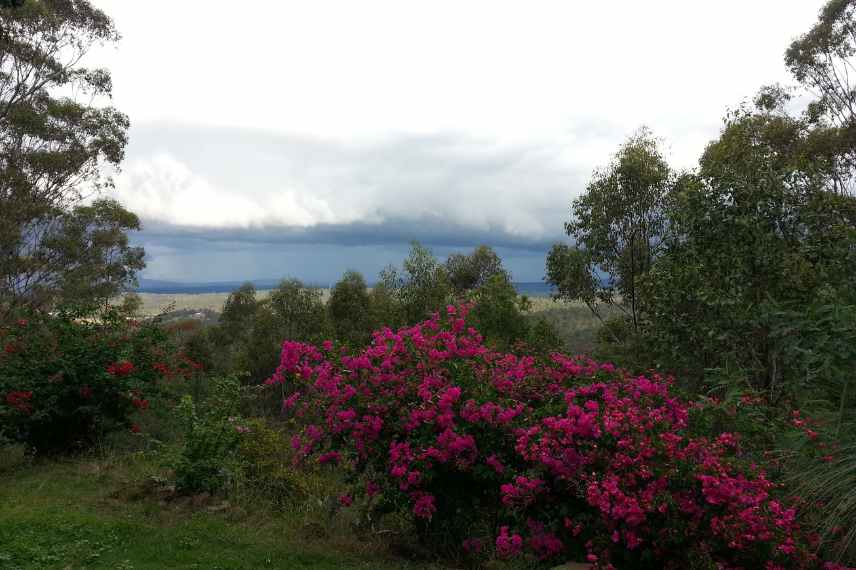 Rain is on the way…
Read also
Mulching: Why? how?During the rain: there’s always something you can do.
Rain is free water. And it’s good water too! Therefore, it’s the best time to collect as much as possible in buckets, tanks, or watering cans. Also consider installing a rainwater collector. This rainwater will be used to water indoor plants, as well as young sowings, cuttings, ericaceous plants, or a few struggling plants.
Let’s not forget our indoor plants! Rain is the best ally for cleaning and dusting the foliage. So take your indoor plants outside if it’s raining and the temperature is above 15°C. But remember to empty the water from the saucers before bringing them back inside.
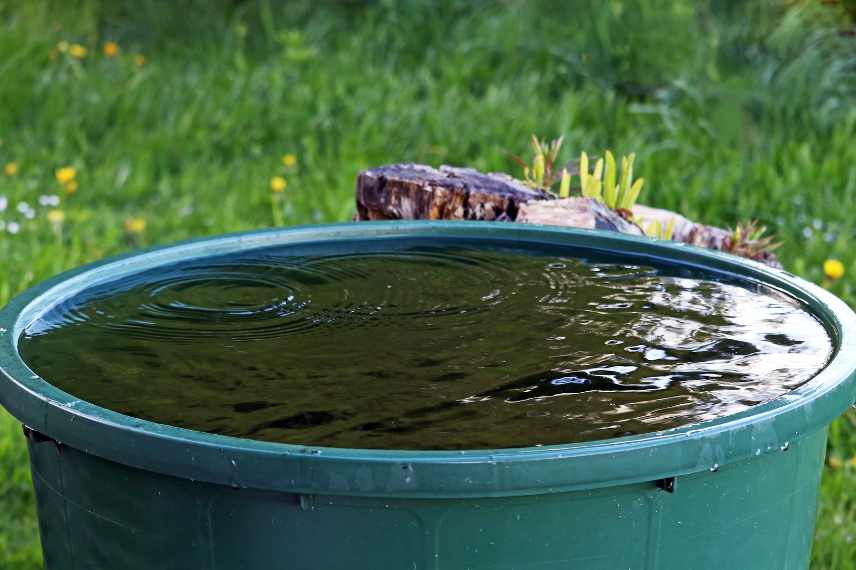 Collect the precious rainwater that will be used especially for ericaceous plants
After the rain: we continue the work
It has stopped raining and now, it’s… almost nice. It’s time to (re)emerge into the garden.
The first thing to do: check the level and then empty your rain gauge. This will give you an accurate indication of the amount of water that has fallen.
After heavy rain or a long period of humidity, the soil is quite loose. This is therefore the best time to weed the adventive plants or “weeds” or to transplant certain plants to another spot in the garden.
As the soil is quite loose (but sometimes a bit sticky in clay soil!), you can lightly scratch or hoe the soil to aerate the surface.
When the soil is well “drained”, meaning still moist but not too gooey or sticky, you can plant young plants of vegetables and flowers, perennials, and bushes.
It is after a good rain that it is advisable to add organic fertilisers. These, with the moisture, will quickly release their nutrients to the roots of the plants. It’s also a good time to apply manure (nettle, horsetail, fern…).
After very heavy rain, the plants in the garden, especially those with large leaves and flowers, may appear droopy. Gently shake them to remove the excess water. The said plants will perk up, and the water will benefit the soil and the plants growing beneath.
Slugs and snails love to come out in humid weather. If they are in large numbers and causing issues, you can collect them at this time. Otherwise, leave them be! They are beneficial in the garden, and their predators will naturally help to reduce their numbers.
Finally, do not mow!: the cut grass will stick everywhere and create clumps of grass inside the mower, which will suffer as a result. In any case, for a perfect cut of your lawn, it’s better if the grass is relatively dry.
Please note: walking through your garden after a heavy downpour is the best way for gardeners to see where water is pooling or, conversely, where it is flowing away or not staying. This will help you learn more about the adjustments to be made (banks, walls, drainage…) or about the plantings to be done in certain areas: thirsty plants where water pools and plants that prefer well-drained soil where water does not remain.
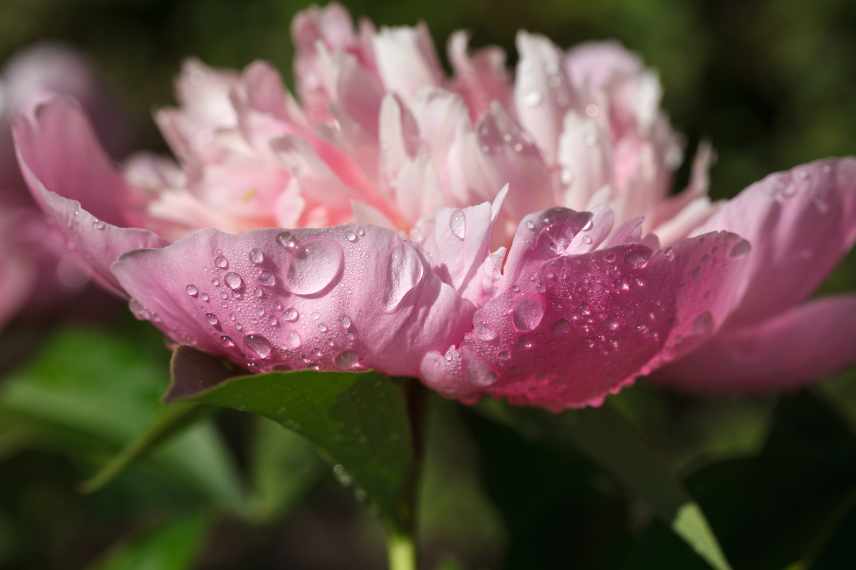 After heavy rain, some large flowers like peonies deserve to be relieved of excess water.
- Subscribe!
- Contents
Comments