





























Growing your own vegetable garden: eat healthily and save money
Our tips for creating a budget-friendly organic vegetable garden
Contents
In a kitchen garden, there’s nothing more rewarding than sowing your own own vegetable seeds, watching your young plants grow and harvesting your vegetables! However, it isn’t just a source of pride for gardeners like us… Indeed, garden vegetables also help save money and reduce the grocery bill. It also means you know exactly what you are eating, in addition to having a healthier diet. And not to mention the flavours you’ll rediscover — flavours you won’t find at your local supermarket!
In this article, we’ll share practical tips for growing your own organic vegetable garden, while keeping costs down and improving your health.

The health benefits of growing your own vegetables
Fresh vegetables
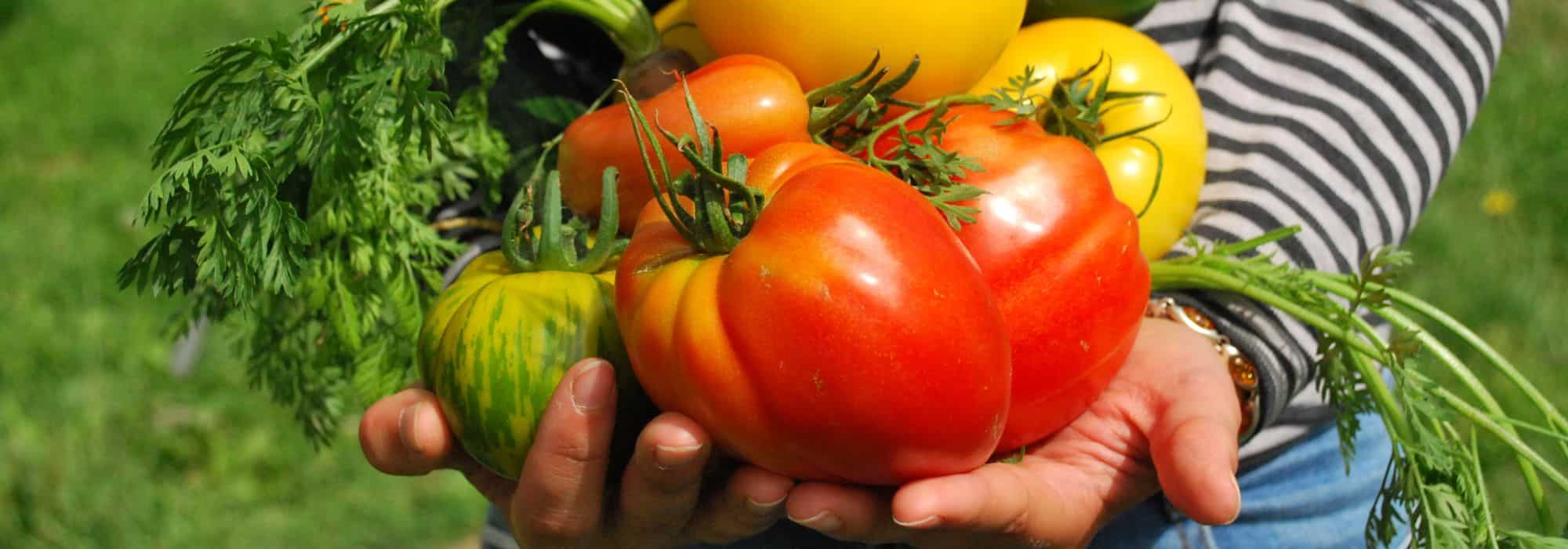
Vegetables grown in your own garden are much fresher than those from the supermarket, which have been harvested for several days and transported over long distances before arriving on our plates. Not to mention imported vegetables, which are generally harvested before reaching maturity and/or treated with preservatives. As a result, your garden vegetables will be richer in vitamins, minerals and antioxidants. Moreover, flavours will be much more intense on your plate and you’ll get more pleasure from enjoying them.
A pesticide-free diet
By growing your own fruit and vegetables, you know exactly what you’re eating. Better still, you can choose organic seeds and young plants, then grow them in organic or permaculture systems, avoiding pesticides and other chemicals (unlike industrial farming).
Prefer natural treatments against diseases and pests, such as decoctions and manures, to stimulate growth. Also plant repellent plants (for example, carnations repel nematodes, root maggots and aphids) and encourage the presence of natural predators, such as ladybirds or the hedgehogs, by providing habitats (piles of wood, insect hotels, etc). You will thereby obtain vegetables that are much healthier for you.
For more on this topic, read our articles:
- Decoctions and manures in the garden: what the differences are and why to use them
- Biological pest control in the garden and the vegetable patch: beneficial insects
Having a vegetable garden is also an activity
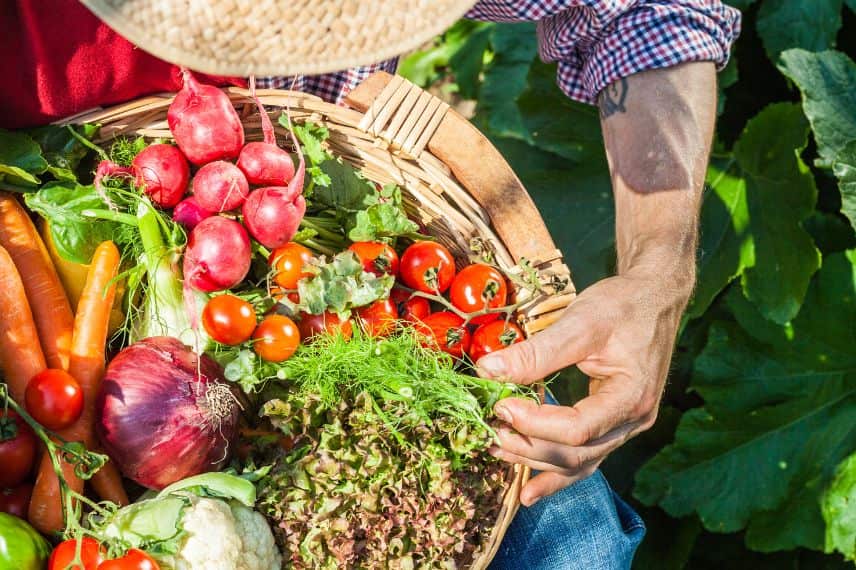
Moreover, gardening is a moderate physical activity, which can even be relaxing and rewarding. By growing your own vegetable garden, you spend time outdoors, you connect with nature and you can enjoy the benefits of physical exercise. So, put on your boots and head back out there?
For more on this topic, read our articles: “Gardening: an effective anti-stress therapy” and “Mycobacterium vaccae, the gardeners’ morale secret“.
Saving money with a vegetable garden
Reducing food costs
Growing your own vegetable garden can be a great way to save money on your food budget. Plants, and especially seeds, are inexpensive, and you will obtain (with a little care and time) lovely vegetables, whose cost will be far less than buying them.
Moreover, by saving the seeds from your harvests, you will be able to produce new plants next season and save money in the long term.
To learn more, read our article: Storing vegetable seeds.
Preserving the harvest
Once you have harvested your fruits and vegetables, you can preserve them by freezing, canning or drying. You can then enjoy your harvest throughout the year, further reducing the need to buy out-of-season products, often expensive and less tasty.
To learn more, read our article: Storing vegetables from the garden.
Growing your own vegetables to reduce your carbon footprint
By growing your own fruit and vegetables, you reduce your carbon footprint by avoiding greenhouse gas emissions associated with transporting food. You can also use eco-friendly growing methods, such as composting, to reduce the environmental impact of your garden waste.
How to grow your own kitchen garden?
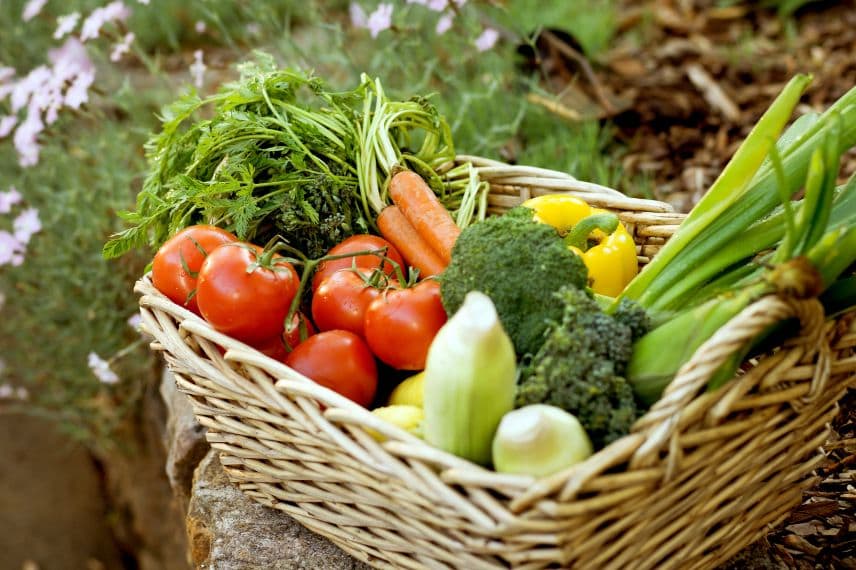
Growing your own vegetable garden can seem intimidating, but it’s actually very simple. Here are some steps to help you get your vegetable growing off to a good start:
1- Choose the location of your vegetable garden: Your vegetable garden should be located in a sunny spot, sheltered from the wind. It should also be easily accessible for watering and maintenance. If this is your first vegetable garden, start with a small area, such as 10 m², which you can expand year on year if needed. Even the smallest spaces, such as a balcony or terrace, can accommodate growing containers.
2- Prepare the soil: Soil should be rich in nutrients to allow your plants to grow well. You can add compost or well-rotted manure to enrich the soil. Loosen the soil with a bio-fork, without turning the soil, to preserve soil life.
3- Choose plants to grow: Select plants suited to your region and season. You can grow easy vegetables initially, such as tomatoes, courgettes, peppers, lettuces, radishes, etc.
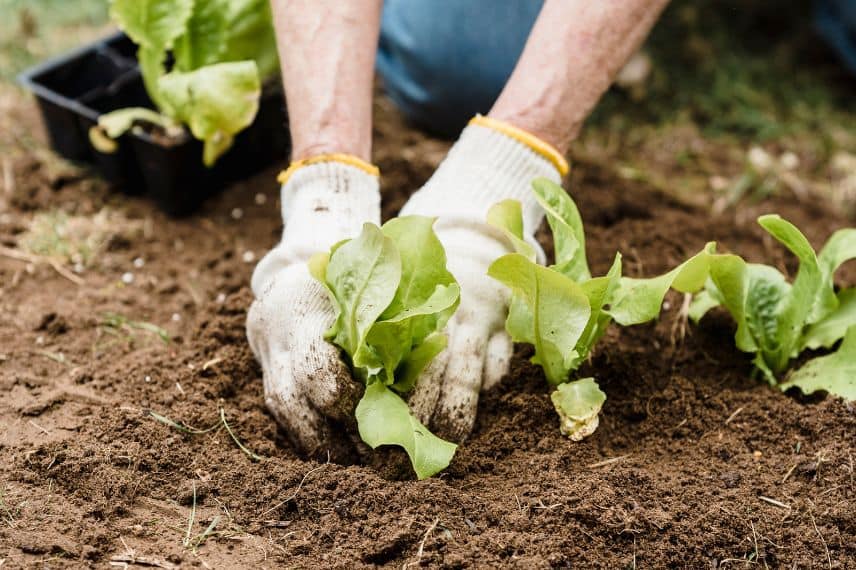
4- Sow your seeds or plant your young plants: Follow the instructions on seed packets or plant labels for timing and recommendations.
5- Water regularly: Water your plants, neither too much nor too little, to keep them healthy. However, avoid excess, as this can damage the roots and promote disease.
6- Maintain your vegetable garden: Weed your vegetable garden regularly to prevent weeds from taking over. Also add mulch to protect the soil and reduce water evaporation.
7- Plan your crops and rotate them: By planning your crops, you can have vegetables year-round. In addition, to keep the soil fertile, it’s important to rotate crops.
To learn more, read our articles:
- Subscribe!
- Contents
Comments