





























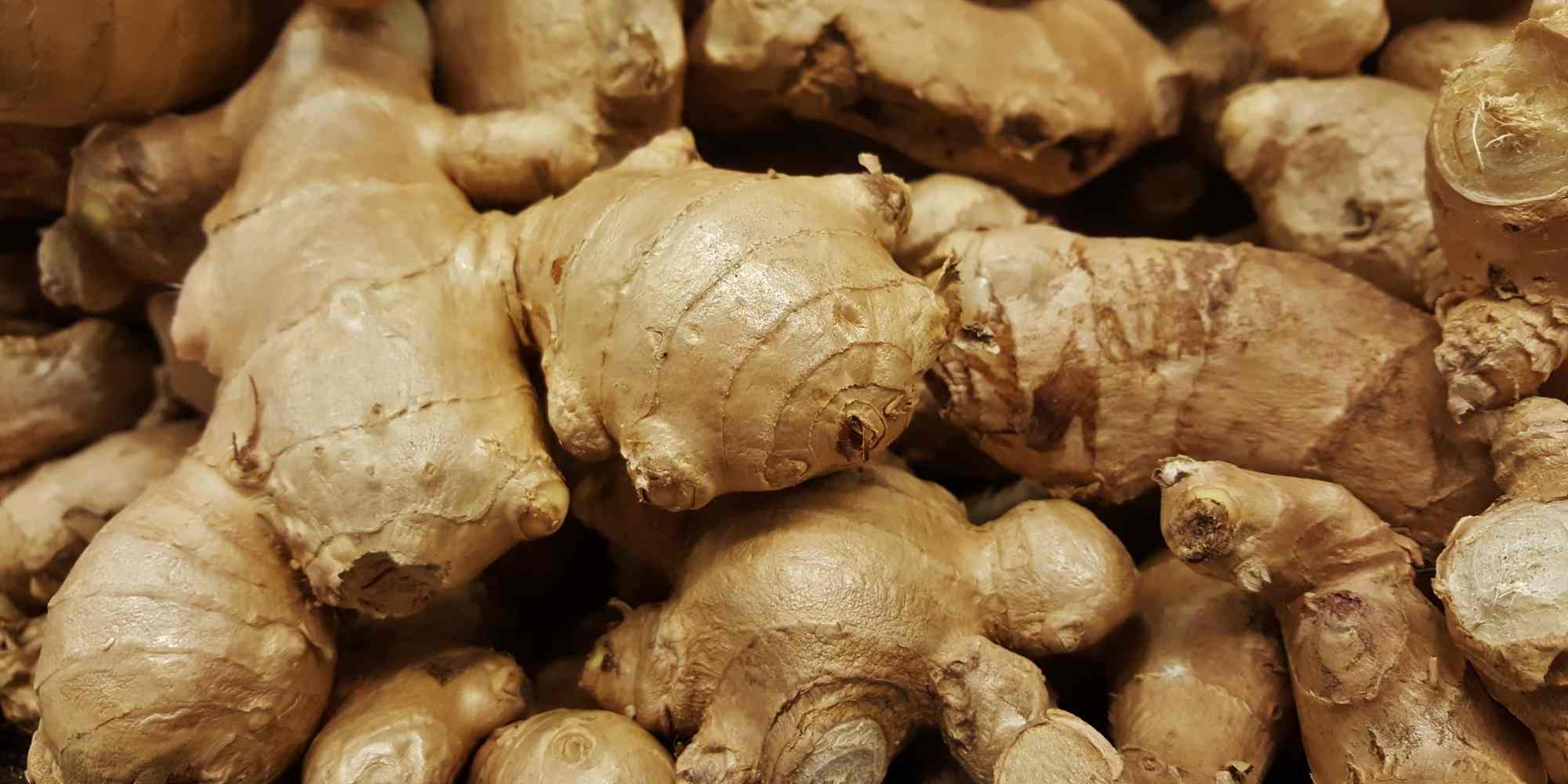
Growing ginger for its health benefits
Ginger growing tips: a plant renowned for its medicinal properties
Contents
The medicinal ginger (Zingiber officinale) is a tropical perennial plant whose renown spans millennia and continents. Originating from Asia, nicknamed “the universal spice” or “the root of life,” this plant of the Zingiberaceae family occupies a prominent place in pharmacopoeias worldwide. Cultivated for its pungent and lemony flavours as much as for its therapeutic virtues, ginger is enjoying renewed interest today thanks to modern scientific studies that validate its exceptional properties, notably anti-inflammatory and digestive properties.
Discover all the benefits of medicinal ginger, this majestic plant with leafy stems and fleshy roots, from its botanical profile to its active compounds, including cultivation tips and any contraindications.
Ginger, a tropical perennial with fleshy roots
Ginger (Zingiber officinale) is an herbaceous perennial plant native to the humid tropical zones of Southeast Asia. A cousin of turmeric and cardamom, it is distinguished by its tall, leafy stems reaching up to one metre in height. Contrary to what one might think, what we consume is not a root in the strict sense, but a rootstock: a fleshy subterranean stem that stores the plant’s reserves.
Its leaves are evergreen, alternate, long and narrow, bright green, and give off an aromatic scent when crushed. Although flowering is rare in cultivation in our latitudes, ginger can produce spikes of yellow and purple flowers, protected by green and red bracts, offering a visually stunning display of exotic beauty.
Read also
Ginger: growing, care and harvestHow to grow and care for ginger?
Although native to the tropics, ginger can be grown in our latitudes, whether indoors, in a greenhouse or outdoors in summer. It enjoys bright light but not direct, scorching sun.
- Planting: ginger is usually planted from the end of winter to the start of summer, between March and June, in a large pot. Just obtain a fresh, organic rootstock bearing small pale buds, called eyes. Place it at soil level in a rich substrate of potting compost and sand, on a layer of clay pellets.
- Watering: the substrate should stay moist but never waterlogged, as stagnant moisture rots the rootstock. In winter, when the stems yellow, the plant enters dormancy. From then on, nearly stop watering altogether.
- Outdoors: in summer, ginger can be moved outdoors to a bright spot but without direct sun.
- Harvest: patience is required. Harvest typically occurs 8 to 10 months after planting, when the aerial parts begin to wither. For a softer and less pungent ginger, you can harvest portions of the rootstock as early as the sixth month.
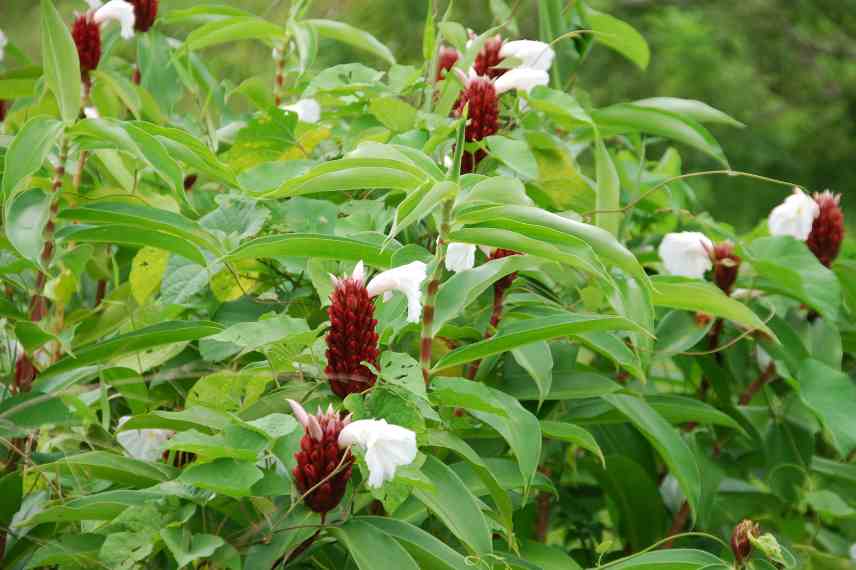
Zingiber officinale
It is also an excellent houseplant which lanceolate foliage adds a graphic and elegant touch to any flat.
What are the active compounds in ginger?
It is often said that ginger warms the body and mind. This characteristic warmth is due to a rich chemical composition. The rootstock contains more than 400 different compounds, but its medicinal properties rest mainly on certain compounds:
- Gingerol: it is the main active constituent of fresh ginger. It is responsible for its pungent taste and possesses powerful anti-inflammatory and antioxidant properties.
- Shogaol: formed during drying or cooking of ginger, it is even more pungent than gingerol and enhances the protective effect on the digestive system.
- Essential oils (zingiberene, curcumene): they confer to the plant its unique fragrance and act as antibacterial and tonifying agents.
- Vitamins and minerals: ginger is a source of magnesium, potassium, phosphorus and vitamin C (when consumed fresh).
Read also
Planting ginger: how to grow it easily?How to use ginger on a daily basis?
Ginger can be consumed in multiple forms depending on the effect sought:
- As an infusion to aid digestion or a cold: cut 3 to 5 thin slices of fresh ginger for a cup of boiling water. Leave to infuse for 10 minutes, covered, then add a little lemon juice and honey to boost its antiseptic effect
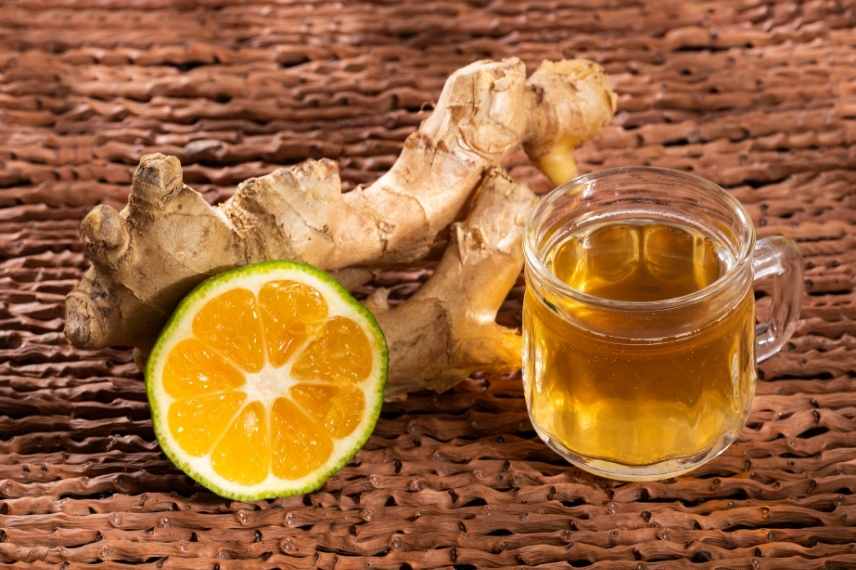
Ginger infusion
- As a decoction for a stronger effect on joint pain. Simply boil the rootstock for 15 minutes
- Freshly grated directly into dishes (curries, soups, fish) to preserve digestive enzymes
- As a poultice : grated ginger, applied locally and wrapped in a cloth, can help relieve muscle pains thanks to its warming effect.
What are the benefits of ginger for well-being?
Ginger is one of the most studied natural remedies in the world. Before incorporating a ginger regimen into your routine, remember that a plant does not replace medical advice, especially in cases of serious illness. Nevertheless, its benefits for daily wellbeing are impressive.
A remedy for nausea
This is arguably its most scientifically validated use. Ginger acts on serotonin receptors in the stomach to block the vomiting reflex.
- It is extremely effective against motion sickness (on boats, in cars, and on planes)
- It is recognised by the World Health Organization (WHO) for relieving nausea during pregnancy, offering a natural alternative to medicines
- It also helps reduce post-operative nausea or nausea associated with certain intensive treatments
A potent anti-inflammatory
Thanks to gingerols, ginger acts similarly to certain non-steroidal anti-inflammatory drugs for some pains
- It is recommended for joint pains, such as osteoarthritis or rheumatism
- Studies suggest that taking ginger at the start of menstruation is as effective as some medicines for easing menstrual cramps
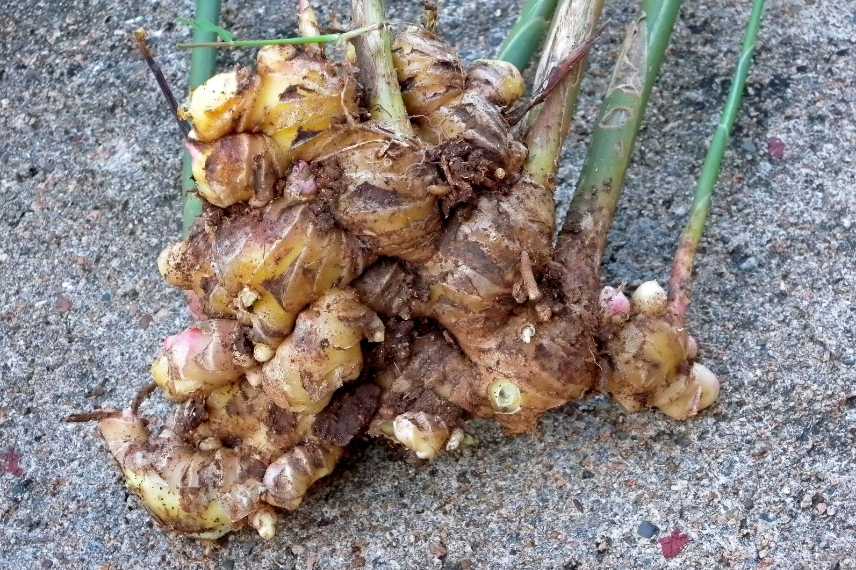
Freshly harvested ginger rootstocks
Aids digestion
Ginger is recognised for its benefits for the digestive system
- It helps relieve intestinal gas
- It stimulates the production of saliva and gastric juice, thereby aiding the breakdown of food
- It speeds up gastric emptying, which is ideal for people suffering from a heavy stomach or bloating after meals
A boost to the immune system
In winter, ginger acts as a shield. Its warming properties promote sweating, helping to reduce fever when you have flu
What precautions should be taken with ginger?
Although natural, ginger is potent and may not be suitable for everyone. A medical consultation is essential in the following cases:
- Gallstones: by stimulating bile production, ginger can trigger biliary colic in people prone to stones
- Coagulation disorders: due to its anticoagulant effect, it is not advised before surgery or for people on anticoagulant therapy
- Pregnancy: although effective against nausea, it should not be consumed in excessive doses (no more than 2 g of dried ginger per day) and always under medical supervision
- Drug interactions: caution if you are being treated for high blood pressure or diabetes, as ginger may amplify the effects of medications.
Did you know?
The history of ginger is peppered with anecdotes that emphasise its cultural significance.
In Ancient Greece, ginger was already consumed at the end of meals, wrapped in bread, to aid digestion. It was from this habit that the famous medieval gingerbread would later emerge.
In the Middle Ages, ginger was considered a luxury commodity, on a par with pepper. It is said that a pound of ginger was worth a sheep. It formed part of hypocras, a medicinal wine highly prized at the king’s table for its allegedly aphrodisiac properties. While science is nuanced on this point, the vasodilatory and tonic effect of ginger probably explains this enduring reputation that persists to this day.
Finally, in traditional Chinese medicine, fresh ginger (Sheng Jiang) and dried ginger (Gan Jiang) are carefully distinguished. The former is used to treat ‘cold’ colds (shivers, a clear runny nose), while the latter, hotter, is reserved for warming the internal organs and stopping chronic diarrhoea.
- Subscribe!
- Contents
Comments