





























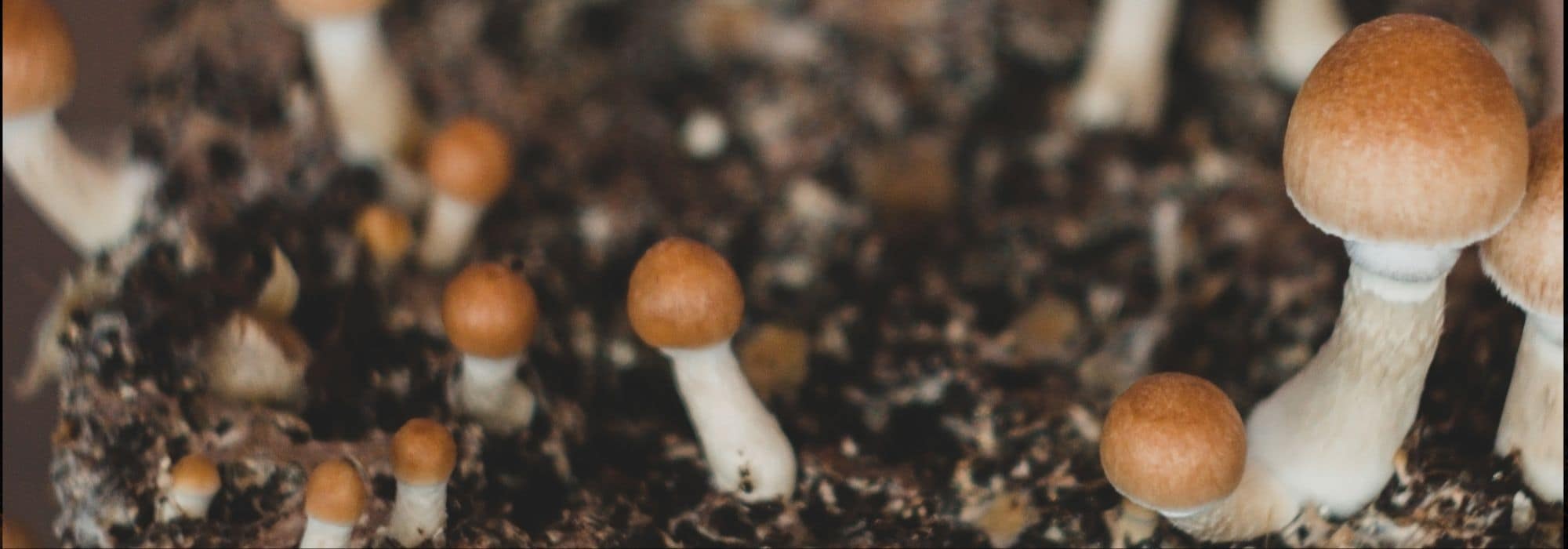
Growing mushrooms: it's possible and easy!
Our tips for getting started with mushroom cultivation
Contents
Mushroom cultivation at home, a project that is at once fascinating and rewarding, attracting more and more gardeners. They are grown mainly for their unique flavour and their nutritional value, but they also play a role in the ecological balance of your garden, enriching the soil structure.
Discover our practical tips to get started with mushroom cultivation: from understanding their unique nature, choosing the most suitable varieties, preparing the cultivation space, planting and maintenance techniques, and finally harvesting and storage methods.
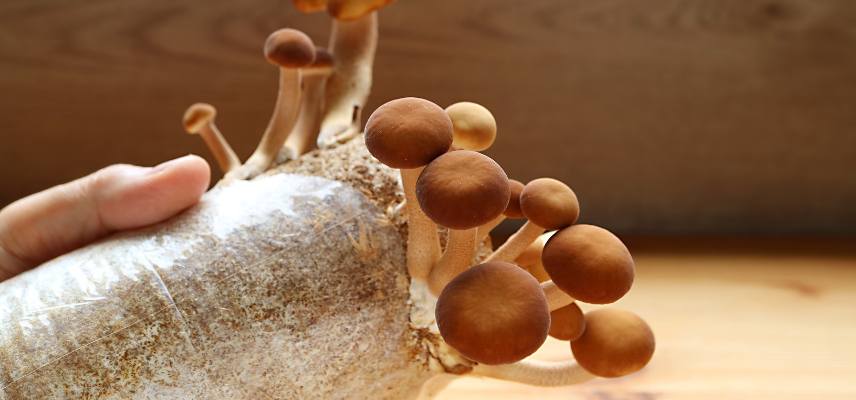

Understanding mushroom cultivation
Mushroom cultivation differs markedly from that of traditional plants. Indeed, mushrooms are part of the kingdom of Fungi, also known as Mycetes, which has absolutely nothing to do with the vegetable kingdom.
To reproduce, mushrooms develop from spores, which give rise to mycelium. Mycelium is a network of filaments that constitutes the living, growing part of the mushroom. Mycelium feeds on organic matter, transforming waste and plant debris into nutrients useful for the mushrooms… and for the soil in your garden!
To successfully cultivate mushrooms, you need to recreate an environment similar to their natural habitat: a shaded, damp place, with a stable and moderate temperature not exceeding 20 to 25°C. Each variety of mushroom has its own preferences in terms of light, humidity and temperature, so understanding these specific needs is crucial for a successful cultivation.
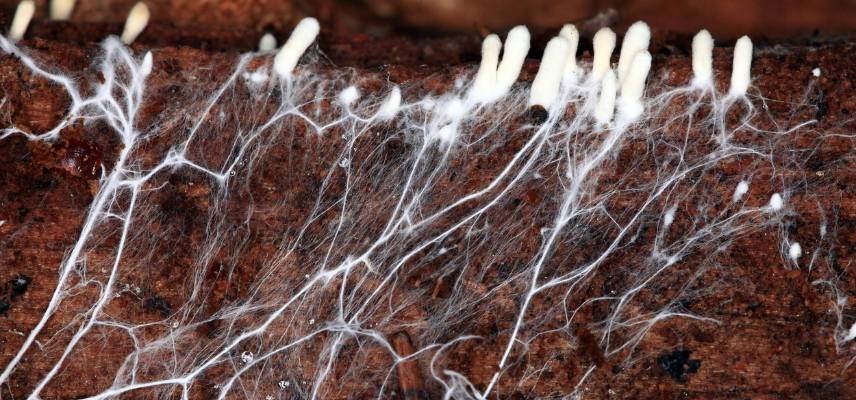
mycelium
Read also
How to make a double hotbed under cover?Choosing mushroom varieties
The choice of mushroom varieties to grow in your garden depends on several factors, including climate, available space and your culinary preferences. Here are some popular varieties well suited to garden cultivation:
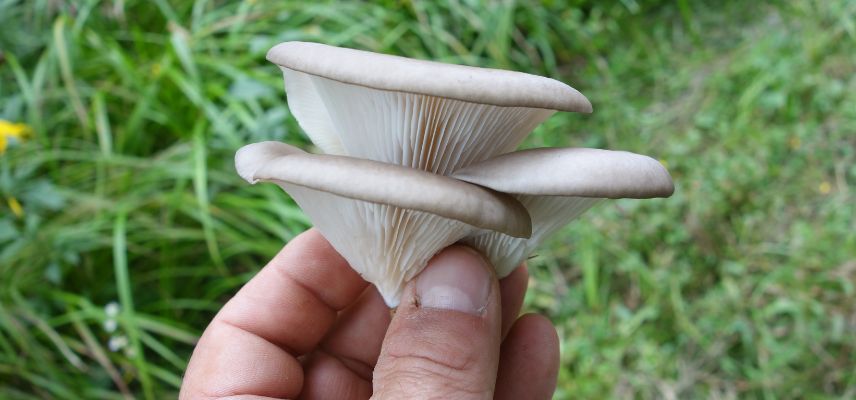
The oyster mushroom (Pleurotus ostreatus)
Prised for their flavour, oyster mushrooms require a cellulose-rich substrate such as straw, wood chips or wood. They are one of the easiest varieties to grow on a wood pile in the garden or in a bag of wood chips indoors.
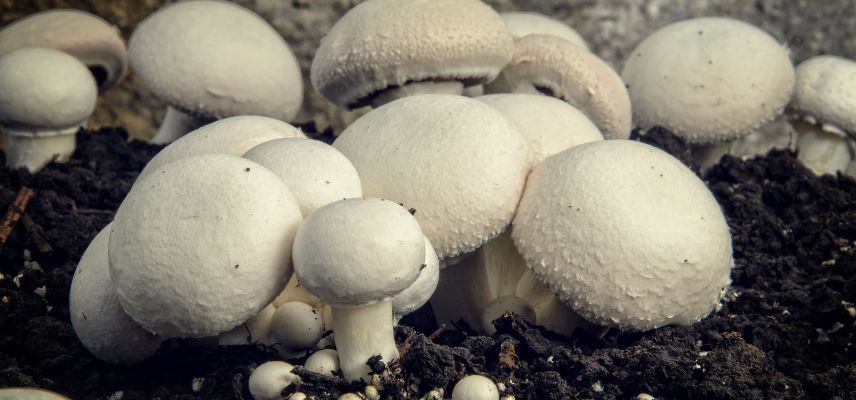
The button mushroom (Agaricus bisporus)
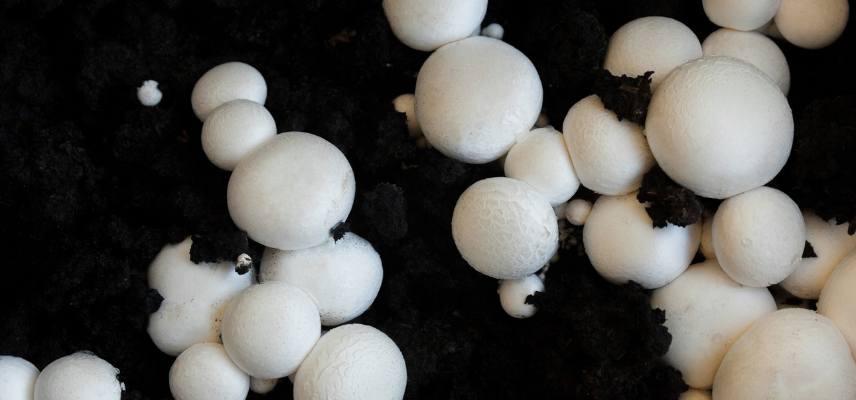
Very popular and easy to grow, button mushrooms are perfect for beginners. They need little light and moderate temperatures, conditions that are often easy to achieve. They like to grow on well-decomposed manure and a top layer of peat and calcareous sediments.
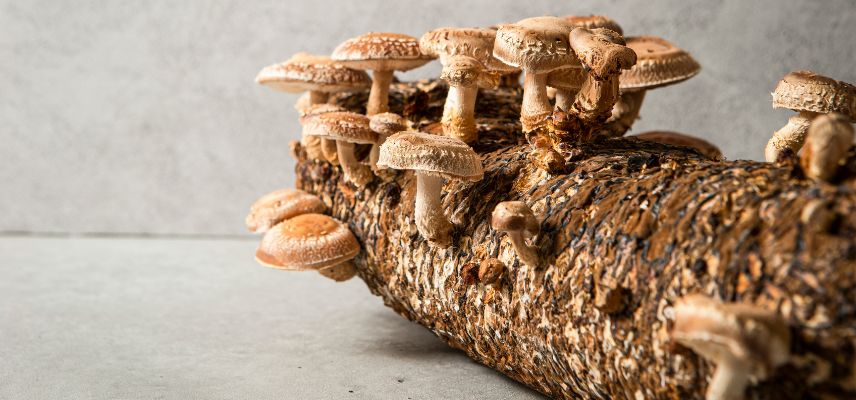
Shiitake (Lentinula edodes)
Known for their health benefits and flavours, shiitakes thrive on logs or hardwood chips. These Asian mushrooms require slightly more care than the varieties above.
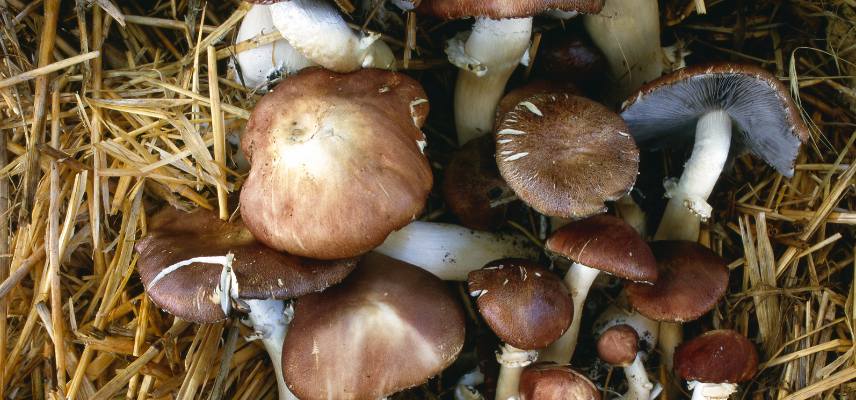
The wine-cap mushrooms (Stropharia rugosoannulata)
These mushrooms are fairly easy to grow, but also very productive. They prefer substrates rich in organic matter such as mulch or compost and wood chips.
Note: there are other well‑known varieties, such as morels or truffles, but they require substantial knowledge and more complex cultivation conditions. Best left to experts.
Buying tips
- Before you start, learn about the native varieties in your region; you’ll have a better chance of success!
- When buying mycelium or culture kits, ensure you choose quality products that suit your environment. Specialist garden centres and dedicated websites offer a wide range of options, with detailed cultivation instructions.
- Culture kits and grain mycelium are relatively easy to start. Conversely, spore syringes or liquid cultures are more complex and require greater knowledge.
Steps to prepare the growing space
The success of mushroom cultivation starts with proper preparation of the space where they will grow. Here are the key steps to create a conducive environment for mushroom cultivation in your garden:
Site selection
Mushrooms prefer shaded, cool spots. Choose a corner of your garden that is not exposed to direct sun, such as under a tree or beside a north-facing wall. Make sure this space can stay moist without becoming waterlogged.
Preparing the substrate
The substrate is the medium in which your mushrooms will grow. Choose it according to the variety you want to grow. This can be straw, wood chips, compost or a mixture of these materials. The substrate should be clean and free from mould or harmful bacteria.
Humidity and aeration
Mushrooms require a humid environment, but well ventilated. Ensure the substrate is kept constantly moist (but not waterlogged) and that air can circulate to prevent mould.
Temperature
Most mushrooms grow well at temperatures between 10°C and 20°C. It is important to maintain as stable a temperature as possible.
In winter, mushroom cultivation can be more challenging outdoors, especially in cold regions. Consider covering your culture with mulch or a winter veil to protect the mycelium from frost. For some cold-hardy varieties, a slight drop in temperature can even stimulate fruiting.
Protection against pests and parasites
Mushrooms can attract slugs, snails and certain insects. If their presence is significant, use physical barriers such as plastic cloches or nets to protect them. Natural methods, such as surrounding them with wood ash or crushed eggshells, can also deter slugs. Be vigilant and regularly remove pests by hand to avoid the use of pesticidal products that could harm the quality of your mushrooms.
Once you have prepared the space and the substrate, you are ready to inoculate the mycelium or install your mushroom-cultivation kit.
Read also
10 good reasons to let weeds growPlanting and maintenance techniques
After preparing your growing space, it’s time to plant the mycelium and ensure its proper development. Here are the steps and tips for a successful cultivation:
- Planting the mycelium
- Start by spreading the mycelium over the prepared substrate. Follow the specific instructions provided with the mycelium or the culture kit.
- Lightly cover the mycelium with a layer of the same substrate to protect it and maintain moisture.
- Keep the substrate moist, but not waterlogged. Excess water can lead to rot or the growth of unwanted mould.
- Regular maintenance
- Regularly monitor the state of your culture for any signs of disease or parasite.
- Keep the substrate moist, without excess. Air the space if necessary to prevent the accumulation of stagnant moisture.
- Seasonal adaptation
- Depending on the seasons, adjust watering and protection for your culture. In summer, ensure the mushrooms do not dry out; in winter, protect them from frost.
By following these planting and maintenance techniques, you will promote healthy and abundant growth of your mushrooms, ready to be harvested at the right time.
Harvest and storage
Mushroom harvest is a rewarding moment that marks the success of your gardening efforts. Here’s how to harvest and preserve your mushrooms:
- Mushroom Harvest
- Monitor the growth of your mushrooms and harvest them when they reach the desired size. The exact period varies depending on the variety.
- Harvest by gently twisting the mushroom at the base to avoid damaging the mycelium.
- Harvest regularly to encourage new growth.
- Cleaning
- Clean the mushrooms with a soft brush or a damp cloth to remove soil or debris.
- Preservation
- Fresh mushrooms can be stored in the fridge for a few days. Place them in a container or paper bag to allow air circulation.
- For long-term storage, consider drying, freezing or canning your mushrooms. Drying is particularly effective and allows mushrooms to be stored for several months.
- Culinary uses
- Use your fresh mushrooms in a variety of recipes to enjoy their flavour and nutritional benefits.
- Dried mushrooms can be rehydrated before use or added directly to soups and stews.
- Subscribe!
- Contents
Comments