


Hardenbergia: how to protect it from the cold and winter it?
Our tips
Contents
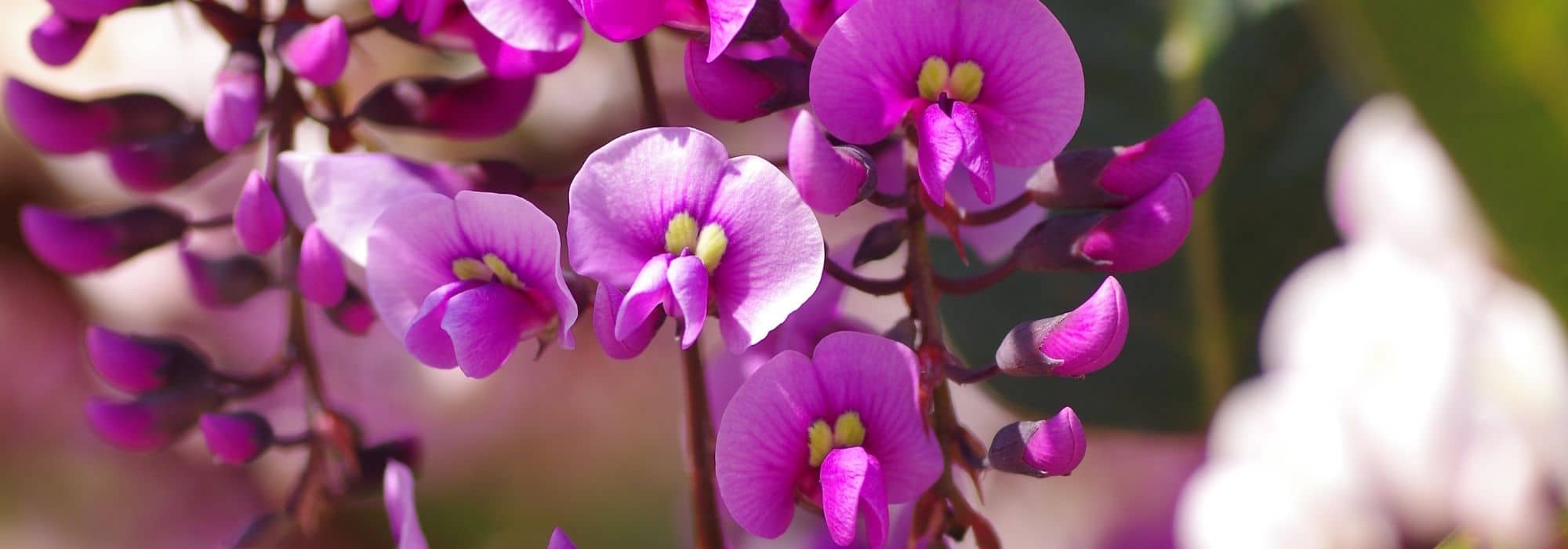
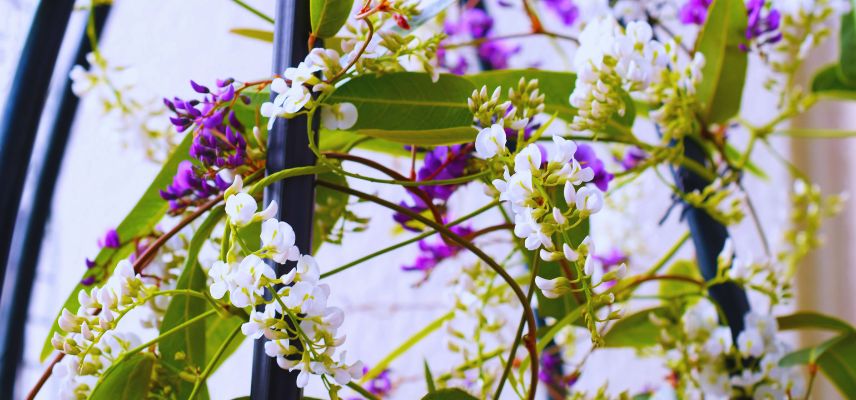
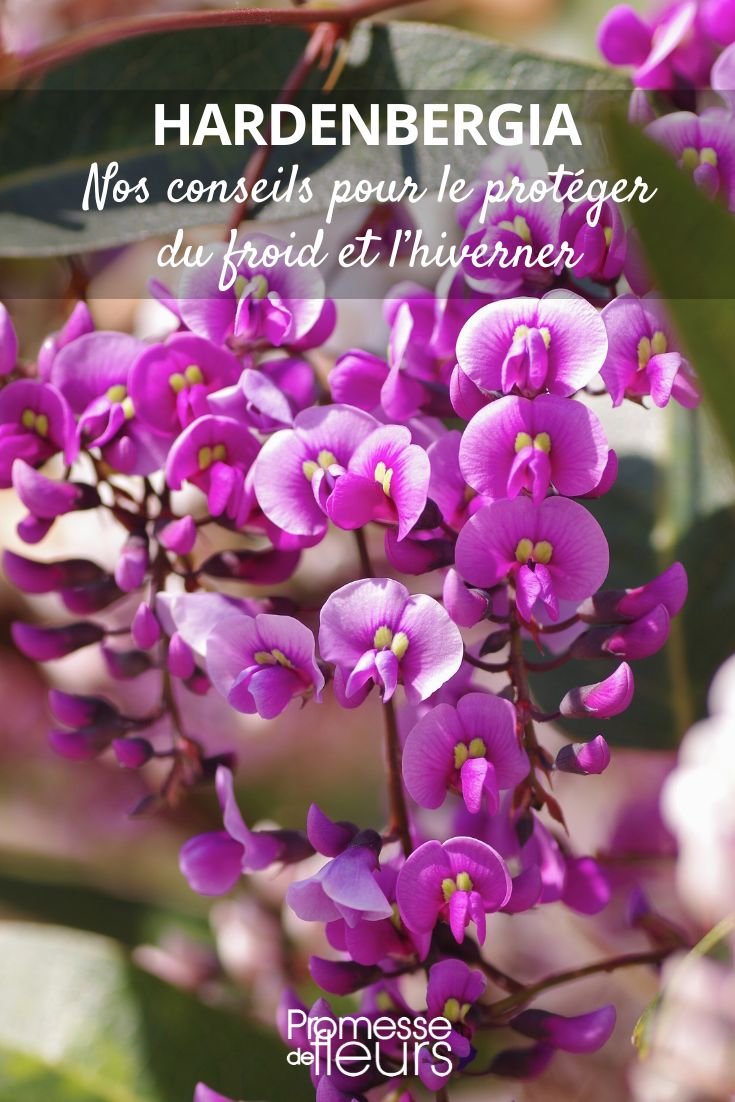
Do you know the Australian wisteria, scientifically known as the Hardenbergia? This stunning climbing plant, native to Australia, produces beautiful clusters of purple, pink, or white flowers depending on the variety, in winter and early spring. However, Hardenbergia is as tender as the Bougainvillea, especially in regions where winters are harsh. To ensure its survival and beautiful future flowering, it needs protection from the cold and proper winter care. Discover the measures to take to protect your Hardenbergia from winter weather.

Why protect Hardenbergia in winter?
Hardenbergia violacea, the most commonly cultivated species, can withstand short frosts, down to about -5 °C once well established. Beyond this temperature, frost can damage its leaves, and even its roots if the cold persists… which can lead to the death of the plant. Its cultivation in open ground should therefore be in regions with mild winters: the Mediterranean basin and the Atlantic coast.
In other regions where winter temperatures regularly drop below this limit, Australian wisteria should be grown in pots, to protect it during the cold season.
Good to know: a young plant, or a plant grown in a pot, is always more sensitive to cold than one in open ground.
Read also
How to pair Hardenbergia?When to winterise Hardenbergia?
The ideal time to start protecting your Hardenbergia depends on your location and the weather forecasts. Generally, as soon as the first frosts are predicted (often at the end of autumn), it’s time to consider putting in place protection for plants in the ground (winter fleece, etc.).
You can also monitor night temperatures: as soon as they drop below 5 °C, it’s best to take precautions by bringing potted plants to safety.
Protecting Hardenbergia from the cold in open ground
If your Hardenbergia is planted in the ground, there are several effective ways to protect it from the cold.
1- Apply a thick mulch: an organic mulch is perfect for insulating the root system from the cold. Spread a layer of mulch at least 10 to 15 cm thick around the base of the Hardenbergia. You can use straw, fallen leaves, or pine bark, which also help retain moisture and protect the soil from frost.
2- Use a fleece: In case of forecasted frosts, you can install a fleece. Wrap the entire plant with a forcing fleece or non-woven winter cover, ensuring that all exposed parts are well covered. If possible, make sure the fleece does not touch the foliage to prevent mould formation, by surrounding the plant with stakes before placing the fleece.
If temperatures rise during the day, open the fleece to allow the Hardenbergia to breathe (as it is an evergreen plant, it needs to renew its air regularly to limit condensation, ideally every 2-3 days). Remove the fleece as soon as temperatures are milder, with no frosts expected in the coming days.
Alternative: Create a mini-greenhouse: for the coldest regions, you can also set up a small transparent plastic structure around the Hardenbergia. This device will act as a makeshift greenhouse, retaining heat during the day and protecting the plant from thermal shocks. Again, it will be necessary to ventilate occasionally to renew the air.
3- Moderate watering in winter: during winter, it is important to reduce watering to prevent the roots from freezing in case of high humidity. Water moderately and only if the soil is really dry and no frosts are forecasted in the next 2 to 3 days.
Read also
How to grow Hardenbergia in a pot?Protecting Hardenbergia from the cold in pots
Potted Hardenbergia is more vulnerable to cold, as the roots are more exposed to temperature fluctuations. Here’s how to protect it effectively:
1- Move the pot to a sheltered spot from cold winds, against a sunny wall. If possible, bring your potted Hardenbergia into a bright, cool shelter, such as an unheated greenhouse or conservatory. This will protect it from frost without exposing it to excess heat. If the air in the shelter is dry, mist the foliage with rainwater or non-limestone water 2 to 3 times a week.
2- Insulate the pot: if you cannot move the plant indoors, insulate the pot to prevent the roots from freezing. To do this, place the pot on wooden blocks to isolate it from the ground. Then, wrap the container with thermal insulation (such as bubble wrap or cardboard) and add a layer of mulch (at least 10 cm thick if possible) on the surface of the substrate to retain heat.
3- Use fleece: just like for plants in the ground, fleece is useful for pots left outside. Cover the entire plant with a protective fleece and secure it around the pot to prevent it from blowing away in the wind. Use a stake to help keep the foliage from touching the fleece, to avoid mould formation. As Hardenbergia is an evergreen plant, it needs to renew the air regularly: during the day, when temperatures are milder, open the fleece.
4- Monitor the moisture of the substrate: potted plants are more susceptible to fluctuations in moisture. During winter, ensure that the substrate remains slightly moist, but without excess water, as the roots may rot if they are constantly wet.
Additional tips
- Prioritise a sheltered position: When planting (in pots or in the ground), place the Hardenbergia in a wind-protected area, as wind exacerbates the effects of cold. A location near a south- or west-facing wall is ideal.
- Avoid fertilisers in winter: As winter approaches, reduce or even stop fertiliser applications. Indeed, the Hardenbergia needs to enter a period of vegetative dormancy, and excess nutrients can weaken it against the cold. You can resume applications of special Mediterranean plant fertilisers or flowering plants at the beginning of spring.
- Control pests: Although winter slows their activity, some pests can shelter in covers or mulches. Before installing your protections, inspect the plant to eliminate any signs of infestation, particularly aphids or mites.
- Promote healthy roots: Well-drained soil during planting helps keep your Hardenbergia healthy, especially in winter. If the soil retains too much moisture, the roots can rot. If necessary, you can add sand (from a river or quarry) or gravel during planting to improve drainage and prevent excess water.
- Subscribe!
- Contents
Comments