





























Harvest mites in the garden: how to identify them and keep them at bay?
Everything you need to know about these little parasitic pests
Contents
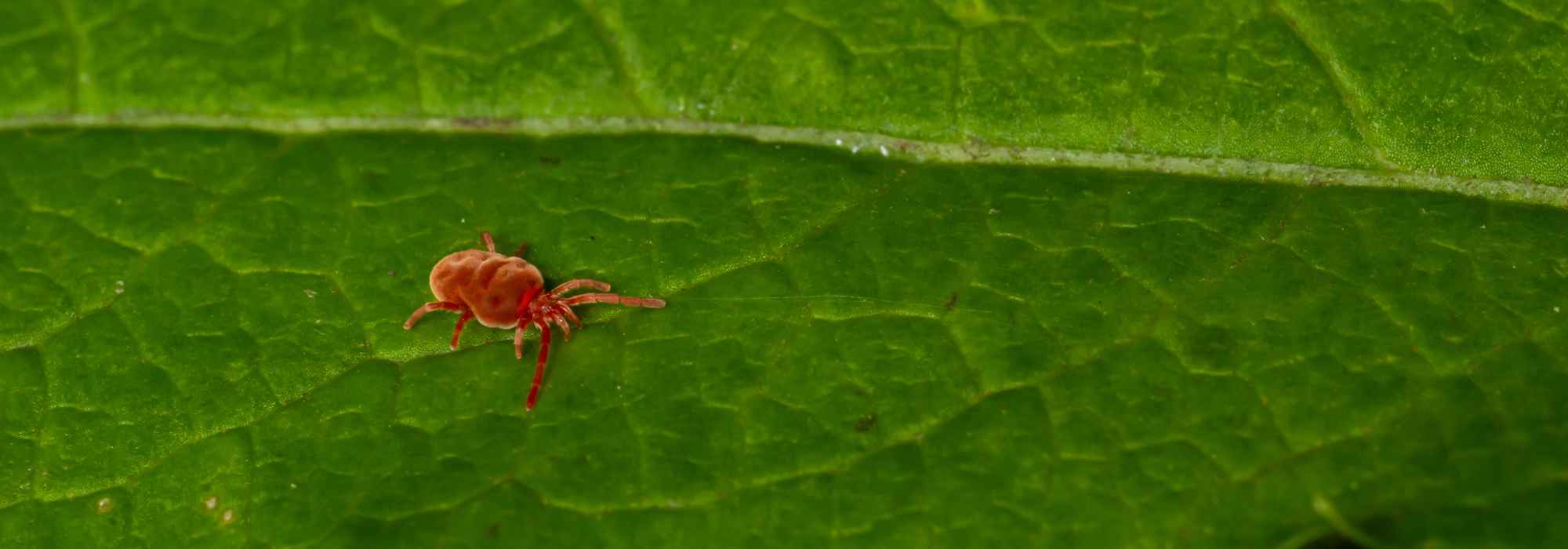
Harvest mites, also known as chiggers, are the larvae of certain mites, particularly active in summer and early autumn. Tiny and orange-red in colour, they feed on skin cells of humans and animals, causing intense itching and irritation.
In the garden, harvest mites hide in lawns, tall grasses and damp areas, making outdoor activities sometimes uncomfortable. These parasitic mites do not transmit serious diseases, but their bites can disturb your peace and that of your pets.
→ In this article, discover everything you need to know about harvest mites: their life cycle, how to identify them, prevent their appearance and get rid of them naturally.

Harvest mites: who are they?
Description
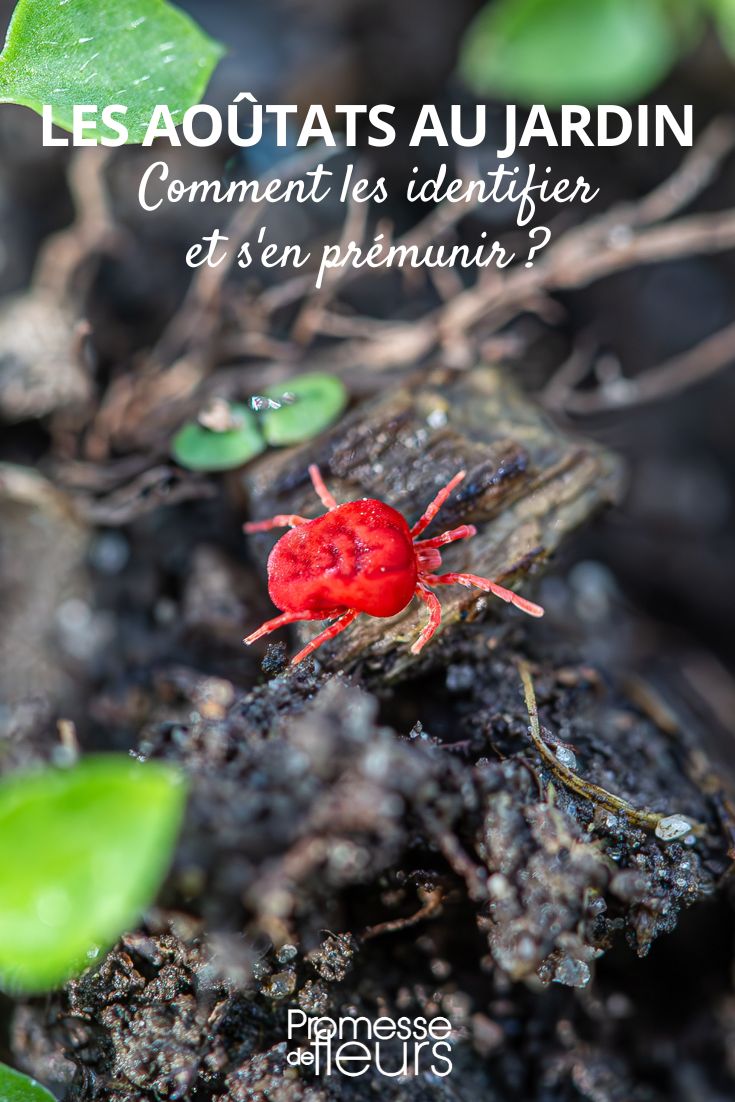
Harvest mites are tiny creatures belonging to the Acari. When they are in the larval state, they are almost invisible to the naked eye, which makes their detection quite difficult. Here are a few characteristics to help you identify them:
- Size : Harvest mite larvae measure about 0.2 to 0.3 millimetres, roughly the size of a peppercorn. With such a tiny size, it is very easy to miss their presence, as they resemble small specks on the skin or on plants.
- Colour : They have a red to orange colour, which makes them somewhat more visible, especially when they gather in large numbers. Their bright colour is one of the few characteristics that can help identify them with the naked eye, particularly on a light surface such as human skin or a light fabric.
- Appearance : Harvest mite larvae have a rounded and slightly flattened shape. Their body is covered with fine, short hairs giving them a fluffy appearance. If you could observe them closely, you would notice their six legs (mite larvae have six legs, unlike adults which have eight). Their small size and fluffy appearance allow them to cling easily to skin, to clothing or to the fur of animals.
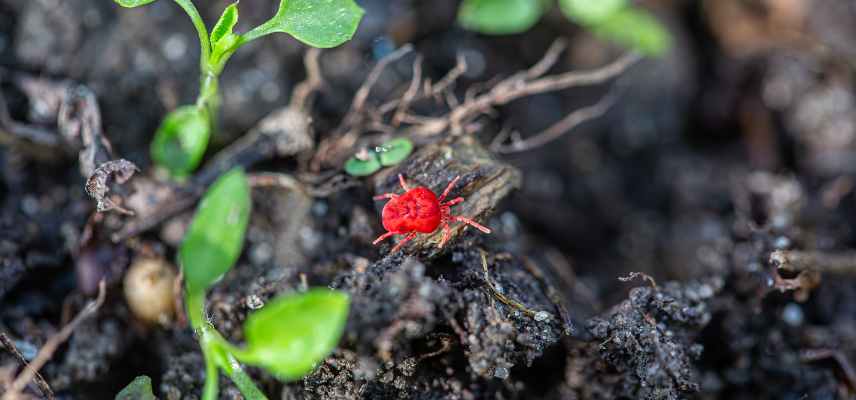
Neotrombicula automnalis
Behaviour and habits
Harvest mites tend to favour certain environments where they can easily find a host to feed:
- Preference for damp, grassy areas : Harvest mites favour warm, damp and vegetation-rich environments. They are commonly found in lawns, tall grasses, shrubs, poorly maintained gardens, fields and even in public parks. They prefer shaded areas where humidity is higher, which protects them from excessive heat and drying out.
- Waiting behaviour : Harvest mite larvae climb onto blades of grass, low leaves or other plant surfaces to wait for the passage of a potential host. They cling to anything within reach, whether a human, a domestic animal or another small mammal. They are particularly active during the day, especially in the morning and late afternoon when humidity conditions are optimal.
- Active season : Harvest mites are mainly active from July to September, hence their name. It is during this warm and humid period that the larvae emerge and actively seek hosts to feed. Outside this period, the adults and the nymphs, which are less of a problem for humans and animals, continue their life cycle in the soil.
- Garden areas most affected : In the garden, the areas most affected by harvest mites are lawns, the edges of flower beds, hedges and grassy areas. The places where vegetation is dense and the soil remains damp are particularly conducive to their presence. Piles of dead leaves, plant debris and shaded areas are also ideal refugia for harvest mites.
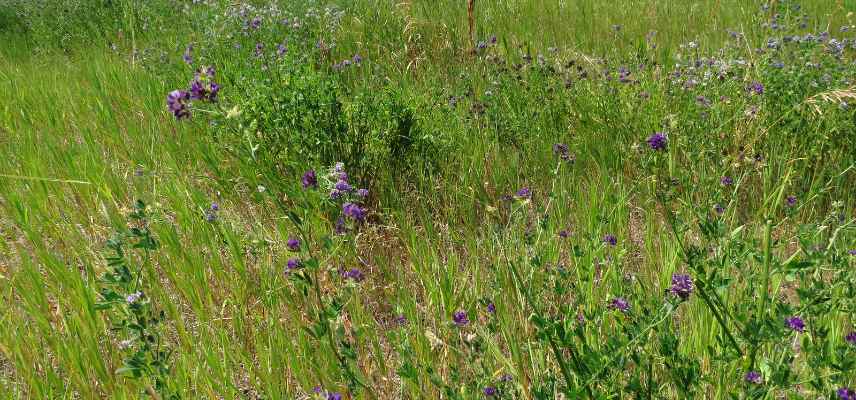
The grassy areas are favourable to harvest mites
Read also
How to get rid of mites on plants?Life cycle
Harvest mites, also called Neotrombicula autumnalis, are the larvae of mites, small arthropods related to spiders. Their life cycle comprises four main stages: egg, larva (harvest mite), nymph and adult. Understanding this life cycle is essential for effectively controlling their presence in the garden.
- Egg : adult mites lay eggs in the soil, usually in grassy, damp and sheltered areas. These eggs hatch in a few days, giving rise to the larva, which is the problematic stage for humans and animals.
- Larva (harvest mite) : after hatching, the larvae, called harvest mites, measure less than 0.3 mm and are orange or bright red. They are almost invisible to the naked eye. It is at this life stage that they pose a problem. The harvest mites climb onto plants, blades of grass or even walls to find a host. Unlike the adult mites that feed on vegetation, the harvest mite larvae feed on the skin cells of their hosts, whether humans, domestic animals or other small mammals. They inject a digestive enzyme into the skin, which causes intense itching and skin reactions.
- Activity period : the harvest mites are mainly active from July to September, hence their name. They prefer warm and humid climates, which explains their increased presence at the end of summer.
- Feeding duration : the larvae stay on the host for a few hours to a few days, then fall to the soil to continue their development. Contrary to what one might think, they do not burrow into the skin, but remain on the surface.
- Nymph : after feeding, the larvae fall to the soil to transform into nymphs. At this stage, they are inactive and do not feed. They gradually develop into adults.
- Adult : adult mites, unlike their larvae, are vegetarian. They feed on decomposing organic matter, small insects or plant debris. They no longer pose a danger to humans or animals. Adults lay eggs in turn, thus completing the life cycle.
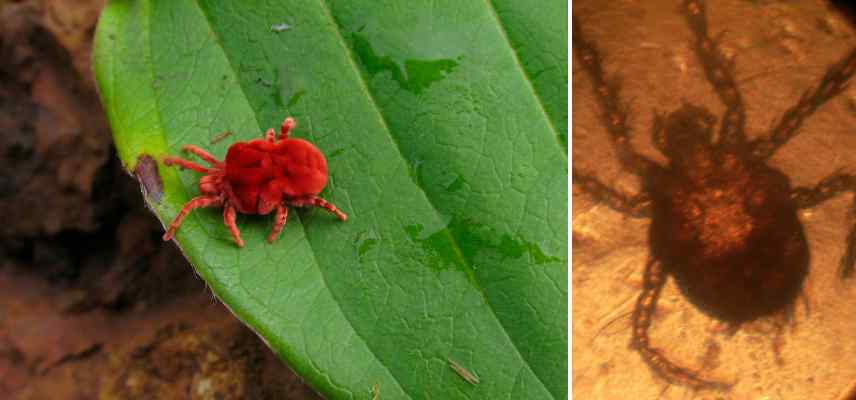
Left, at the adult stage; right, a harvest mite larva under the microscope
Symptoms of harvest mite bites
Tick bites, although invisible at the moment of attack, cause particularly unpleasant skin reactions in humans and domestic animals. These reactions are due to the digestive enzymes injected by the larvae as they feed on the host’s skin cells: this is called trombiculosis.
In humans
Symptoms of tick bites generally appear a few hours after exposure and can last several days.
- Description of common symptoms :
- Intense itching : this is the most frequent and troublesome symptom. The itching can be localised or generalised, depending on the number of larvae that have bitten.
- Redness : the bites often appear as small swollen red patches. These red patches may enlarge slightly if the area is scratched.
- Rashes : papula (small red bumps) or vesicles (small blisters filled with clear fluid) are often observed. These lesions can cluster, as several larvae typically bite in the same area.
- Sensitivity and inflammation : in some cases, the affected areas become warm to the touch, a sign of mild inflammation.
- Areas of the body most affected : ticks often attach themselves in areas where the skin is thin, moist and pressed against clothing, as they provide easy access for their digestive enzymes :
- Ankles
- Behind the knees
- Waist (under the belt or the elastic of underwear)
- Creases of the elbows
- Axils
- Lower abdomen or around the navel.
? Avoid scratching to prevent worsening of symptoms : It is important to avoid scratching, as this can lead to secondary infections, such as impetigo (skin wounds infected by bacteria).
In animals
Ticks also cause discomfort in domestic animals, particularly dogs and cats that spend a lot of time outdoors. The symptoms are similar to those seen in humans, but can sometimes be harder to detect.
- Symptoms in dogs, cats and other domestic animals :
- Excessive scratching : affected animals scratch frenetically, sometimes to the point of creating skin lesions.
- Redness and skin irritation : ticks cause red, swollen patches, often visible under the fur. These lesions can be raised and sometimes oozy if the animal scratches them too much.
- Crusts or wounds : if the bites are not detected and treated promptly, incessant scratching can cause crusts or open wounds.
- Lethargy : in some cases, the incessant itching can make animals irritable or tired.
- Behaviour to monitor in animals :
- Intense scratching or licking : affected animals frequently lick at irritated areas, especially around the paws, belly or ears.
- Rubbing against rough surfaces : dogs, for example, may roll on the ground or rub their bodies against walls or furniture to try to relieve the itching.
- Agitation : animals may become restless, nervous or irritable due to the discomfort.
- Areas most affected in animals :
- Between the toes of the paws
- On the belly
- Around the ears
- Under the chin
? Practical advice : If you notice symptoms in your animals, examine them carefully, particularly in the hairy areas that are difficult to access. A veterinarian may recommend treatments to relieve itching and prevent secondary infections.
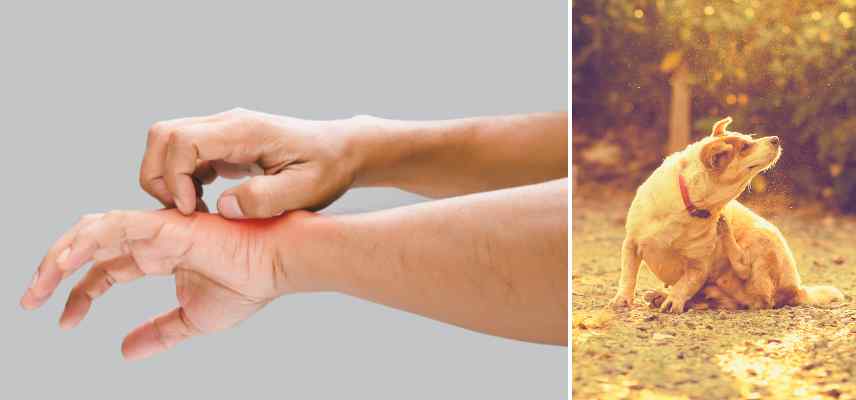
Itching is one of the first signs
Read also
Fighting Ticks in the GardenHow to prevent the appearance of harvest mites?
Harvest mites are attracted to damp environments and dense vegetation, but with a few simple practices it is possible to limit their presence in your garden and avoid their unpleasant bites.
Garden maintenance
- Regular lawn mowing : keep the lawn short in walkways.
- Pruning of shrubs and hedges : prune shrubs, hedges and plants regularly to prevent them from becoming too dense. This also improves air circulation, reducing humidity, a crucial factor for their survival.
- Reduction of damp areas : identify and eliminate areas where water stagnates or where humidity persists, such as around watering cans, pots without drainage holes or blocked gutters.
- Rake up dead leaves, plant debris and grass clippings from areas of the garden where people and pets may pass.
- Turn the compost regularly.
Natural repellents
Some plants and natural preparations can repel harvest mites. Add to your garden plants known for their insect-repellent properties. Harvest mites dislike certain scents:

Maintaining your garden and planting repellent plants helps control the appearance of harvest mites in the garden
Habits to adopt
In addition to garden maintenance and natural repellents, a few simple actions can limit the risk of bites, especially during outdoor activities.
- Wear long clothing : when working in the garden, wear covering and snug-fitting clothes. Opt for:
- Long trousers and long sleeves
- Socks pulled up over the tops of your trousers
- Garden gloves to protect your hands
- Light-coloured fabrics are recommended as they make it easier to spot the small parasites.
- Shower after gardening : after spending time in the garden, shower promptly to remove any harvest mite larvae from your skin. Use a washcloth or a soft brush to scrub well, particularly on sensitive areas (ankles, waist, knees, etc.).
How do you get rid of harvest mites?
Natural treatments
- Diatomaceous earth : sprinkle diatomaceous earth on infested areas in your garden. This natural product dehydrates harvest mites and other parasites without harming the environment.
- DIY repellents : make a natural spray with water, white vinegar and a few drops of essential oils (citronella, peppermint, lavender) to deter harvest mites.
Treating bites
- Local care : apply a soothing cream containing calendula or Aloe vera to relieve the itching.
- Hygiene of the affected area : wash the bites with lukewarm water and mild soap to prevent infection.
- Consult a professional : If redness spreads, itching persists or an infection develops, seek medical advice.
How can we protect our pets from ticks?
Precautions for pets
- Monitor their outings : limit access to grassy or damp areas, especially during hot months.
- Hygiene after outdoor exposure : brush your pet after a walk and check vulnerable areas (paws, venter, ears).
Specific treatments for pets
- Antiparasitic products : use appropriate treatments such as pipettes, antiparasitic collars or vet-recommended shampoos. These help repel mites and other parasitic pests.
- See a vet : if your animal shows signs of discomfort (scratching, redness), a veterinary professional can prescribe a soothing or anti-inflammatory treatment.
FAQ: Answers to frequently asked questions about harvest mites
Can harvest mites infest a house?
No, harvest mites do not live in houses. They feed only outdoors, during their larval stage, and drop off the host once their meal is finished. If you find them on you or your pets, washing your clothes and brushing them off should be enough to stop them from coming inside.
Are harvest mites dangerous?
Harvest mites do not transmit serious diseases, but their bites can cause intense itching, redness and irritation. In animals, excessive scratching can lead to infections. If symptoms persist or worsen, it’s best to see a doctor or a vet.
- Subscribe!
- Contents
Comments