





























How and why to use comfrey in the garden and in the vegetable plot?
Boost growth in your garden
Contents

Comfrey - Symphytum: what exactly is this plant?
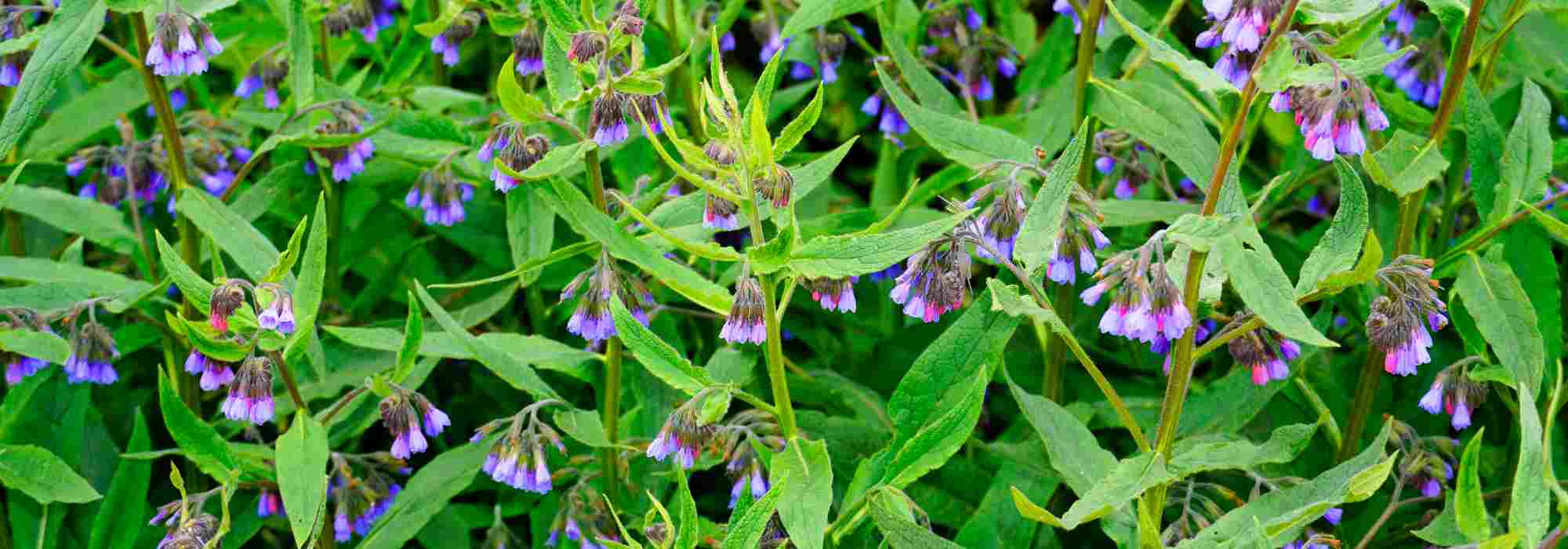
Common comfrey, scientifically known as Symphytum officinale, is a perennial plant in the Boraginaceae family. It is noted for its robustness and ability to thrive in a variety of climatic and soil conditions, although it prefers damp, organic-rich soils. With broad dark-green leaves and fleshy stems, the comfrey can reach up to a metre tall. In spring and early summer, it bears tubular flowers that range from white to purple, attracting a variety of pollinators to the garden.
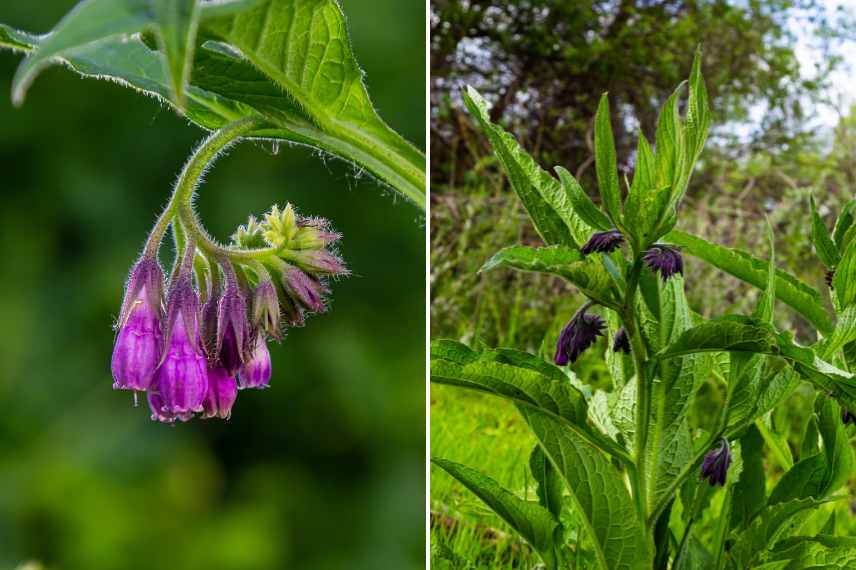
Symphytum officinale
Botanically, comfrey is recognised for its deep root system, capable of drawing nutrients and minerals from the deeper layers of the soil, inaccessible to most other plants. This characteristic makes it an excellent soil-improving plant, as the leaves, once decomposed, release these nutrients to the surface where they can be absorbed by neighbouring plants.
The use of comfrey in gardening and agriculture goes back several centuries. Traditionally it was grown for its medicinal properties, notably for external use in wound healing and the treatment of muscle pains and bruises, hence one of its popular names, ‘the healing herb’. But due to its richness in potassium, phosphorus, nitrogen and other essential minerals, comfrey has gradually found its place in ecological and organic gardening practices as a natural soil amendment and a source of fertilisation.
Over time, gardeners discovered that the comfrey manure, obtained by fermenting the leaves in water, is an excellent liquid fertiliser, stimulating plant growth and flowering. Similarly, fresh or dried leaves, incorporated into compost or used as mulch, enrich the soil and promote microbial activity, improving its structure and fertility.
Good to know! : the use of other Symphytum species in the garden, such as Russian comfrey (Symphytum x uplandicum) or tuberous comfrey (Symphytum tuberosum), can offer similar benefits to those of common comfrey, for both soil improvement and fertilisation. Their selection will depend on the garden’s specific needs and the gardener’s personal preferences. Discover all our comfreys in our online nursery.
→ For everything there is to know about comfreys, read our fact sheet Comfrey – Symphytum: sowing, planting and uses.
Read also
Comfrey manure: recipe, use and benefitsThe Benefits of Comfrey in the Garden
Comfrey proves to be a valuable ally in the garden, not only for its robustness and ease of cultivation but also for its multiple benefits for the soil and plants. Here is a detailed overview of these advantages:
Soil enrichment
Comfrey plays a key role in improving soil structure and fertility. Thanks to its deep root system, it is able to extract minerals and nutrients, such as potassium, phosphorus and nitrogen, from deep layers of soil, making them accessible at the surface for other plants. As it decomposes, comfrey leaves release these nutrients into the soil, thereby directly enriching the surrounding medium. This input of essential nutrients helps to noticeably improve soil structure, making it more fertile and better aerated, which facilitates root growth and enhances plants’ access to water and oxygen.
Plant stimulant
The use of comfrey as a plant stimulant is widely recognised. Comfrey manure, obtained by macerating the leaves in water, is a nutrient-rich liquid fertiliser that accelerates plant growth and promotes abundant flowering. This liquid concentrates the beneficial properties of comfrey, notably its high potassium content, a crucial element for the development of flowers and fruits. The application of comfrey manure stimulates not only vegetative growth, but also the plants’ resistance to environmental stresses, such as drought or temperature fluctuations.
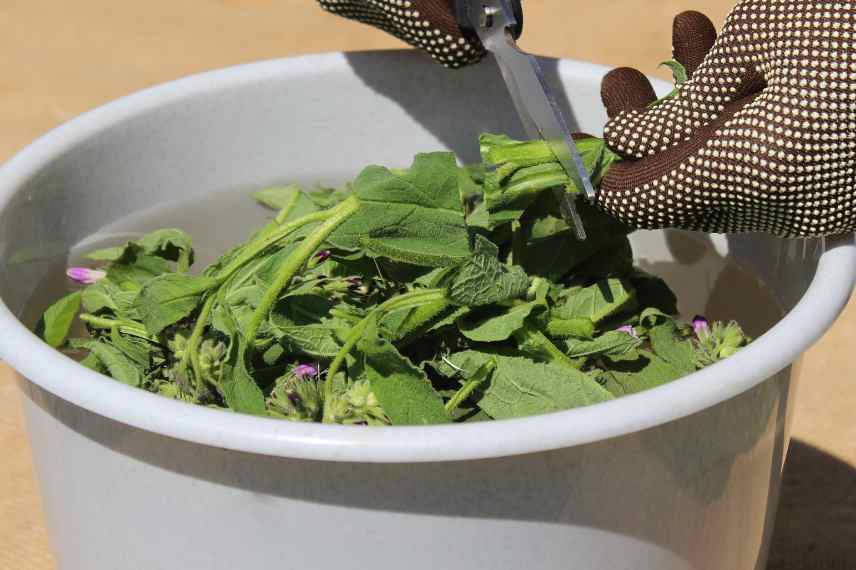
Preparation of comfrey manure.
Protection against pests
Comfrey can also play a role in protecting plants against certain pests and diseases. Although it is not an insecticide in the traditional sense, the scent of its leaves and of its manure can help repel certain garden pests. Moreover, mulching with comfrey leaves helps maintain consistent soil moisture, which can prevent the development of certain fungal diseases. Furthermore, regular use of comfrey manure as a liquid fertiliser strengthens overall plant health, making them intrinsically less susceptible to insect infestations and diseases.
How to grow common comfrey?
Comfrey is a robust perennial plant that adapts to a variety of settings, but it thrives particularly well in rich, moist, well-drained soils. It prefers exposure in full sun or partial shade. When choosing a location, consider the space the plant will have, as it can spread and reach up to a metre tall and as wide.
Comfrey can be grown from seed, or planted from root cuttings or divisions of established plants. Root cuttings are often the most effective method. Plant them in early spring or autumn, burying them to a depth of about 5 cm, with spacing of at least 60–90 cm apart to allow them to spread.
Although drought-tolerant once established, comfrey should receive regular watering during periods of active growth, especially in drier regions. Keep the soil moist, but not waterlogged. Mulching can help retain soil moisture, reduce weed competition and provide additional nutrients as it decomposes. Prune the faded flowers to encourage new leaf growth and to prevent the plant from self-seeding too much.
Dividing clumps every 3 or 4 years can help control its growth and prevent it from becoming invasive. It is also an excellent way to multiply your plants. But if you wish to strictly limit comfrey’s spread, consider planting in a large buried container or install root barriers to prevent the plant from spreading beyond the desired areas.
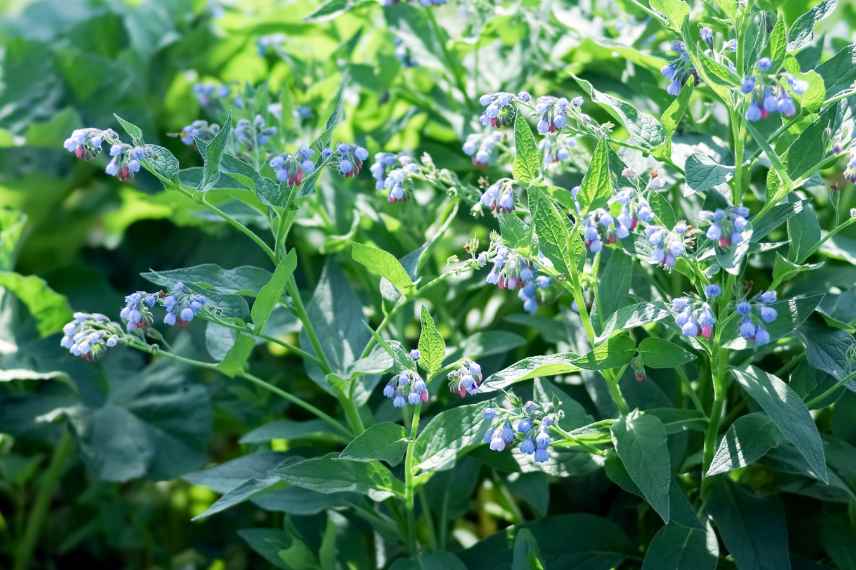
Comfrey prefers moist soil and a site in partial shade
Read also
How to successfully grow comfrey?Harvest and drying of comfrey leaves
When and how to harvest comfrey leaves
Comfrey can be harvested several times during the growing season, from spring to autumn, depending on your local climate. First harvest may take place when the plants are well established and have several mature leaves, typically 5–6 weeks after the last frost in temperate regions.
To harvest, use a sharp knife or a pair of garden scissors to cut the leaves at the base of the plant. It is recommended to leave the central leaves intact to allow the plant to continue growing and to produce a new harvest. You can harvest up to 3–4 times per season, leaving enough leaves for the plant to regenerate.
Drying and storage techniques
After harvest, comfrey leaves can be used fresh or dried for later use. Drying helps preserve the leaves for the months when the plant is not growing, ensuring a steady supply for your garden.
- Cleaning: Start by gently cleaning the leaves to remove any soil or dust residues. Use a damp cloth or rinse them quickly under cold water and dry them carefully.
- Arrangement: Spread the leaves in a single layer on a drying rack or on sheets of paper in a warm, airy place, away from direct sunlight. Ensure air can circulate freely around the leaves to promote even drying.
- Drying: Allow the leaves to dry completely, which may take several days depending on the humidity and temperature. The leaves are dry enough when they become crisp to the touch.
- Storage: Once dry, store comfrey leaves in airtight containers, away from light and moisture. Paper bags, cardboard boxes or glass jars are all good storage options.
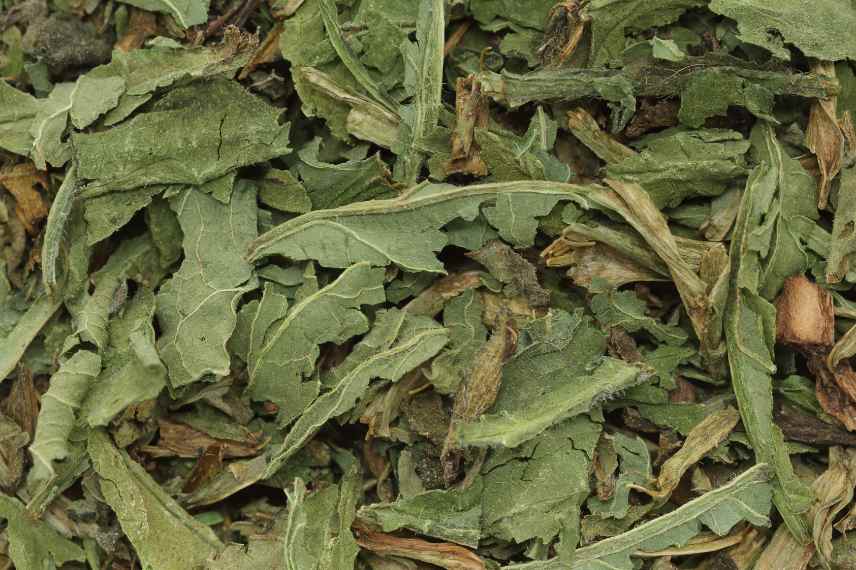
Dried comfrey
How to use comfrey leaves in the garden or allotment?
Comfrey Manure
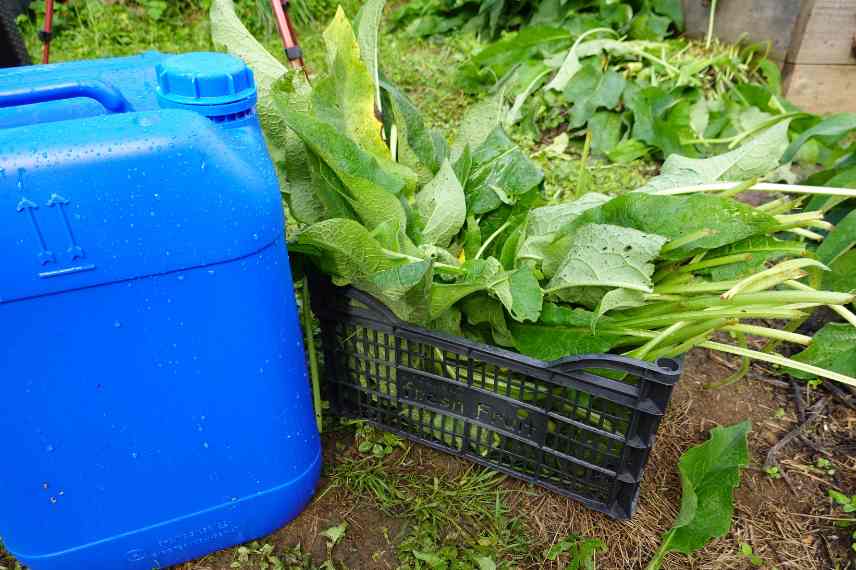
Comfrey manure is valued for its ability to act as a nutrient-rich liquid fertiliser. To prepare it, simply submerge the comfrey leaves in water and allow the mixture to ferment for about two weeks. Once ready, this liquid concentrate should be diluted at a rate of one part manure to ten parts water before being applied to the base of the plants. This solution promotes root development and flowering thanks to its high potassium content. It is recommended to use comfrey manure during active growth periods, limiting applications to every four to six weeks.
→ For more information, read Comfrey manure: recipe, uses and benefits.
Mulching
As mulch, comfrey leaves can be laid around plants or vegetables in the vegetable patch to enrich the soil as they decompose. Comfrey leaves, with their rapid decomposition, release essential nutrients, contributing to the health and vigour of plants. This mulch also helps retain soil moisture and reduces weed growth.
Compost Activator
As they decompose, comfrey leaves accelerate the composting process and boost the compost’s nutrient value with their essential nutrients. It is recommended to add comfrey in alternating layers with other organic matter to maintain a good balance in your compost.
Frequently asked questions
-
What are the specific advantages of comfrey manure compared with other natural fertilisers?
Comfrey manure outperforms other natural fertilisers thanks to its high potassium content, essential for flowering and the overall health of plants. It provides a balanced supply of nutrients, promoting vigorous growth and strengthening the plants' resistance to stresses. -
Can comfrey leaves be used for all plant types?
Comfrey is a versatile soil amendment, beneficial to most plants, particularly those that require high potassium, such as tomatoes, squashes and flowers in general. However, its use should be moderated for plants that prefer poorer soils, such as certain aromatic plants and succulents, which may not tolerate excess nutrients. -
What precautions should be taken when handling and using comfrey?
When handling comfrey, especially when using manure, it is advisable to wear gloves to prevent skin irritation from contact with sap. It is also important to work in a well-ventilated area to minimise inhalation of vapours during manure preparation, which can be strong. Finally, avoid contact with eyes and wash your hands thoroughly after use to prevent health risks.
- Subscribe!
- Contents

Comments