





























How to correct a potassium deficiency?
natural solutions for healthy growth
Contents
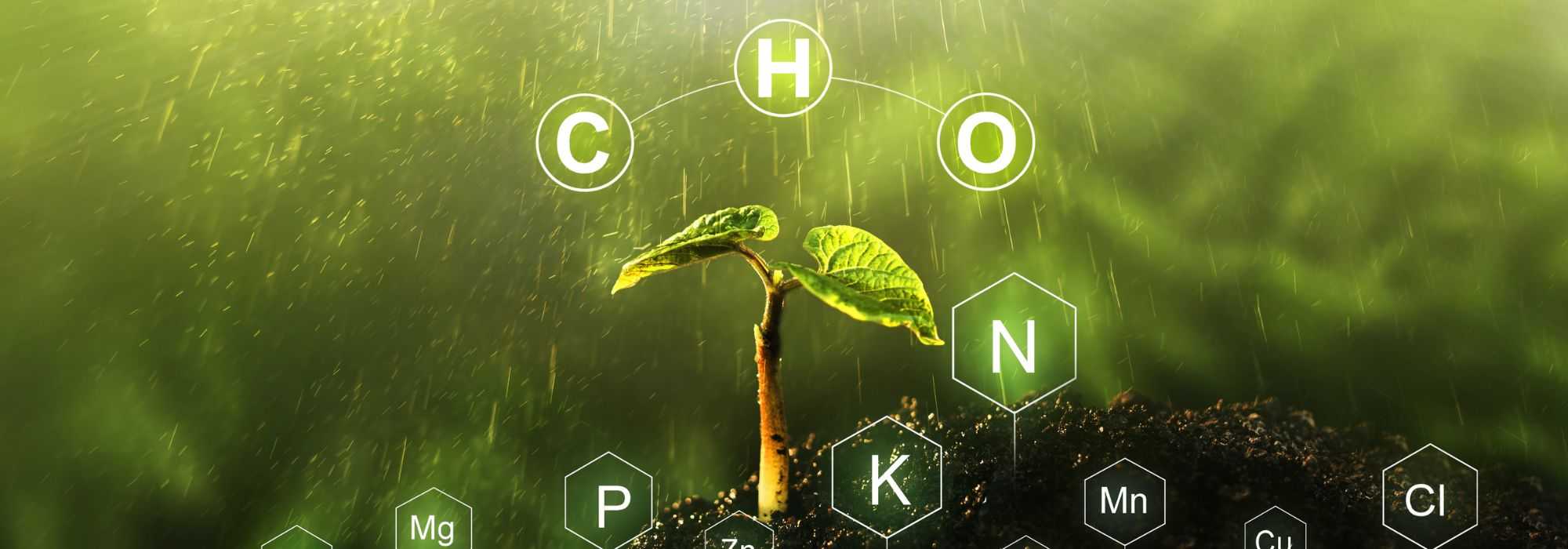
Potassium is an essential mineral element for plants, just like nitrogen and phosphorus that make up fertilisers. It plays a crucial role in the growth and development of plants.
Indeed, potassium is an essential nutrient that participates in many vital functions. It helps in the formation and transport of juices, the synthesis of proteins, the regulation of water consumption, and resistance to diseases and environmental stresses. Sufficient potassium supply improves the quality of fruits and vegetables and increases plants’ resistance to diseases and climatic variations.
Some plants are more sensitive to this deficiency, particularly fruit trees (apple trees, pear trees), soft fruits (raspberries, strawberries…), legumes (beans, broad beans, and peas), root vegetables like beetroot or potatoes, as well as many flowering plants. Discover our natural methods to effectively combat potassium deficiency in your soil.

How to recognise a potassium deficiency?
Potassium deficiency typically manifests through visible symptoms on leaves and fruits. Here are the key points to recognise common signs of potassium deficiency:
- Yellowing or browning leaves, particularly at the edges
- Plicate, curled, or distorted leaves
- Weak and brittle stems
- Growth retardation
- Small fruits that ripen slowly and show brown spots or necrotic areas
Read also
Iron chlorosisNatural solutions to correct a potassium deficiency
To remedy a potassium deficiency in the soil, here are some natural solutions:
- Potash and phosphorus fertilisers: Choose organic fertilisers rich in potash and phosphorus, such as bone meal, wood ash, compost, or well-decomposed manure. These fertilisers provide the necessary nutrients to address potassium deficiency and support plant growth.
- Organic waste: It is possible to naturally add potassium by using banana leaves, potato peels, or banana skins. Bury these organic wastes near potassium-deficient plants to gradually supply them with potassium.
- Potassium phosphate: Potassium phosphate is an organic fertiliser that contains both phosphorus and potassium. It is available in powder or granule form and can be spread directly on the soil or mixed into compost. This type of fertiliser promotes a balanced supply of these two essential elements for plant growth.
- Composting: Composting is an eco-friendly and cost-effective method to enrich the soil with potassium. Organic materials, such as fruit and vegetable peels, dead leaves, or grass clippings, can be used. Compost naturally adds potassium to the soil while improving its structure and water retention capacity.
- Cultivation of potassium-accumulating plants: Certain plants, such as clover, alfalfa, or phacelia, have the ability to accumulate potassium in their tissues. By growing them and then burying them in the soil, they release this potassium for the benefit of other plants. This method, known as green manure, enriches the soil with potassium naturally.
Discover other Fertilisers and added nutrients
View all →
Available in 1 sizes
Available in 1 sizes
Available in 1 sizes
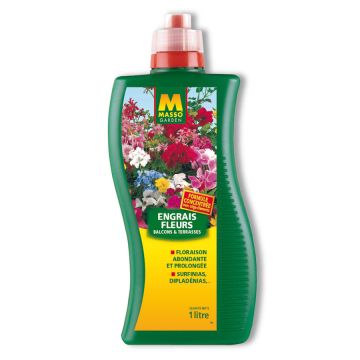
Available in 1 sizes

Available in 2 sizes

Available in 2 sizes
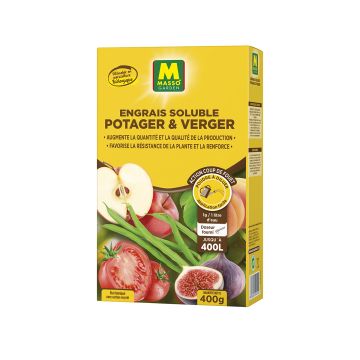
Available in 1 sizes
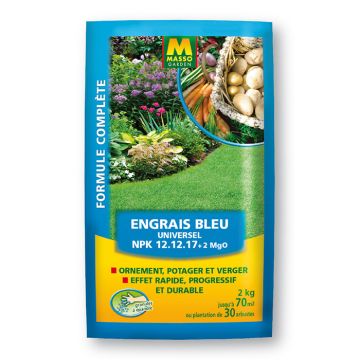
Available in 1 sizes
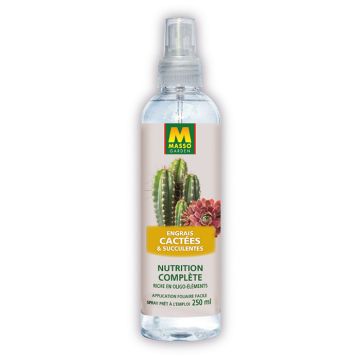
Available in 1 sizes
Available in 2 sizes
In conclusion
Potassium deficiency is a problem that can affect the health and productivity of your plants. Fortunately, there are several natural solutions to correct this deficiency and ensure the optimal development of your garden. By identifying the symptoms of potassium deficiency and using eco-friendly methods such as applying potash and phosphorus fertilisers, composting, or growing green manures, you can promote the healthy and vigorous growth of your plants.
- Subscribe!
- Contents
Comments