





























How to create a perpetual vegetable garden?
Our tips for an easy and sustainable vegetable garden
Contents
Passion for some, a chore for others, the art of vegetable gardening is demanding… it requires time and daily attention that many gardeners cannot or do not want to dedicate. However, what satisfaction there is in filling your plate with delicious vegetables grown in your little plot! Know that it is possible to combine vegetable gardening and free time thanks to the perpetual garden method.
Enthusiasts of permaculture are familiar with this increasingly trendy concept of a sustainable and self-sufficient garden, requiring little maintenance and producing beautiful harvests year after year. Filled with perennial or everlasting vegetables, herbs, and allowing for spontaneous sowing, the perpetual garden moves away from successive sowing and planting series and requires almost no intervention from the gardener after the second year.
What are perennial or everlasting vegetables and how can you grow them? How can you cultivate them alongside aromatic plants? Discover all our tips for creating a productive and hassle-free perpetual garden!

The organisation of the perpetual vegetable garden
The choice and planting of plants in the perpetual vegetable garden
- Establishing your perpetual vegetable garden, focusing on perennial vegetables and herbs, can be done gradually, starting from your “traditional” vegetable garden. Areas can be gradually reserved for planting these perennial plants, as while they can theoretically be planted anywhere, it is preferable to allocate specific spots for them. Besides, some of them will require certain soil or exposure conditions; for example, if you plant them among other vegetables, it may complicate your soil preparation work for the latter.
- Perennial vegetables can be associated with other crops such as fruit hedges and edible flowering plants (Daylily, Tulbaghia, Borage, etc.) and edible climbers (Kiwi, grapevine, Chayote …) to contribute to a varied food production and the balance of your garden’s ecosystem: shading, use of vertical space, food reserve, and habitat for insects, birds, and small mammals.
- On the plot(s) dedicated to perennial crops, forget about crop rotation, as perennial vegetables and herbs will remain in place for several years. Remember to give them enough space according to their future growth.
The planting and maintenance of plants in the perpetual vegetable garden
- Pay attention to soil preparation at planting: loosen and aerate the soil deeply to facilitate the rooting of the plants. If necessary, add compost or manure. Of course, adapt the choice of varieties to the nature of your soil and the specifics of your local climate.
- Adding compost combined with good mulching will nourish the plants throughout the seasons.
- These edible perennial plants have a deep root system, allowing them to be more self-sufficient in water than most other crops. Provide additional watering only in case of drought or for plants with specific needs.
- Depending on their development, the plants and perennial vegetables can be divided over the years, both to regenerate them and to obtain new plants. Some of them can also be reseeded.
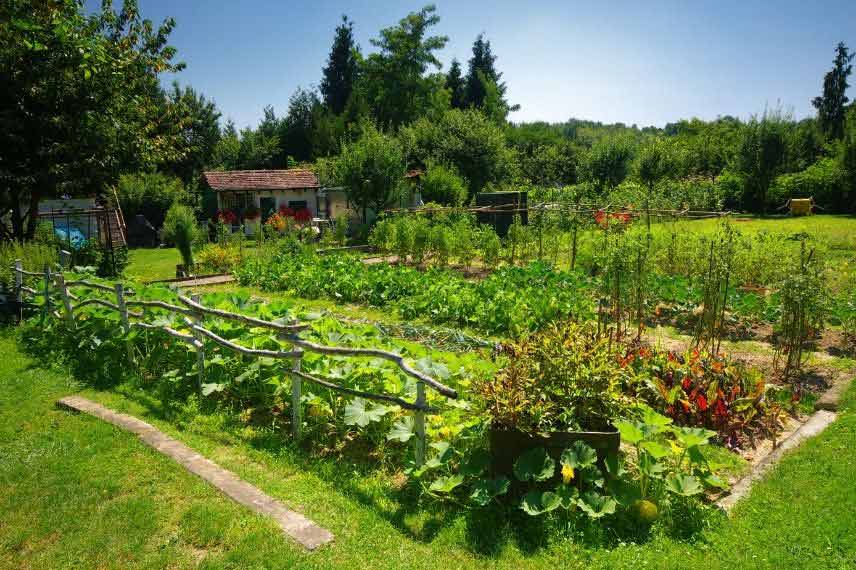 Creating a perpetual vegetable garden can be achieved by gradually transforming a traditionally cultivated vegetable garden.
Perpetual vegetables
Well known to gardeners practising permaculture, perpetual or perennial vegetables are still underutilised in vegetable gardens. However, these vegetables possess numerous qualities and allow gardeners with limited time to enjoy harvests with minimal effort.
Requiring little care and remaining in the vegetable garden for several years, perennial vegetables are well-known in some cases, like rhubarb or artichoke, somewhat forgotten like sunchokes and cardoons, or less known like perpetual leeks or earth pears. Both original, economical, and hardy, most perpetual vegetables are often old varieties that are easy to live with and grow, as they require less maintenance and are less prone to diseases. These vegetables can be harvested a bit earlier than others due to their spring growth.
Finally, their nutritional value is higher than that of annual vegetables, and their flavour is more pronounced: a perfect opportunity to discover new tastes!
Their selection depends on:
- the space you have available
- the nature of your soil and its fertility
- sun exposure
- your local climate
- water needs
- and of course… your tastes!
Here are a few, which you can choose from our collection of perpetual vegetables and discover Ingrid B.’s article on 10 perpetual or perennial vegetables for a sustainable and self-sufficient vegetable garden.
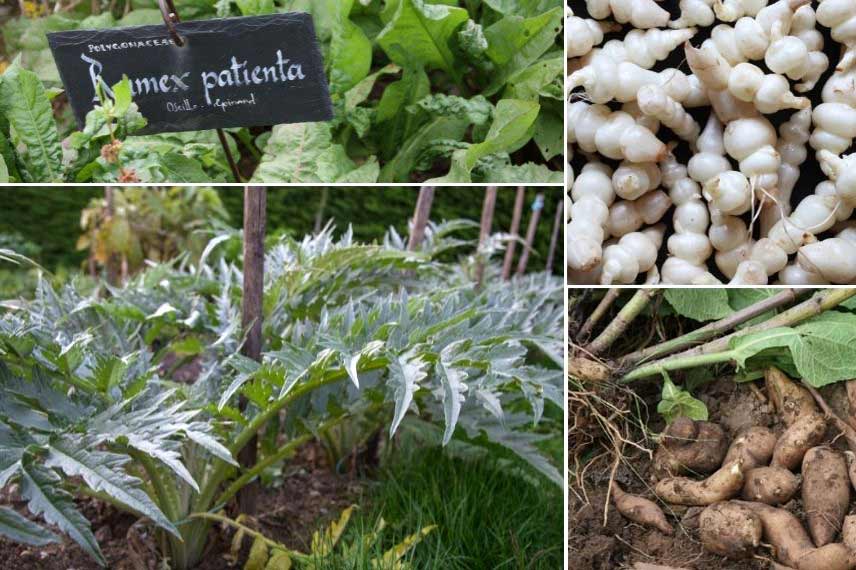
Sorrel-spinach, cardoon, crosnes, and earth pears are part of the large “family” of perpetual vegetables
Leaf vegetables
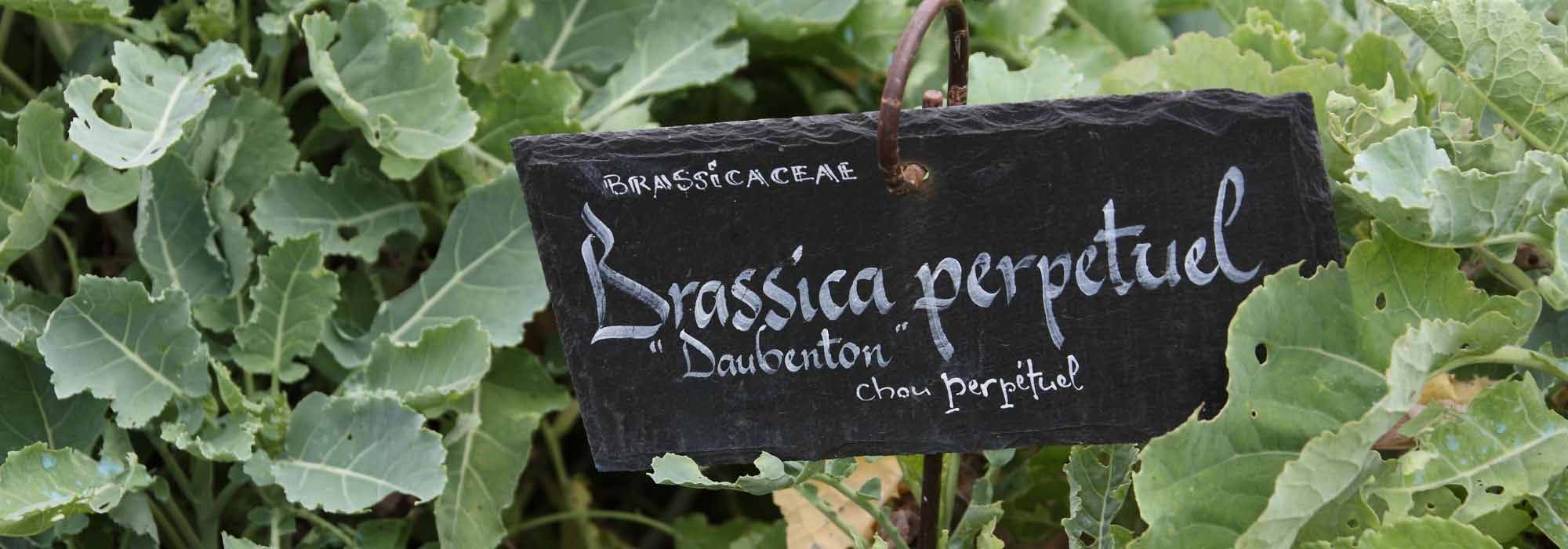
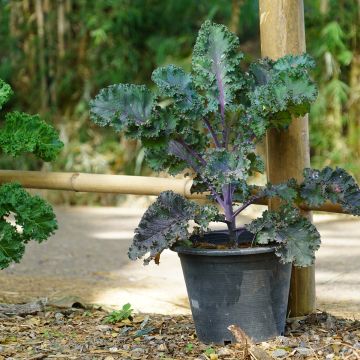
The land cress, the oriental rocket, or the chenopods grown for their leaves consumed raw or cooked like spinach, are part of the perpetual leaf vegetables. The Daubenton perpetual kale is one of the easiest old vegetables to grow. This category also includes various sorrel varieties, Asian spinach also known as shrub spinach, perpetual leek, rampion, and wild rocket. The choice is vast and allows for dietary diversity throughout the seasons.
Stem vegetables
Stem vegetables include various varieties of rhubarb such as Giant Victoria Rhubarb or Glaskins Perpetual Rhubarb.
The cardoons (Cynara cardunculus), grown for the ribs of their foliage – the cardes – are majestic vegetable plants forming large tufts of deeply lobed leaves. You will find Cardoon ‘Gigante di Romagna’ as well as Algerian Red Cardoon or the Cardoon ‘Plein blanc inerme’, spineless.
Vegetable f
Discover new exotic flavours with Solanum muricatum, also known as Pepino Melon Pear: this shrub-like vegetable plant produces juicy fruits whose flavour lies between pear and melon! This frost-sensitive plant requires a lot of warmth and should be planted in the ground or in pots in warm climates, or under glass in cooler regions.
Also consider Physalis or Peruvian Groundcherries, whose tangy berries are very high in vitamin C!
Among the perpetual root vegetables, you can choose from Chervis, Crosnes, Tuberous Glycine, Horseradish, Jerusalem Artichokes, or Earth Pear.
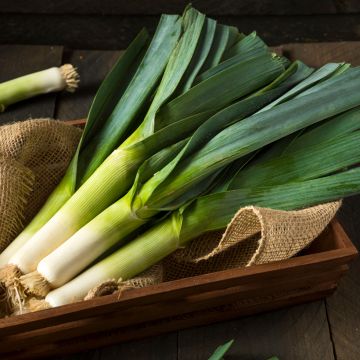
An ancestor of the leek, the perpetual leek (Allium ampeloprasum), also known as perennial leek, is an ancient vegetable, easy to grow, very hardy, and drought-resistant. It can be planted alongside Tree Onion (Allium cepa proliferum) and Rocambole Garlic (Allium scorodoprasum).
Discover other Vegetable gardens
View all →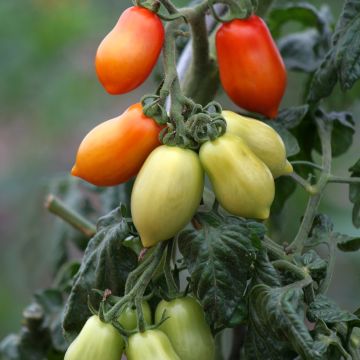
Available in 1 sizes
Available in 1 sizes
Available in 1 sizes
Available in 1 sizes
Available in 1 sizes
Available in 1 sizes
Available in 1 sizes
Available in 1 sizes
Available in 1 sizes
Available in 1 sizes
Aromatic plants
In addition to the most well-known herbs: Common sage, rosemary, mint, thyme… your perpetual vegetable garden can accommodate lesser-known herbs such as Loveliness or lovage, Fennel Agastache ‘Golden Jubilee’, or even Common garlic mustard (Alliaria petiolata). This biennial edible plant has leaves with a garlic flavour, spring stems that are slightly sweet and reminiscent of cabbage, and a root that has a taste somewhat like radish. Its seeds can also be used as a condiment as a substitute for mustard.
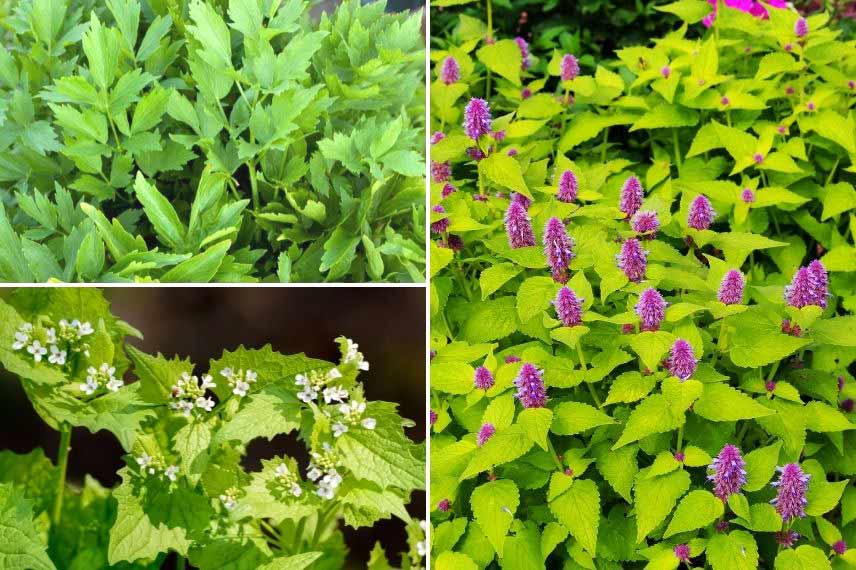
Lovage, Alliaria petiolata and Fennel Agastache ‘Golden Jubilee’
Self-sowing
To avoid the chores of sowing and planting, enthusiasts of the perpetual garden often rely on spontaneous sowing. For this, nothing could be simpler: let nature take its course! Allow a few plants to go to seed: these will disperse, and new plants will germinate. Plants will also emerge in your compost, originating from seeds thrown on top.
With this method, you won’t have to do anything, as these plants grow on their own. Plants from spontaneous sowing are often stronger and more resilient, as they adapt to your soil and growing conditions over generations. To optimise this natural phenomenon, let your finest plants go to seed. Similarly, avoid hybrid varieties and favour reproducible seeds.
Spontaneous sowing, of course, does not occur in neatly organised rows: if their location does not suit you, you can gently transplant them to another spot in your garden.
Rocket, lamb’s lettuce, lettuce, and purslane reseed very easily, as do orach, tetragonous, strawberry spinach, cardoons, and physalis. You can also let coriander, dill, parsley, or chives go to seed.
When it comes to squashes, many plants can appear, particularly in your compost; be aware that there is a high chance they will be hybrids, resulting from cross-pollination between the various varieties in your garden: expect some surprises, whether excellent or quite the opposite!
Tomatoes that have fallen to the ground or been added to the compost will also produce new plants the following year. They are generally more resilient but also later to fruit. If they germinate in the same spot as last year’s crop, it’s better to move them for crop rotation. Spontaneous cherry tomatoes often yield good results.
A small note: if your garden is mulched, spontaneous sowing will be more challenging. If you wish to encourage them, clear the soil in certain areas.
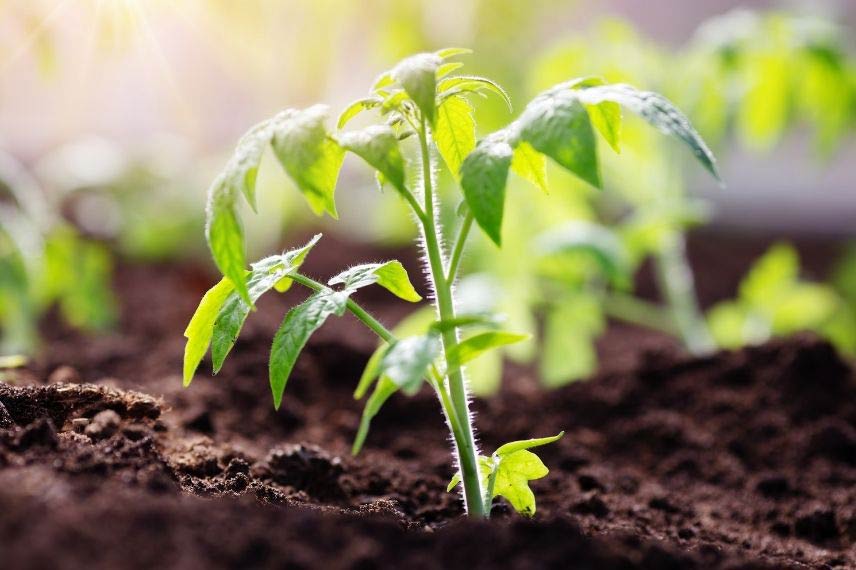
Spontaneous tomato sowing will benefit from being transplanted to an area where they have not been grown previously

- Subscribe!
- Contents
Comments