


Kitchen garden and permaculture: discover Chinese yam
From planting to harvest: everything you need to know about this edible tubercle
Contents
Growing Chinese yam, or Dioscorea polystachya, in the kitchen garden opens up a world of flavours and nutritional benefits straight from Asia. This climbing perennial offers not only edible tubers of remarkable nutritional value, but it also enhances the garden with its exotic presence and lush foliage. Ideal for gardeners looking to diversify their crops, the Chinese yam adapts to a range of environments and climatic conditions, making its cultivation possible in many French kitchen gardens. How to grow Chinese yam in the garden? All you need to know is in our care guide.
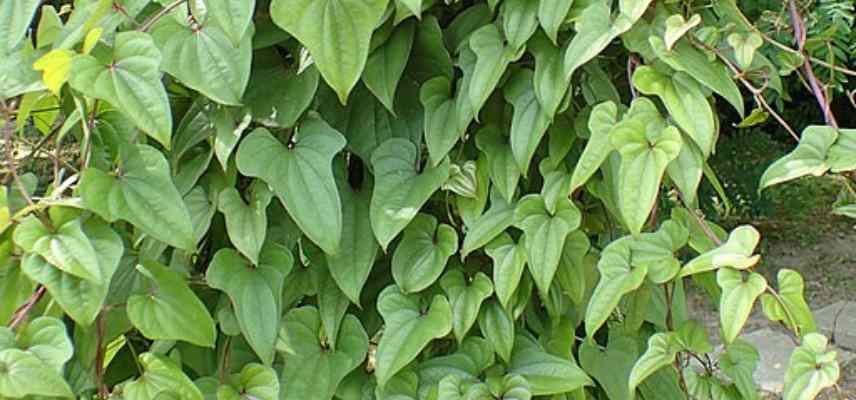
Chinese yam, a beautiful plant to grow in the kitchen garden

Growing yams in the vegetable garden: what a daft idea!

First and foremost: choosing the right site
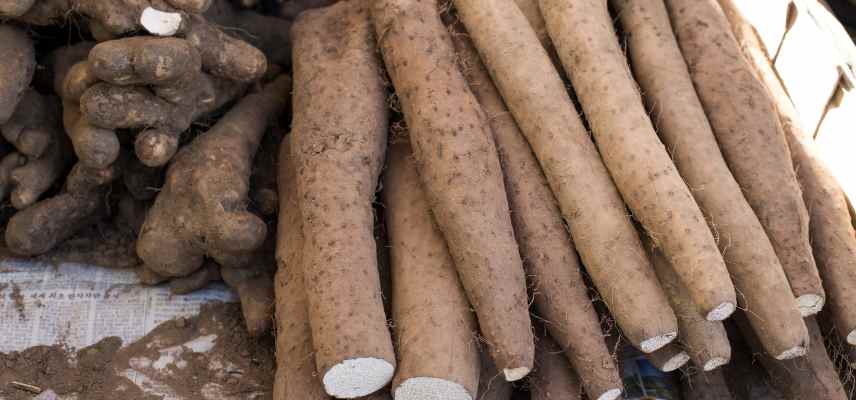
The Chinese yam (Dioscoreas batatas) or Nagaimo is one of the few members of this group of tropical plants that can be grown in the ground in our latitudes. It is a tropical tuber that requires specific conditions to thrive in your vegetable patch.
Ideal soil conditions for the yam
This tuber prefers a rich, well-drained and slightly acidic soil, with an ideal pH lying between 5.5 and 6.5. A clayey or compact soil can hinder root development and promote tubercle rot, so it is advisable to amend it to improve its structure and drainage. To prepare the soil, incorporate a good amount of organic matter, such as compost. This will help improve soil fertility and maintain good moisture levels, while ensuring effective drainage.
Sunlight and space requirements
The yam requires adequate exposure to sunlight to develop well. A site that receives at least six hours of direct sun per day is ideal.
Regarding spacing, the yam needs enough room to grow without restriction. Plan a spacing of at least 60–80 cm between plants to allow optimum growth. This distance is important not only for underground tubercle development, but also to allow good air circulation around the leaves, thereby reducing the risk of fungal diseases.
How to plant a yam?
Chinese yam is generally planted in spring, after the last frosts, when the soil is warm enough. This typically occurs between April and May in the northern hemisphere.
Planting bulblets or tubercules
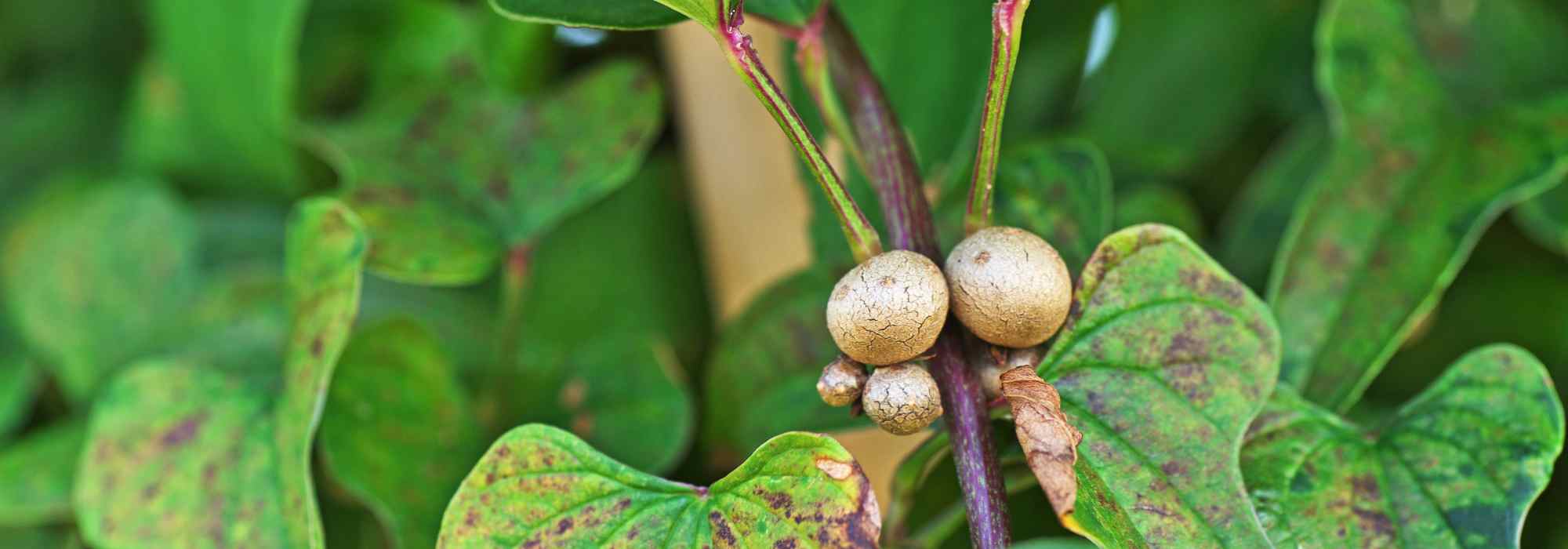
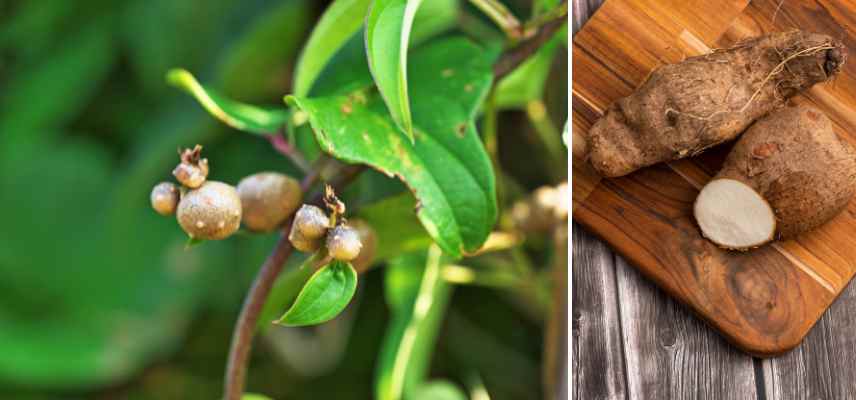
Chinese yam is usually planted from bulblets or small pieces of tubercules. These bulblets are the small protrusions that form on the roots.
- Dig holes about 10–15 cm deep. If you are using pieces of tubercle, ensure they contain at least one eye or bud.
- Space the holes 60–80 cm apart to allow for good growth.
- Place the bulblets or tubercules in the holes with the eyes or buds facing upwards.
- Cover with soil and firm lightly.
- Water thoroughly after planting to ensure good contact between the tubercules and the soil, and to help establish growth.
- Thereafter, water regularly, ensuring the soil remains moist but not waterlogged.
- Apply a layer of mulch around the plants to conserve moisture, maintain soil temperature and limit weed growth.
- As the Chinese yam can become a climbing plant, providing support or a stake will help manage vertical growth and thus improve air circulation and reduce the risk of disease.
- Good to know: Chinese yam can also be grown on small mounds 30–40 cm high, as with potatoes, which also makes harvesting easier.
Please note: It is also possible to advance their growth from March by placing them in pots that you will place in a warm, sunny location. Plant them out in mid-May when frosts are no longer to be feared, keeping a minimum spacing of 80 cm between plants.
Read also
10 unusual and curious vegetablesYam cultivation
Watering
Yam requires regular watering to thrive, especially during periods of active growth and dry seasons. Water the yam one to two times per week, increasing the frequency under hot, dry conditions. It is important that the soil is moist, but not saturated.
Fertilisation
Use a balanced complete fertiliser, such as NPK (nitrogen, phosphorus, and potassium). Potassium-rich fertilisers are particularly beneficial for the growth of tubers. Apply the fertiliser every 4 to 6 weeks during the growing season. Begin applying fertiliser about a month after planting, when the young plants are well established.
Diseases and pests
Anthracnose and Fusarium wilt are common fungal diseases that can cause foliar spots and root rot. Practice crop rotation to prevent accumulation of pathogenous agents in the soil. Ensure good air circulation around the young plants and avoid excess moisture. Use healthy seed and bulblets and disinfect your garden tools.
Nematodes can also attack yam tubers. Plant crops that attract parasitic pests away from them, such as calendula, which can help repel some insects and nematodes.
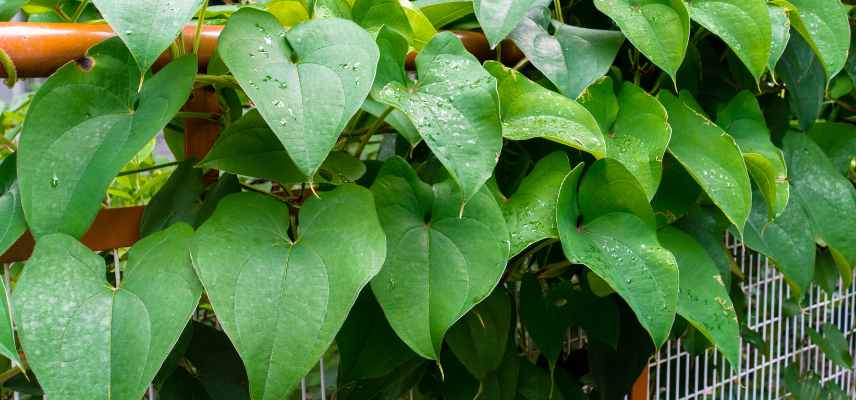
Dioscorea polystachya
Yam harvest
Signs that yams are ready to be harvested
Yams are generally ready to be harvested when the leaves begin to yellow and die back, which often occurs in late summer or early autumn, about 6 to 9 months after planting. But other signs may alert you:
- Wilting of the leaves and stems.
- The skins of the tubercles become thick and rough to the touch.
- A light digging around the plant may reveal the size and ripeness of the tubercles.
Harvesting techniques to minimise damage
- Use a digging fork and start digging at a safe distance from the base of the plant to avoid cutting or damaging the tubercles.
- Gently lift the soil around the tubercles and remove them by hand.
- Avoid pulling the yams by the leaves, as this could cause them to break or be damaged.
Storage of tubercles
After harvest, it is important to store yams properly to extend their shelf life and preserve their quality:
- Cleaning: Gently brush off soil residue from tubercles. Avoid washing them, as moisture can encourage rot.
- Drying: Allow the tubercles to dry in open air in a dry, shaded place for several days to let the skin harden, which helps prevent rot.
- Storage: Store yams in a cool, dry and well-ventilated place, at an ideal temperature between 12°C and 15°C. A cool cellar, pantry or other cool storage area will be suitable.
- Regular checks: Inspect stored tubercles regularly to ensure they show no signs of rot or deterioration, and remove any damaged specimens to prevent rot from spreading.
- Subscribe!
- Contents
Comments