





























Natural insecticidal agents to be used in manure tea and decoctions
Selection of insecticidal plants for manures and decoctions
Contents
Are you looking for natural ways to combat insects that parasitize your plants without using pesticidal products? manure and decoctions of plants are ecological and effective solutions in organic gardening. Made from plants with insecticidal properties, these preparations, which can be made at home, come in the forms of manure, decoction and infusion. Manure is the solution that can be stored the longest. It is obtained by macerating plants and left to ferment for several days in cold water. A decoction is made by boiling plants in water. It is the only one that enables extraction of active constituents and is prepared from hardy plants. By contrast, infusion is prepared from non-woody plants and involves steeping them in hot water for a few minutes. Discover our selection of plants with insecticidal properties and how to use them to protect your plants from pests.

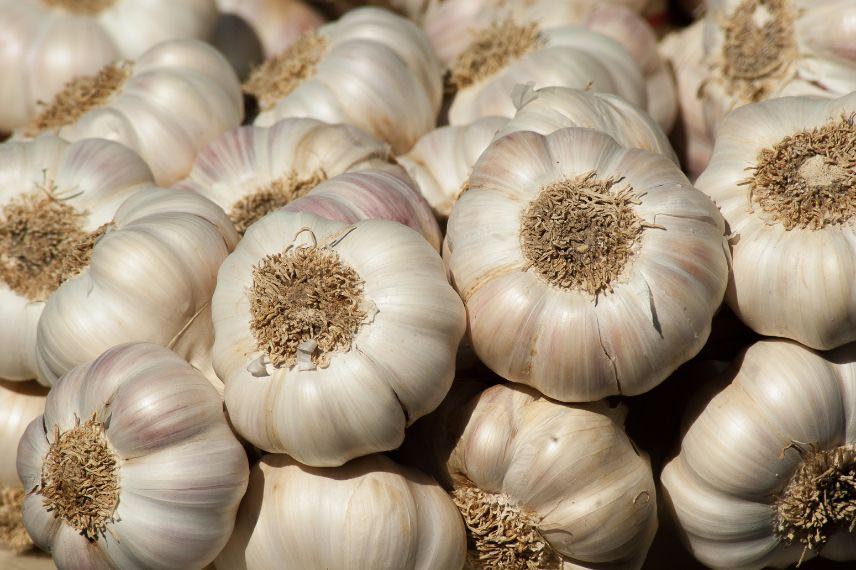
Garlic, insecticidal against aphids, caterpillars and mites
Well known for its culinary qualities and its use in cooking, garlic also possesses powerful insecticidal properties. In organic gardening, it helps to combat aphids, mites, caterpillars and psyllids. To use garlic as an insecticide, you can prepare a decoction or an oil maceration, the latter being more concentrated.
Garlic decoction: Roughly chop about ten garlic pods and boil them in 5 litres of water for 20 minutes. Allow to cool, then filter. This preparation can be sprayed directly onto infested plants, preferably in the evening to prevent the sun from burning the leaves of your plantings. Spray the plants twice a week as a preventative measure and daily during curative treatment. The garlic decoction can be stored for a maximum of two days.
Garlic oil maceration: Crush 80 grams of garlic pods. Add 3 tablespoons of rapeseed oil or olive oil and let macerate for 24 hours in a closed container. Filter and dilute in 1 litre of water with a tablespoon of black soap. Spray once a week on the infested plant, in the evening to avoid burning the leaves. Repeat if necessary. The solution can be stored for several weeks.
For further reading, see our guide “Garlic manure or garlic decoction” Garlic manure or garlic decoction.
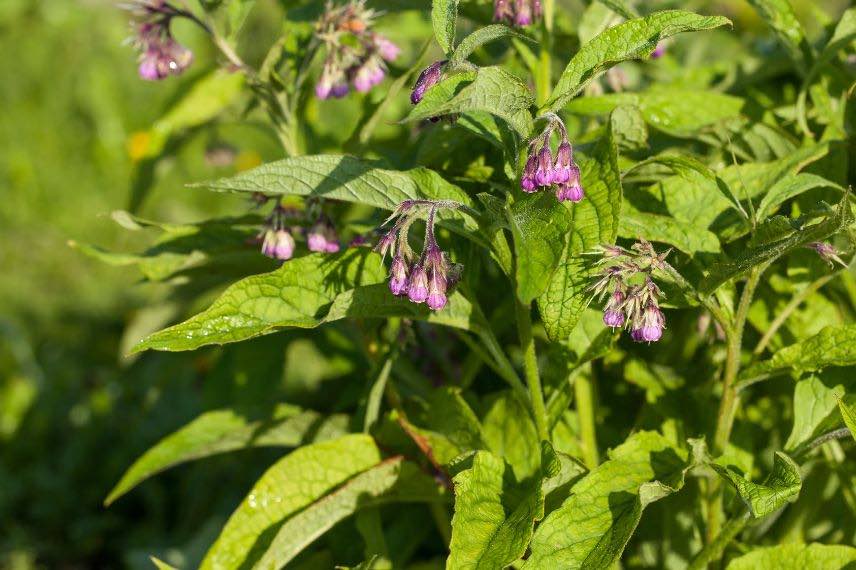
Comfrey against aphids and whiteflies
Comfrey is recognised for its growth-stimulating properties on plants, helping them better resist parasitic insects. It can be used as a decoction to combat aphids and whiteflies. To make the preparation, use comfrey Symphytum officinale or Russian comfrey.
Comfrey decoction: Harvest 1 kg of fresh comfrey and chop it or cut it finely. Boil in 10 litres of water for 20 minutes. Once the solution has cooled, filter it and spray onto the plants to be treated.
For further reading, see our advice sheet Comfrey manure: use and benefits.
Fern to repel aphids, scale insects and red spider mites.
The fern has multiple properties, including repelling pest insects, notably aphids, shield scale, and red spider mites. It can also be used against larvae in the soil and grape leafhoppers. It is used in the form of manure.
Fern manure: Collect leaves from wild ferns. The eagle fern, or Pteridium aquilinum, and the male fern, or Dryopteris filix-mas, are the most commonly used for making manure. Roughly chop 1 kg of fern leaves and soak them in 10 litres of rainwater. Cover and macerate for two weeks. After filtering the manure, you can use it as a spray on infested plants. For preventive treatment, dilute it to 5% or 10% in water. For curative treatment, use it undiluted. Avoid spraying it in full sun. Fern manure can be stored for one year.
For further reading, see our advice sheet “How to make fern manure?”
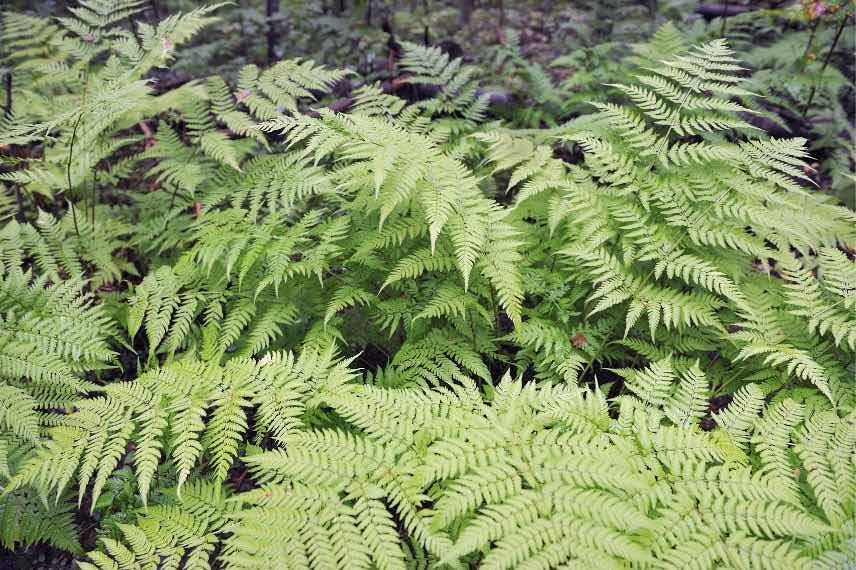
Dryopteris filis-x-mas
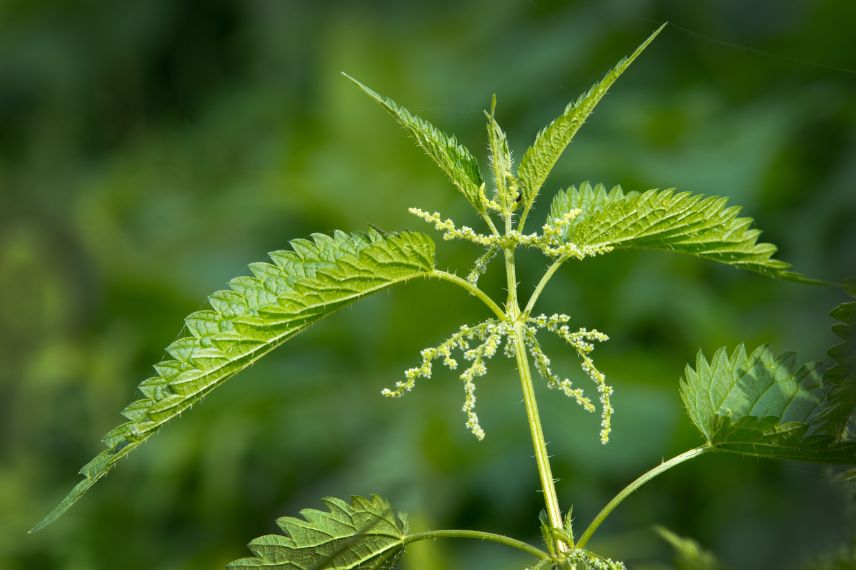
Stinging nettle against aphids and mites
Nettles possess insecticidal and nutritious properties, which are of great interest to plants. To combat aphids and mites, nettles can be used as manure tea, infusion or maceration.
Nettle manure: Soak 1 kg of fresh nettles in 10 litres of water. Cover and stir once a week. When fermentation is complete, filter and spray the plants with a 5% solution. Do not use undiluted, as this would burn your plants. The manure can be stored for up to a year.
Nettle infusion: Finely chop 100 g of fresh nettle leaves and immerse them in 1 litre of simmering water. Cover and leave on the heat for a few minutes. Turn off the heat and let infuse until the liquid is cold. Filter, dilute to 10%, and spray onto the plants to be treated.
Nettle maceration: Let 1 kg of fresh nettle leaves and stems macerate in 10 litres of water for up to one day. Spray the pure solution onto the plants.
For further reading, see our advice sheet: “Nettle manure“.
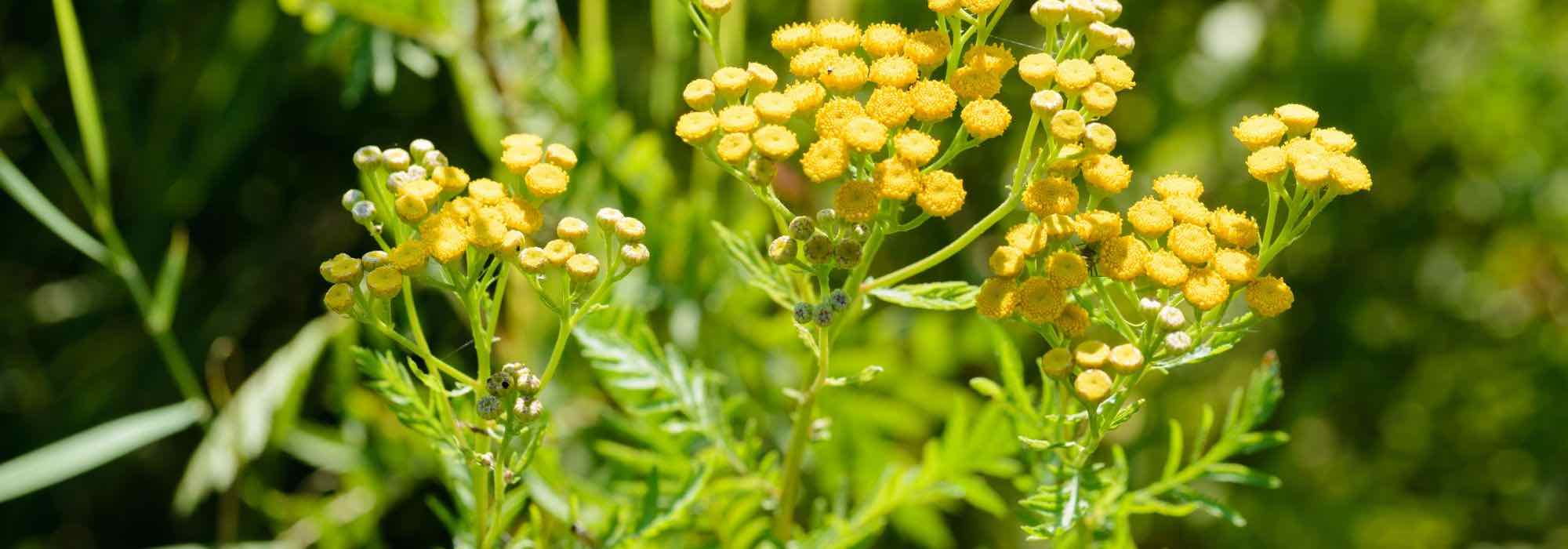
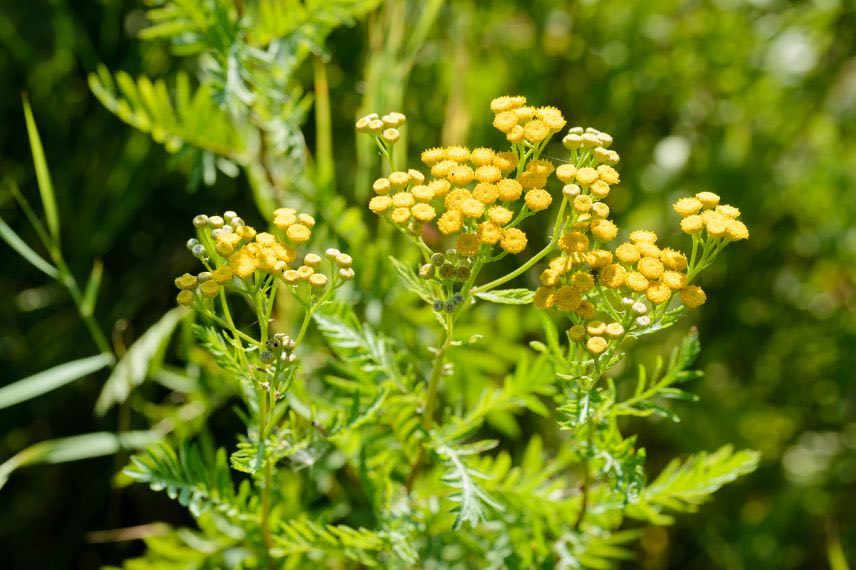
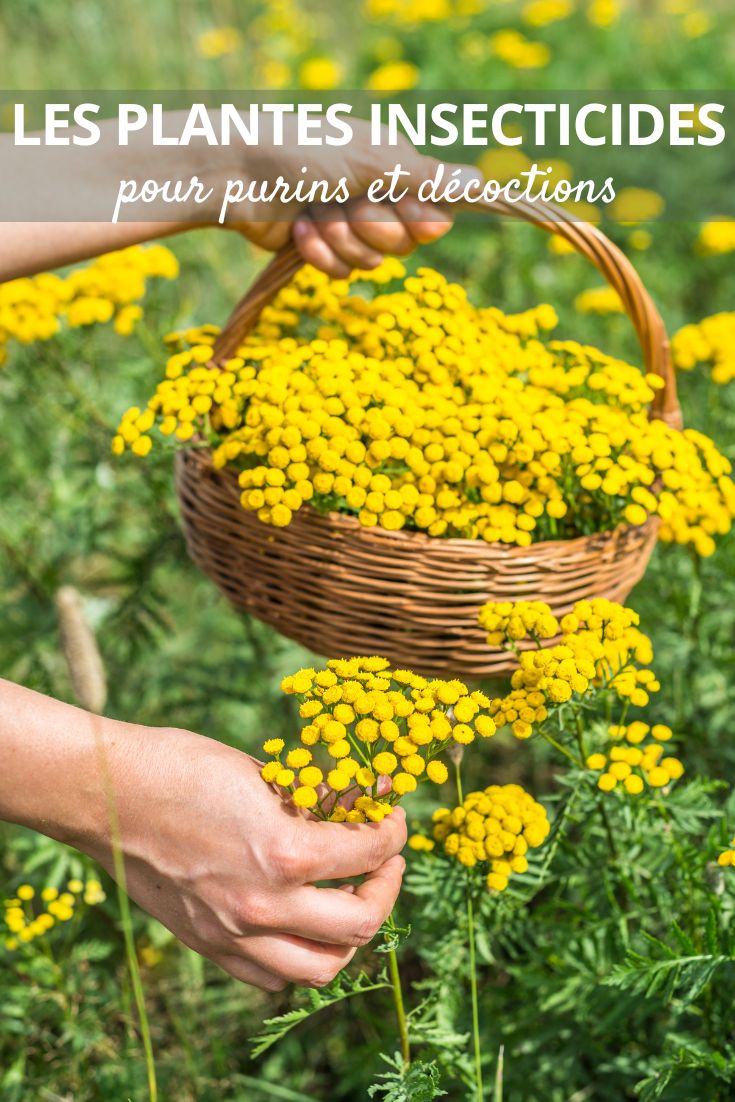
Pyrethrum and tansy, an insecticidal product to be used with caution.
The Dalmatian pyrethrum or Tanacetum cinerariifolium and the tansy or Tanacetum vulgare have long been known as natural insecticidal agents for many years. This insecticidal product should be used with caution, as it is highly aggressive at high doses against garden insects and cold-blooded animals (fish, lizards, frogs…) This plant resembles a large daisy. It can destroy mites, aphids, flea beetles, the cabbage white butterfly, leek moth larvae, the Colorado potato beetle. The downside is that it also destroys beneficial insects and garden wildlife. We recommend using it as a preventive repellent.
Tansy manure : Chop 1 kg of fresh tansy and macerate for 2 weeks in 10 litres of water, stirring daily. Filter, then dilute to 10 or 20% and apply to the leaves of plants to deter insects. It can also be used undiluted against the cabbage fly.
For further reading, see our advice sheets: “Pyrethrum” and “Tansy manure”.
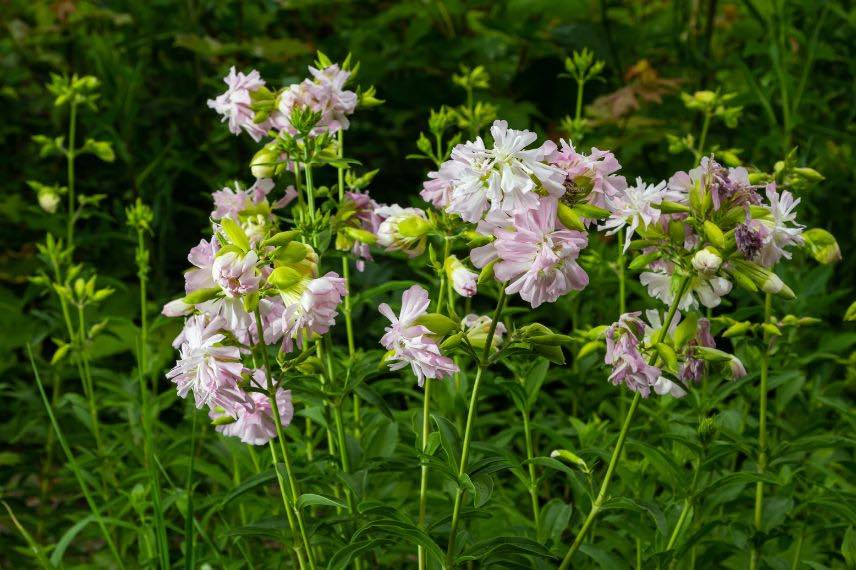
Soapwort against aphids
Soapwort, or Saponaria officinalis, is a ‘soap plant’ with insecticidal properties. It can be used as manure or as an infusion.
Soapwort manure: Soak 1 kg of soapwort in 10 litres of water and let macerate, covered and stirred once a day. When fermentation is complete, strain and spray onto the plants after diluting 1 litre of manure in 10 litres of water.
Soapwort infusion: Infuse 150 g of fresh soapwort in 1 litre of water. Spray the pure solution onto the plants in the evening.
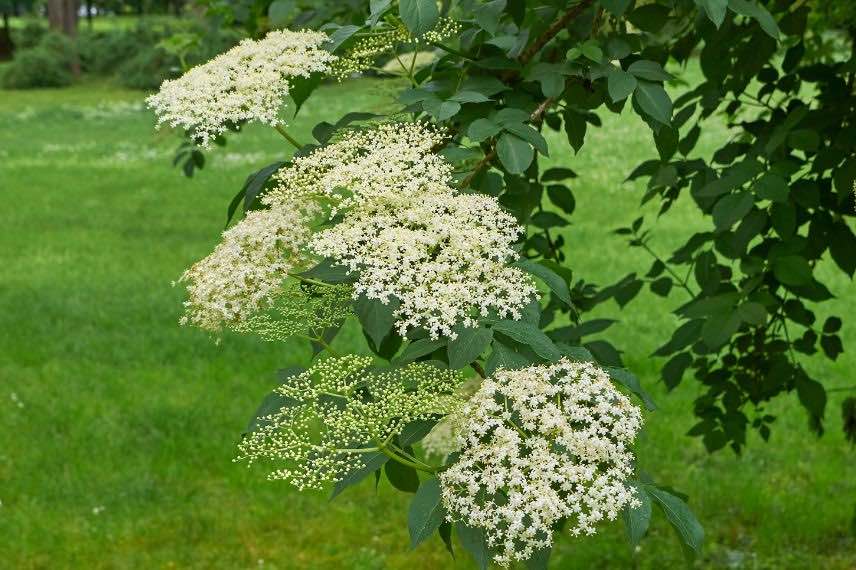
Elder against aphids and caterpillars
The elder is a very useful bush in the garden. Its leaves enable the production of an insecticidal manure to help control aphids and caterpillars.
Elder manure : Macerate 1 kg of fresh elder leaves in 10 litres of water for 2 weeks. Stir the mixture once a day and cover with a cloth. When fermentation is complete, filter and dilute at a ratio of 1 litre of manure to 10 litres of water. Spray onto the plants as a preventive or curative treatment.
For further reading, consult our advice sheet: “Elder manure”.
Learn more about manures and decoctions.
Also read our articles:
- Pest-repellent plants to use as manure and decoction to protect crops
- Stimulating plants to be used as manure and decoction to boost your crops
- Subscribe!
- Contents
Comments