





























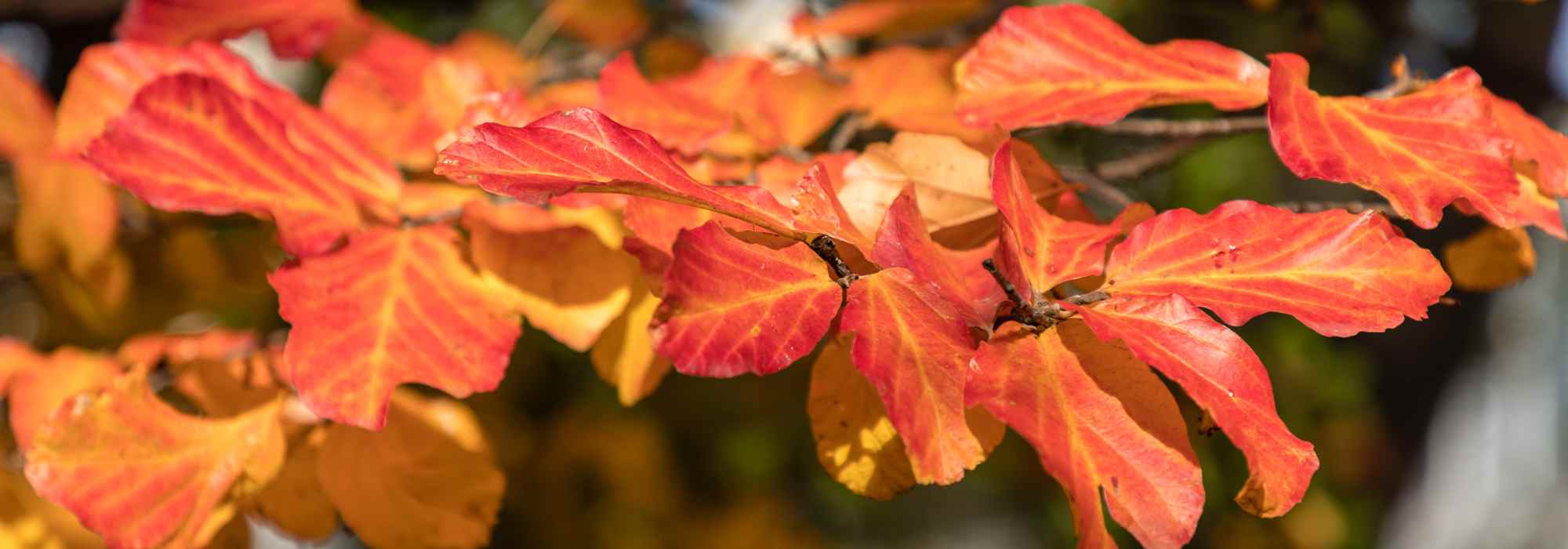
Parrotia, Persian ironwood: the five most beautiful varieties
A selection of the most beautiful Parrotia persica
Contents
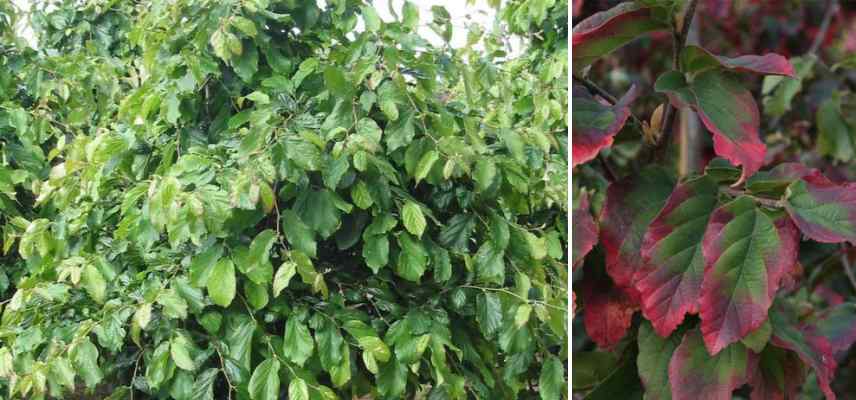
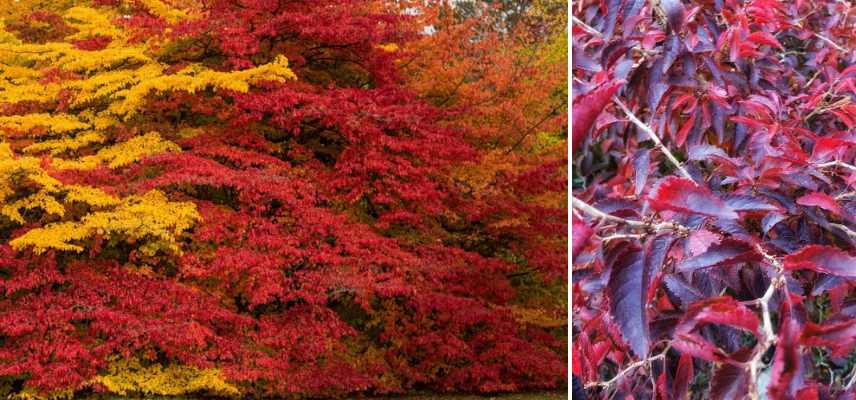
Parrotia persica, or Persian ironwood is a remarkable tree for its foliage that changes to fiery autumn colours, blending green, yellow, orange, crimson and purple. It forms a small, elegant, colourful tree, 5–10 m tall, with a habit broader than its height, that brightens the garden for much of the year. Its discreet flowering, similar to witch hazel, also surprises in spring when it appears in sprays of scarlet stamens directly on naked wood, as does its peeling bark that reveals itself in winter. This tree, native to northern Iran and eastern Caucasus, offers excellent hardiness (down to -29°C, USDA Hardiness Zone 5). Disease-free, it grows in full sun in any good, moist, well-drained soil, preferably slightly acidic to enhance its sumptuous autumn colours. Parrotia persica enhances the garden with its fiery foliage and provides an eye-catching focal point within a free-form hedge, a border bed of other shrubs with lovely autumn colours or simply as a specimen.
Here are our favourite Parrotia persica varieties, for small or large gardens, to grow in the ground or in a pot!

Parrotia persica
There is now only one species left in the genus Parrotia.
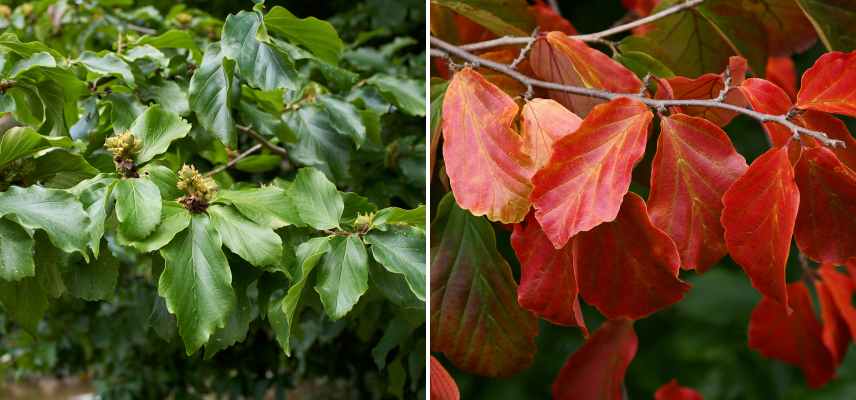
The Parrotia persica or Persian ironwood is the type species. In that sense, it embodies the essence of this unique tree in autumn. It forms a small deciduous tree with a stout trunk, sometimes multi-stemmed, not exceeding 8 m in height and 10 m in spread at maturity. In the garden, it will quickly become a focal point, especially as the years pass and its branches often bend down to touch the ground. It will be majestic as a solitary feature in a well-spaced open space or to shade a bed of heather soil. It provides a spellbinding spectacle throughout the four seasons. As befits a member of the Hamamelidaceae family, its flowering begins on the branches still bare. From the end of February to early March, just before the appearance of the leaves, the apetalous flowers gathered in bouquets of red stamens light up the branches. The summer foliage, bright green, turns to gold, orange, red and purple, colours may blend within a single leaf in autumn before falling. Magnificent when light filters through them, their colours are even more pronounced on acidic soils. Thereafter, its beautiful grey bark peels with age and will take over, colouring the garden during winter. In acidic soil, plant at its base heathers, azaleas, while Leucothoe will echo its livery with their bright winter foliage.
Parrotia persica ‘Bella®’
The Parrotia persica ‘Bella®’ stands out from the type species essentially by its less bulky silhouette, since its crown will not exceed 4.5 to 5 m in width at maturity. This ironwood, with its very dense and narrow habit, will more easily find a place in a medium-sized garden, in a free hedge of colourful bushes or at the back of a border. Very elegant, it displays purplish foliage in spring, following its discreet red flowering. The leaves are glossy, taking bronze tones on a light green background, then dark green along the margins, increasingly intense under the scorching rays of the summer sun. Then the foliage flames in autumn, adorning a nuanced wardrobe of green, orange, scarlet and purple.
In neutral to slightly calcareous, well-drained soil, pair it, for example, with Cotinus ‘Grace’, equally appealing with its crimson-red to intense purple foliage from spring to summer, turning to purplish-green in autumn.
Parrotia persica ‘Persian Spire®’
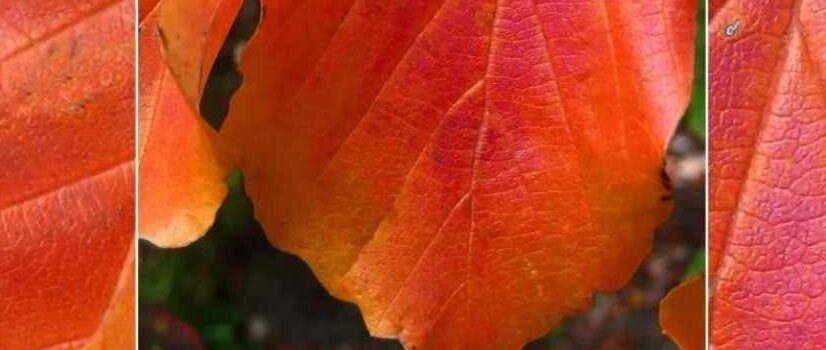
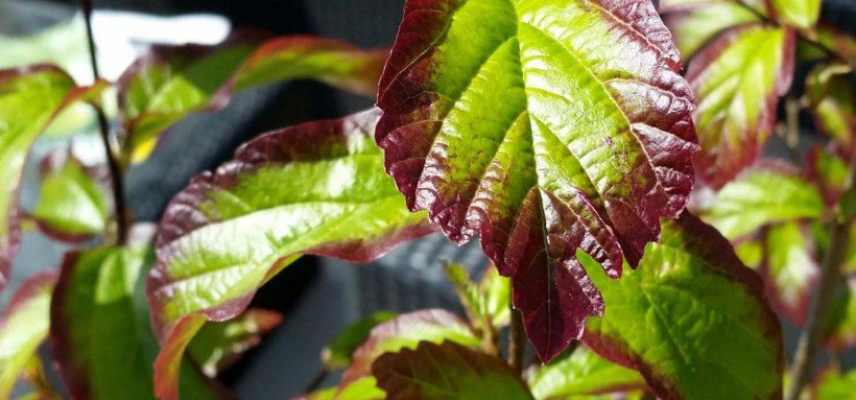
Slender and upright, this ironwood variety charms us with its compact habit. With growth slower than that of other cultivars, after 10 years of cultivation, the Parrotia persica ‘Persian Spire®’ will not exceed 2.50 m in height and 75 cm in width. Ultimately, it will form a small tree about 7 m tall with a maximum spread of around 3 m. This makes it a small specimen with a very compact habit, easy to grow in all small spaces, such as on a terrace or balcony, placed in a pot. This recent American introduction and bronze medal winner at Plantarium in 2015 inherited the dazzling garb of the parrotia-type: foliage that changes delightfully through the seasons. The leaves emerge purple, then turn green margined with violet in summer before taking fiery colours in autumn.
Read also
How to pair the Parrotia or Iron Tree?Parrotia persica 'Vanessa'
The ‘Vanessa’ variety also has a more compact habit than the type species, standing out with an almost columnar habit, a pure marvel in small gardens, in isolation, in a free-standing hedge or even in a pot on a sunny terrace. Once mature, this Parrotia will display rather modest dimensions, approximately 6.50 m tall with a 4 m spread. After the burst of its discreet but unusual spring flowering directly on the shoots, this fairly old Dutch horticultural cultivar offers a crown among the most remarkable. Its leaves marginate with red and purple hues before dropping.
To accompany it from spring to autumn, consider Sambucus nigra ‘Black Lace’, whose finely cut foliage in a near-black purple is a delight.
Sycoparrotia semidecidua 'Purple Haze'
From its two parents, this hybrid, the offspring of a Sycopsis sinensis and a Parrotia persica, has retained the best features! Less common in cultivation, the Sycoparrotia semidecidua ‘Purple Haze’ has the advantage of evergreen foliage, which sets it apart from other varieties.
This one, however, is just as variable, changing with the seasons. Dark red in spring, the leaves take on a dark green colour during summer, then turning purple and finally golden yellow in autumn. But the colour palette does not stop there, as the foliage turns violet hues in response to cold. It then delights us at the very start of spring when its flowers, gathered in bouquets, come to dot its crown. With a relatively small stature (4 m tall by 5 m wide at maturity), it will be splendid in a free-standing hedge, majestic as a specimen, or even in a shrubbery.
In neutral or slightly calcareous, well-drained soil, you can pair it with Cercidiphyllum japonicum ‘Rotfuchs’, a beautiful Katsura tree variety with foliage that is dark purple-black to purple-green late in the season.
- Subscribe!
- Contents
Comments