





























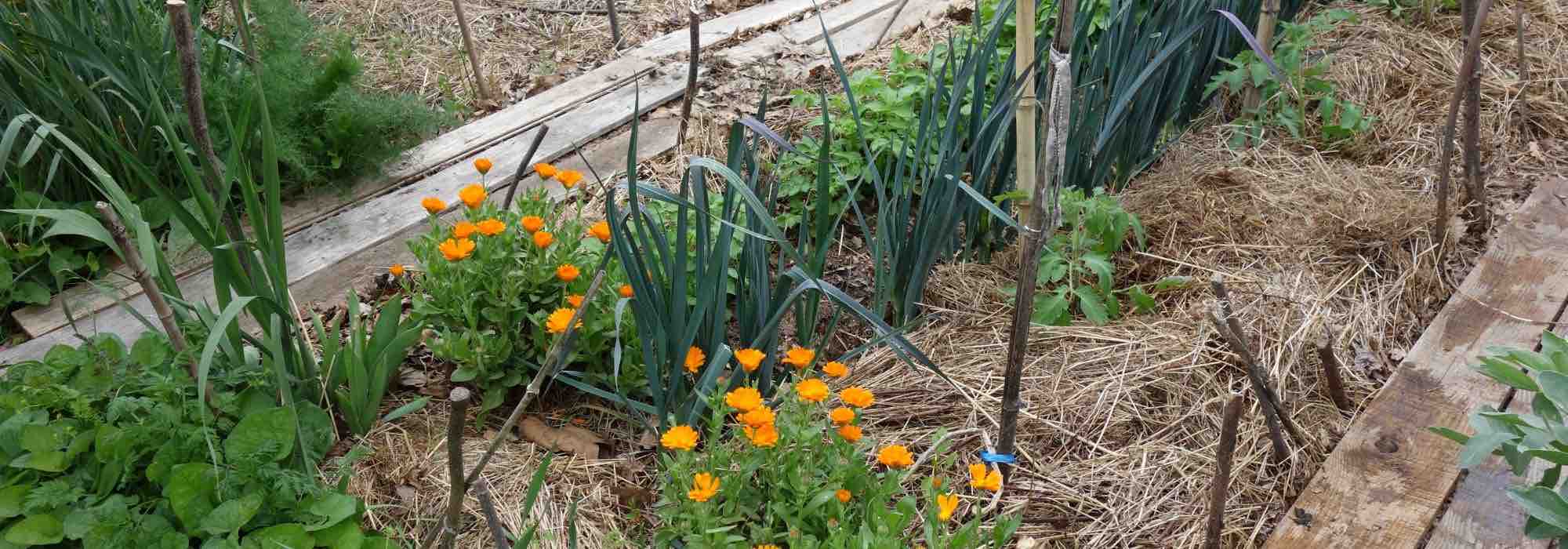
Permaculture: the principle of self-regulation
a natural regulation with little human intervention
Contents
Permaculture is a holistic approach to agriculture that emphasises sustainability and the resilience of agricultural ecosystems. One of the fundamental principles of permaculture is self-regulation, which involves creating agricultural systems that self-regulate naturally, without excessive human intervention. Self-regulation is a process that allows the elements of an ecosystem to adapt to one another, cooperate, adjust, and maintain a dynamic balance.
In this advice sheet, we will explore the principle of self-regulation in permaculture, its practical applications, and its benefits for sustainable agriculture, as well as for us in our own gardens.

Permaculture: a quick reminder
Permaculture is an approach to agriculture (in the broadest sense) that emphasises sustainability, biodiversity, and the regeneration of agricultural ecosystems. It is based on ethical principles, such as recognising the planet’s limits and the equitable sharing of resources. Permaculture aims to create agricultural systems that mimic natural ecosystems by using techniques such as raised bed gardening, crop rotation, water conservation, composting, and companion planting to enhance the growth and resilience of crops. Permaculture is more than just a method of food production: it is a holistic approach to life that encourages cooperation, solidarity, and autonomy, aiming to build sustainable and resilient communities.
The principle of self-regulation
The principle of self-regulation in permaculture involves creating agricultural systems that self-regulate naturally, without excessive human intervention. Self-regulation is a process that allows the various elements of an ecosystem to adapt to one another, cooperate, adjust, and maintain a dynamic balance. The goal is to enhance the resilience of the system, avoiding imbalances that could disrupt the growth and health of plants, animals, and other soil organisms.
In permaculture, this can be achieved by using techniques such as crop diversification, creating microclimates, conserving water, and managing natural resources in a regenerative manner. The principle of self-regulation thus aims to create agricultural systems that are in harmony with nature, rather than seeking to control nature by force or through artificial means.
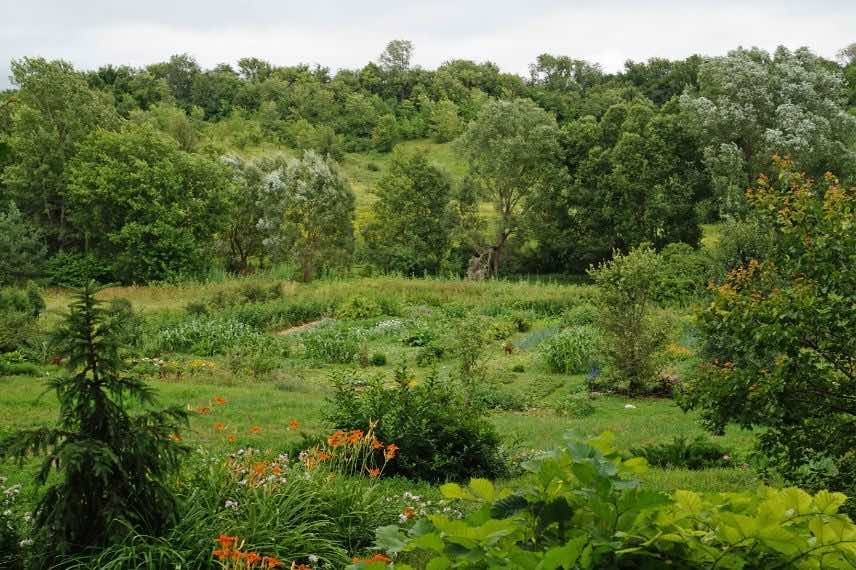
Diversifying crops: trees and bushes are essential alongside vegetable plantings and are considered as a whole, in harmony with nature
How can self-regulation be applied in the garden or in cultivation?
Here are some practical applications for creating a garden based on the principle of self-regulation in permaculture:
- Diversify crops: plant a variety of different plants in the garden, including vegetables, fruits, herbs, trees, and bushes. This encourages cooperation among plants, reduces diseases and pests, and maximises the use of soil resources.
- Create microclimates: use natural elements such as trees, hedges, stone walls, and ponds to create different microclimates in the garden. This allows for the cultivation of plants with varying needs for temperature, humidity, and light, and supports biodiversity.
- Encourage soil life: avoid ecocides, improve the soil by adding compost, practice crop rotation, mulching, mound gardening, and planting legumes (fabaceae such as beans, peas, clover, alfalfa…) to promote soil life. Soil organisms, such as earthworms, bacteria, and soil fungi, are essential for maintaining plant health and the ecosystem as a whole.
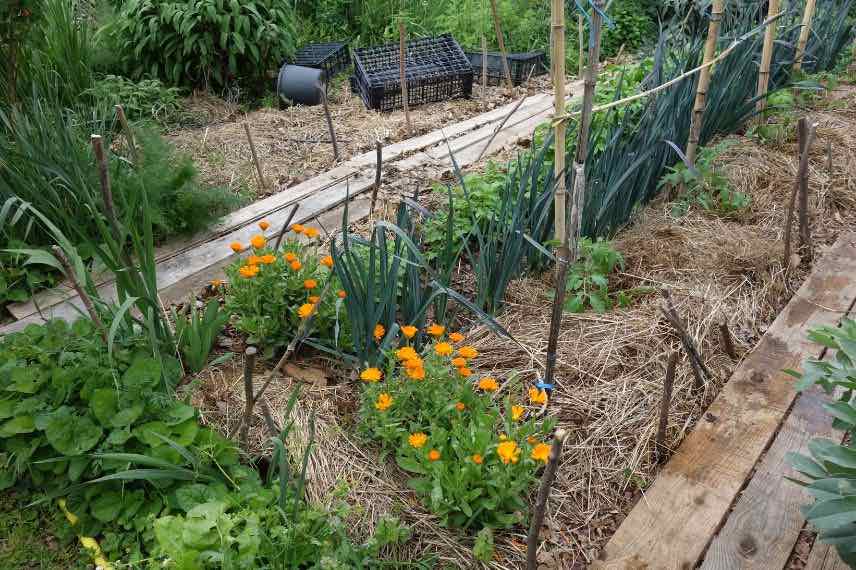
- Plant companion plants that complement each other, such as associated crops. For example, climbing beans can be planted with sweetcorn plants to support their growth, while mint can be planted with cabbages to repel harmful insects.
- Reduce water consumption: use water conservation techniques, such as drip irrigation, soil water retention, and rainwater harvesting. This reduces the amount of water needed to grow plants and minimises environmental impact.
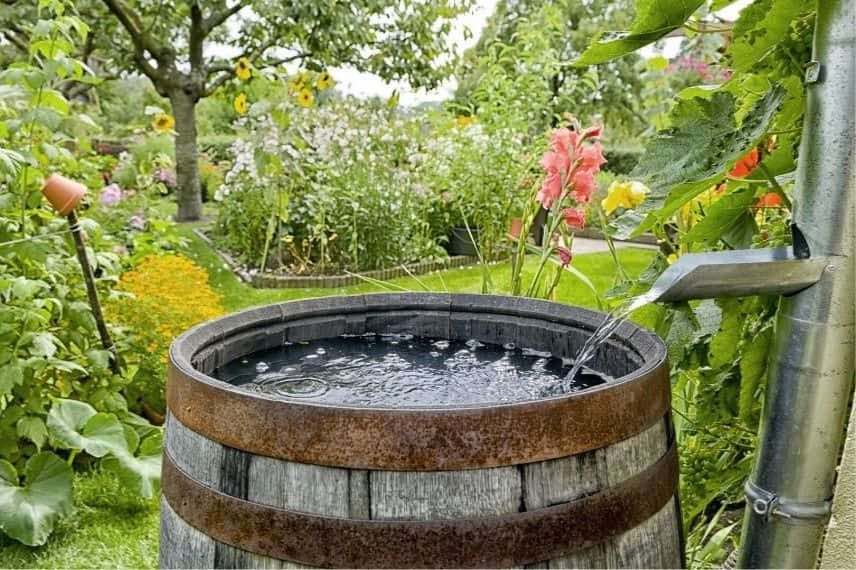
Of course, harvesting rainwater
- Manage natural resources regeneratively: use practices such as permaculture, organic cultivation, crop rotation, and composting to manage natural resources sustainably and regeneratively. This maximises garden productivity while preserving natural resources for future generations.
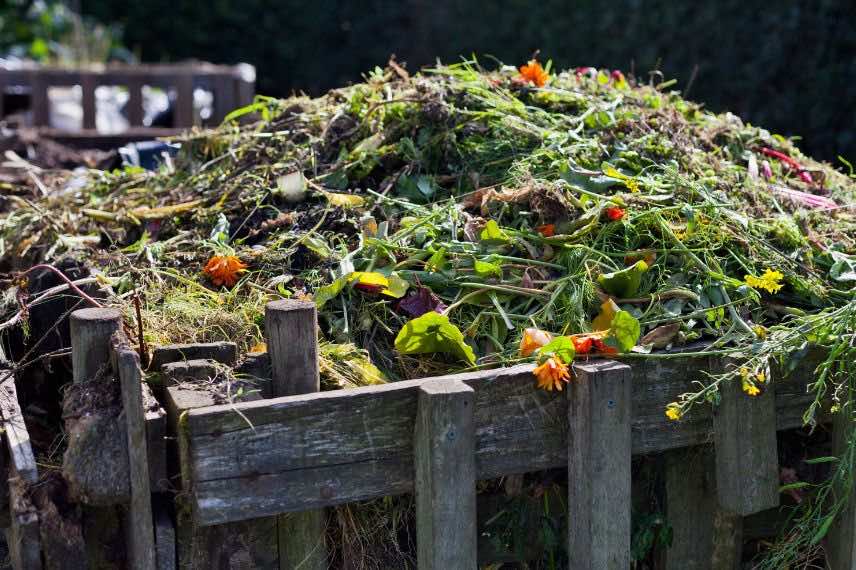
Compost is essential for the garden
Advantages and disadvantages of the self-regulation principle
Advantages
The application of the self-regulation principle in permaculture gardening offers several advantages, including:
- Sustainability: Self-regulating systems in permaculture are sustainable, as they are designed to function in harmony with the natural environment. Natural cultivation methods such as crop rotation, raised bed gardening, legume planting, and compost production help maintain soil health, reduce greenhouse gas emissions, and minimise waste.
- Resilience: A garden or crop where the self-regulation principle is applied can adapt to climate changes and environmental conditions. The diversity of crops and the creation of microclimates in the garden help minimise the risks of crop loss due to extreme weather events such as droughts or floods.
- Biodiversity: Self-regulating systems obviously promote biodiversity by encouraging the presence of a wide variety of organisms in the garden, such as pollinating insects, earthworms, and natural predators of pests. This helps maintain ecological balance and prevent the spread of diseases and pests.
- Productivity: This type of garden can be highly productive, as it optimises the use of available resources (water, plants, soil…). Plants are selected based on their ability to “cooperate” with one another, which can enhance both the quantity and quality of the yield.
- Autonomy: Finally, this principle allows gardeners to be more self-sufficient by providing them with tools and techniques to manage their own food production. Natural cultivation methods also help reduce costs and energy needs, which can be beneficial for gardeners with limited resources.
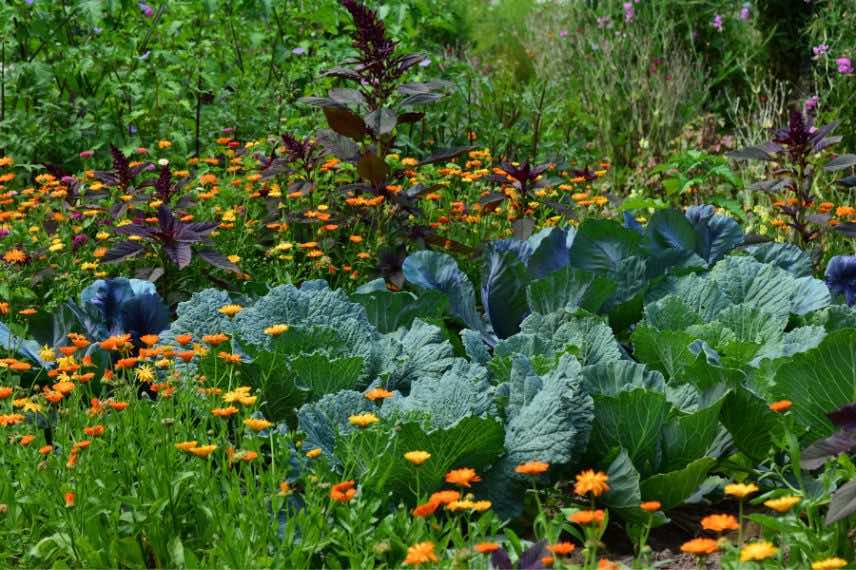
The principles of permaculture are generally synonymous with abundant harvests
Disadvantages
Although there are many advantages to applying the self-regulation principle in permaculture gardening, it is important to note that there can also be some disadvantages:
- Setup time: Establishing a self-regulating system in permaculture can take time and require initial investments, primarily in terms of time, effort, and resources.
- Adaptation: Self-regulating systems are tailored to their local environment, which means that techniques that work well in one garden may not work in another garden located in a different geographical area.
- Variable results: Production can vary from season to season depending on weather conditions and environmental factors, making it difficult to predict the quantity of harvest and yields.
- Growth management: As plants grow more naturally, it can be challenging to control their growth and development. This may require adjustments in management techniques, such as pruning fruit trees or removing overly invasive plants.
- Continuous learning: Applying the self-regulation principle in permaculture requires ongoing knowledge and understanding of the environment and its natural systems. However, this is not really a disadvantage, especially for those passionate about nature and gardening!
In summary: While applying the self-regulation principle in permaculture may present challenges, the long-term benefits in terms of sustainability, ecosystem health, and productivity can far outweigh the efforts required to establish such a system. Indeed, the application of the self-regulation principle can contribute to the creation of sustainable, resilient, biodiverse, productive, and self-sufficient gardens. So, what are we waiting for to get started!
- Subscribe!
- Contents
Comments