





























Pest-repellent plants to use as manure and decoction to protect crops
Our selection of plants to keep pests away from your crops
Contents
Manures and decoctions from plants are valuable allies for gardeners committed to organic gardening. These plant-based preparations offer effective alternatives to chemical products and pesticidal products harmful to the environment. These solutions that can be homemade or bought commercially have various benefits, including their ability to repel insects and pests that attack garden plants. They can take the form of manures made from maceration in cold water, which keeps well. These can also be infusions or decoctions, the latter enabling extraction by heat of the active constituents of the plants, but not lasting as long. Wormwood, lavender, ivy, lemon balm, nettle, horsetail, rhubarb, tomato … Discover our selection of plants with repellent properties and how to use them to deter pests from your plantings.

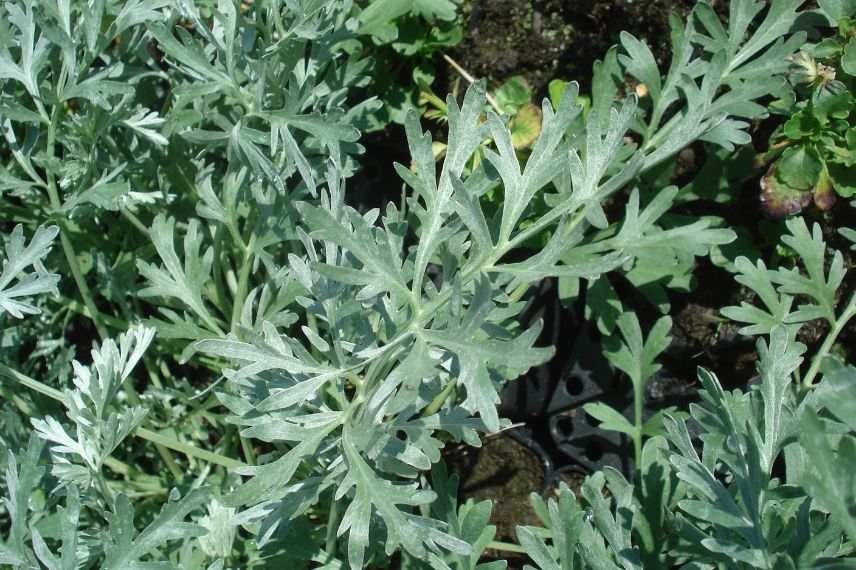
Wormwood against snails, slugs and insects
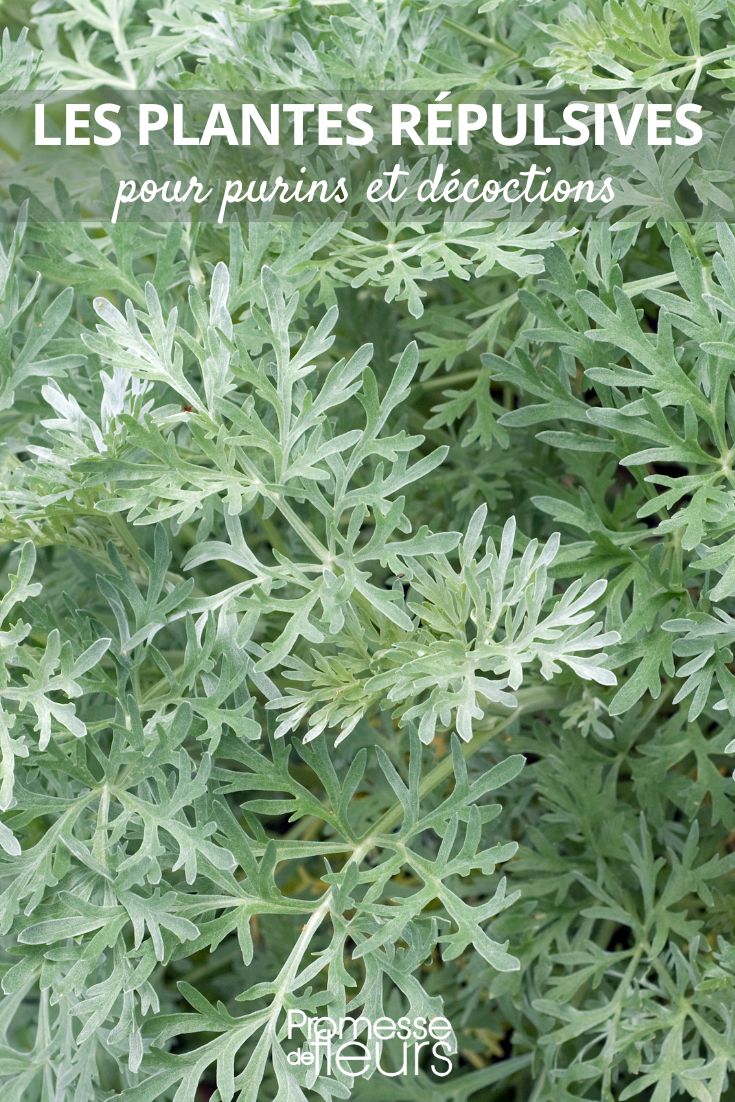
Absinthe, or Artemisia absinthium is a plant with repellent properties against snails, slugs, mites and insects. To repel these pests, use absinthe as manure.
Absinthe manure: Harvest 1 kg of fresh absinthe leaves and flowers and macerate them in 10 litres of water. Stir the manure daily for 10 days. Filter and dilute the manure to 10% for use as a spray against the cabbage whites and codling moths. You can spray the pure absinthe manure against aphids, flies, snails and slugs.
For further reading, see our tip sheet: “Wormwood manure“.
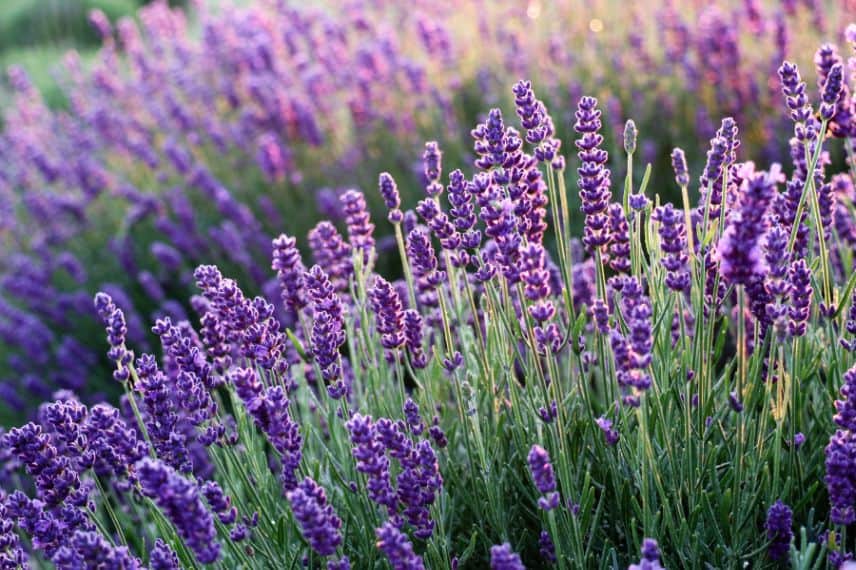
Lavender against scale insects, aphids and ants
Behind its heady, aromatic fragrances, lavender has another virtue: it helps repel insects. It can be used as manure or as a decoction.
Lavender manure: Use 1 kg of fresh leaves and flowers for 10 litres of water. After fermentation and filtering, dilute 2 litres of manure in 8 litres of water and spray as a preventative to repel aphids and ants.
Lavender infusion: Infuse 100 g of fresh leaves and flowers in 1 litre of water. Strain and spray on plants as a repellent against scale insects and aphids.
Find our tutorial: How to prepare lavender manure?
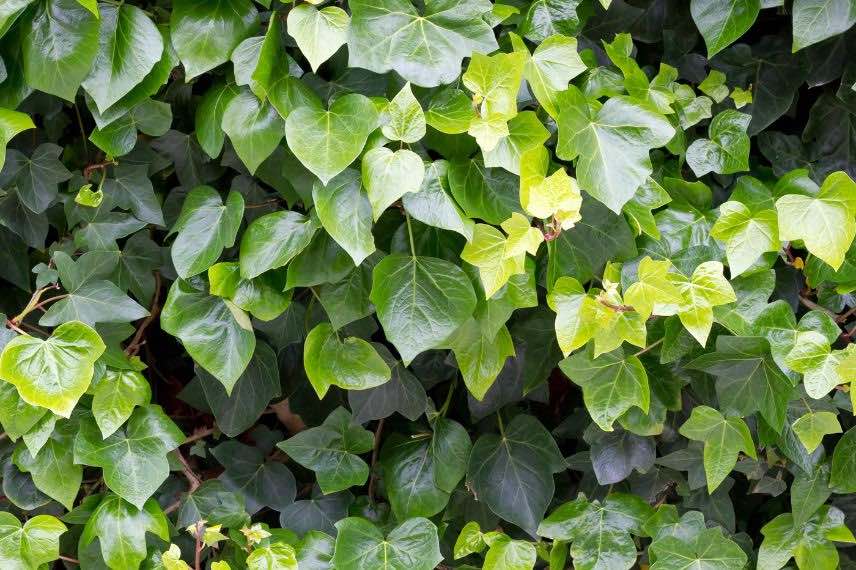
Ivy against mites and aphids
The ivy, or ivy, or Hedera helix contains an insecticidal substance called saponin. In the garden, ivy is used as manure.
Ivy manure: Finely chop the ivy and ferment it at a ratio of 1 kg of fresh leaves to 10 litres of water. Filter and draw off 250 ml of manure to mix with 5 litres of water. Spray onto mites and aphids.
Read also
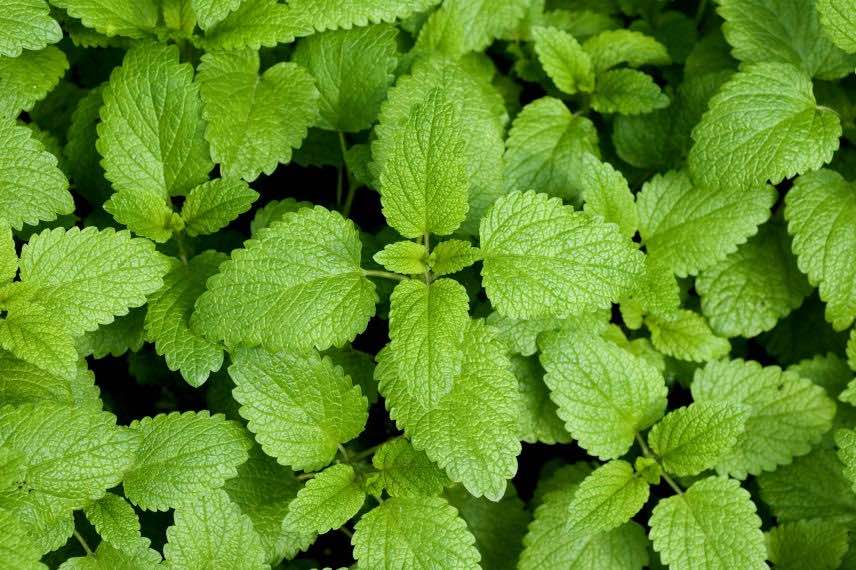
How to successfully grow comfrey?Lemon balm to repel insects
Lemon balm, or Melissa officinalis, known for its lemon aroma, is used to repel insects. An infusion to spray onto the plants is prepared.
Lemon balm infusion: Steep 100 g of fresh lemon balm in 1 litre of water. Strain and spray neat onto the plants to deter whiteflies, aphids, ants and other unwanted insects.
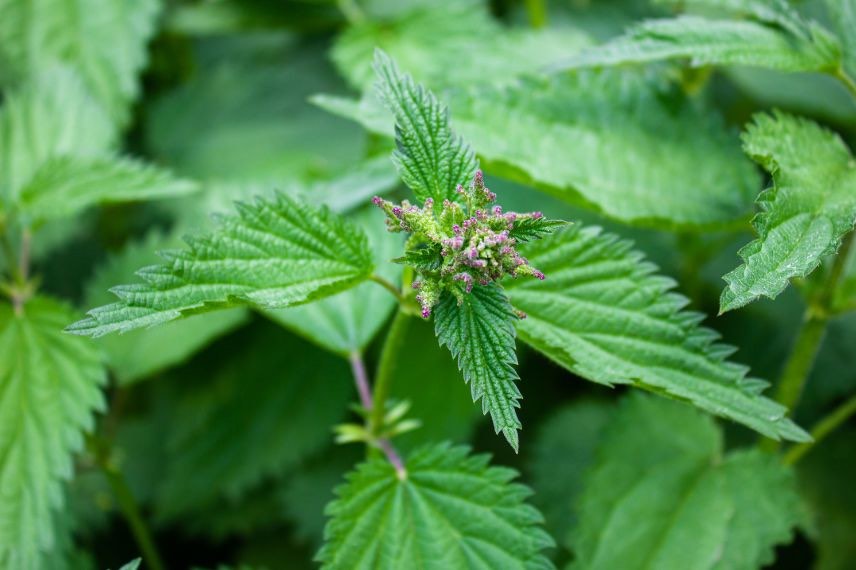
Nettle against aphids and mites
Nettle is a plant with stimulating properties but also repellent to insects, particularly aphids and mites. It can be used as manure, infusion and maceration.
Nettle manure : Soak 1 kg of fresh nettle in 10 litres of water. Stir the manure once a day for 10 minutes. When fermentation is complete (after 4 to about 10 days), filter and spray the plants with a 5% diluted solution. The manure can be stored for up to a year.
Nettle infusion : Infuse 100 g of chopped fresh nettle leaves in 1 litre of just-simmering water for a few minutes. Leave to stand and cool the liquid. After filtering, dilute to 10% and spray on the plants to be treated.
Nettle maceration : Soak 1 kg of fresh nettle leaves and stems in 10 litres of water for 24 hours, then filter. The solution can be sprayed undiluted onto the plants.
For more information, see our advice sheet: Nettle manure.
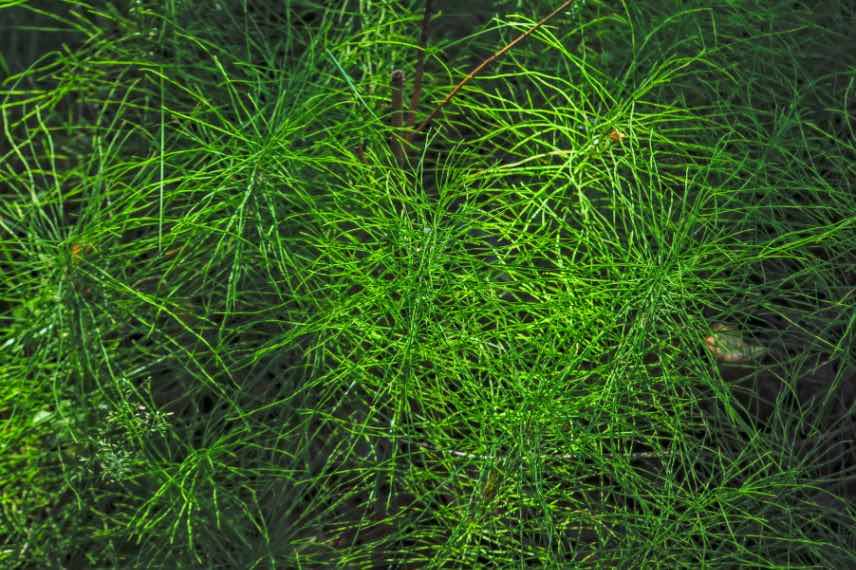
Horsetail, a natural insect repellent
Very well known for its manure with tonic properties, Horsetail can also be used as an insect repellent against aphids and mites. We use field horsetail (Equisetum arvense) or marsh horsetail (Equisetum palustre) to make the preparations.
Horsetail manure: Harvest 1 kg of fresh horsetail, chop it and macerate it in 10 litres of water. Once fermentation has finished, filter the solution and dilute it to 5% or 10% before spraying it onto the plants to be treated.
For further reading, consult our advice sheet: Horsetail manure.
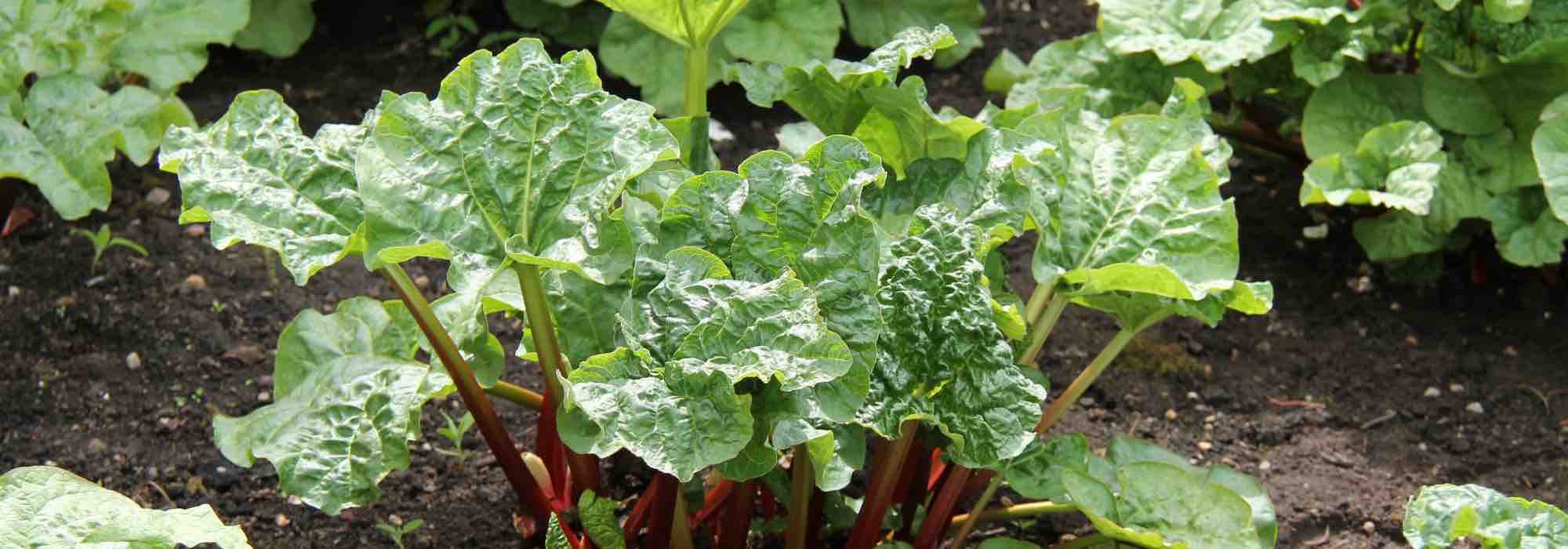
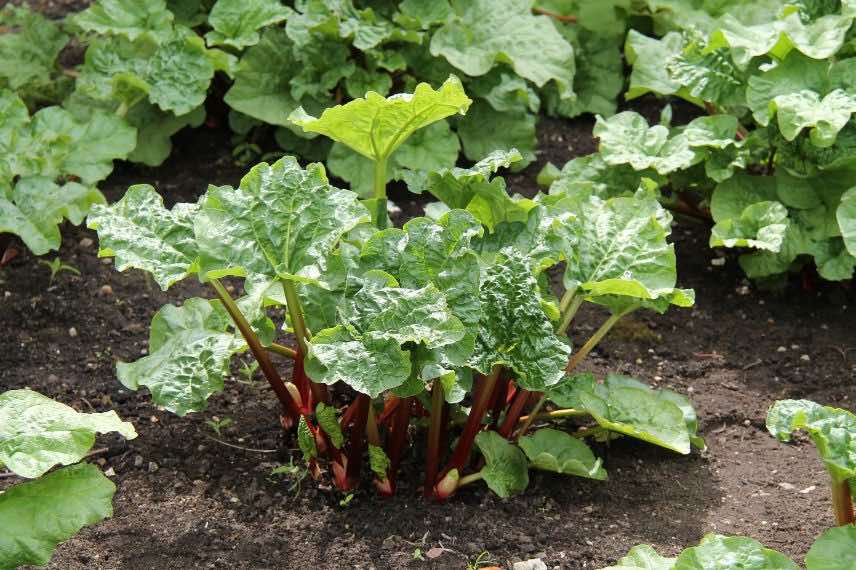
Rhubarb against aphids, carrot fly and leek moth.
Used in cooking, especially for jams, Rhubarb is also a pest-repellent plant. It is prepared as manure.
Rhubarb manure: Soak 1.5 kg of rhubarb leaves, chopped, in 10 litres of water. When fermentation has finished, filter the solution and spray it onto the plants. We use pure rhubarb manure against aphids, carrot fly and leek moth, and when diluted, at a rate of one part manure to five parts water against slugs.
For further reading, see our guide: “Rhubarb manure”.
Elder as a repellent against insects, moles, field mice and voles.
Le elder is a bush whose berries are used to make jams, and elder leaves are used as repellent manure for both insects and small pest animals such as moles, voles and field mice.
Elder leaf manure: Harvest 1 kg of fresh elder leaves and macerate them in 10 litres of water for two weeks. Stir the mixture once a day and cover with a cloth. When fermentation is complete, filter the solution and dilute 1 litre of manure in 10 litres of water. Spray onto plants as a preventive or curative treatment.
For further reading, see our tip sheet: Elder leaf manure.

Tomato against carrot fly and the cabbage white butterfly
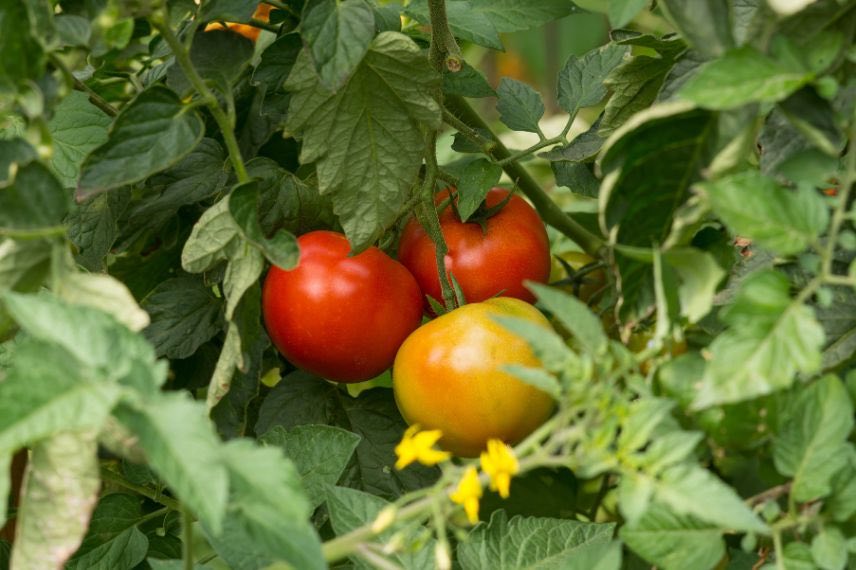
Tomatoes aren’t just for making sauces or salads. They are also the ingredient that enables you to prepare repellent manure to deter garden pests.
Tomato manure: Collect all the green parts of the tomato plants, namely the stems and shoots. Use 1 kg of shoots and stems per 10 litres of water in which you will steep them. After filtering, spray the manure directly onto the plants to repel insects, including carrot fly and cabbage white butterfly.
For further reading, see our tip sheet: Tomato manure.
But also...
Other plants have insect-repellent properties and deter pests. For example: Nasturtium to be used as an infusion against aphids, mint to be used as manure or an infusion against aphids and golden chafers, Rue also as manure or an infusion against flies and aphids on roses, Tagetes (African marigold) in an infusion against nematodes, aphids and caterpillars, and Tansy as manure or an infusion against flies, mites, whiteflies, sawflies and aphids.
Further Reading
Also read:
- Subscribe!
- Contents
Comments