





























Ponds: discover the secret power of oxygenating plants
How these plants transform your pond into an ecological paradise
Contents
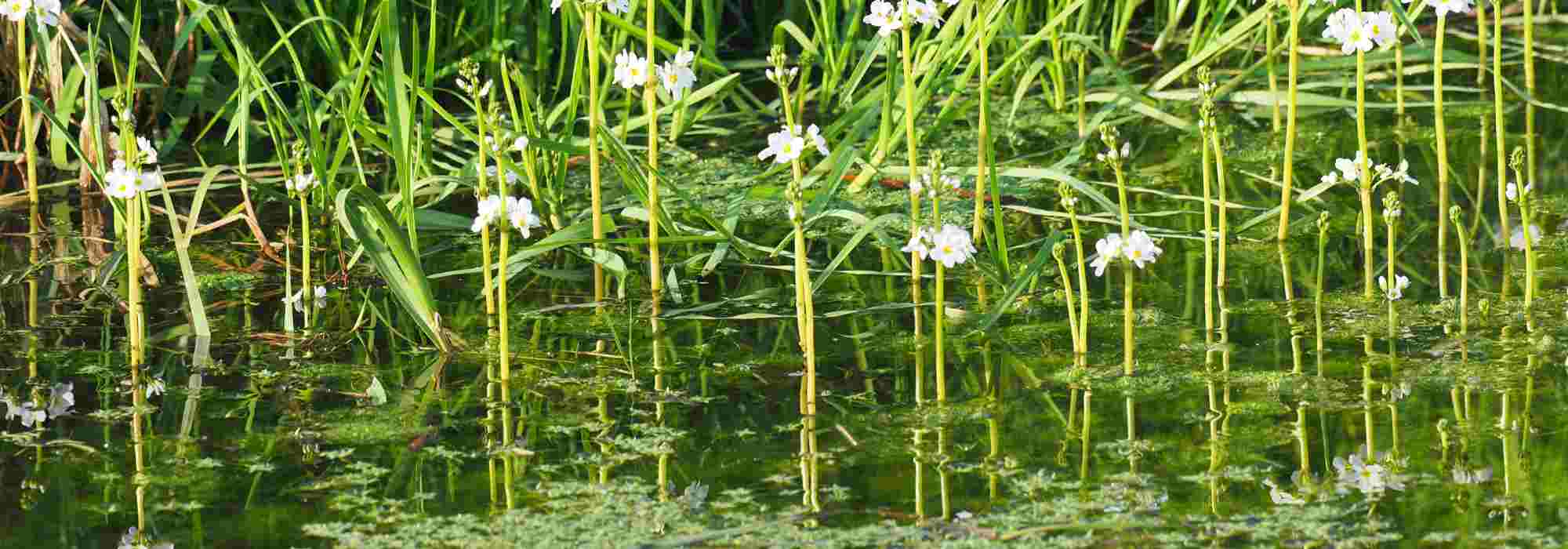
Oxygenating plants are far more than mere aquatic plants; they are the true underwater heroes of aquatic ecosystems. By absorbing excess nutrients and producing oxygen, they combat algal blooms and preserve the clarity of the water in your pond or basin. Their photosynthesis, performed underwater, is a silent spectacle that contributes to the vitality of the ecosystem. These plants also provide a refugium and a spawning zone for many aquatic species, thereby playing a key role in biodiversity. Enriching the habitat of fish, aquatic insects and other members of the aquatic fauna, they transform each basin or pond into a dynamic and healthy microcosm. Thus, understanding and integrating oxygenating plants into our water features is not only a matter of aesthetics, but a commitment to the health and balance of our precious aquatic ecosystems.
Definition and role of oxygenating plants
Some examples of oxygenating plant species
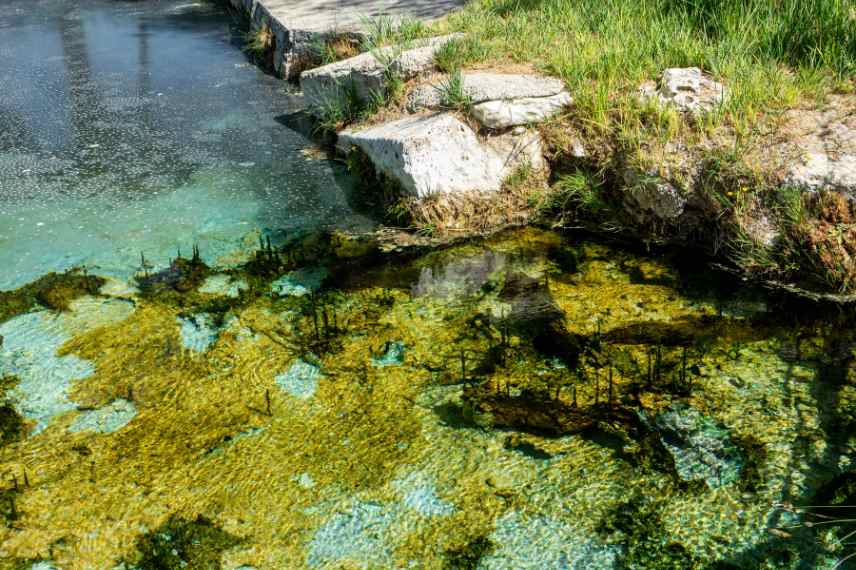
It would be cumbersome to list every oxygenating plant that can be grown in a pond, marsh or tub, but here are a few examples, among the best known:
- Spiked water-milfoil (Myriophyllum spicatum) : An effective plant for oxygenating water, but potentially invasive. It is characterised by finely dissected foliage and long floating stems, producing small white flowers in summer.
- Callitriche (Callitriche cophocarpa) : These plants develop small rosettes of leaves at the water surface and prefer a light current. They are more efficient at oxygen production and persist through winter, resuming growth in spring.
- Submerged hornwort (Ceratophyllum demersum) : An adaptable plant that can live across a wide range of temperatures and pH. It anchors to the bottom with rhizoids and requires regular trimming to control its rapid growth.
- Mare’s-tail (Hippuris vulgaris) : A decorative perennial, providing good shelter for wildlife. It assimilates excess nutrients such as nitrates and phosphates, thereby aiding water purification.
- Potamogeton (Potamogeton polygonifolius) : An effective and hardy species, preferring stagnant and acidic waters. It provides habitat for wildlife and reproduces easily in an asexual manner.
- Marsh hottonia (Hottonia palustris) : A plant of woodland marshes, endangered in its natural habitat. Its submerged leaves are finely dissected and its lilac flowers appear in spring.
- Floating buttercup (Ranunculus fluitans) : A perennial forming dense mats, suited to flowing waters. It flowers from May to August and requires management to prevent encroachment.
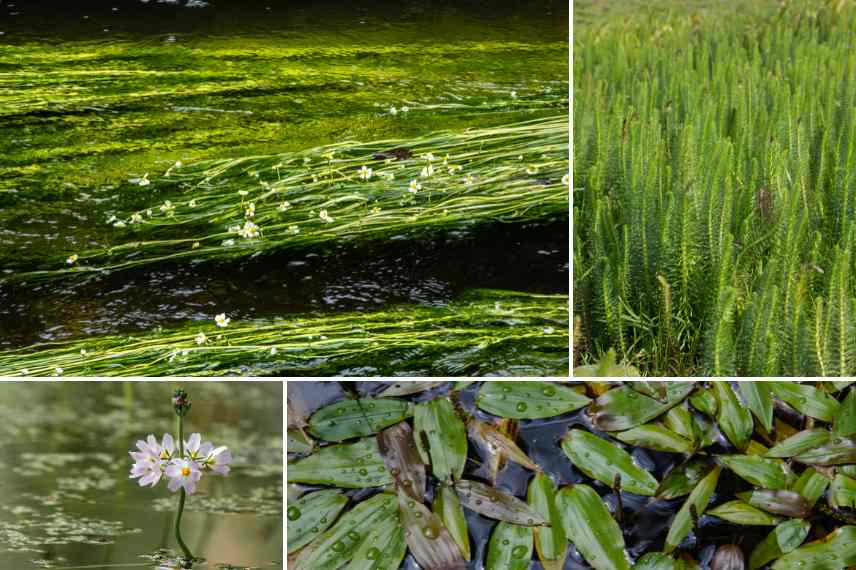
Ranunculus fluitans, Hippuris vulgaris, Hottonia palustris et Potamogeton polygonifolius
Choose oxygenating plants that are well suited to the climatic conditions of your region. The size of your pond or marsh determines the type and number of plants to introduce. In small water features, favour species with slower growth to avoid excessive crowding. In large ponds, you can opt for sturdier and larger species.
Please note : There is much talk about invasive alien species (IAS). Their study and appropriate management are often on a case-by-case basis, but it must be recognised that those that cause the most damage to natural habitats are aquatic or semi-aquatic invasive species. Fortunately, these plants are no longer available in the trade, so you are unlikely, in theory, to acquire one for your pond or basin. However, if you have any doubt, here is the list of IAS for France.
How to incorporate and maintain oxygenating plants?
The integration and maintenance of oxygenating plants in a pond or water feature require particular attention to several key factors to ensure their optimum growth and the balance of the aquatic ecosystem.
Site selection and growth conditions
- Water depth: The ideal depth varies by species. Some oxygenating plants prefer shallow water, while others thrive in deeper areas. It is important to research the specific needs of each plant to ensure healthy growth.
- Sun exposure: Most oxygenating plants require a good amount of light to perform photosynthesis effectively. A sunny location is generally preferable, but some species can tolerate or even prefer partial shade.
- Soil type: While many oxygenating plants are floating or do not require soil to root, some may benefit from a nutrient-rich substrate. An appropriate soil can support more vigorous growth.
Maintenance and control of growth
- Regular pruning: Oxygenating plants can grow rapidly and become invasive. It is important to manage them (pruning, removal) regularly to maintain balance in the pond and prevent them from depriving other plants of light and nutrients.
- Nutrient control: These plants absorb nutrients from the water, which helps limit algae growth. However, an excess of nutrients can encourage too-rapid growth of oxygenating plants. It may be necessary to monitor nutrient levels in the water.
- Monitoring plant health: Oxygenating plants can be susceptible to diseases or parasitic infestations. Regular monitoring allows early detection of these issues and swift remedial action.
- Species diversity: It is advisable to diversify the oxygenating plant species to ensure a constant supply of oxygen throughout the year and to maintain a diverse and resilient aquatic ecosystem.
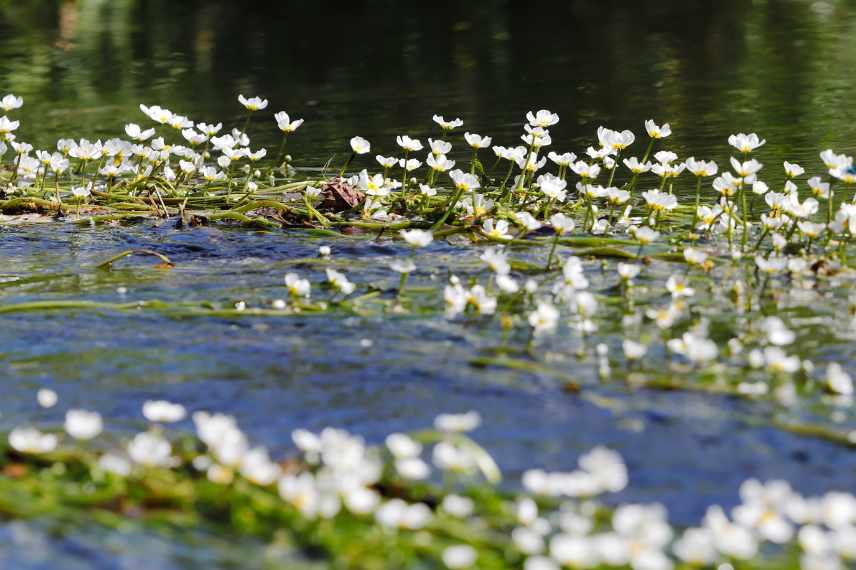
Floating ranunculus requires very regular control to prevent excessive proliferation
- Subscribe!
- Contents
Comments