





























Protecting Polygala from the Cold: Our Wintering Tips
How to protect Polygala from frost and cold?
Contents
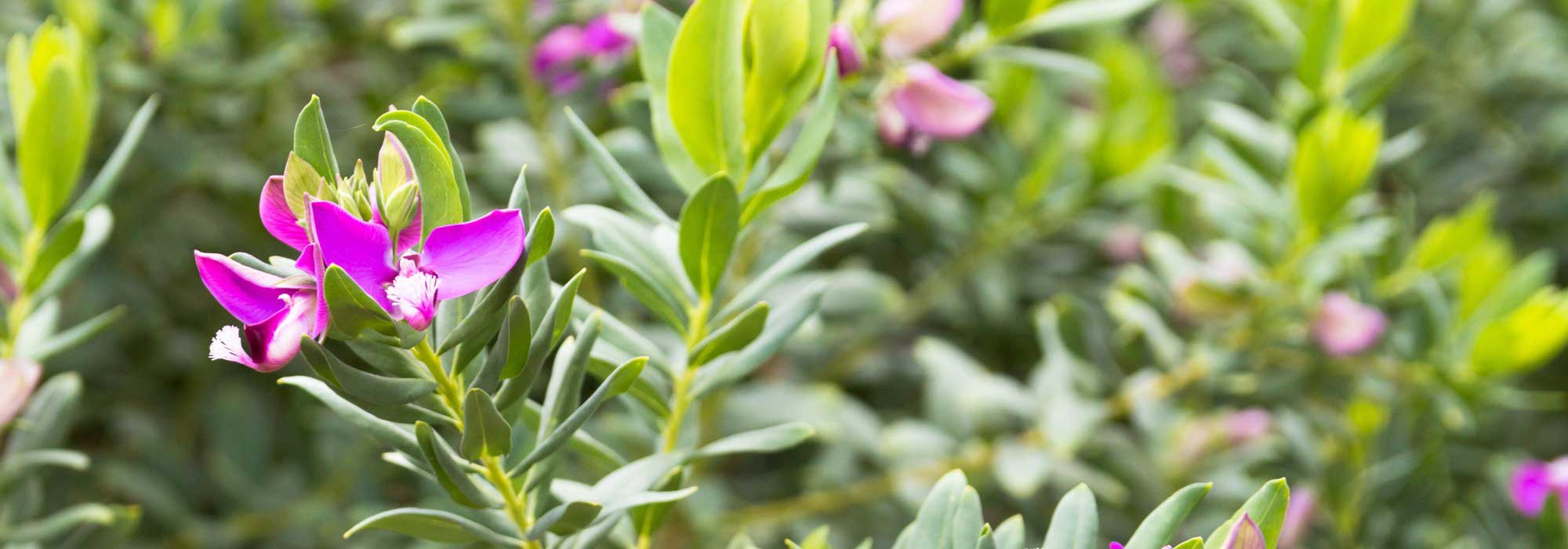
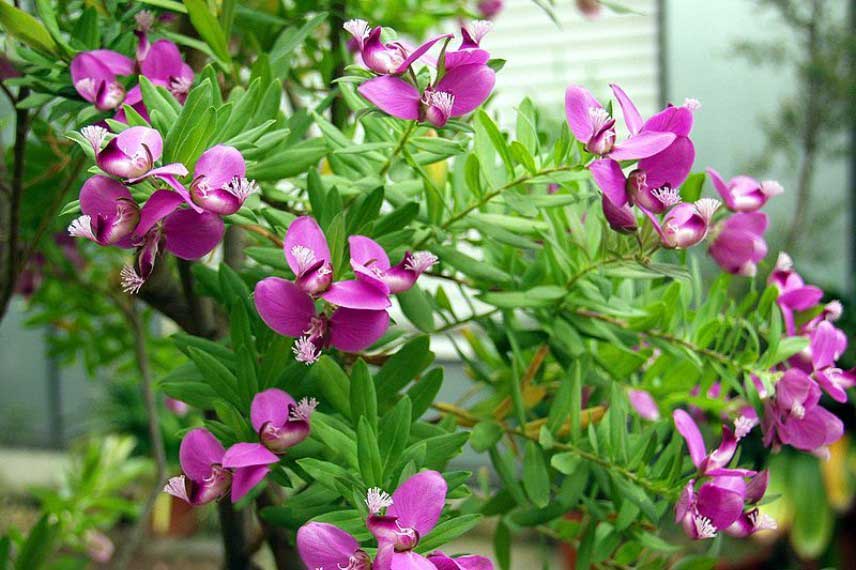
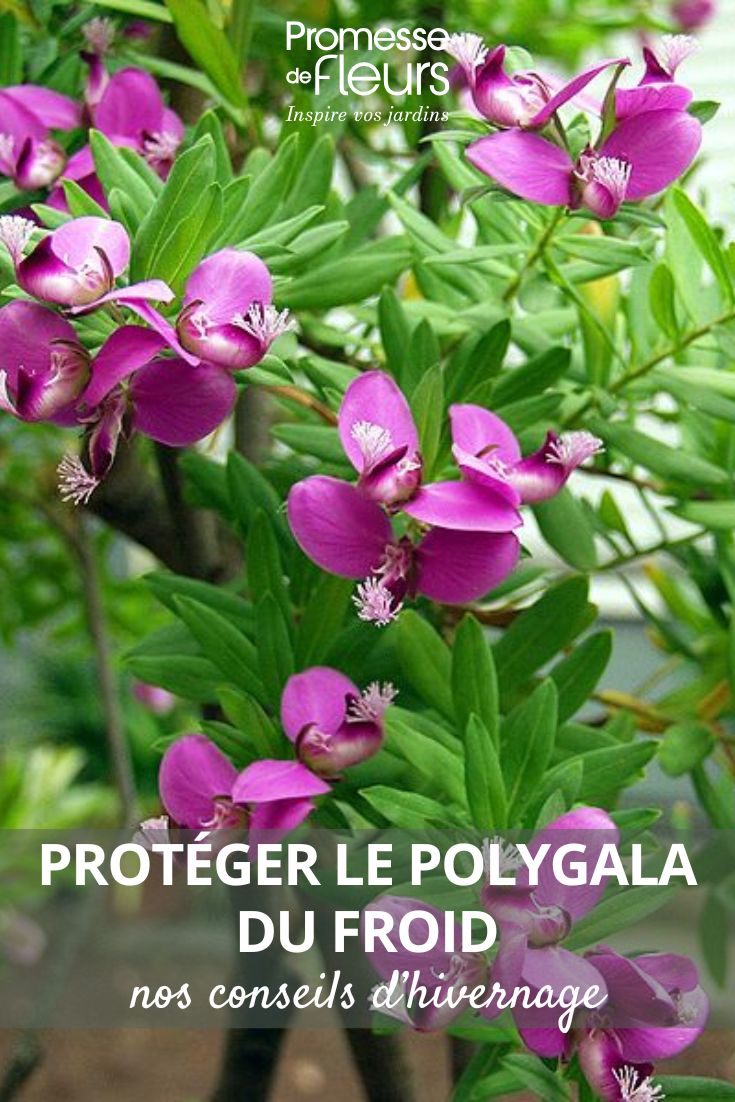
The Polygala myrtifolia, or myrtle-leaved polygala, is an evergreen bush native to South Africa. Its purple or mauve flowering, often uninterrupted from spring to autumn, makes it a highly valued subject in gardens and on terraces. Particularly suited to coastal gardens due to its tolerance to strong winds and soil and air salinity, it also fits well in small hedges, Mediterranean shrub borders, and rockeries. It prefers sunny or partially shaded locations and well-drained soils, even poor ones. Not very hardy, it begins to suffer at −2 °C and cannot withstand temperatures below −5 °C, hence the need to protect the Polygala in winter. The Polygala myrtifolia can certainly be grown in pots, and this is even a recommended solution in regions with cold winters, as it allows for easy relocation to a sheltered spot. Outside of mild Mediterranean or coastal climates, wintering the Polygala is essential to prevent exposing the Polygala’s roots to frost or cold. Let’s see how to protect the Polygala in winter, whether in the ground or in a pot!

Why protect Polygala in winter?
Polygala is a cold-sensitive plant, with its foliage and flowers suffering from the first frosts. Prolonged exposure to temperatures below −2 °C causes significant damage, and below −5 °C, the plant generally does not survive. In regions with harsh winters — northern, eastern, and central France, as well as high-altitude areas — winter protection for Polygala, even temporary, is essential to maintain its health and preserve its flowering.
When to protect Polygala from the cold?
As soon as night-time temperatures approach 0 °C, usually between late October and mid-November depending on the region, it is advisable to protect Polygala. In the ground, this may be limited to mulching in mild areas, but in colder regions or in pots, winter protection is essential.
How to protect Polygala in winter?
How to Protect Polygala in the Ground
In the ground, the aim is to protect both the roots and the branches of the bush.
- In mild winter regions: generously mulch the base (15 to 20 cm thick) with fallen leaves, straw, or wood chippings. Install fleece when frost is forecast.
- In cold regions: lightly cut back the stems to facilitate the application of protections. Apply a thick mulch (20 to 30 cm) at the base, then cover the plant with a securely fixed double fleece. If the cold is severe, add a protective structure filled with dry leaves to create an insulating layer.
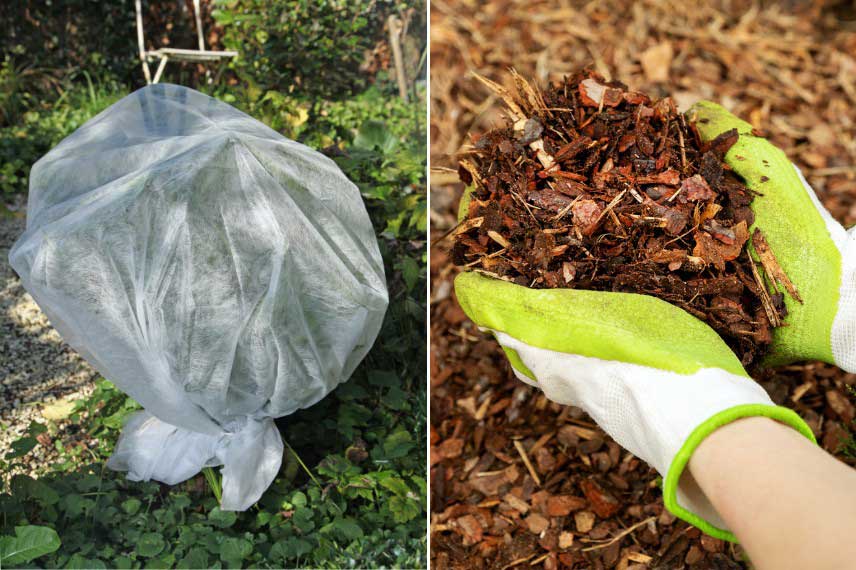 You can protect Polygala from the cold with fleece and a layer of mulch.
How to Protect Polygala in a Pot
In a pot, Polygala is more exposed to frost, as its roots are less protected by the soil.
- In cold or temperate climates: bring the pot indoors before frost into a bright, cool, frost-free location (5 to 10 °C) such as a conservatory, cold greenhouse, or winter garden. Reduce watering to keep the root ball slightly moist, and stop fertilising until spring.
- In Mediterranean or mild coastal climates: if temperatures rarely drop below −2 °C, you can leave the potted Polygala outside. To minimise risks:
- Place the pot against a south-facing wall, sheltered from cold winds;
- Surround the container with fleece or hessian to insulate the roots;
- Elevate the pot slightly to avoid direct contact with cold, damp soil;
- Prepare a protective cover to install urgently if a stronger frost is forecast.
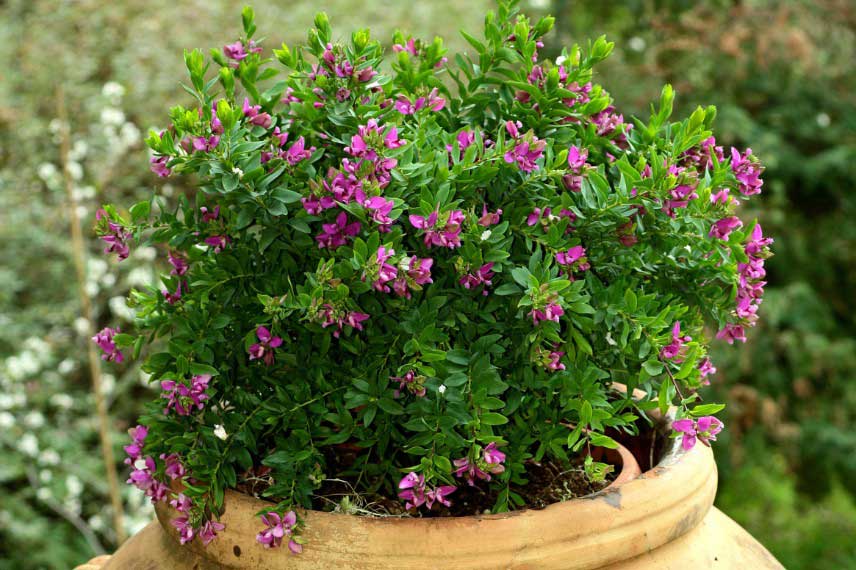 If you grow Polygala in a pot, you can bring it indoors for the winter.
Read also
How to pair Polygala?Emergence from Winter Dormancy of Polygala
When all risk of frost has passed, usually in April or May, gradually acclimatise the plant to avoid thermal shock.
- In the ground: remove the thick mulch, aerate the base, and lightly prune any damaged branches.
- In a pot: take it outside on mild days and gradually increase its exposure to sunlight. Resume regular watering and apply a suitable fertiliser for flowering bushes to encourage recovery. Placed in full sun in well-drained soil, Polygala will bloom abundantly until the following autumn.
- Subscribe!
- Contents
Comments