


Pyrophytic plants, these fascinating plants that adapt to fire
Discover the secrets of pyrophilous plants
Contents
Plants have sometimes strange qualities that verge on ingenuity. To survive, they must develop strategies that may seem surprising. This is the case for plants known as pyrophytes, often exposed to fire, and which have adapted to these difficult living conditions by resorting to different mediums. How do they manage to survive in this hostile medium that confronts them with fires? Some will implement strategies to protect themselves from the fire and resist it, others will, conversely, promote the fire or use it as a medium to better reproduce. Discover the pyrophytes, their unique characteristics, as well as the various species that can be encountered.

What is a pyrophyte?
Often little known, pyrophilous plants are plants capable of withstanding fire and even benefiting from it to reproduce. The term “pyrophilous” is formed from two Greek terms: “pyro” meaning “fire” and “phyte” meaning related to plants. Pyrophilous plants are therefore plants linked to fire. These plants and trees most often live in a medium conducive to fires, as in Mediterranean regions. Two categories of pyrophilous plants are distinguished: passive pyrophilous plants that resist fire and active pyrophilous plants that promote the spread of fires.
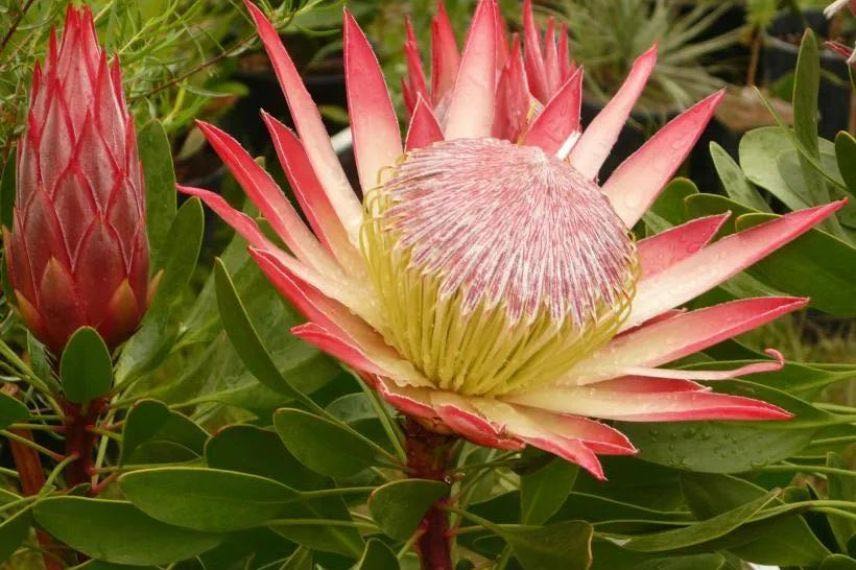
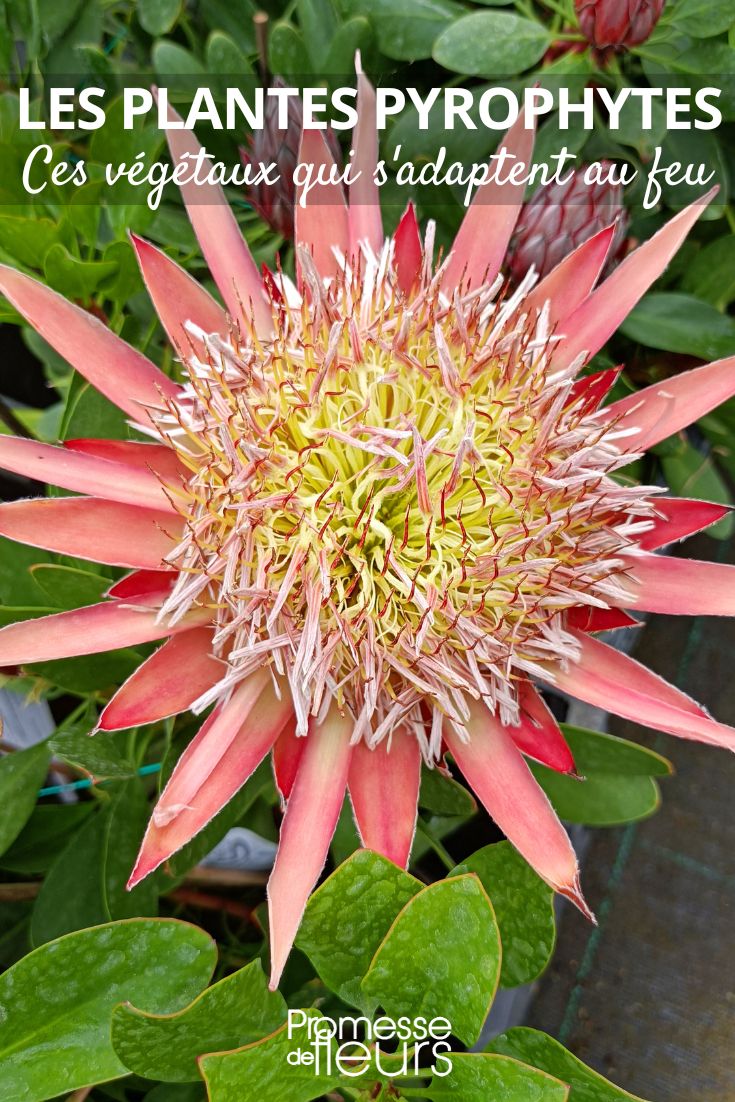
Protea needs fire to reproduce
Read also
12 ultra-hardy plants for the gardenWhat are the characteristics of a pyrophyte plant?
Passive pyrophytic plants have developed several ways to resist fire and protect themselves. The first of these is to have a very thick bark as protection. This helps to shelter the plant’s sap‑conducting vessels and dormant buds. After a fire, trees can regenerate their bark, without their vital organs having been destroyed. Another possible way to resist: to be water‑filled, like cacti and succulent plants which burn more slowly than dry wood. Some passive pyrophytic plants are also used by humans as a measure to prevent the spread of fires. Also in this category are trees with dense, hard‑to‑ignite wood, as it lets little air pass. These trees also have fine foliage and a cuticle that protects them. Finally, some plants have well‑developed root systems, which allows them not to perish entirely because of the fire. Once the above‑ground parts are burnt, their preserved roots can regenerate the plant quickly.
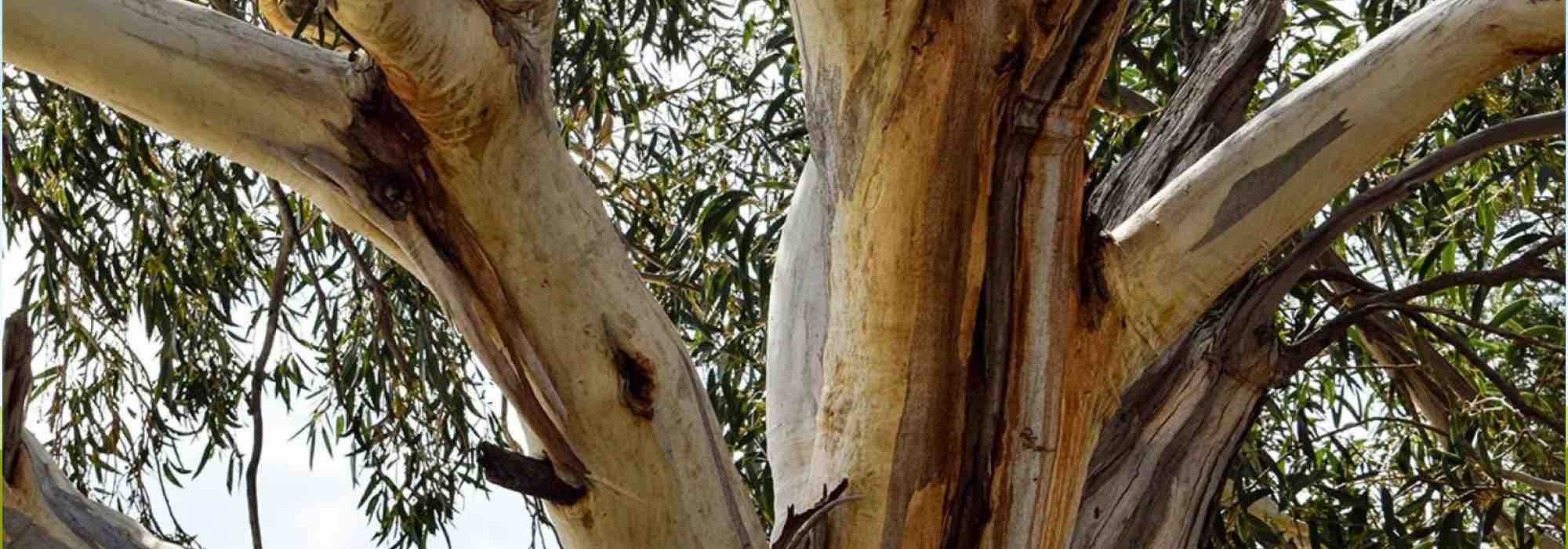
Active pyrophytic plants have developed, by contrast, a different adaptation strategy in the face of fire, as they promote the spread of the fire thanks to the flammable substances they contain in their tissues. This is the case, for example, with eucalyptus and pines. Fire allows them, in addition, to clear space around them and to rid them of competing plants on their territory. They can thus develop better and the ash left by fires can serve as fertiliser.
Another distinctive feature of some pyrophytic plants: they need fire to release their seeds, which they keep sheltered in a very hard fruit to reproduce. It is the intense heat that triggers the opening of the shells and the dispersal of the seeds. These seeds can germinate for a long time, as their development is triggered by a relatively rare event: fire.
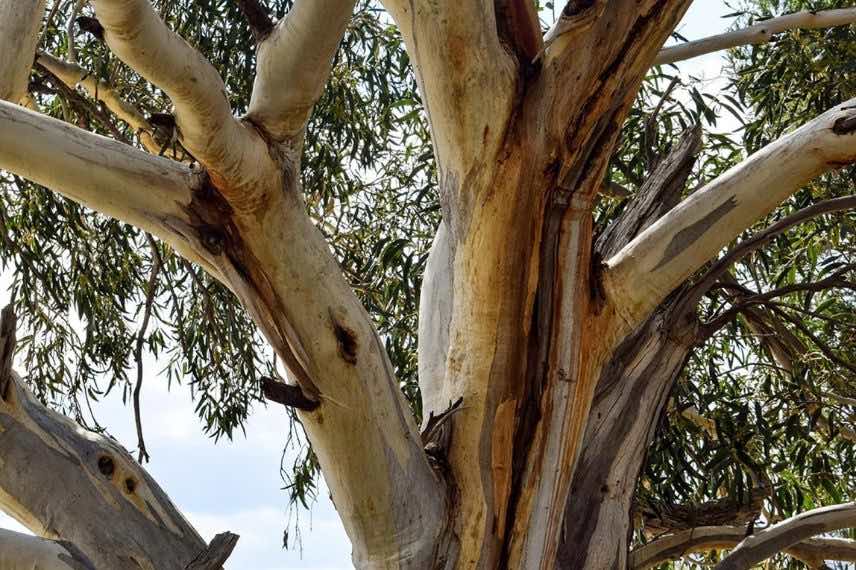
Eucalyptus has a great capacity to regenerate after a fire
Some pyrophyte species
- Giant sequoias, known for being among the world’s largest trees, are iconic examples of fire-adapted plants. They use fire to open their cones and disperse their seeds, a process essential to their reproduction.
- Banksia, with its impressive inflorescences and robust cones, is another remarkable fire-adapted species. Native to Australia, a continent frequently affected by bushfires, Banksia has evolved cones that open only in response to heat, thereby releasing its seeds into an ideal environment for their growth.
- In the Mediterranean, cork oak is adapted to survive fires thanks to its thick insulating bark. This bark not only protects the tree from flames but is also an excellent thermal insulator used by people against heat.
- Agave, cacti and succulent plants are also fire-adapted plants that resist fires thanks to the water stored in their tissues, which helps prevent them from burning quickly.
- Olive tree, almond tree and the yew are trees with dense wood and foliage coated with a cuticle, two additional protective features that help them withstand fire.
- The Austrian black pine, the Aleppo pine and the eucalyptus contain flammable substances that promote the spread of fire, allowing them to clear space around them. They also show a strong capacity to regenerate after a fire.
- Protea, a spectacular flowering plant from South Africa, needs fire to reproduce. Under heat, it releases its seeds and projects them far across the soil.
- Cistus have seeds whose germination rate is boosted by fire. Without fire, only 10% of seeds germinate, whereas with fire, 90% will germinate into a seedling.
- Callistemon has branches bearing clusters of woody capsules, which contain seeds well protected. During a fire, the fruit capsules open, releasing the seeds.
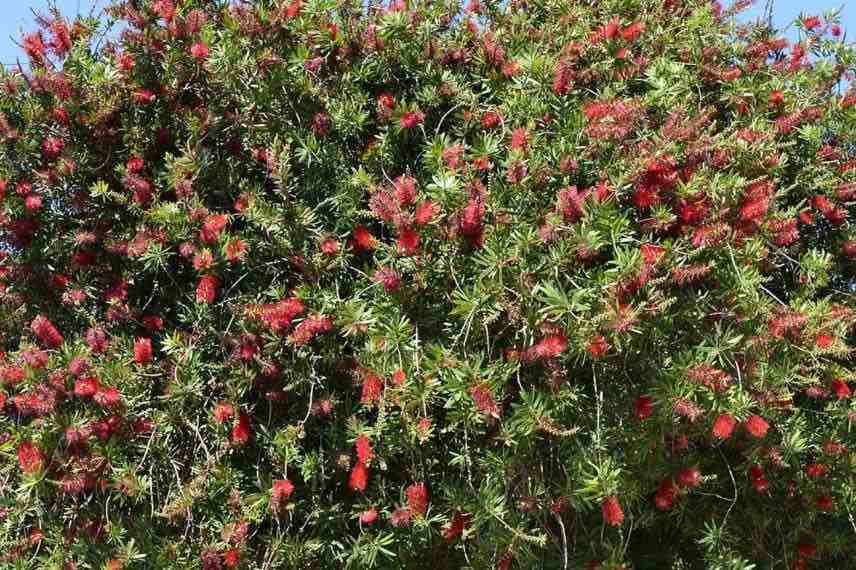
During a fire, the fruit capsules of Callistemon open, releasing the seeds.
- Subscribe!
- Contents
Comments