





























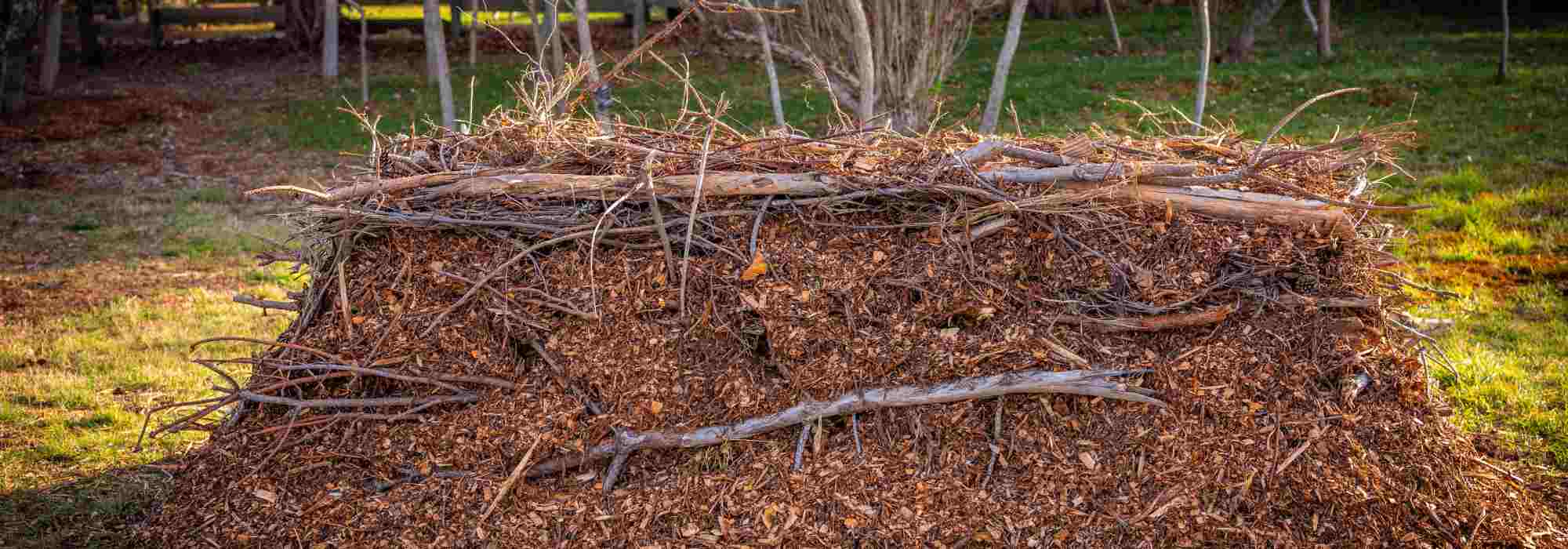
Raised-bed cultivation: why and how to practise it?
Optimise your vegetable garden!
Contents
Raised-bed gardening is an innovative gardening technique that is gaining popularity among permaculture enthusiasts and environmentally conscious gardeners. This method, which relies on layering different organic materials, offers many advantages, including better soil aeration, fertile soil, space optimisation and efficient water retention. In addition, it allows growing a variety of vegetables, fruits and other plants while respecting the principles of sustainability and biodiversity. But why adopt raised-bed gardening and how to put it into practice?
This guide walks you step by step through discovering and implementing this revolutionary gardening technique, ideal for a productive and nature-friendly vegetable garden.

Raised-bed gardening: what is it?
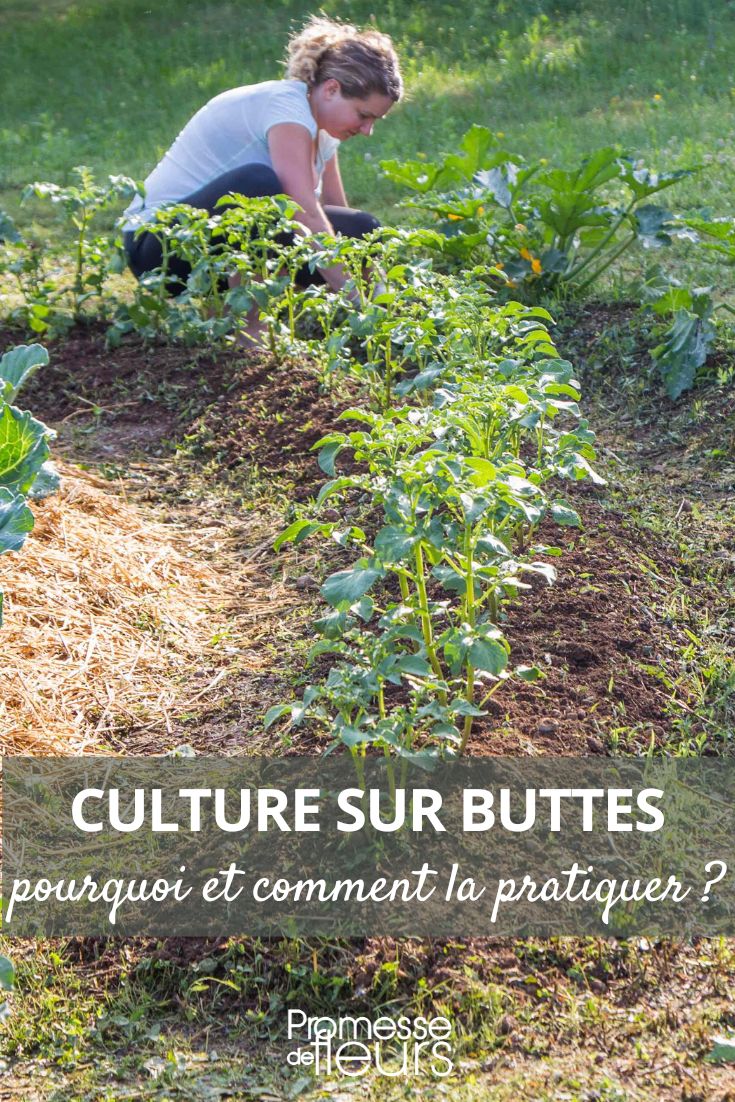
Mound culture is a gardening technique that involves growing plants on mounds of earth, rather than at ground level. This method offers several advantages, including better water drainage, increased cultivable area, and improved soil quality thanks to the decomposition of organic materials incorporated into the mound.
This method is one of the oldest agricultural techniques, long before permaculture was discussed. For example, here (to note that mounds are used worldwide), from antiquity to the Middle Ages, mound cultures were already present mainly in places with limited surface area, such as within fortifications, for example. Subsequently, this subsistence cultivation technique gradually fell into obscurity.*
In France, mound culture was popularised from the 1970s onwards, notably thanks to people such as Emilia Hazelip, a pioneer of permaculture. Sepp Holzer, an Austrian farmer, also contributed to popularising the concept of mound culture, known as “Hügelkultur” in German.
*There is relatively little information about mound culture throughout history. If a historian, an archaeologist or simply a history enthusiast can tell us more, please do not hesitate to share!
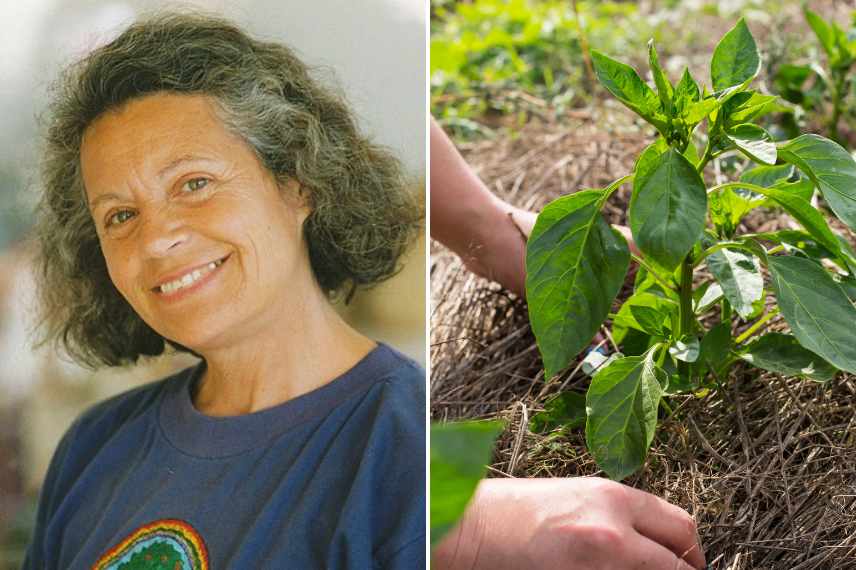
Emilia Hazelip, pioneer of mound culture in Europe. Wikimedia Commons photo ©Anna C. Satta
What are the advantages of growing on mounds?
Advantages
- Soil rebuilding: Cultivation on raised beds helps to rebuild soil, particularly in areas where the soil is poor or compacted.
- Soil height: A raised bed keeps the soil higher, making it easier for the gardener and reducing the need to bend over constantly.
- Soil warming: The raised-bed shape captures slanting sunlight more effectively, allowing the soil to warm more. This can extend the growing season and enable earlier germination in spring.
- Improved drainage: The elevated structure of the bed also promotes better drainage, preventing waterlogging and reducing the risk of root rot.
- Root development: Plant roots grow more freely in a raised bed as they have more space in well-aerated soil, promoting healthy growth.
- Expanded cultivable area: both sides of the bed can be planted with vegetables. Together, these two sides cover a larger area than a standard raised bed for the same footprint.
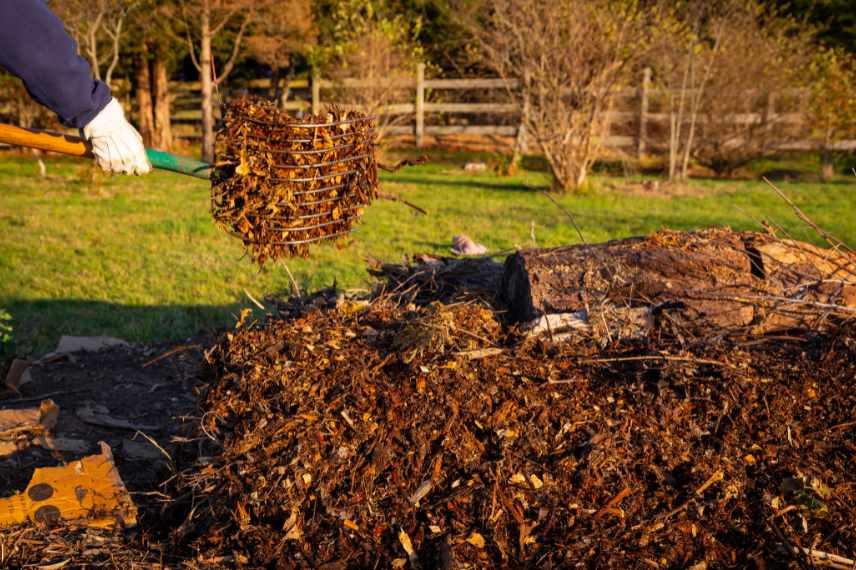
A raised-bed garden will benefit from enriched soil, where the soil was poor and not conducive to good harvests
Potential drawbacks
Setting up a raised bed requires a substantial amount of materials, such as soil, compost, straw… Even when digging the paths, these inputs are considerable. In addition, creating a raised bed requires physical labour to install.
And once the bed is established, it requires regular maintenance to ensure it remains productive and healthy. To maintain the fertility of a permanent bed, it is essential to apply regular amendments and to use covers to protect and nourish the soil.
A raised bed can, in some cases, dry out more quickly compared with a traditional flat and well-mulched vegetable garden. Indeed, the elevated structure of a bed makes it more exposed to wind and increases the surface exposed to sunlight, which can lead to faster evaporation of water. Add to that the fact that good drainage of your bed’s soil is beneficial to prevent water stagnation, but also means it can dry out faster, especially in summer. However, some organic elements within the bed help retain water, acting like sponges: wood (branches, logs…) and compost. If your bed dries out too quickly, it’s probably that these elements are missing or present in too small quantities.
Raised beds can also attract rodents, slugs and snails.
The main types of raised beds in permaculture
In permaculture and organic farming, there are several types of beds designed to meet different needs and conditions. Here are the main types of beds in permaculture:
- Lasagne beds: This technique involves layering different layers of organic matter, such as compost, straw, hay, and other green waste. These layers gradually decompose, enriching the soil with nutrients.
- Sandwich bed: It is generally created by digging a trench and inserting a mixture of green and dry organic matter. This technique is similar to the lasagne bed, but the “sandwich” bed typically alternates layers of soil and organic matter, whereas the “lasagne” bed stacks several layers of different organic materials.
- Hügelkultur: This German technique involves burying logs and other large organic debris beneath a layer of soil. Over time, the wood decomposes, retaining moisture and releasing nutrients to feed the plants. Philip Forrer (Jardin du Graal), a well-known French permaculturist, uses this technique, but… in his own way. He starts by digging a trench, then places tree trunks in it (yes, quite literally!). The space is then filled with humus, which may include pine needles, compost and other organic matter.
- Bio-intensive vegetable beds: These beds are designed for intensive vegetable production under organic farming, using specific techniques to maximise production on a small area. A bio-intensive bed is obtained by double-digging the soil to a depth of around 50 cm. This helps aerate the soil deeply and facilitates rooting of the cultivated plants. It is essential not to mix the different soil horizons. This helps preserve the natural soil structure and optimise plant growth. The permanent boards are, in fact, raised earth beds about 10 to 15 centimetres above the ground.
- Classic rounded earth beds: These are traditional beds, rounded in shape, often used for their aesthetics and ease of access. They are formed only with soil recovered from digging the paths. This method allows the bed to be created without the need to bring in additional soil. The rounded shape of the bed provides better sun exposure, better soil aeration and easier drainage.
The first three beds cited are called “self-fertile beds”, as the nutrients are present from the start and gradually diffuse towards the roots of the plants as the organic matter decomposes. The beds whose starting material is logs, or even trunks, are sometimes called “forest beds”. The last two bed types are simply classified among “earth beds”.
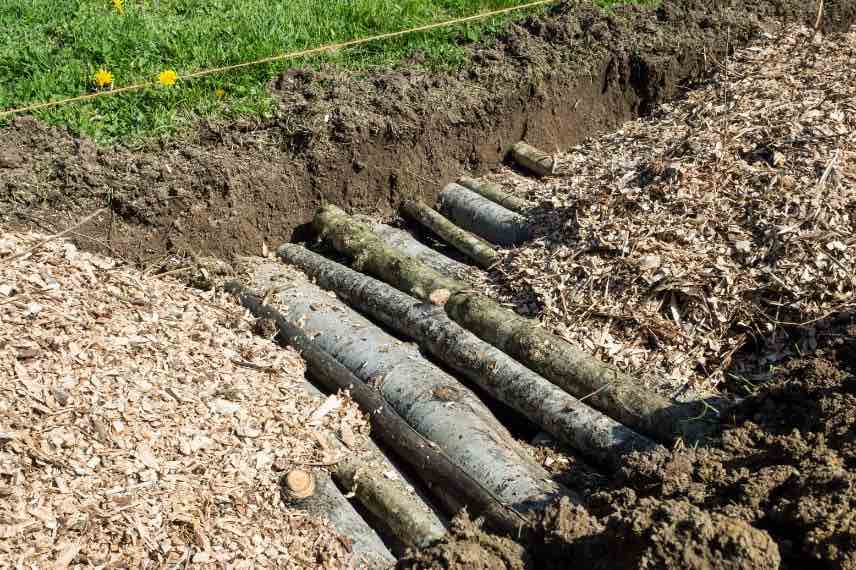
The German technique involves lining the soil with logs and branches before creating the earth mound
Where should you place raised beds? What factors should be taken into account?
In this tip sheet, we’ll mainly cover lasagne beds, or classic layered beds. If you’re considering creating a lasagne bed, here are a few factors to consider for its location:
- Sun exposure : As with any vegetable plot, it is essential to choose a location that is reasonably well exposed to the sun. Most vegetables need at least 6 to 8 hours of direct sunlight per day to grow well. However, some vegetables like spinach, Swiss chard, cabbages, peas… prefer partial shade. Moreover, the sun in southern France can prove troublesome for some crops in summer. In short, think carefully about the location! The sun exposure of the vegetable plot is a more complex issue than it seems at first glance.
- Access to water : Even though lasagne beds retain moisture well, it’s essential to have easy access to a water source for watering.
- Protection from the wind : If possible, choose a site sheltered from strong winds that can dry out the bed and damage the plants.
- Size and shape : Think about the size and shape of your lasagne bed. Make sure you have enough space to create it while leaving room to move around.
- Proximity to other crops : If you have other growing areas, consider crop rotation and how the lasagne bed will fit into your overall gardening plan.
- Materials available : Ensure you have access to enough organic matter to create the different layers of the bed. This may include compost, straw, hay, dead leaves, etc.
In summary, the placement and creation of a lasagne bed require careful planning to ensure it is well located and benefits from the best possible conditions for optimal plant growth. It is one of many considerations when designing your garden.
For reference, permaculture design is a systemic approach to designing human and agricultural systems that mimic the relationships observed in natural ecosystems. Permaculture design uses the concept of zoning to place the different elements (such as plants, animals and structures) optimally according to frequency of use and energy needs. But rather than separating the elements, permaculture design seeks to integrate them so that they support each other. Before designing a system, it is therefore essential to observe and interact with the environment to understand its particularities and needs.
When should you build a raised bed?
Building a lasagne bed can be undertaken at different times of the year, but the most favourable period is late winter or early spring. At this time, the bed will not yet be mature by spring plantings, but it will benefit from still being warm, which promotes the breakdown of organic matter and prepares the soil for the crops to come.
How to make a lasagne bed for a vegetable garden?
Building a lasagne bed for vegetables is a permaculture technique that involves layering different layers of organic matter to enrich the soil. Here’s how to form a lasagne bed:
- Base layer : you can start with a layer of brown cardboard, ink-free and plastic-free. Cardboard is an excellent material for preparing soil as it smothers weeds and gradually decomposes to feed the soil. It’s an effective technique, however cardboard tends in the first months to create a waterproof layer for soil life. To avoid this, you can also start with a thick layer of straw or fallen leaves, more friendly to soil fauna. Here’s an article on using cardboard in the garden.
- Green and dry materials : alternate layers of green materials (such as lawn clippings, kitchen waste) and dry materials (such as straw, hay or fallen leaves).
- Compost or potting soil : add a layer of compost or potting soil to provide essential nutrients to the plants, immediately available (the rest will come later as the organic matter decomposes).
- Repetition : continue to layer the layers, like a lasagne, until the bed reaches the desired height, around 40 cm (but it can be higher if you have plenty of material). It is worth noting that the height of the bed may decrease over time as the organic matter decomposes.
- Top layer : finish with a layer of compost or potting soil to host crops, whether seedlings or transplants. And of course a thick mulch layer of hay, straw, fallen leaves, RCW (ramial chipped wood)… Read on the topic: what mulch for the vegetable garden?
- Watering : water the bed generously to settle the layers and start the decomposition process.
- Planting : Once the bed is prepared, you can plant your vegetables or other plants directly into the top layer of compost or potting soil.
Oli’s tip: you can sow directly or plant young vegetables. However, some gardeners prefer to sow in pots before transplanting the young plants into the bed, especially for vegetables with more delicate seeds (lettuce, carrots, etc.) or that require specific germination conditions. In general, larger seeds (squash, courgettes, peas, beans, maize, Swiss chard) do quite well, but small seeds may germinate less reliably directly in the bed. Do not hesitate to run your own tests: one bed isn’t the same as another.
Important! The lasagne gardening principle isn’t limited to bed creation. You can apply the principle to a very shallow bed (few layers) or in a vegetable container. To learn more about lasagne gardening, follow Virginie’s best advice. Read Virginie’s tips for lasagne gardening.
Are raised beds limited to growing vegetables?
No, raised beds are not solely limited to growing vegetables. Although vegetables are commonly grown on raised beds, particularly in the context of permaculture, other types of plants can also be grown on raised beds: small fruit crops such as strawberry plants, but also some shrubs (redcurrant bushes, blackcurrant bushes…), annual flowers (and why not native flora for biodiversity) , aromatic herbs (which will appreciate heat and drainage) and of course green manures (phacelia, mustard, lucerne…) between two crops. The only limit is the size of the raised bed.
- Subscribe!
- Contents
Comments