





























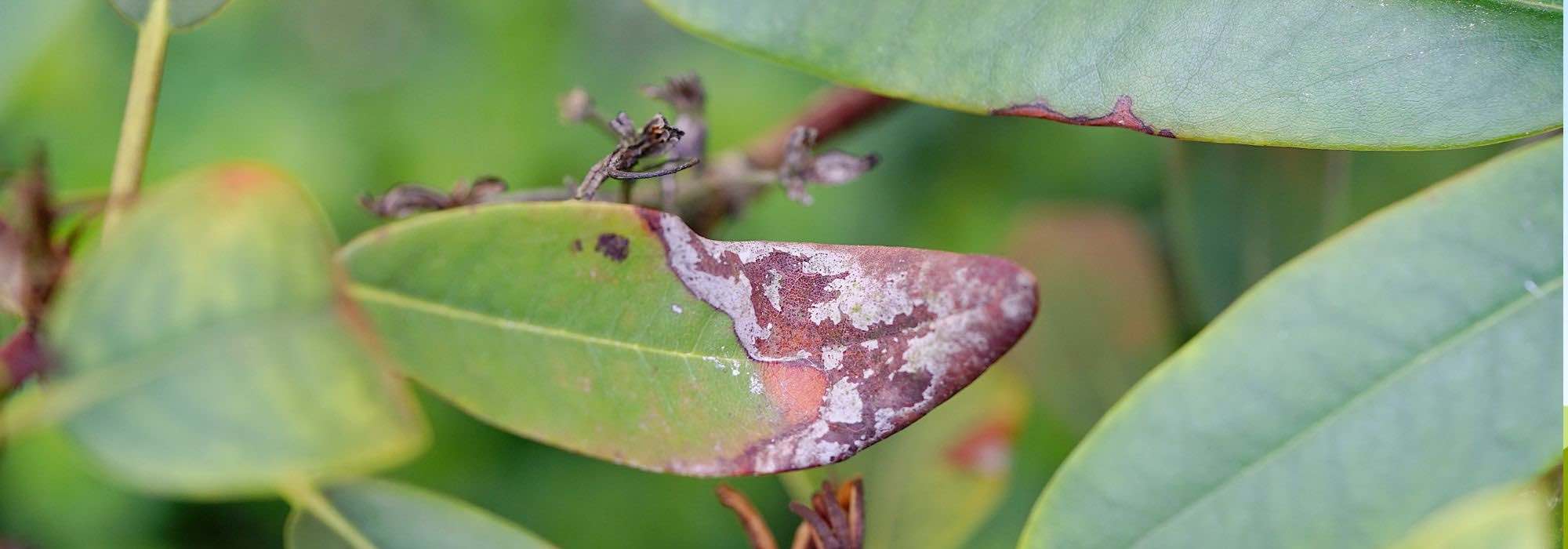
Rhododendron diseases and parasitic pests
Identifying, preventing and treating naturally
Contents
Rhododendrons, with dense evergreen foliage and spectacular flowering, can be vulnerable to various diseases and parasites that threaten their health and beauty. The success of their cultivation relies on daily care and on the ability to prevent and combat these issues effectively and naturally. This article aims to provide the knowledge needed to identify the main threats to rhododendrons, apply environmentally friendly natural treatments and adopt preventive practices to ensure the longevity of these majestic plants in their garden.
→Read our rhododendrons Guide.

Vine weevils
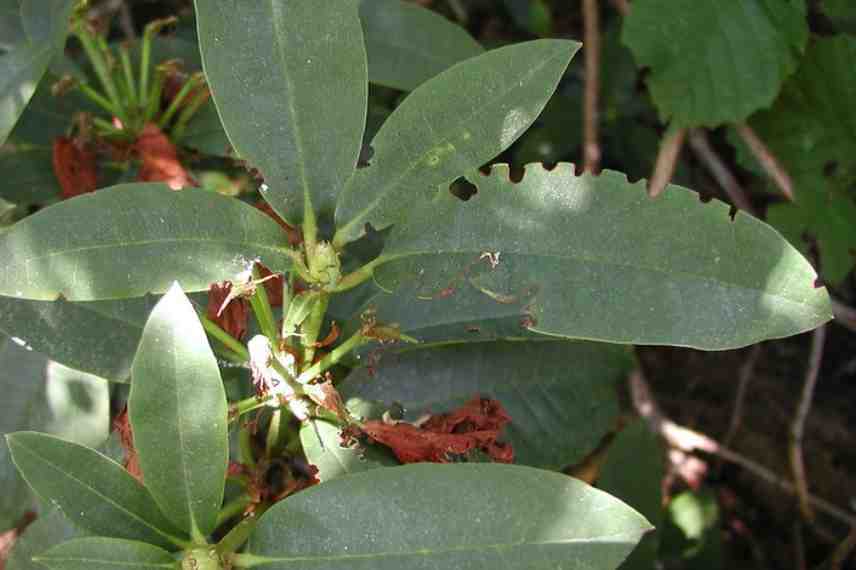
Azalea lace bug
Phytophthora
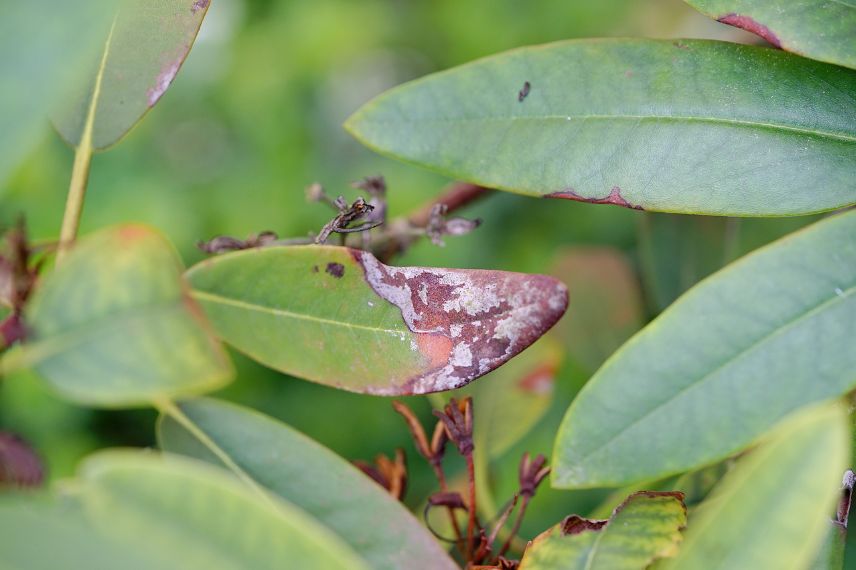
Phytophthora is a soil-borne fungal disease that attacks the roots of rhododendrons, causing them to rot and, in severe cases, the death of the plant. Symptoms include wilting of the leaves, discolouration and drying out, often mistaken for drought. This disease progresses quickly, particularly in poorly drained or waterlogged soils.
The emphasis here is on prevention. To prevent Phytophthora infection, improving growing conditions remains the best defence. It is crucial to promote good soil drainage by adding drainage materials. Planting rhododendrons on mounds can help prevent water accumulation around the roots. The use of well-rotted compost to improve soil structure can also help prevent infection.
Selecting a suitable planting site and water management should also be considered. Avoid planting rhododendrons in areas prone to waterlogging or where plants have already been affected by this disease. Ensuring that water does not pool around the plants will help prevent the appearance of Phytophthora.
→ See our article on the Phytophthora
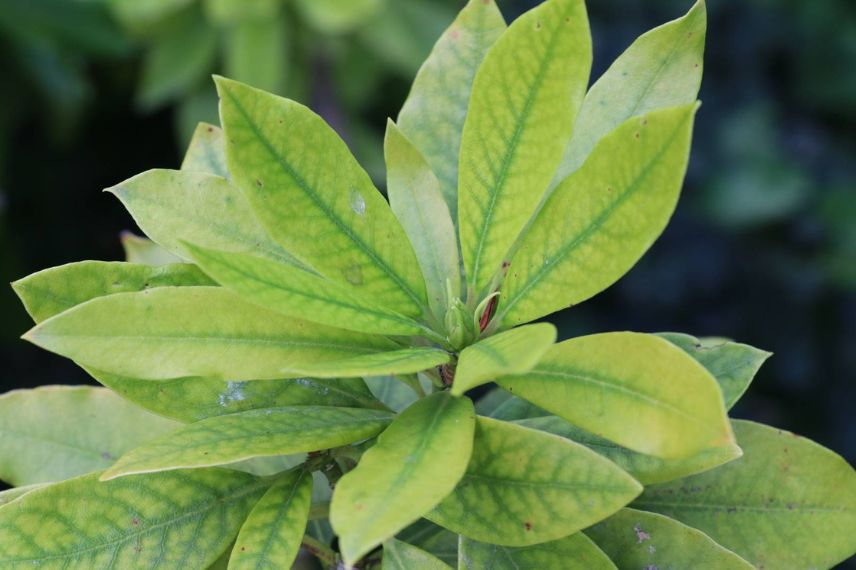
Chlorosis
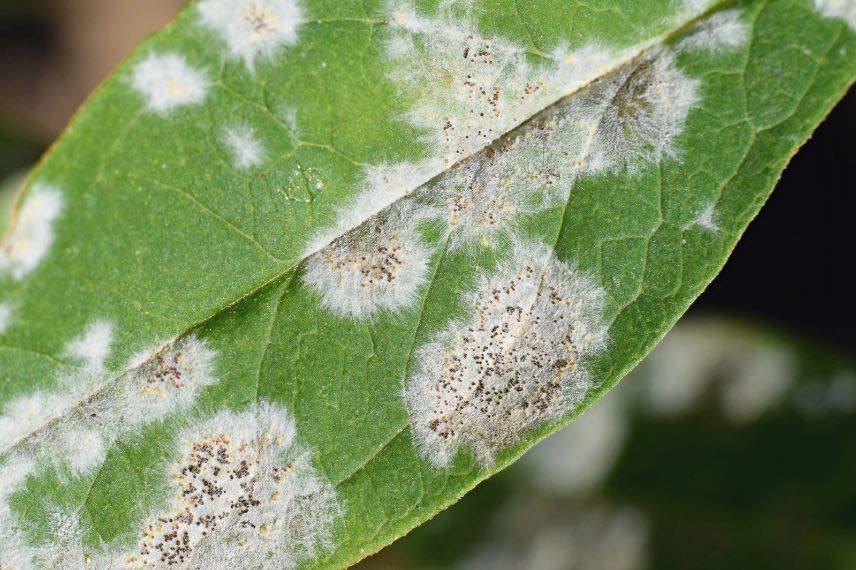
Powdery mildew
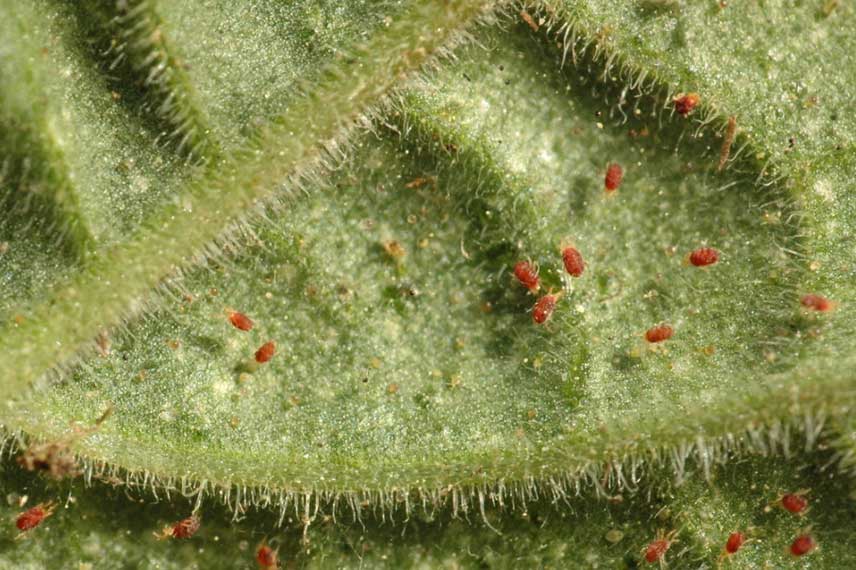
Red spider mites
- Subscribe!
- Contents
Comments