





























Stimulant plants to be used as manure and as a decoction to boost your crops
Selection of growth-stimulating plants for preparing manures and decoctions
Contents
Manures and decoctions are well-known solutions to help gardeners with these organic practices. Easy to make at home, manures and decoctions help treat plants naturally, but also to stimulate their growth and their natural defences. This can help strengthen your plantings and prevent diseases or pest attacks. Discover our selection of growth-stimulating plants that will strengthen the health of your plants, and how to use them organically.

Yarrow
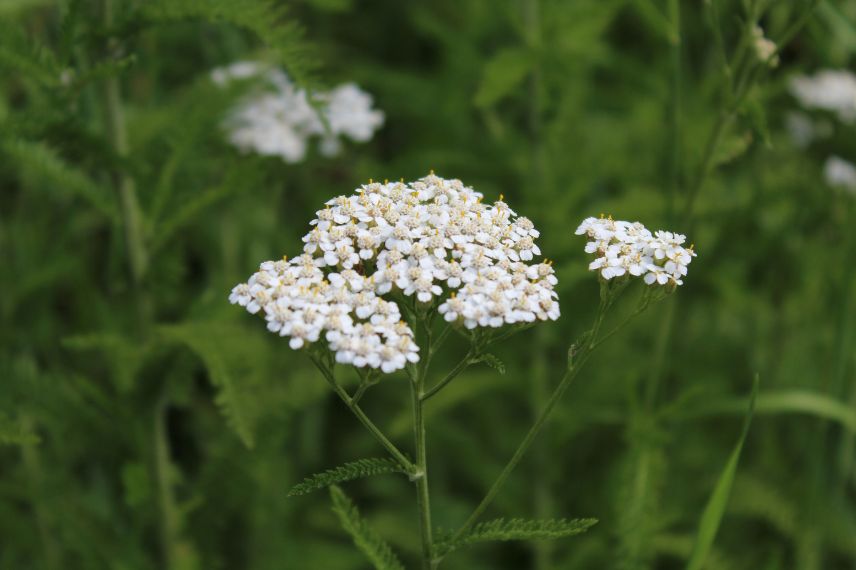
Yarrow, or Achillea millefolium can be used in a maceration to strengthen your plants and make them more resistant to diseases and pests.
Yarrow maceration: Harvest 100 g of fresh yarrow flowers and macerate them in 1 litre of water for 24 hours. Strain, then add 4 litres of horsetail decoction and mix. Spray onto the plants to strengthen them.
Burdock
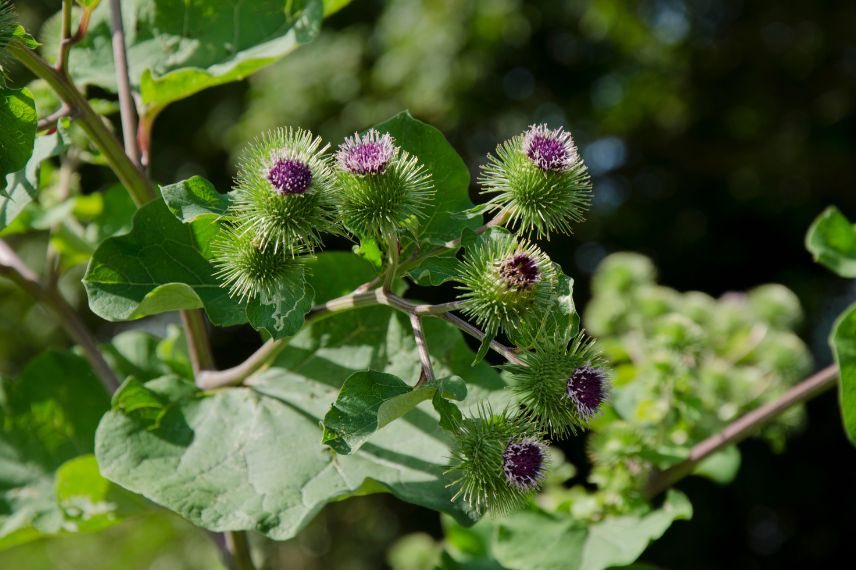
Rich in potash, burdock is used to make a manure with stimulating properties for plants, particularly for root vegetables and fruiting shrubs.
Burdock manure: Take 1 kg of fresh burdock and macerate in 10 litres of water. Stir the mixture once a day. After about two weeks, fermentation is complete. This is the time to filter the preparation. Take 300 ml of this solution and dilute in 5 litres of water. Use burdock manure to water the vegetables and fruiting shrubs.
True camomile
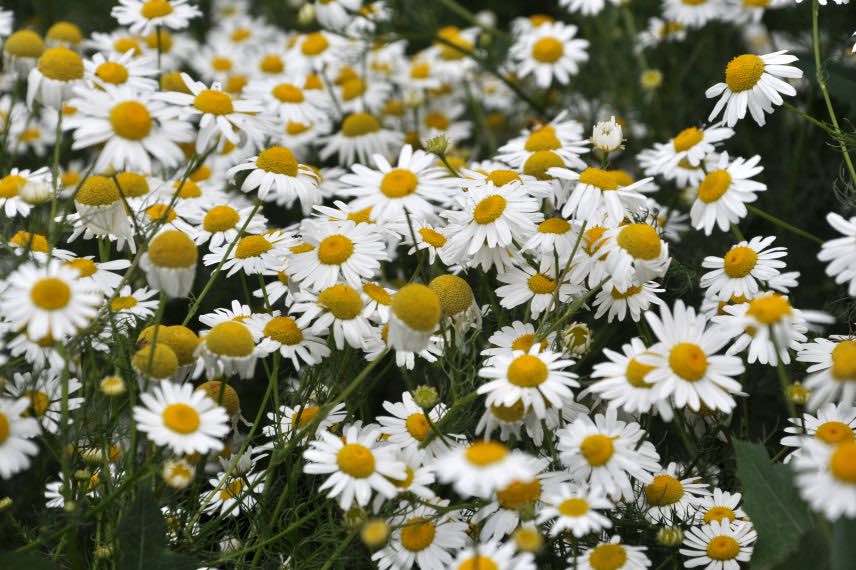
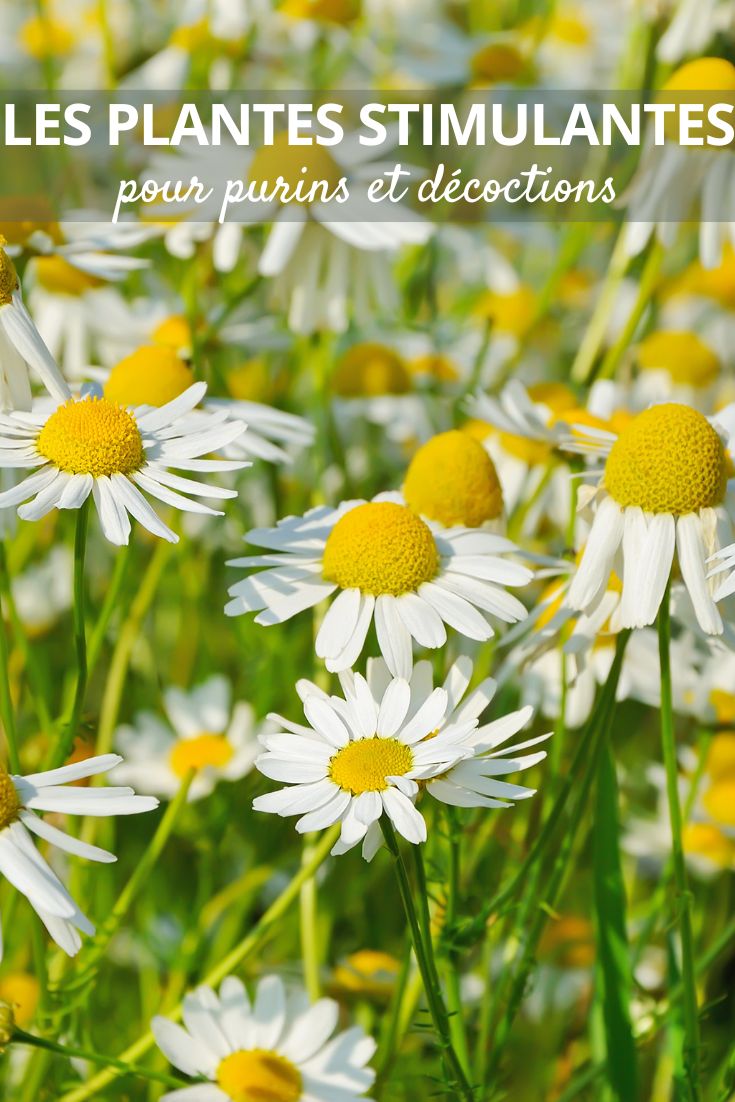
The true chamomile or Matricaria recutica is a cottage garden plant, used in cut flower arrangements. Prepared as an infusion or maceration, it helps to strengthen and stimulate the growth of young plants.
Chamomile infusion: Take 50 g of dried chamomile flowers and steep for a few minutes in 1 litre of hot water. When the liquid has cooled, strain. This solution can be sprayed onto young vegetable plants or the seeds can be soaked in the liquid to make them more vigorous.
Chamomile maceration: Macerate 20 g of dried chamomile flowers in 1 litre of water for 24 hours. Strain, then spray onto the young plants to restore their vigor.
Read also
How to successfully grow comfrey?Comfrey
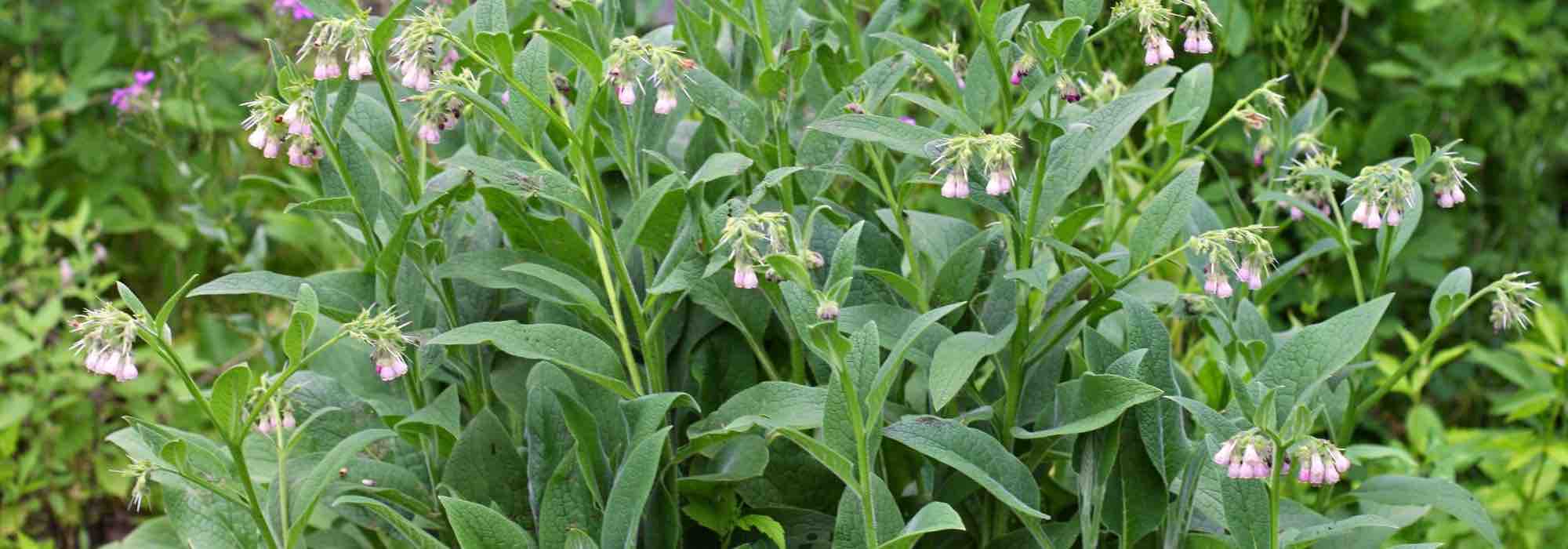
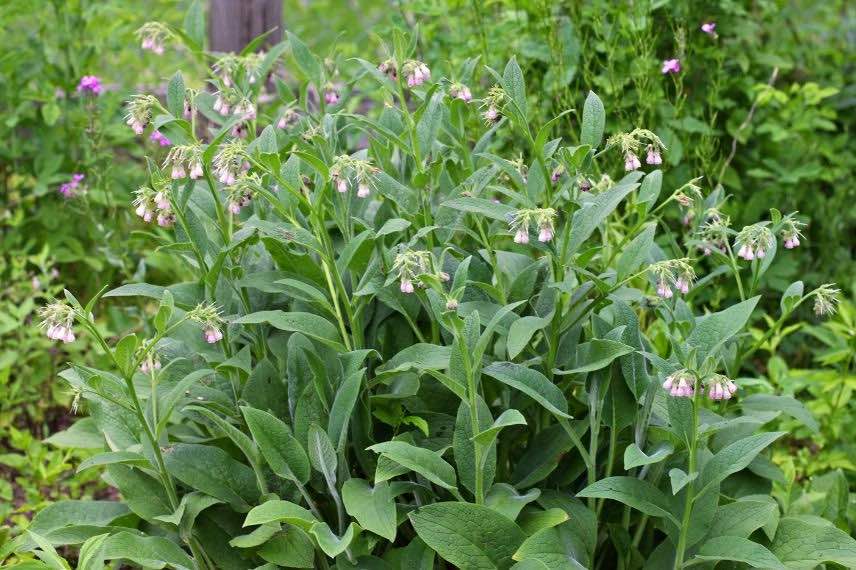
Comfrey is a plant that is both nutritious and stimulating for other plants. It promotes their growth and their resistance to diseases and pests. It strengthens the plants’ immune defences. Often used as manure, it can also be transformed into a fermented extract. It is a kind of natural fertiliser that the organic gardener pairs with nettle manure. For the preparations, take common comfrey or common comfrey or Symphytum officinalis.
Comfrey manure: Harvest 1 kg of fresh comfrey leaves and chop them. Submerge them in 10 litres of water and let macerate for 8 to 10 days. Strain. Dilute to 5% for a stimulating effect on young plants and to 20% to stimulate fruiting or the plant’s immune defences. In the first case, apply by spraying; in the second, use the product for watering the plants. Comfrey manure can also serve as a compost activator.
Fermented comfrey juice: Take an opaque container and fill it with comfrey leaves without adding water. After a few days, a black liquid drains out. This is the fermented comfrey juice, which can be used as a natural fertiliser. Dilute the preparation at a rate of half a litre of fermented extract in a watering can filled with 12 litres of water. Water the plants you wish to encourage flowering or fruiting.
For further reading, see our advice sheet Comfrey manure.
Nettle
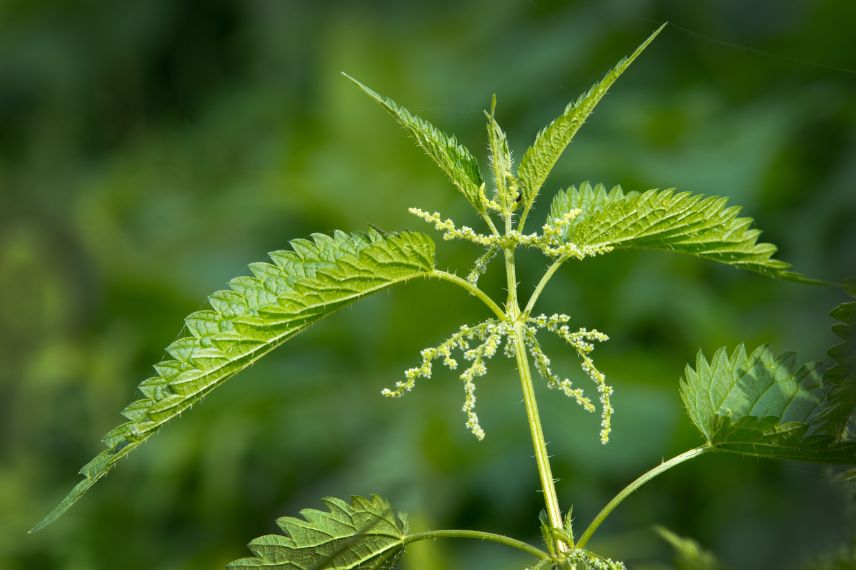
Nettles have important nutritional properties for plants. That is why nettles are used in the form of manure to boost growth in plants and bolster their immune defences.
Nettle manure: Use 1 kg of fresh nettles for 10 litres of water. Let the mixture macerate, stirring daily. When fermentation finishes, strain the manure. Dilute the liquid at a ratio of 2 litres of manure to 8 litres of water. Water plants with this preparation to boost growth and prevent chlorosis. It can also be used at 5% dilution in a spray to stimulate the plants’ immune defences. If you wish to promote root development, dilute the manure to 20% and soak the plants’ roots in it.
For more information, see our advice sheet Nettle manure.
The dandelion
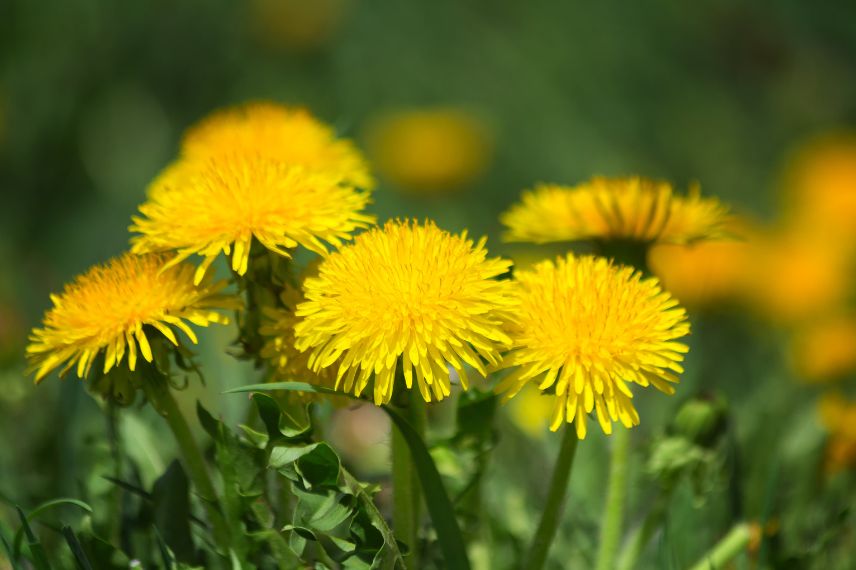
Dandelion is another plant of considerable interest in organic gardening. Rich in potassium and various nutrients, it enriches the soil and stimulates the growth of plants. Dandelion manure can be made to enrich the soil.
Dandelion manure : Harvest 1 kg of dandelion (roots, leaves and flowers) and steep in 5 litres of water, stirring daily. After 10 to 20 days, strain the manure. Apply the pure dandelion manure to poor soil you wish to enrich. Or dilute the manure to 20% and water the plants to strengthen them.
For further reading, see our tip sheet Dandelion manure.
Horsetail
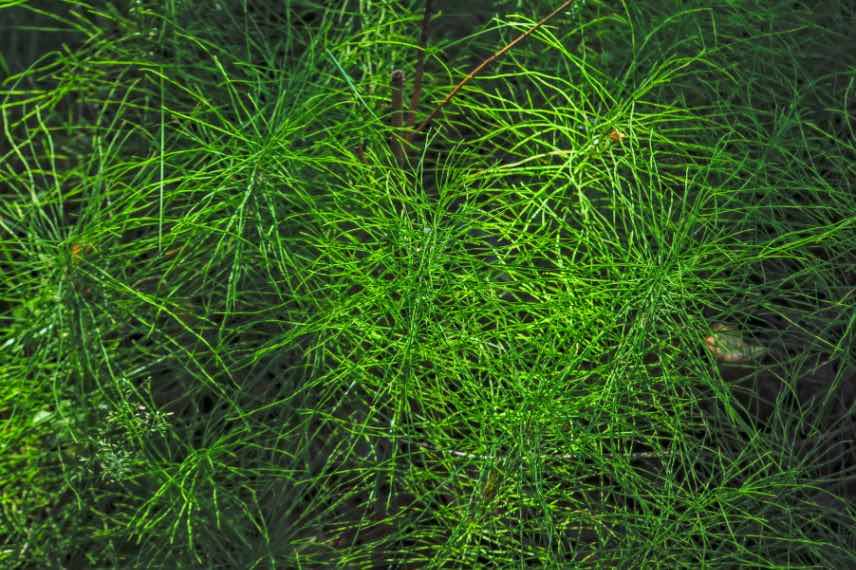
Field horsetail or Equisetum arvense has important growth-promoting properties. It contains potassium and numerous minerals that promote the plant’s growth and bolster its defences.
Horsetail manure: Prepare 1 kg of fresh horsetail for 10 litres of water. Macerate, stirring daily for 10 days, then, when fermentation is complete, filter the liquid. Horsetail manure is used diluted to 5% as a spray to strengthen young plants, and diluted to 20% as a spray on apple trees, pear trees and peach trees.
For further reading, see our advice sheet “Horsetail manure”.
Tomato
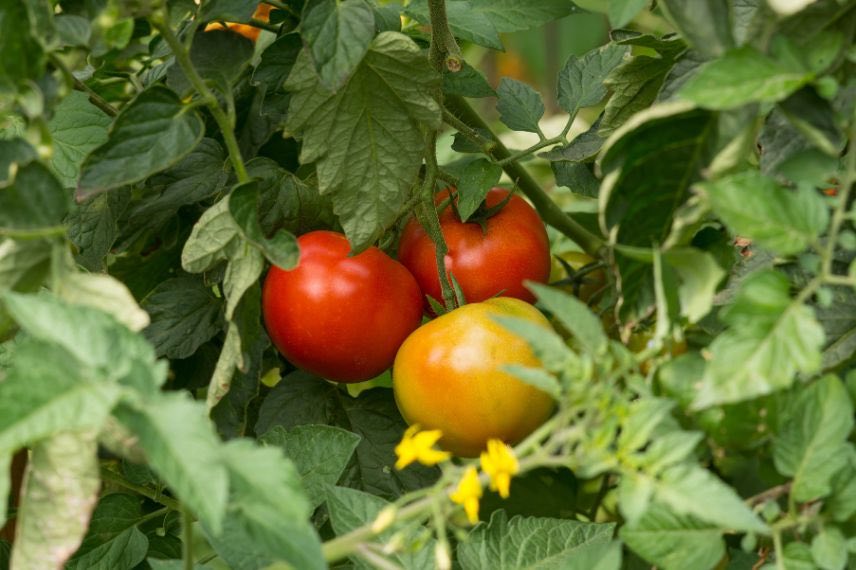
Tomato manure helps stimulate the growth of vegetables.
Tomato manure: Macerate 1 kg of tomato leaves and suckers in 10 litres of water. When fermentation is complete, filter. Mix 1 litre of tomato manure with 3 litres of water, and water your vegetable plants with this natural fertiliser, notably cabbages, squashes and tomatoes.
For further reading, consult our tip sheet Tomato manure.
Other stimulating plants
Among other growth-stimulating plants, we use true valerian or Valeriana officinalis in infusion and manure to promote the growth of plants. Garden marigold or Calendula officinalis can also be used as manure to stimulate the growth of vegetables.
Learn more about manures and decoctions
Also read our articles:
- Repellent plants to be used as manure and decoctions to protect crops
- Subscribe!
- Contents
Comments